








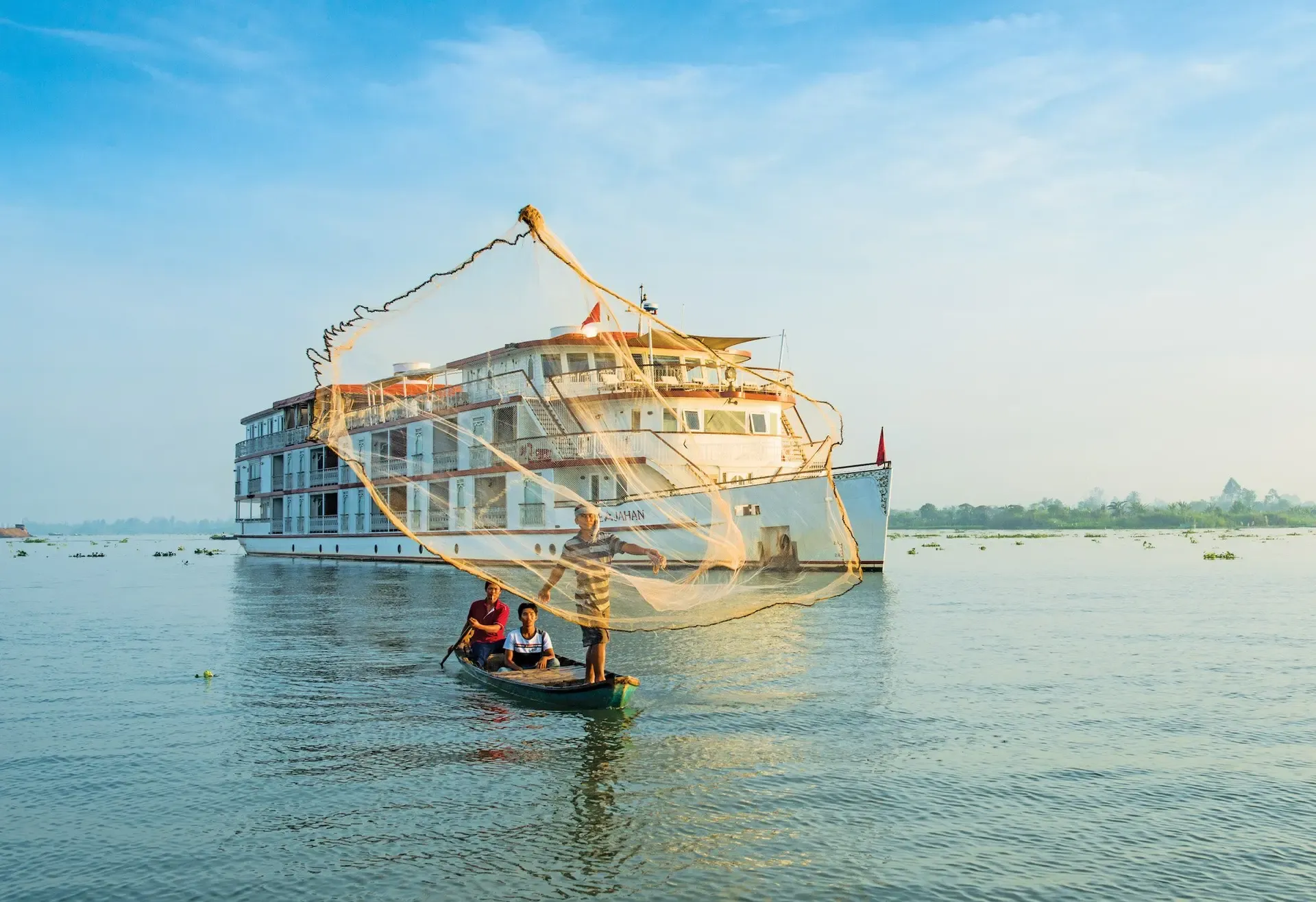
A 7-night Mekong cruise between Southern Vietnam and Cambodia is one of the most rewarding ways to experience Southeast Asia. Instead of taking short flights or spending long hours on bumpy highways, you travel slowly along the Mekong River, watching daily life unfold along the banks while your hotel moves with you.
This guide gives you a realistic look at the classic 7-night Mekong Cruise itinerary from Saigon (Ho Chi Minh City) to Siem Reap. We cover the standard day-by-day Mekong river cruise itinerary, the truth about where the cruise actually ends, how river seasons affect your trip, and essential practical tips from local travel experts.
Cruising along the Mekong: Journey of historical legacy
For centuries, the Mekong River was the lifeblood of Southeast Asian empires, used by Khmer kings and Vietnamese traders to transport rice, timber, and silk. In the mid-19th century, French explorers, most notably the 1866–1868 Mekong Exploration Commission led by Ernest Doudart de Lagrée and Francis Garnier, set off from Saigon hoping the river would provide a navigable water highway straight into southern China. While waterfalls and dangerous rapids in northern Cambodia and Laos proved that large boats could not sail into China, their expeditions put the Lower Mekong on the global map.
Modern passenger cruising on the Mekong began much later. Following decades of regional conflict, Cambodia reopened to international travel in the late 1990s. In the early 2000s, pioneering riverboat operators began restoring classic colonial-style timber vessels to take small groups of travelers across the border between Saigon and Siem Reap. What was once a rugged, overland expedition through muddy backroads transformed into one of the world’s most comfortable and immersive cultural river journeys.

An example of a 19th-century steamship on the Mekong River
Who will love the Mekong cruise to Cambodia?
A 7-night Mekong cruise is an investment in slow travel. It is particularly well-suited for:
Mature travelers and active retirees: Guests who want an in-depth cultural journey without the exhaustion of changing hotels every night, dragging suitcases through train stations, or dealing with domestic airport terminals.
History and culture lovers: Travelers fascinated by French colonial heritage, traditional village crafts, Buddhist monastic traditions, and the contrasting modern histories of Vietnam and Cambodia.
Photography enthusiasts: The soft morning light on the river, traditional wooden fishing boats, floating gardens, and monks in saffron robes offer world-class photographic opportunities.
Upstream vs. Downstream Mekong: Which direction should you choose?

Classic Mekong Upstream route by Pandaw
The 7-night Mekong cruise itinerary runs in two directions:
- Upstream: Saigon to Siem Reap
- Downstream: Siem Reap to Saigon
Both directions visit the same towns, markets, and temples. However, most travelers prefer the Upstream route for its travel flow.
On the upstream trip, you start in the fast, noisy streets of Saigon. Once you board the ship, the pace slows down through the quiet fruit orchards of the Mekong Delta, moves into the history of Phnom Penh, and ends peacefully in the ancient temple world of Angkor.
The downstream route is also fine, especially if your international flight lands in Cambodia first. However, ending your relaxing holiday in the heavy traffic of Saigon can sometimes feel abrupt.
7-night Mekong cruise itinerary from Saigon to Siem Reap
The schedule below follows the most common 7-night upstream route. While the main ports are the same, each cruise line has its own daily excursion schedule and stops. River currents, water levels, and port traffic can also cause small changes to daily timings.
Day 1: Saigon – My Tho – Tan Phong Island (Cai Be)
Morning: Meet your cruise group at the official city lounge in central Saigon (usually around 10:00 AM to 11:30 AM). You board an air-conditioned coach for a 1.5 to 2-hour drive south to the river port of My Tho.
Afternoon: Embark your ship. The crew welcomes you on board, helps with your luggage, and shows you to your cabin. After a brief safety drill and lunch in the dining room, the ship starts sailing into the Mekong Delta.
Late afternoon & Evening: Spend the afternoon relaxing on the sun deck as the ship enters the Tien River (the northern branch of the Mekong in Vietnam). Enjoy sunset drinks before the Captain’s Welcome Dinner. The ship drops anchor for the night near Tan Phong Island.
Daily details:
- Meals: Lunch, Dinner
- Physical level: Easy. Boarding via a flat gangway.


Huynh Thuy Le Ancient House
Day 2: Tan Phong Island – Sa Dec – Gieng Island
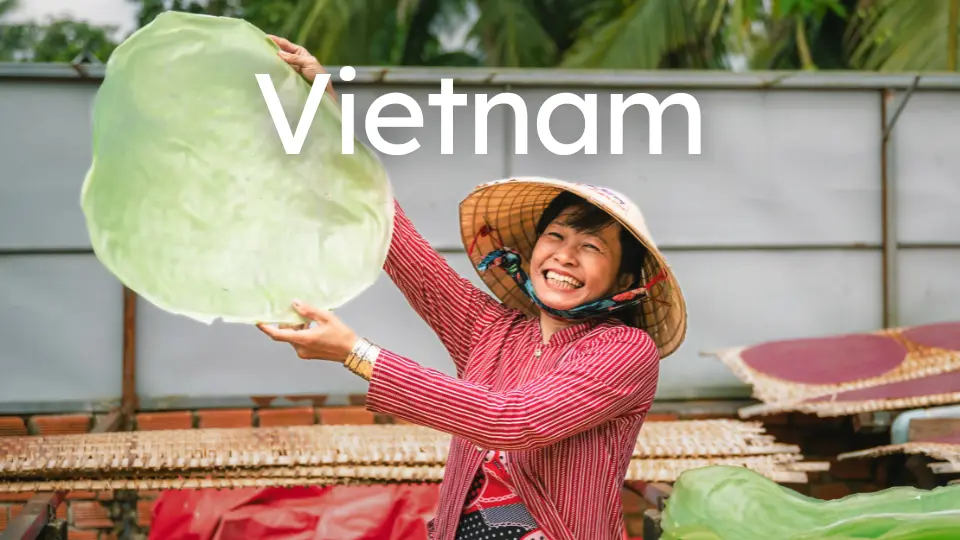
Morning: After breakfast, board small local wooden boats (sampans) to visit Tan Phong Island. You will walk through fruit orchards, watch locals make rice paper and coconut candy, and see how water hyacinths are woven into baskets and mats.
Afternoon: The ship sails to Sa Dec, a quiet town in Dong Thap province. Here, you visit the Huynh Thuy Le Ancient House. This house belonged to the wealthy merchant who had a famous love affair with French writer Marguerite Duras, which inspired her novel L’Amant (The Lover). Next, walk through the lively Sa Dec market, where stalls sell fresh river fish, herbs, and tropical fruits.
Late afternoon: Active travelers can take a guided bicycle ride (around 8–10 km) along flat village paths beside the canals. Others can relax on board while the ship moves toward Gieng Island.
Daily details:
- Meals: Breakfast, Lunch, Dinner
- Physical level: Moderate. Getting in and out of small wooden sampans requires balance, but crew members are always there to hold your arm.
Day 3: Gieng Island – Border Crossing – Cruising to Phnom Penh
Morning: Explore Gieng Island (Cu Lao Gieng). This island is known for its high concentration of Catholic churches and monasteries built during French colonial rule. Visit a local family boat-building workshop where wooden river boats are still crafted by hand. You also stop at a workshop making traditional incense sticks.
Afternoon (The border crossing): Return to the ship for lunch. The ship sets sail toward the international border between Vietnam (Song Tien) and Cambodia (Kaam Samnor).
You do not have to stand in line at an immigration office. The ship drops anchor in the river. The ship’s purser collects your passport and visa paperwork and handles the stamps directly with border officials. During this 2-to-3-hour stop, you can join a Vietnamese cooking class, book a massage, or listen to a talk about Cambodian history.
Evening: The ship receives clearance and enters Cambodia, sailing through the night toward Phnom Penh.
Daily details:
- Meals: Breakfast, Lunch, Dinner
- Physical level: Easy walking on flat island trails.

Cu Lao Gieng
SLOW TRAVEL IN ASIA
Discover why navigating Asia by water offers the ultimate immersive cultural experience.

Tuol Sleng Genocide Museum
Day 4: Phnom Penh (Full-Day City Tour)
Morning: You wake up docked right at the riverfront promenade of Phnom Penh. After breakfast, board traditional three-wheeled cyclos for a tour through the city streets. Visit the Royal Palace and the Silver Pagoda, famous for its floor covered with over 5,000 silver tiles and a life-sized solid gold Buddha statue. Next, visit the National Museum, which houses the world’s best collection of Angkor-era stone carvings.
Afternoon: Confront Cambodia’s painful 20th-century history. Take a private bus to the Tuol Sleng Genocide Museum (S-21), a former high school that the Khmer Rouge turned into a torture prison between 1975 and 1979. A local guide explains the history with great care and respect.
Evening: Back on board, enjoy a special cultural evening. Most ships invite a local historian or a survivor of the Khmer Rouge regime to share personal stories and answer questions. This is followed by an open-air barbecue dinner and a performance of traditional Khmer Apsara dance by local youth artists.
Daily details:
- Meals: Breakfast, Lunch, Dinner
- Dress code: Shoulders and knees must be covered at the Royal Palace and Silver Pagoda. Hats and shoes must be removed before entering temple buildings.
- Physical level: Moderate walking on paved grounds and museum stairs.
Day 5: Phnom Penh – Kampong Tralach – Kampong Leaeng (Tonle River)
Morning: Early morning departure from Phnom Penh. The ship turns off the Mekong into the calm waters of the Tonle Sap River. Disembark at the small village of Kampong Tralach. Here, you take a 20-minute ride on a traditional ox-cart, riding past emerald-green rice fields and sugar palm trees to visit a local village school or pagoda.
Afternoon: Continue sailing toward Kampong Leaeng. This rural area is famous for clay pottery. Walk through the village to see how families use simple foot-powered wheels to shape water jars, cooking pots, and stoves that are sold all across the country. You can also see small pre-Angkorian brick towers hidden behind local houses.
Evening: The ship anchors in a quiet, natural bend of the river. Enjoy a quiet dinner on board far from any city lights.
Daily details:
- Meals: Breakfast, Lunch, Dinner
- Physical level: Moderate. The ox-cart ride is bumpy. If you have back issues, you can take a shared minivan instead.

Kampong Leaeng

Koh Chen
Day 6: Koh Chen – Prek Bangkong – Angkor Ban
Morning: Sail back down toward the Mekong River and stop at Koh Chen (Silver Island). This small island village has around 400 families specializing in silver, copper, and brass work. You can watch craftsmen hammer detailed Buddhist scenes into metal bowls, plates, and ornamental boxes.
Afternoon: Call at Prek Bangkong, a village well known for silk weaving. Underneath the high wooden stilt houses, local women work traditional wooden looms to produce fine silk scarves and fabrics.
Late afternoon & Evening: Sail northeast along the Mekong toward Kampong Cham province. Enjoy sunset views from the top deck.
Daily details:
- Meals: Breakfast, Lunch, Dinner
- Physical level: Easy walking along unpaved village lanes.
Day 7: Angkor Ban – Kampong Cham
Morning: Step ashore at Angkor Ban, one of the very few traditional wooden villages in Cambodia that survived the Khmer Rouge period without being burned down. Many of the teak and hardwood stilt houses here are over 80 to 100 years old. Walk through the peaceful village, meet local families, and visit the village monastery, where Buddhist monks perform a short water blessing ceremony for health and safe travel.
Afternoon: Return to the ship for your final lunch on board. Spend the afternoon packing, enjoying the sun deck pool, or relaxing with a book as the ship covers its final river miles to Kampong Cham.
Evening: The Captain’s Farewell Dinner, featuring local specialties and a toast with the crew.
Daily details:
- Meals: Breakfast, Lunch, Dinner
- Physical level: Easy walking. Slip-on shoes are helpful for visiting the monastery.

Angkor Ban

Kampong Cham
Day 8: Kampong Cham – Overland transfer to Siem Reap
Morning: Enjoy your final breakfast on board. Disembark the ship around 8:30 AM at the riverbank in Kampong Cham.
Overland drive: Board an air-conditioned bus or private car for the journey to Siem Reap. The drive covers roughly 240 km and takes about 4.5 to 5 hours.
En-route stop: Halfway through the drive, stop at Spean Praptos (Kampong Kdei), an ancient 12th-century bridge made of laterite blocks with twenty-one arches and multi-headed stone naga carvings.
Afternoon: Arrive in Siem Reap around 1:30 PM to 2:00 PM. The transfer drops you directly at your chosen hotel in town.
Daily details:
- Meals: Breakfast, light snack during road transfer.
EXTEND YOUR JOURNEY
Connect your Mekong river cruise with the very best of Southeast Asia on our signature Trans-Borders Senses Awakening tour.
High water vs. Low water of Mekong River: What you need to know
River travel on the Lower Mekong changes depending on the season. Water levels vary by as much as 8 to 10 meters between the wet and dry seasons.
| Season | Best For | What to Expect |
|---|---|---|
| High water (Mid-August to November) |
Lush green scenery, easy navigation, cooler mornings in late autumn. | Heavy monsoon rains in late summer cause the river to swell. The riverbanks are green, and water levels are high. However, September and early October bring short, heavy afternoon rains. |
| Cool and dry (December to February) |
The ideal cruising window. Dry weather, clear blue skies, comfortable temperatures (24°C–30°C / 75°F–86°F). | Water levels begin to drop slowly, but the main Mekong navigation channel remains fully open. Because this is the peak travel season, cabins sell out 6 to 9 months in advance. |
| Hot and low water (March to May) |
Budget travelers looking for seasonal discounts; fewer crowds at shore excursions. | Temperatures rise quickly, often reaching 36°C to 38°C (97°F–100°F) in April. Water levels are at their lowest. Ships may use small tender boats more often to reach shallow riverbanks. Shore tours start earlier in the morning to avoid midday heat. |
What Mekong cruise style fits you? Top-tier operators
There are several reputable luxury river cruise operators on the Mekong. Rather than booking randomly, think about what style of travel you enjoy:
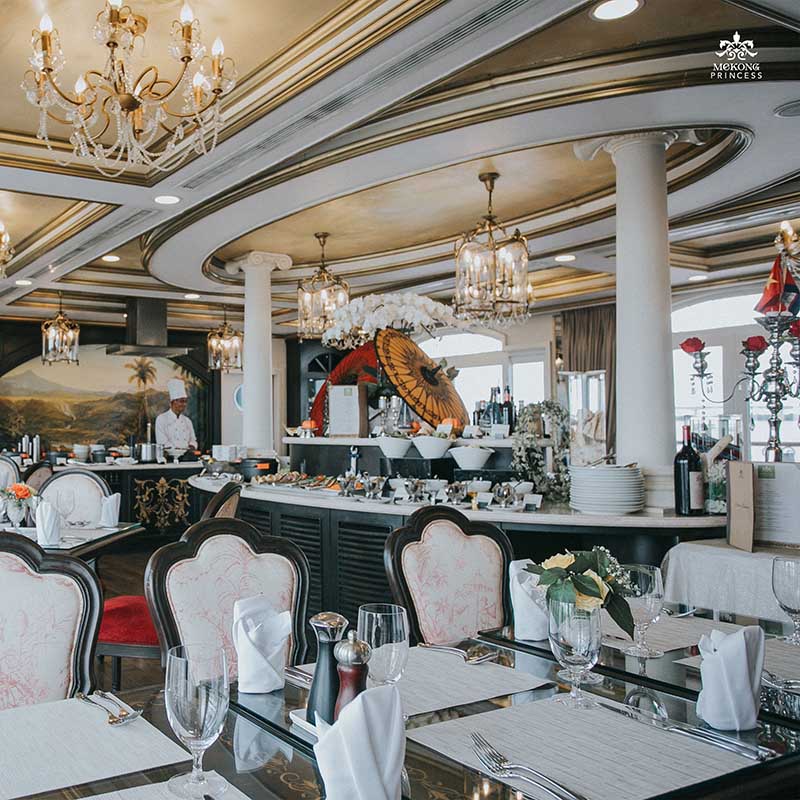
- Colonial boutique (Heritage Line: Jayavarman & The Jahan): Designed with British-Indian and French-Indochina colonial decor, using dark teak wood, antique furniture, brass fixtures, and traditional textiles. Ideal for couples who appreciate romantic, historic design and relaxed boutique service.
- Contemporary 5-star luxury (Aqua Mekong, Scenic Spirit): Featuring floor-to-ceiling panoramic glass windows, modern minimalist furniture, world-class dining menus, and all-inclusive beverage packages. Best for travelers who want modern five-star resort standards on the water.
- Expedition style (Pandaw Cruises): Built like classic colonial river steamers with wide, open teak decks and a very informal social atmosphere. Popular with active older travelers who value time outdoors over formal dining dress codes.
Want to compare cabin sizes, onboard amenities, and prices across all major cruise lines? Read our complete guide to find your ideal ship.
THE LOWER MEKONG CRUISE OPTIONS
Discover the best boutique and luxury vessels operating the river cruise from Vietnam to Cambodia.
Practical realities of life on the Mekong
Here are direct, honest answers to practical questions that first-time river cruise passengers ask:
Internet and mobile connectivity
Do not expect fast, uninterrupted satellite Wi-Fi on the river. While most ships offer complimentary Wi-Fi in public lounges, the connection drops when sailing through remote rural bends or near the border.
Expert Tip: If you need reliable internet for work, buy a local physical SIM card or eSIM (Viettel for Vietnam and Smart or Cellcard for Cambodia). They are inexpensive and offer solid 4G/5G coverage near most towns along the river.

Money, currencies, and onboard expenses
On board: Most ships run a cashless system during the cruise. Excursions, meals, and standard coffee/tea are included in your ticket. Extra drinks, spa treatments, and boutique purchases are charged to your cabin account and paid at check-out on Day 8 using a Visa or MasterCard.
On shore: You will want cash for small purchases at village markets (fruit, snacks, handmade silk scarves, souvenirs).
- In Vietnam, use Vietnamese Dong (VND). Small bills (10,000 to 100,000 VND) are best.
- In Cambodia, US Dollars (USD) are accepted everywhere alongside Cambodian Riel (KHR). Bring clean, crisp USD notes with no tears, folds, or ink marks. Old or torn US dollars will be rejected by local shops.
Tipping guidelines
Tipping is not strictly mandatory, but it is customary on luxury river cruises.
- Ship Crew (Waiters, cabin stewards, sailors): A standard guideline is $15 to $20 USD per guest, per day, placed into a shared crew tipping box at the end of the cruise.
- Local Shore Guides: Around $3 to $5 USD per guest, per half-day tour, handed directly to the guide.
Steps, walking surfaces, and mobility
Mekong River cruising involves walking over uneven ground. While boarding the main ship is done via sturdy gangways, shore visits often require:
- Stepping down into wooden sampans or tender boats.
- Walking up unpaved, sandy riverbanks or concrete steps without handrails.
- Walking on dirt paths, over wooden bridges, and across market floors.
If you have difficulty with balance, bring a sturdy walking pole with a rubber tip, and wear flat walking shoes with good grip.
VISA REQUIREMENTS
Prepare your documents! Read our complete guides on applying for a Vietnam visa and Cambodia visa before your border crossing.
How to combine your Mekong cruise: Pre and post land itineraries
A 7-night cruise covers the southern waterways, but it only represents one piece of Indochina. To make the most of your journey, Travel Sense Asia recommends connecting your cruise with land extensions:
Pre-cruise: Northern Vietnam (5 to 7 Days)
Before boarding your ship in Saigon, fly into Hanoi to explore the cultural roots of Vietnam:
- Hanoi (2 days): Walk through the 36 Old Quarter streets, taste authentic Pho and egg coffee, and visit the Temple of Literature.
- Halong Bay or Lan Ha Bay (2 days/1 night): Cruise through towering limestone islands on an overnight luxury junk boat.
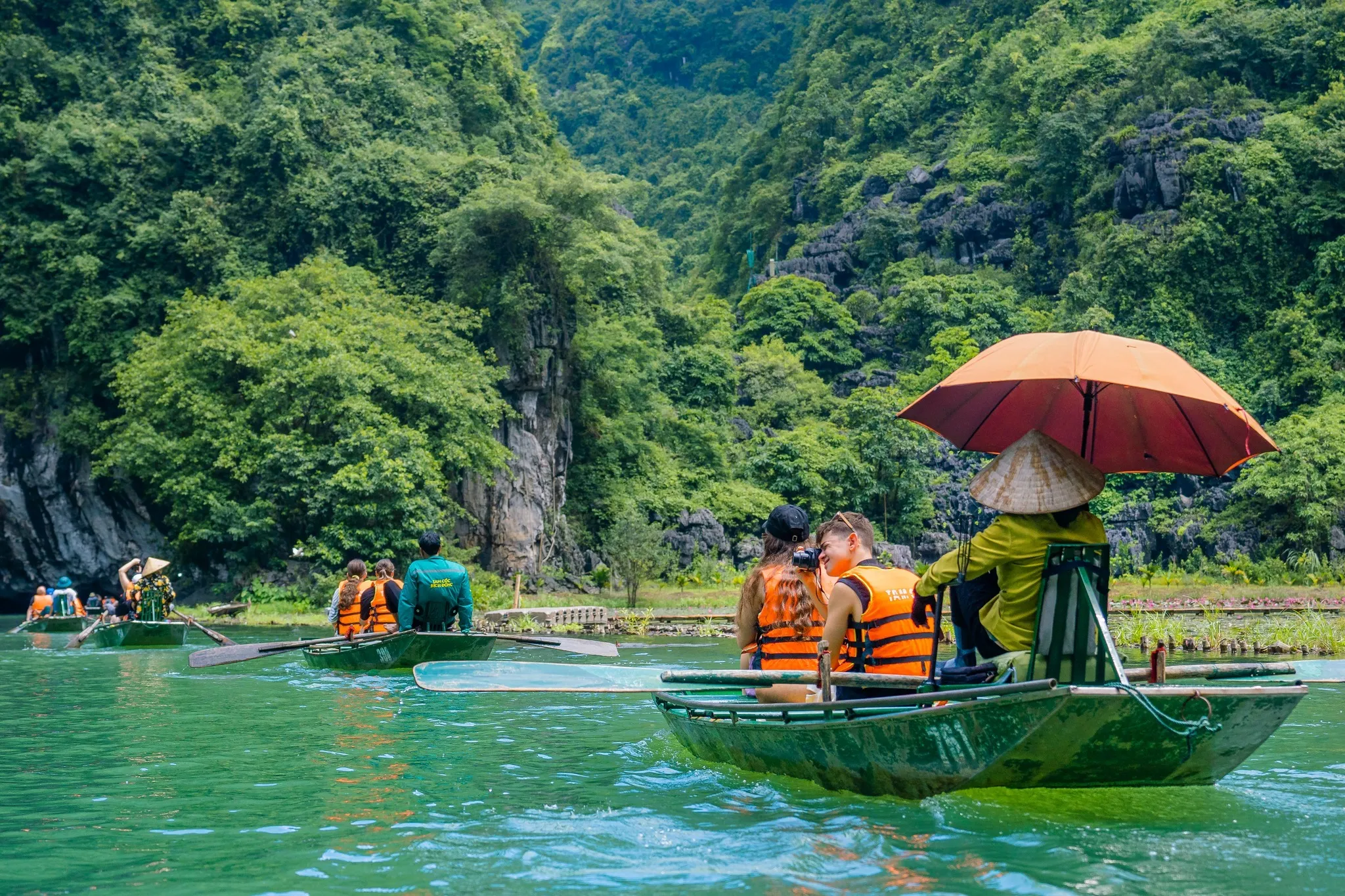
- Sapa or Ninh Binh (2/3 days): Add scenic mountain trekking through the terraced rice fields of Sapa, or take a rowboat through the river caves of Ninh Binh.
Fly from Hanoi to Saigon (a direct 2-hour flight on Vietnam Airlines) the day before your cruise begins.
Ninh Binh

Angkor Wat
Post-cruise: Siem Reap and beyond
When you arrive in Siem Reap on Day 8, plan to stay at least 3 full days to explore the Angkor Archaeological Park:
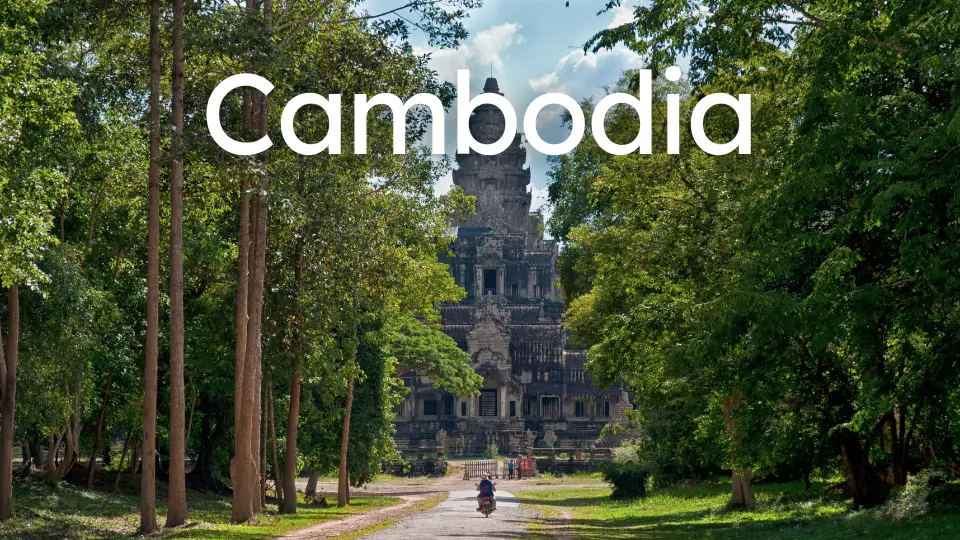
- Day 1: Watch the sunrise behind the five towers of Angkor Wat, then explore the giant stone faces of Bayon and the walled city of Angkor Thom.
- Day 2: Visit Ta Prohm, the famous temple swallowed by giant banyan tree roots, followed by the delicate pink sandstone carvings of Banteay Srei.
- Day 3: Take a private boat on the Tonle Sap Lake to visit the stilted village of Kompong Phluk, or take a cooking class at a local farm
Onward Connections:
- To Laos: Siem Reap has daily direct flights (1 hour 20 minutes) to Luang Prabang, where you can continue your slow-travel vacation among Buddhist temples and waterfalls.
- To Thailand: Direct flights connect Siem Reap to Bangkok (1 hour) or the beach resort islands of Phuket and Koh Samui for a relaxing end to your trip.
Plan your Mekong journey with Travel Sense Asia
A Mekong river cruise itinerary brings Vietnam and Cambodia together through riverside villages, cultural discoveries, historic cities, and luxury. Travelers seeking a travel to Cambodia from Vietnam experience would find this luxury cruise in Cambodia a more immersive alternative to flying between the two countries.
For those planning a trip to Cambodia from Vietnam, Travel Sense Asia can tailor your Mekong journey, arrange the right Mekong river cruise itinerary, and pair your luxury cruise in Cambodia with an unforgettable Angkor Wat experience. Start planning your Mekong adventure with Travel Sense Asia today!
Frequently Asked Questions (FAQ)
What is the best month to do a Mekong River cruise?
November to February is generally the best time, offering cooler, drier weather and comfortable conditions for cruising and shore excursions.
How many days is the Mekong River cruise from Vietnam to Cambodia?
The classic lower Mekong cruise between Saigon and Siem Reap can run from 4 days and 3 nights to 8 days and 7 nights, sailing upstream through the Mekong Delta into Cambodia.
What is the best river cruise between Vietnam and Cambodia?
The Heritage Line Jayavarman, Aqua Mekong, and Scenic Spirit are among the top luxury options, depending on your budget, itinerary, and preferred cruise style.
Do I need a visa to cross from Vietnam to Cambodia by river?
Yes. Travelers on the upstream Saigon-to-Siem-Reap route need a Cambodian visa.