








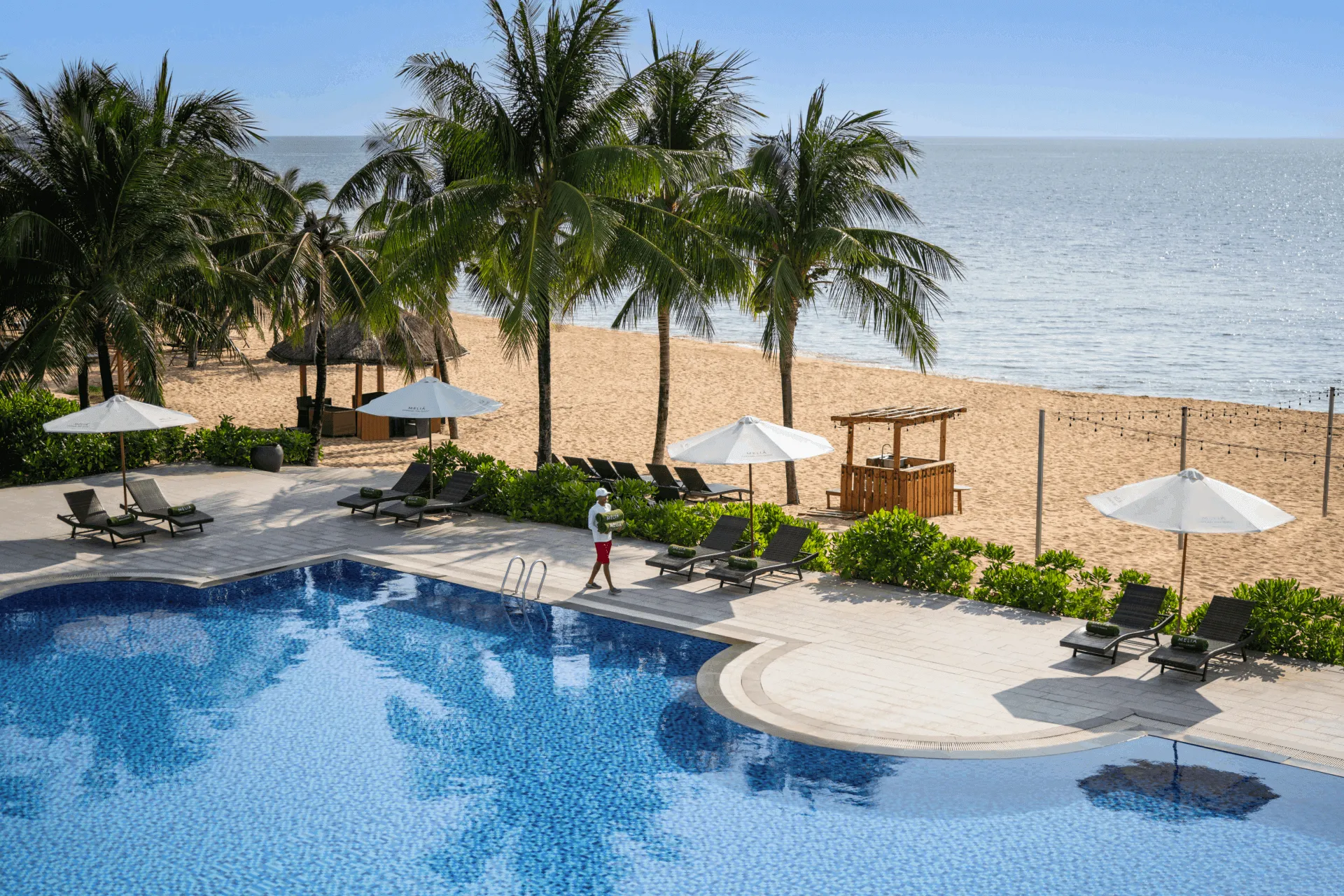
Wondering if Typhoon Matmo 2025 still affects travel in Vietnam?
The good news is that most destinations remain safe and fully open. While the North faced temporary rain and flooding in some areas, Central and Southern Vietnam, from Hoi An to Mekong Delta and Phu Quoc, continue to offer ideal conditions for cultural discovery and beach escapes. Here’s how you can plan your trip smoothly and explore Vietnam beyond the storm’s path.
Not to worry about Typhoon Matmo in Vietnam
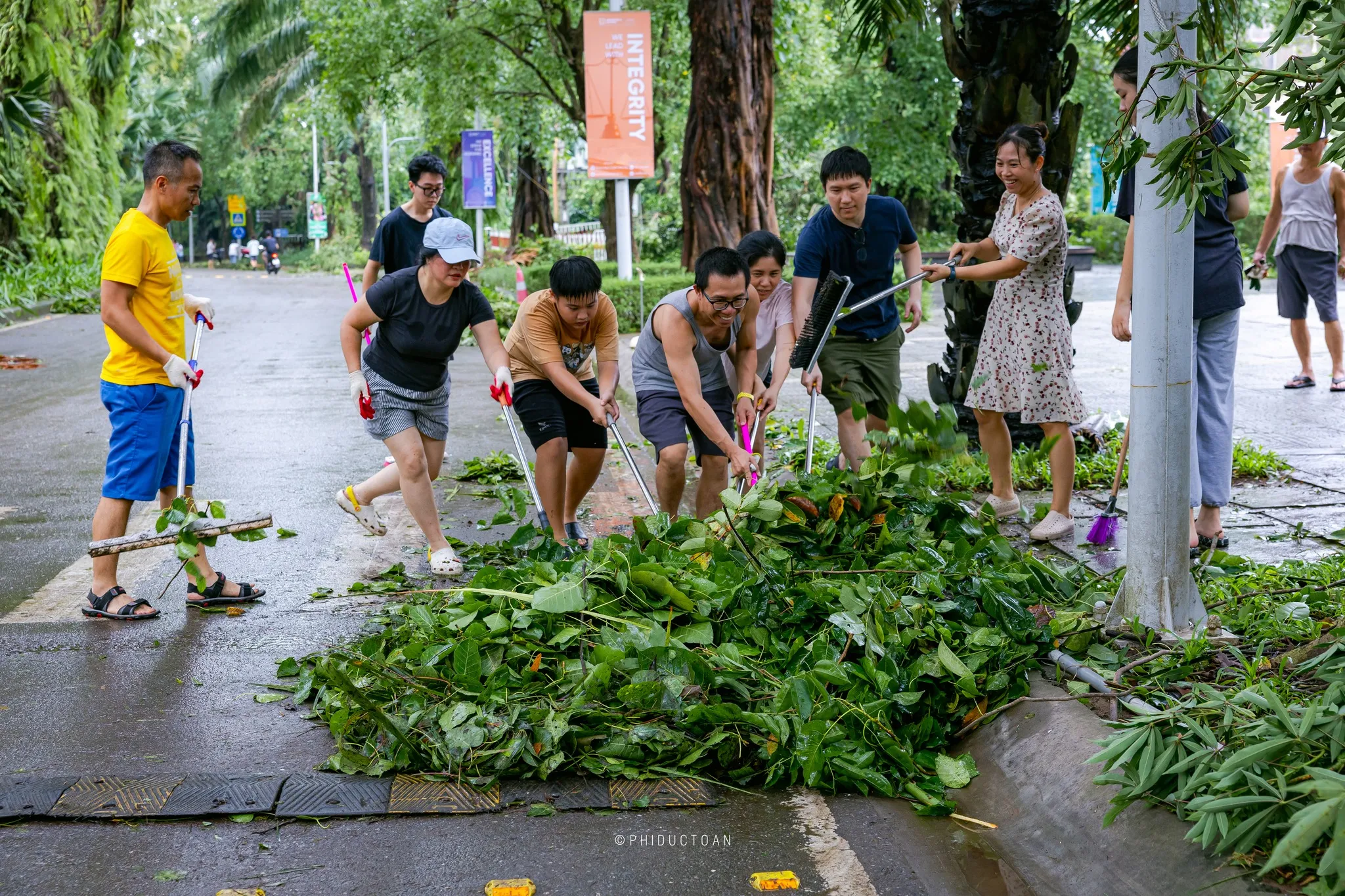
After passing through southern China and the northern border of Vietnam in early October 2025, Typhoon Matmo brought days of heavy rain and temporary flooding across parts of Northern Vietnam. Some mountain provinces such as Lang Son, Thai Nguyen, and Cao Bang experienced landslides, floods and transport disruptions, while Halong Bay and Hai Phong had to suspend cruise operations for safety.
Despite these short-term impacts, most major destinations in Vietnam remained unaffected. Hanoi, Ninh Binh and Halong quickly returned to normal, and central and southern regions including Danang, Hoi An, Ho Chi Minh City, and the Mekong Delta were not hit directly by the storm. Domestic flights and tourism services have fully resumed, with sunny skies welcoming travelers again.
If you’re planning your trip soon, there’s no need to postpone. While the North takes a few days to recover, the Central Coast and the Mekong Delta are now among the best areas to visit offering pleasant weather, vibrant festivals, and peaceful countryside landscapes after the rain.
>> Discover now: Best time to visit Vietnam: specific months or year-round?
Source: Internet
If Matmo or any typhoon hits the North, where to go in Vietnam instead?
While tropical typhoons (including Typhoon Matmo) may occasionally affect Northern Vietnam from August to early October, travelers still have countless opportunities to explore the country’s cultural and natural diversity. Central and Southern regions remain largely fine, offering safe alternatives that blend local authenticity with unforgettable landscapes. Here are some destinations and experiences where you can fully immerse yourself without worrying about the typhoon’s path.
Central Vietnam: History, architecture, and timeless traditions
Central Vietnam offers travelers a journey through history, culture, and timeless charm. Hue and Hoi An, two UNESCO-listed gems about 120 km apart, are often combined in a 3–4 day itinerary connected by the scenic Hai Van Pass, one of Vietnam’s most stunning coastal routes.
Although this region may still experience occasional rainfall during Vietnam’s typhoon season, the weather rarely causes major disruptions. In fact, the rain often adds a poetic touch to Hue’s ancient citadel and the lantern-lit streets of Hoi An. With flexible planning, visitors can easily explore these cultural capitals, discovering royal palaces, riverside tombs, and artisan villages while enjoying Central Vietnam’s calm, reflective beauty after the storms.
Hue: The imperial capital (1-2 days)
Hue offers a deep dive into Vietnam’s royal past. The Imperial Citadel, with its moats, gates, and palaces, is a UNESCO World Heritage Site and usually the highlight for first-time visitors. Travelers also enjoy visiting ancient pagodas like Thien Mu Pagoda and the royal tombs scattered along the Perfume River. In the evening, many choose a royal-style dinner – dressing in traditional áo dài while sampling imperial recipes. Street food tours are another favorite, with dishes such as bún bò Huế (spicy beef noodle soup), bánh bèo (steamed rice cakes with dried shrimp and scallion oil), and bánh bột lọc (chewy tapioca dumplings filled with shrimp and pork) giving a true taste of local life.
Hoi An: The lantern town (1-2 days)
Hoi An, by contrast, charms visitors with its smaller scale and warm atmosphere. The Old Town’s lantern-lit streets and shophouses are perfect for evening walks. Beyond sightseeing, international travelers particularly enjoy hands-on workshops: making silk lanterns, cooking Vietnamese dishes with local chefs, or joining a bicycle ride to Tra Que vegetable village. Shopping for tailor-made clothes is also a big draw, as many visitors have suits, dresses, or shoes crafted in just 24-48 hours. The famous Lantern Festival, held monthly on the full moon, adds even more magic.

Hai Van Pass

Hue Imperial Citadel

Hoi An Ancient Town
Southern Vietnam: Warm weather and endless discovery
When the northern skies turn grey during Vietnam’s typhoon season, the South remains bright, warm, and welcoming. Whether cruising through the Mekong Delta, relaxing on Phu Quoc’s beaches, exploring Da Lat’s cool pine hills, or soaking up Ho Chi Minh City’s modern energy, the South reveals the country’s lively, colorful rhythm of life.
Most major destinations in Southern Vietnam are located outside the directly affected zones and continue to operate normally, ensuring safe travel in Vietnam even after Typhoon Matmo 2025 and related floods.
Mekong Delta: Life on the water (1-2 days)
The Mekong Delta, often called Vietnam’s “Rice Bowl,” offers international travelers a unique glimpse into life on the water. Meandering rivers, lush rice paddies, and floating markets create a vibrant landscape where nature and culture intertwine. Visitors can take boat tours along the delta’s waterways, watching local fishermen cast nets, farmers tend to rice fields, and families live their daily lives along the riverbanks.
A highlight for travelers is the floating markets, such as Cai Rang and Phong Dien, where colorful boats overflow with fresh fruits, vegetables, and local delicacies.
Da Lat: The city of eternal spring (3-4 days)
Set high in the Central Highlands, Da Lat offers a refreshing contrast to the southern lowlands. It enjoys mild weather year-round, with misty mornings, pine forests, and flower gardens framing its charm. Visitors can stroll around Xuan Huong Lake, explore old French villas, and visit local farms that produce strawberries, coffee, and tea. Even during the rainy season, Da Lat’s gentle showers only add to its romantic, nostalgic atmosphere, making it a perfect retreat for nature lovers and couples alike.
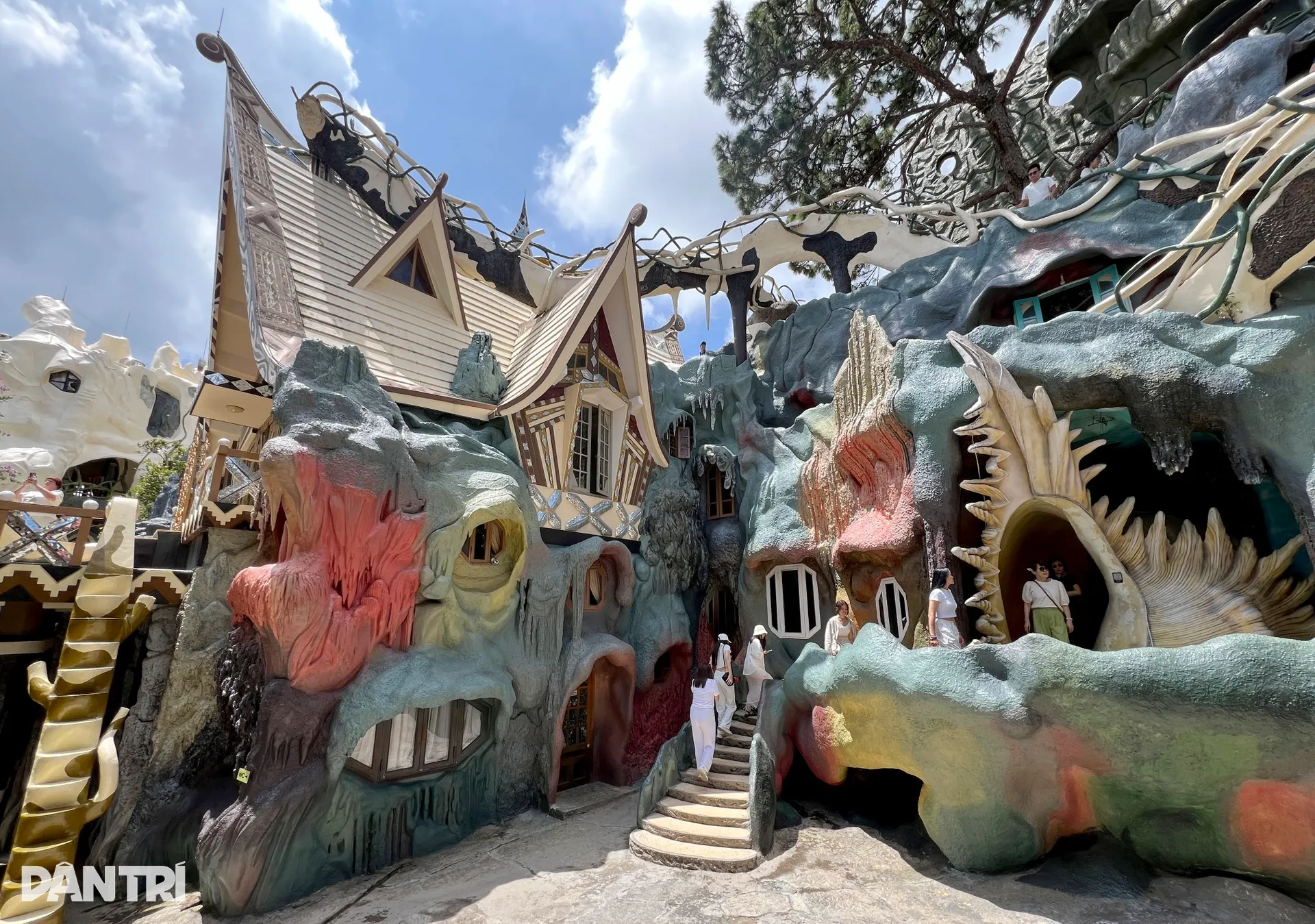
Dalat Crazy House

Rice Paper Factory (Mekong Delta)

Cai Rang Floating Market
Ho Chi Minh City: The gateway of energy and culture (2-3 days)
Formerly known as Saigon, Ho Chi Minh City is Vietnam’s beating heart: a blend of history, innovation, and relentless motion. Travelers can admire French colonial landmarks such as the Notre-Dame Cathedral and Central Post Office, wander through Ben Thanh Market, or dive into the city’s buzzing street-food scene where every corner tells a story. Despite tropical rains that may fall suddenly and fade just as fast, the city remains alive day and night with rooftop bars, museums, art galleries, and café culture capturing its ever-evolving spirit.
Phu Quoc: The paradise of the sea (stay as long as you can!)
Phu Quoc Island, Vietnam’s largest island, is a tropical paradise that captivates international travelers with its stunning landscapes, vibrant culture, and endless activities. The island is famous for its pristine beaches where soft white sand meets turquoise waters, perfect for sunbathing, swimming, or capturing breathtaking sunsets.
For those seeking adventure, Phu Quoc offers snorkeling and diving in coral-rich waters, kayaking along hidden coves, and boat trips to smaller surrounding islands. Phu Quoc also provides a rich cultural and culinary experience. Tourists can visit traditional fishing villages to see daily life by the sea, explore pepper farms, or learn about the island’s renowned fish sauce production. Night markets in Duong Dong offer a vibrant atmosphere, where visitors can taste fresh seafood, tropical fruits, and local delicacies while shopping for handmade crafts and souvenirs.

Ho Chi Minh City
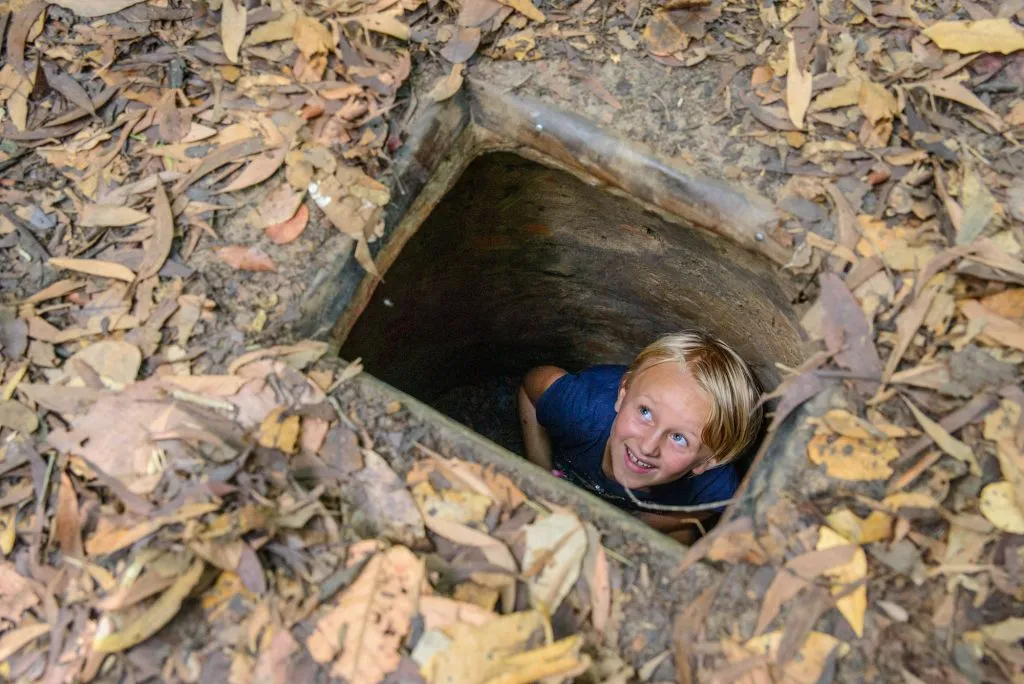
Cu Chi Tunnels

Phu Quoc
Travel tips during the typhoon season in Vietnam
Traveling to Vietnam during the rainy months does not mean your trip will be ruined. While tropical storms like Typhoon Matmo can bring temporary disruptions, most parts of the country remain safe and enjoyable with a bit of planning. The key is flexibility.
Travelers should always monitor reliable weather updates – Vietnam’s Meteorological and Hydrological Administration provides daily bulletins on the path and strength of each Vietnam typhoon.
Packing smart also helps: bring a light raincoat, waterproof shoes, and a portable umbrella. These small items make sightseeing more comfortable even during unexpected showers.
If typhoon Matmo or another system is forecast to affect your route, adjust your itinerary to explore regions less impacted, such as Phu Quoc, the Mekong Delta, or cultural sites in Central Vietnam.
In case you are already on tour when the weather turns severe, stay indoors in your hotel or seek indoor attractions such as museums, art galleries, or cooking classes. Local guides and hotels are very experienced in handling typhoon season and will often suggest safe alternatives for excursions.
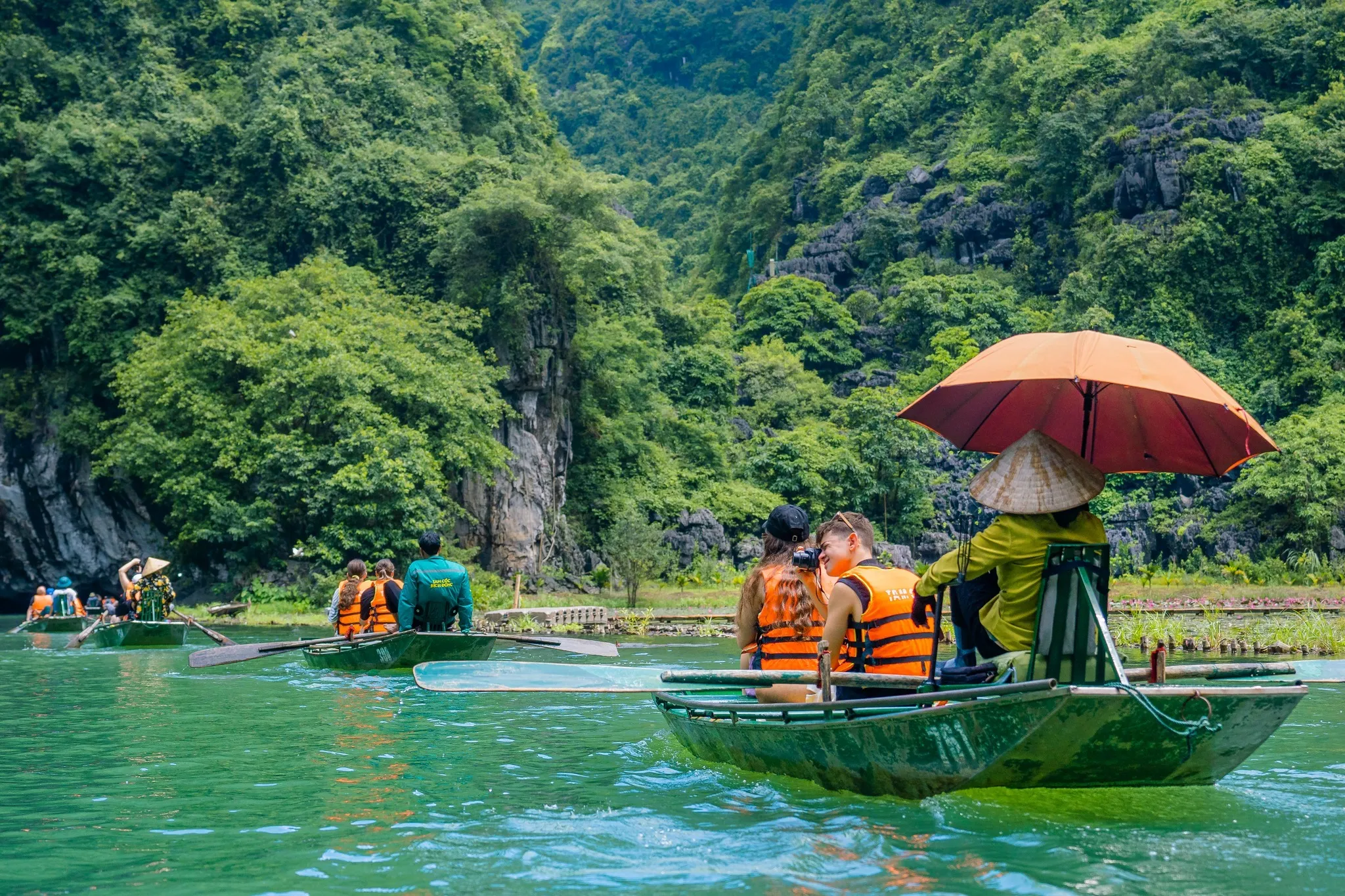
Ninh Binh
Frequently Asked Questions (FAQ)
1. Is it safe to travel to Vietnam during the typhoon season?
Yes. While typhoons occasionally affect Northern Vietnam (and sometimes Central Vietnam) between August and October, most of the country, especially Southern regions, remains safe and fully accessible. With flexible planning and updated weather information, your trip can go smoothly.
2. Which parts of Vietnam are least affected by Typhoon Matmo and other typhoons?
Southern Vietnam is generally less impacted. Destinations such as Mui Ne, Da Lat, Ho Chi Minh City, the Mekong Delta, and Phu Quoc experience mild or localized rainfall but rarely face severe storms.
3. What should I pack when traveling to Vietnam during the rainy season?
Light, quick-drying clothing, a compact raincoat or umbrella, waterproof shoes, and a dry bag for electronics are essential. Even during short rain showers, these items keep sightseeing easy and comfortable.
Conclusion
Traveling during the rainy season in Vietnam can sound daunting, especially when international headlines highlight systems like typhoon Matmo. But in reality, these events often impact only certain regions, while large parts of the country, from the Mekong Delta to Phu Quoc Island, remain calm and welcoming. By staying updated with reliable weather reports, keeping your plans flexible, and trusting local travel operators, you can turn potential disruption into an opportunity to discover unique cultural and natural experiences. Rather than canceling your trip, see it as a chance to explore Vietnam beyond the usual paths, with fewer crowds and a richer local atmosphere. Your journey can remain both safe and unforgettable, even when typhoon Matmo is part of the season’s backdrop.
At Travel Sense Asia, we continuously monitor weather conditions and cooperate with trusted local partners to provide up-to-date information and flexible itineraries. Whether you’re planning a cultural tour or a beach escape, our priority is ensuring safe travel experiences in Vietnam, no matter the season.