







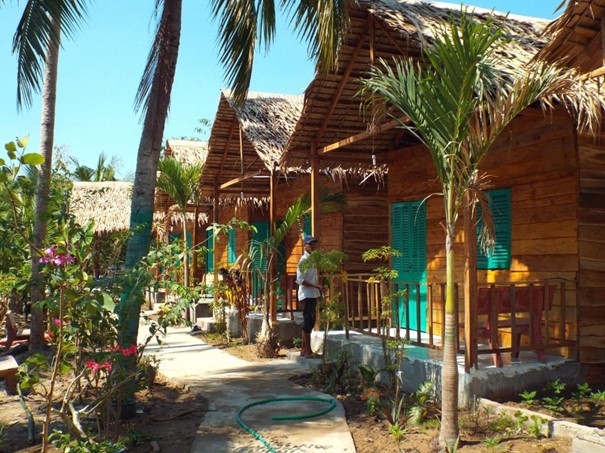
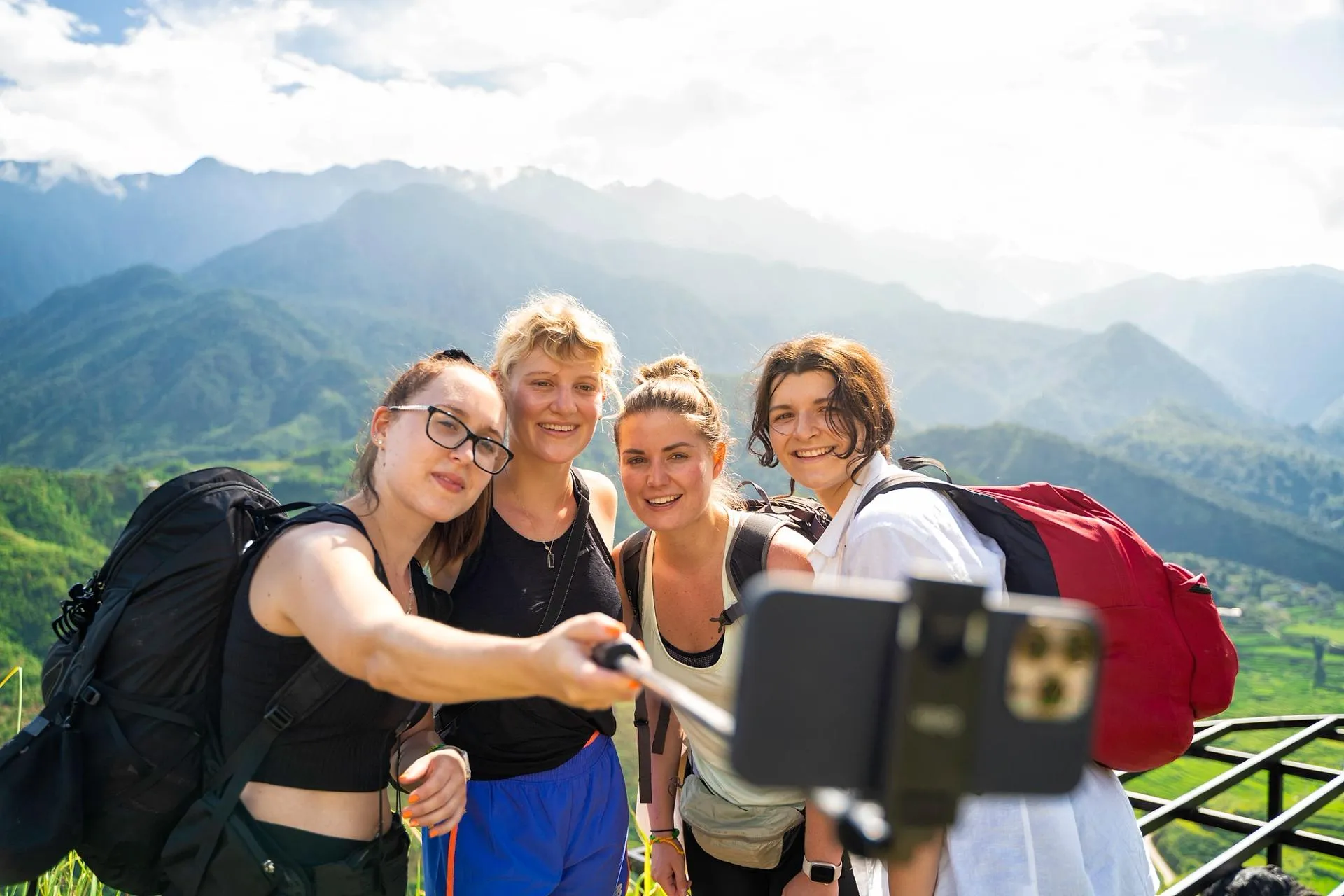
Stretching over 1,600 kilometers from north to south, Vietnam is a country where climate changes dramatically from one region to another. From the four-season rhythm of the north to the tropical warmth of the south and the sun-soaked islands offshore, choosing the best times to visit Vietnam can significantly shape your travel experience.
While Vietnam can be visited year-round, not all months offer the same balance across the entire country. This is where March and April truly stand out. These two months mark a rare transition period when weather conditions stabilize nationwide, landscapes turn vibrant, and travel becomes both enjoyable and efficient.
Why are March and April the best times to visit Vietnam?
Ideal weather conditions across Vietnam in March and April
One of the key reasons why March and April are often considered the best time to visit Vietnam is the overall balance of weather conditions throughout the country. These two months fall between seasonal transitions, creating a short but highly favorable window when travel is comfortable from north to south.
Northern Vietnam in March and April
In northern Vietnam, including Hanoi, Ha Giang, and Ha Long Bay, temperatures are mild, humidity remains relatively low, and skies are clearer compared to January and February, when fog and drizzle are common. At the same time, this period comes just before the intense heat and heavier rainfall that usually arrive from late May onward, making March and April ideal for outdoor activities such as trekking, cycling, and scenic cruising.

Central Vietnam in March and April
In central Vietnam, destinations like Phong Nha, Hue, and Hoi An benefit from the end of the rainy season. Rainfall decreases significantly, while sunshine becomes more consistent. Compared to the months before, when weather can still be unpredictable, and the months after, when summer heat intensifies, March and April offer the most comfortable conditions for exploring heritage sites, walking through ancient towns, and enjoying the coastline.

Southern Vietnam in March and April
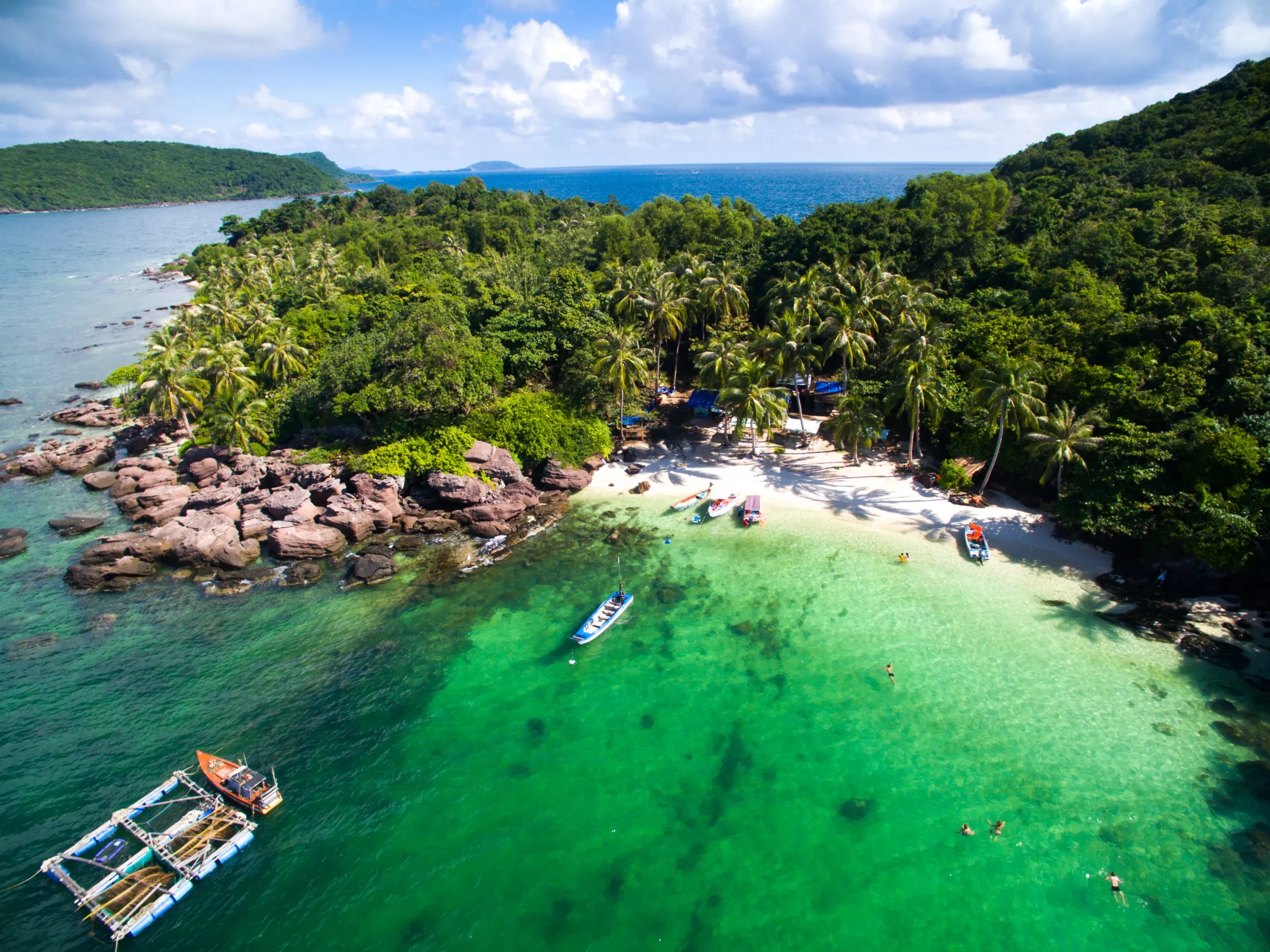
In southern Vietnam and the islands, including Ho Chi Minh City and Phu Quoc, the dry season continues during March and April. Although temperatures in Vietnam in March are warm, humidity is generally lower than in late April and May. Sea conditions are calm, which is ideal for beach stays, snorkeling, and boat trips in the Mekong Delta. Overall, few months allow such smooth and reliable travel across all three regions at once.
March and April in Vietnam are a bit quieter and less crowded
It is important to note that March and April are still part of Vietnam’s international high travel season. However, compared to the peak periods around Christmas, New Year, and the Lunar New Year (Tet), these months are slightly less crowded.
By March, domestic travel slows down after Tet, while international visitor numbers remain steady but more evenly spread. This results in a more relaxed travel atmosphere: popular attractions feel less congested, accommodation availability improves, and daily sightseeing becomes more enjoyable. For travelers who appreciate a balance between lively destinations and personal space, March and April offer the best compromise – busy enough to feel vibrant, yet calm enough to explore at a comfortable pace.
Vibrant traditional festivals in Vietnam during March and April
March and April are also an excellent time to experience Vietnam’s traditional cultural life, as many important festivals take place during the spring season.
One of the most significant events is the Hung Kings’ Temple Festival (Giỗ Tổ Hùng Vương), usually held in early April. This national celebration honors the legendary founders of Vietnam and is marked by ceremonial processions, traditional performances, and local pilgrimages, particularly in northern Vietnam. It offers travelers a deeper understanding of Vietnamese history and national identity.
In addition, village festivals around Hanoi reach their peak during March and April. These local celebrations often include folk games, traditional music, communal rituals, and religious ceremonies held in village temples and communal houses. Unlike large-scale tourist events, these festivals reflect everyday cultural traditions and provide visitors with a rare opportunity to witness authentic local life in the Red River Delta.


Destinations in Vietnam you should visit in March and April
March and April allow travelers to explore Vietnam in depth, combining iconic landmarks with seasonal experiences that are best enjoyed in spring. From the north to the islands, the following destinations offer particularly rewarding activities during this time of year.
Hanoi
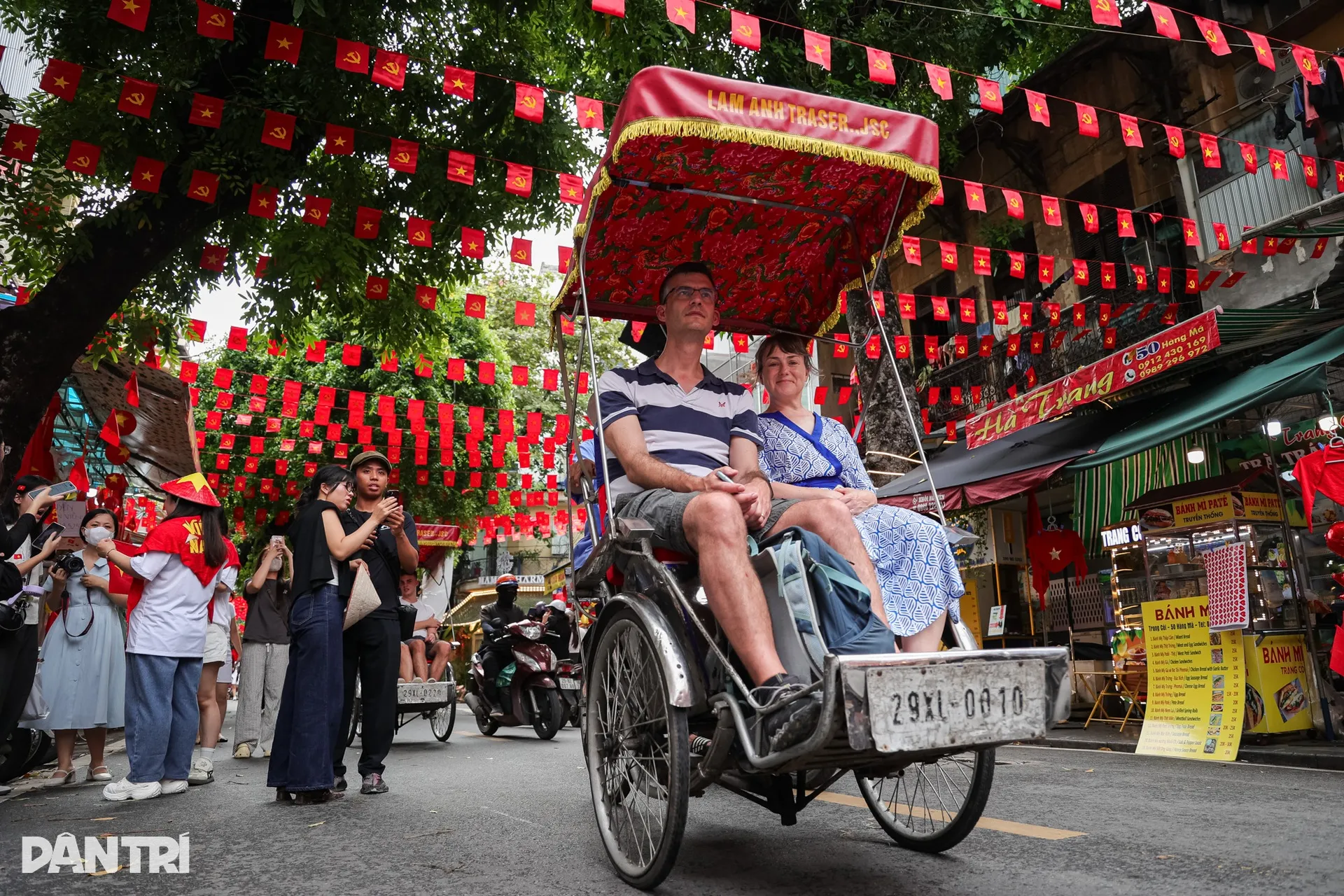
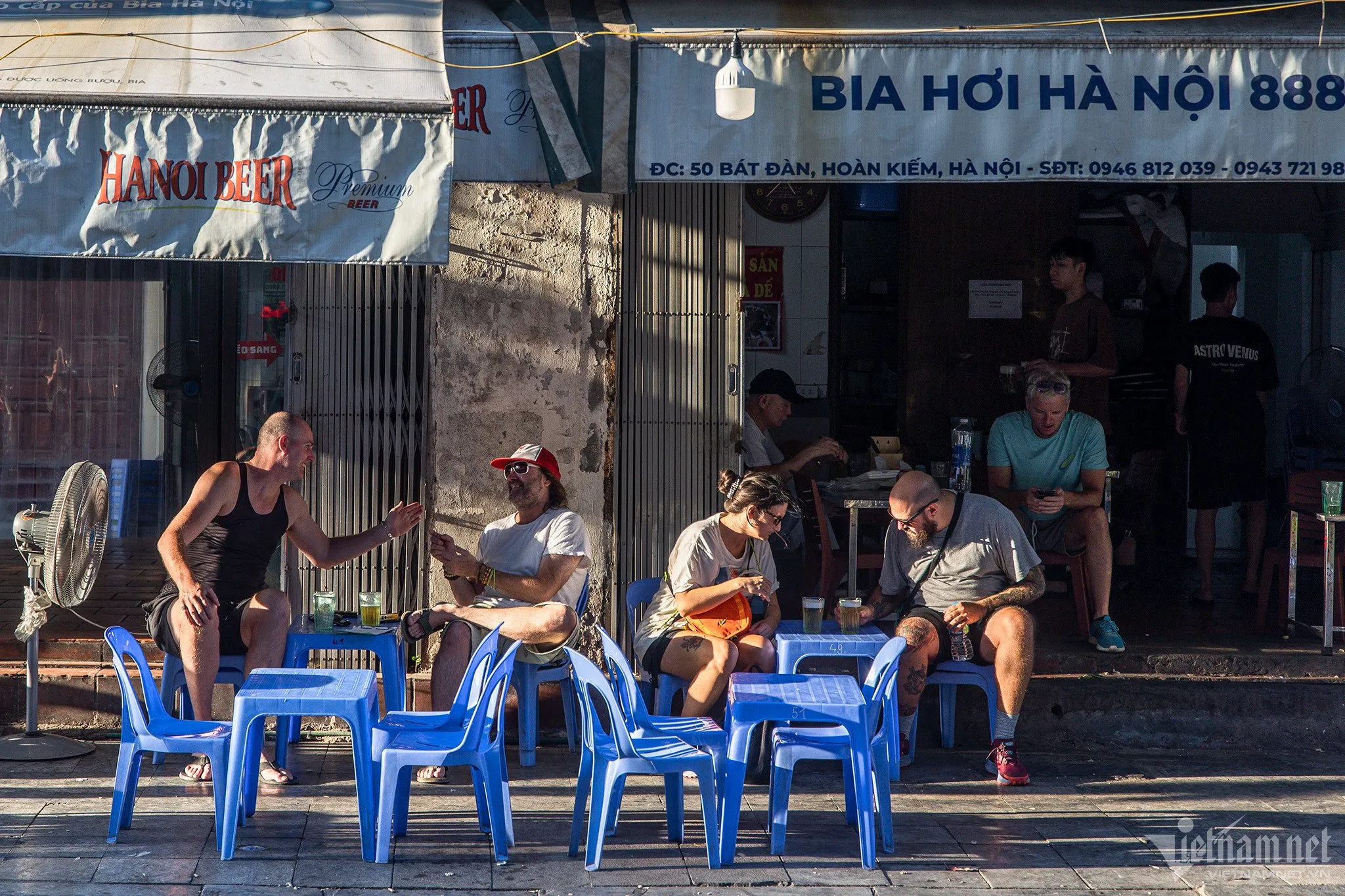
Spring is the most charming season in Hanoi. Mild temperatures make it ideal for walking around Hoan Kiem Lake, exploring the narrow streets of the Old Quarter, and visiting cultural landmarks such as the Temple of Literature and Ho Chi Minh Mausoleum Complex. March and April are also perfect for enjoying Hanoi’s café culture and sampling street food at a relaxed pace, without the humidity of summer.
Ha Giang
Ha Giang is at its scenic best in early spring. Clear skies enhance views along the legendary Ha Giang Loop, including mountain passes like Ma Pi Leng Pass. Travelers can trek to ethnic minority villages, explore the Dong Van Karst Plateau, and photograph dramatic landscapes without the rain and mist common in other seasons.
Note: As of July 2025, Ha Giang has been administratively merged into Tuyen Quang Province. The region is still commonly referred to as Ha Giang in travel contexts.
Mai Chau
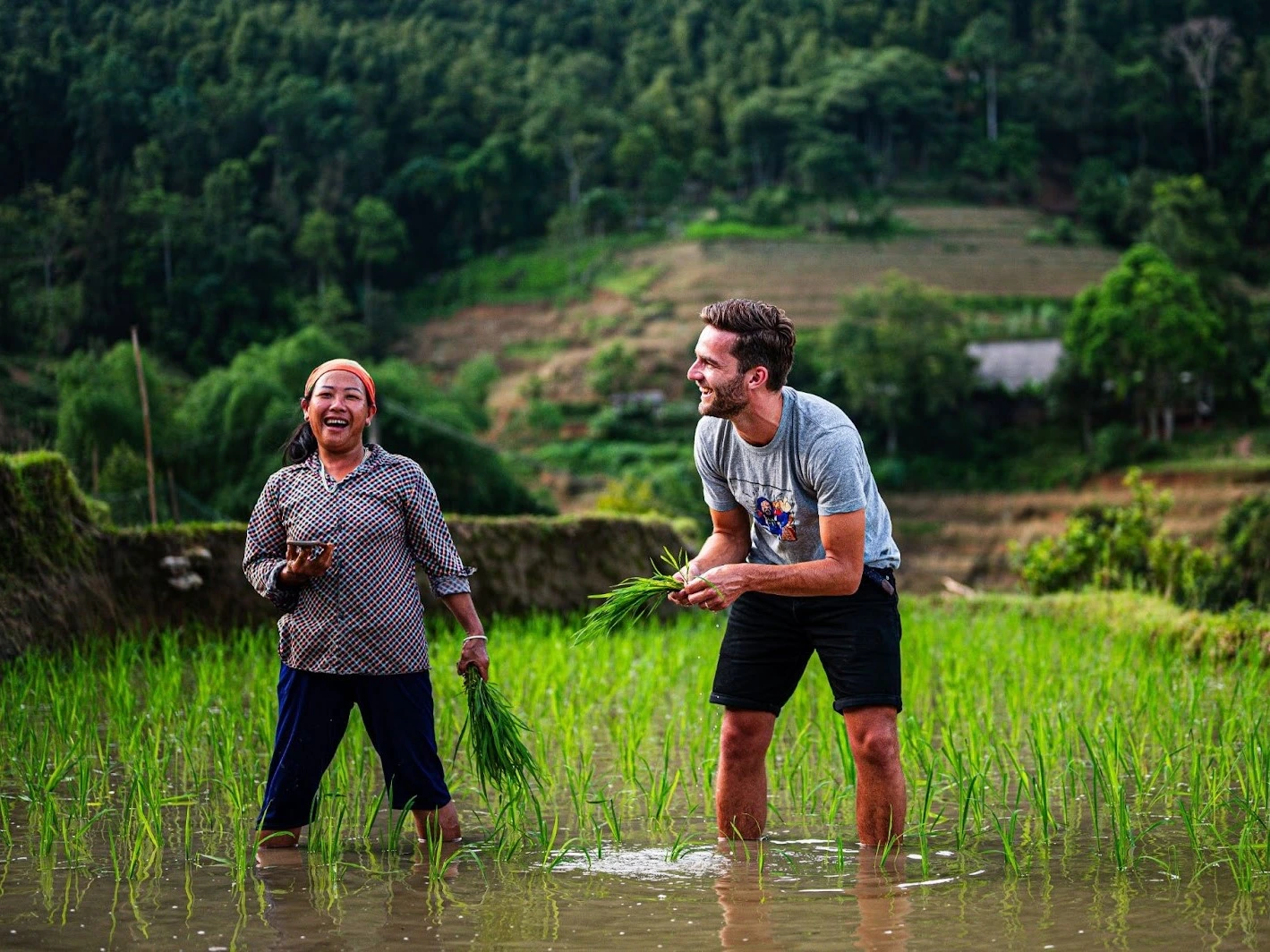
In March and April, Mai Chau’s valleys are green and peaceful. Cycling through Thai ethnic villages, walking among rice fields, and staying in traditional stilt houses are particularly enjoyable in the mild climate. This is also a great time for cultural interaction and slow travel, away from mass tourism.

Ninh Binh
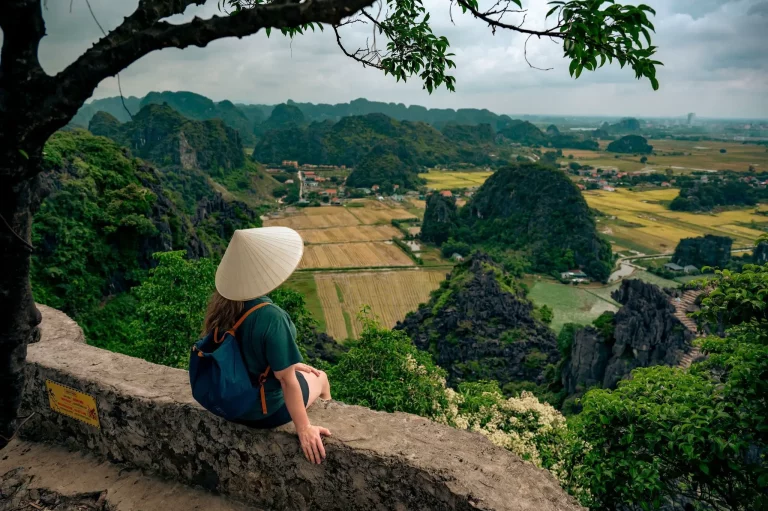
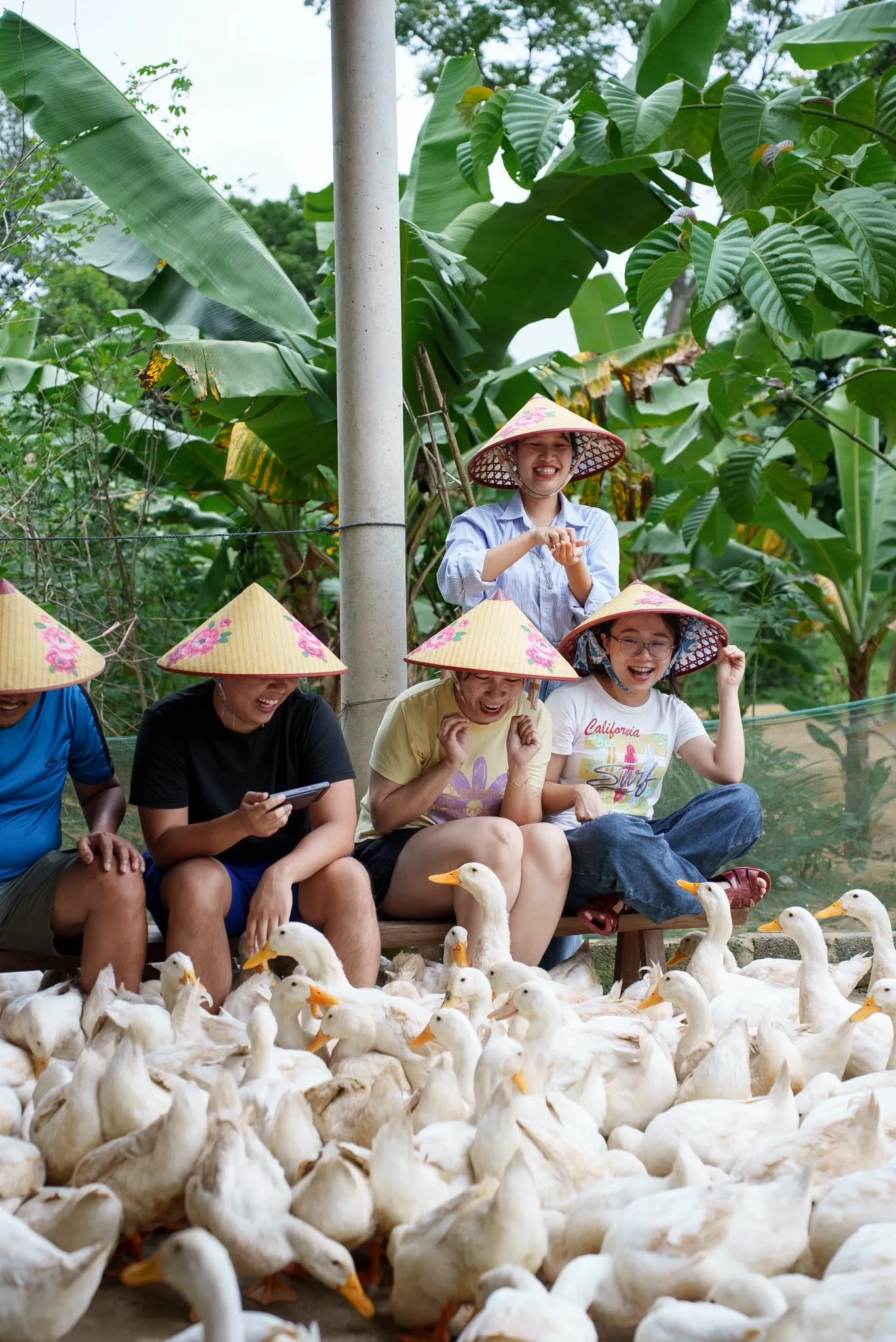
Ninh Binh is ideal for spring exploration. Boat rides in Tam Coc or Trang An are comfortable under gentle sunlight, while cycling through rural landscapes offers stunning limestone scenery. Visitors can also climb to Hang Mua Viewpoint for panoramic views, which are especially clear in March and April.
Ha Long Bay
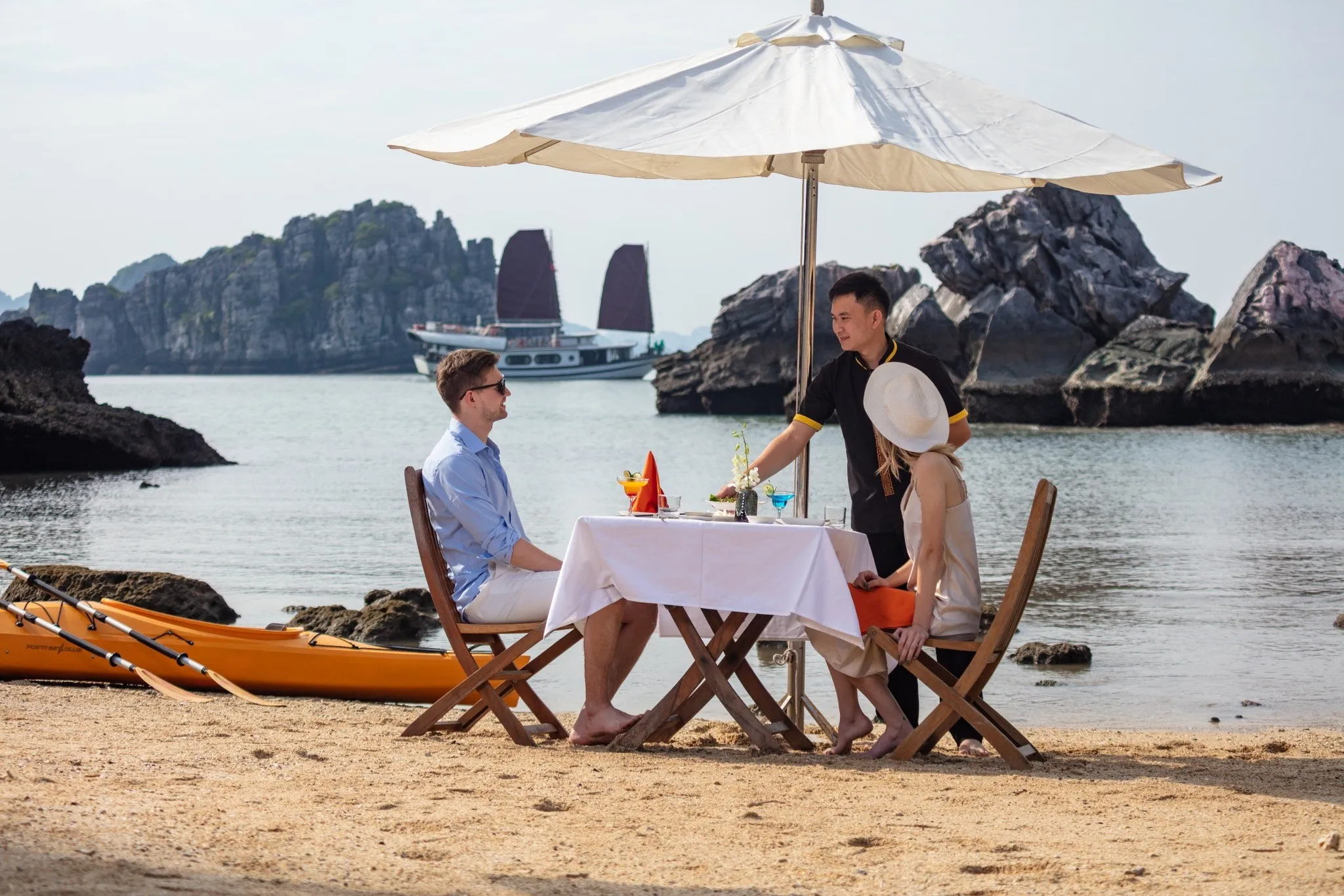
March and April offer some of the best cruising conditions in Ha Long Bay. Calm seas and improved visibility make activities such as kayaking among limestone islands, visiting floating villages, and enjoying overnight cruises more enjoyable than during foggy winter months or stormy summer periods.
Phong Nha
Phong Nha–Ke Bang National Park becomes fully accessible during the dry season. March and April are perfect for exploring famous caves such as Phong Nha Cave and Paradise Cave, as well as adventure activities like jungle trekking, cycling, and river kayaking along the Son River.


Hue
Hue’s imperial heritage is best explored on foot or by bicycle during spring. Visitors can walk through the Imperial Citadel, visit royal tombs along the Perfume River, and explore historic pagodas such as Thien Mu Pagoda without the intense summer heat. The calm spring atmosphere enhances Hue’s historical depth.
Hoi An
Hoi An shines in March and April as dry weather returns. Travelers can wander through the Ancient Town, admire lantern-lit streets in the evening, and relax on nearby beaches such as An Bang Beach. Spring is also ideal for cooking classes, countryside cycling tours, and river activities.
Dak Lak (Central Highlands)
In Dak Lak, spring brings comfortable temperatures and lush landscapes. Visitors can explore coffee plantations, visit Buon Don villages, and experience the cultural traditions of ethnic minorities. Waterfalls such as Dray Nur and Dray Sap are accessible and scenic during this season.



Quy Nhon
Quy Nhon is a hidden coastal gem best enjoyed before summer crowds arrive. March and April are ideal for relaxing on beaches like Ky Co and Bai Xep, snorkeling in clear waters, and exploring Cham ruins such as Thap Doi Twin Towers. The city offers a quieter seaside experience compared to more famous beach destinations.
Ho Chi Minh City
In Ho Chi Minh City, March and April provide stable weather for urban exploration. Visitors can explore historical sites such as the War Remnants Museum, Notre-Dame Cathedral, and Ben Thanh Market, as well as take food tours and day trips to the Mekong Delta. The city’s energy is vibrant yet manageable before peak humidity sets in.
Phu Quoc
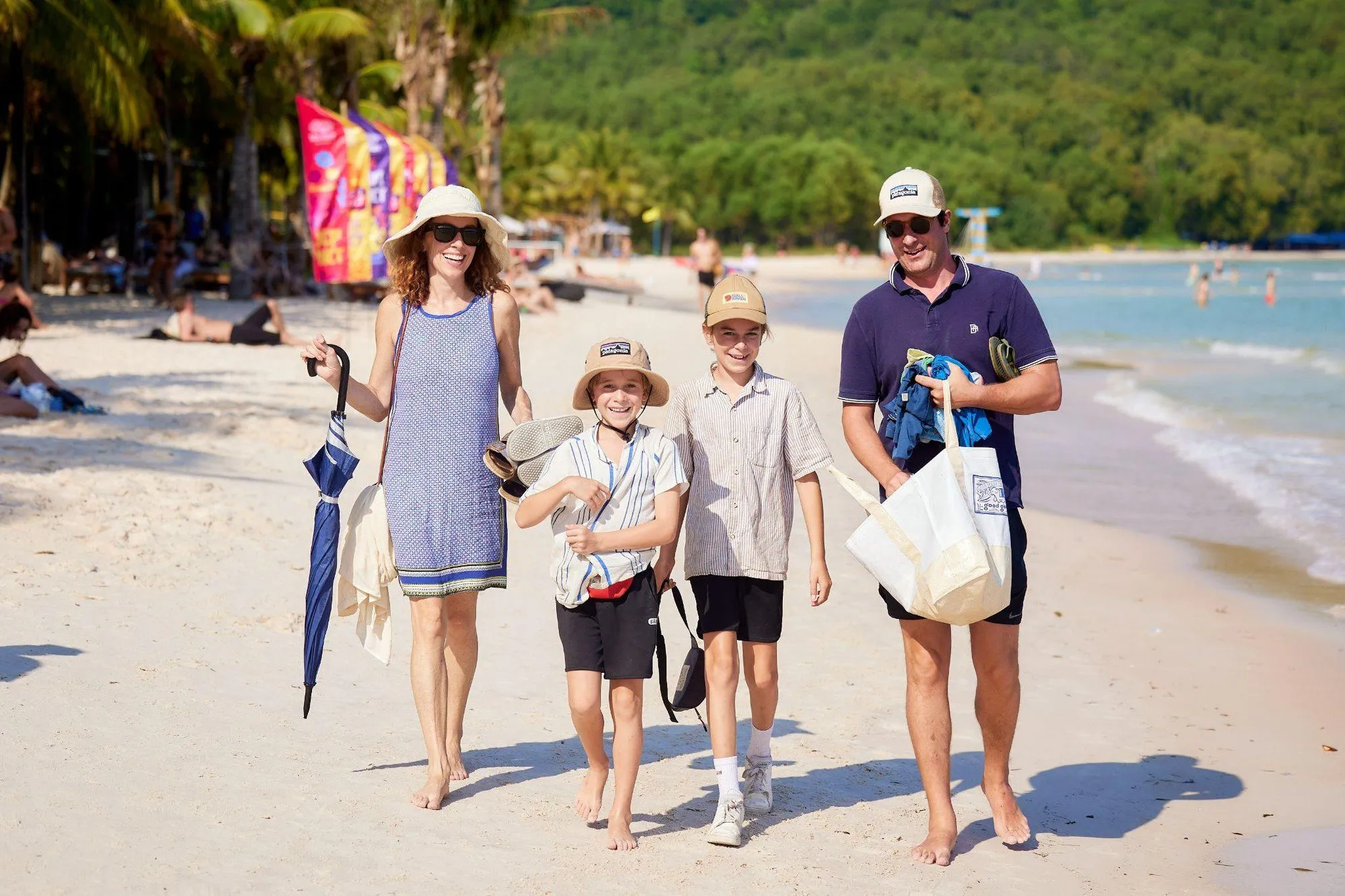
Phu Quoc is fine during March and April. Clear skies and calm seas create ideal conditions for snorkeling, island hopping, and beach relaxation at places like Sao Beach and Ong Lang Beach. Sunset views, night markets, and marine activities are especially enjoyable before the monsoon season begins.


Notes and tips for traveling to Vietnam in March and April
Layered clothing: Although the weather is generally warm, the north can experience cool evenings, especially in the mountains. Bring a light jacket.
Sun protection: The spring sun in Vietnam can be very strong, even if the breeze is cool. Sunscreen and a hat are essential.
Reservations: Since it’s still high season, it’s advisable to book domestic flights and luxury hotels well in advance.
Holidays in April: Keep in mind that the end of April coincides with Reunification Day. Beach resorts can become very crowded with local tourists in the final days of April.
Frequently Asked Questions (FAQ) – Travel Guide in Vietnam
Q: Are March and April really the best times to visit Vietnam?
Absolutely. Vietnam in March and April offers the most consistent weather nationwide, minimizing the risk of rain or intense cold, making it ideal for first-time visitors.
Q: What’s the difference between visiting Vietnam in March and Vietnam in April?
Vietnam in March is generally a little cooler in the north and less humid in the south. Vietnam in April sees slightly warmer temperatures, perfect for those who want to spend more time on the beaches in central and southern Vietnam.
Q: Is it possible to swim in the sea in Vietnam in March?
Yes, in central and southern Vietnam, the water temperatures are already warm and inviting. In the north (Ha Long Bay), the water may still be a little cool, but perfect for those who enjoy swimming in rejuvenating waters.
Q: Are there typhoon risks in Vietnam in March and April?
No, this period has historically been very safe. Typhoon season usually starts much later in the year, so March and April are among the best times to visit Vietnam safely.
Q: What festivals can I see in Vietnam in April?
The most important festival in Vietnam in April is the Hung Kings Festival, but there are also many local celebrations in northern villages that offer a unique glimpse into ancestral traditions.
Q: Is it easy to find accommodation in Vietnam in March and April?
Although it’s the high season, availability is better than during Christmas or Tet. However, for luxury resorts and the most exclusive boutiques, we always recommend booking in advance through your trusted travel agent.
Final thoughts
Choosing the best times to visit Vietnam can transform a simple itinerary into a legendary epic. Thanks to its rare climatic harmony, rich festivals, and lush natural beauty, Vietnam in March and April offers the perfect balance for discovering the country in all its splendor.
To experience this magic with complete peace of mind and the guarantee of an authentic experience, rely on the expertise of Travel Sense Asia. We specialize in creating tailor-made trips, designed to satisfy the desires of the most discerning travelers who seek excellence in every detail. Whether you dream of trekking among ethnic minorities or an exclusive beach getaway, our team is ready to transform your dreams into an unforgettable itinerary.
Start planning your Vietnam adventure in March and April today: contact the experts at Travel Sense Asia for a personalized consultation.