







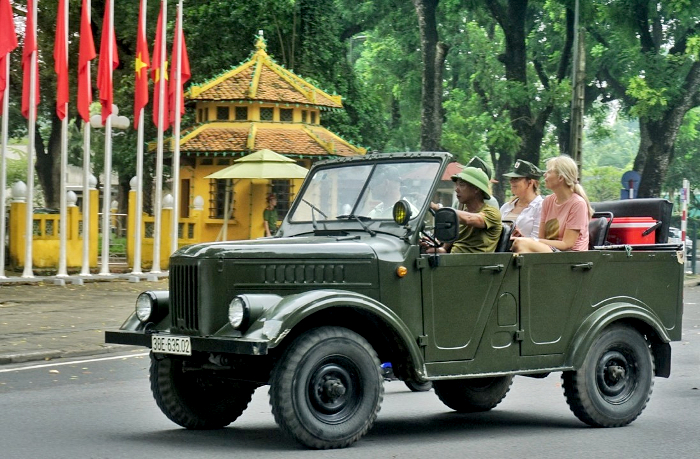
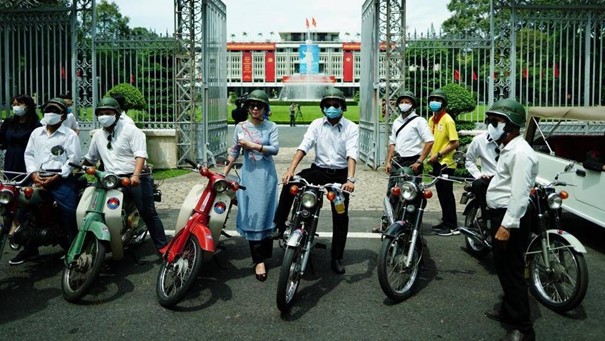
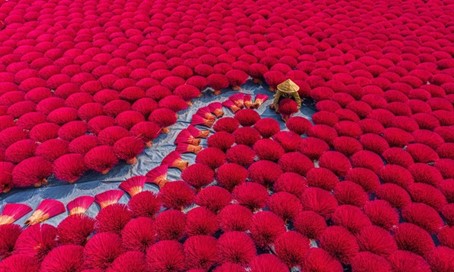
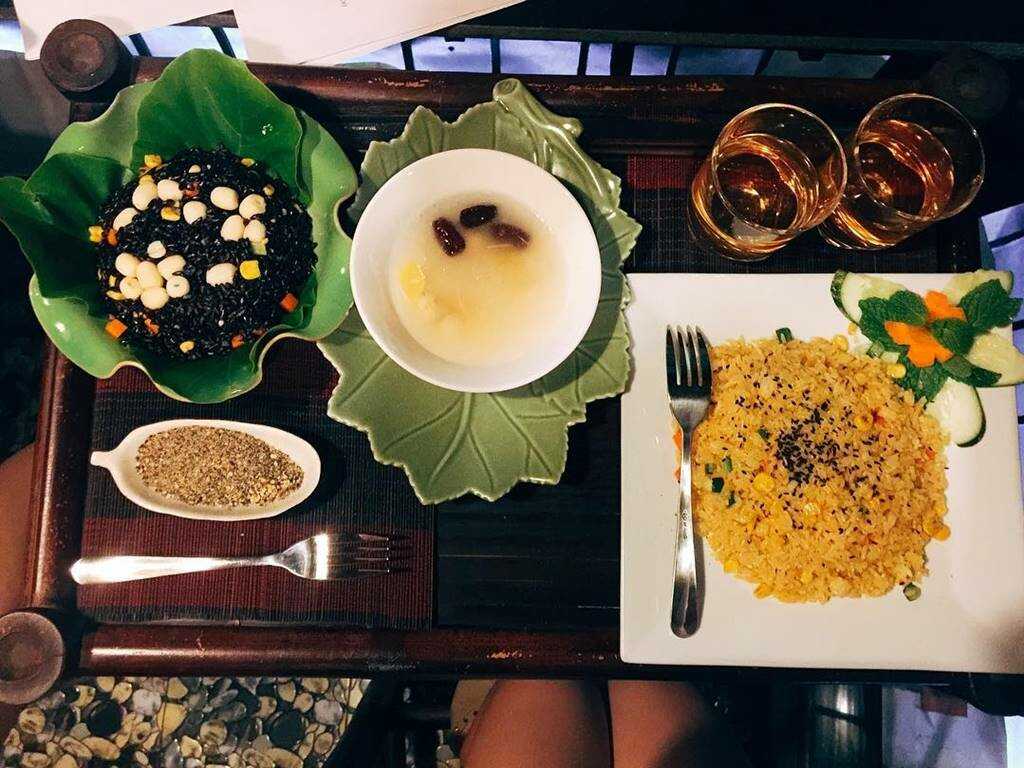
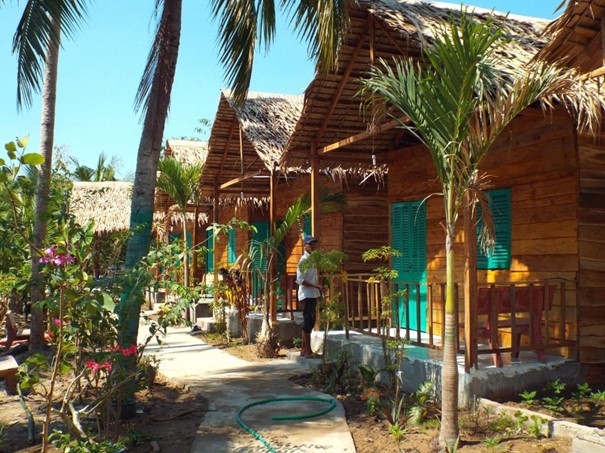
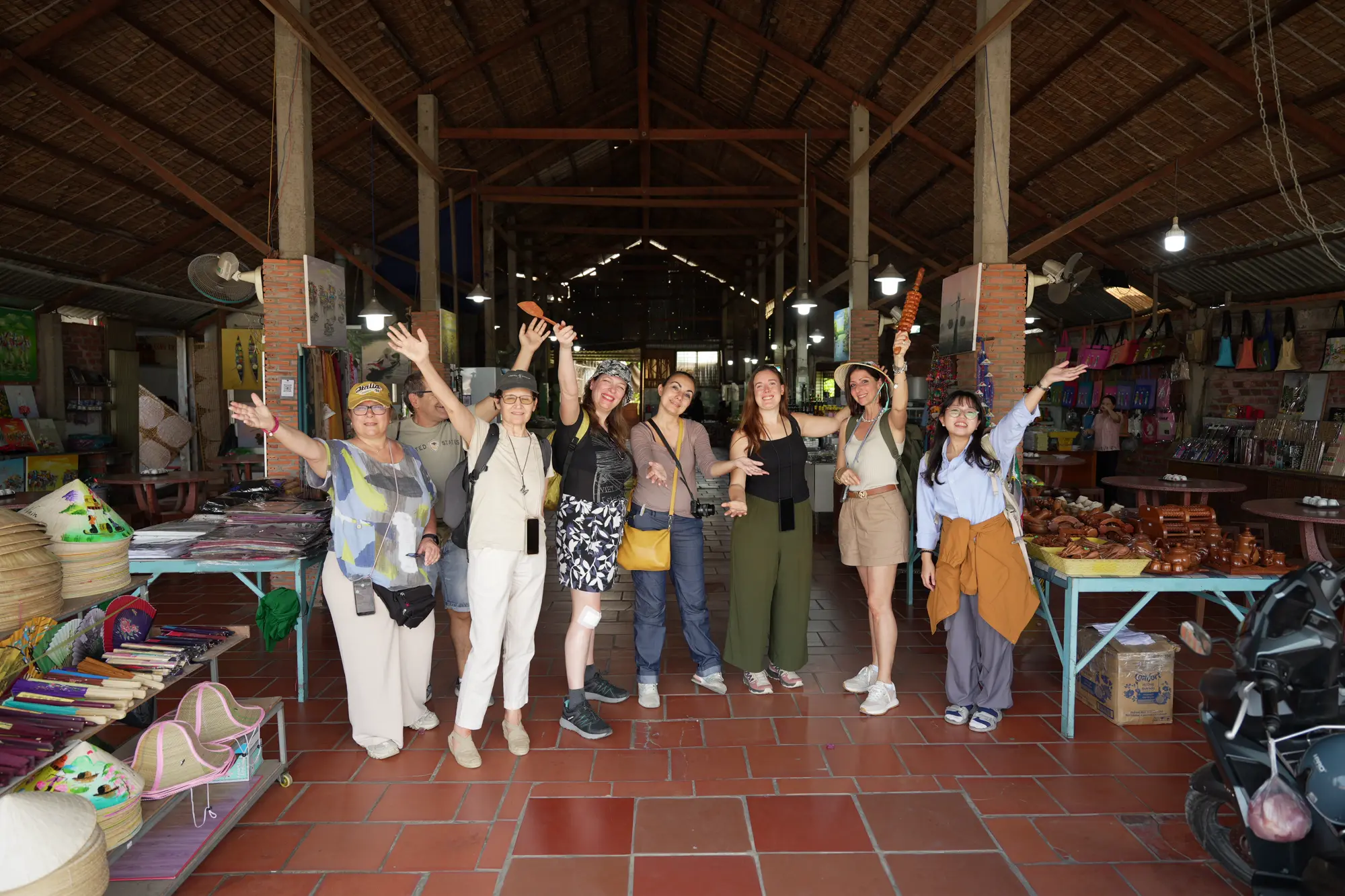
After exploring the Central region, our journey reached its final stop. Our group of Italian travel writers took a short flight and landed in the South of Vietnam.
The contrast was immediate. The South of Vietnam is a vibrant mix of opposites. It is the relentless, modern energy of a booming metropolis, standing right next to the slow, gentle, and rural life of the Mekong Delta. In this final part of 10 days in Vietnam, we invite you to read the honest reviews, emotional reflections, and cultural discoveries written directly by our Italian guests.
Meet the storytellers during 10 days in Vietnam
Before we explore the busy streets of Saigon, let’s quickly remember the lovely people who are sharing this journey with us:
1. Paola Bertoni (Paola in Viaggio | Instagram) A single mother and student pilot who is always looking for true freedom and adventure.
2. Cristina & Marcello (Vi do il Tiro | Instagram) A lovely couple married since 1988. They have traveled the world for decades and know exactly what makes a trip special.
3. Marina (The Travelling Petsitter | Instagram) She grew up taking luxury trips but now travels the world as a pet-sitter to find real local experiences.
4. Veronica (Oggi dove andiamo? | Instagram) A kind-hearted woman from Liguria, Italy, who loves responsible travel and helping others.
5. Annalisa (Tre Valigie | Instagram) A marketing expert who plans family trips and looks at the world with the caring eyes of a mother.
6. Marina Loblundo (Maraina in Viaggio | Instagram) An archaeologist who loves history and knows everything about tea culture.
A warm welcome in Ho Chi Minh City: Winsuites Saigon Hotel
Arriving in Ho Chi Minh City (which many locals still lovingly call Saigon) in the evening is an amazing experience. Cristina and Marcello were very surprised when they stepped out of the airport. They immediately saw a modern, fast-moving city. The sky was filled with tall, glowing buildings, and the streets looked like a river of motorbike lights.
To give our writers a perfect place to rest in this busy city, Travel Sense Asia booked them into the beautiful Winsuites Saigon Hotel. The hotel is located right in the heart of District 1, the most central area of the city. Because of this great location, our writers could easily walk to famous places like the Ben Thanh Market. They did not have to worry about finding taxis; everything was just a few steps away.
Winsuites Saigon has elegant design, mixing classic European style with modern comfort. But the absolute best part of the hotel is on the top floor. The hotel has a stunning rooftop infinity pool and a stylish Sky Bar. Swimming in that pool while looking down at the busy streets of Saigon, with a cold drink in hand, was the perfect way for the writers to relax. It felt like a quiet luxury island floating above the noisy city.

Saigon’s city views from the rooftop pool at Winsuites
First taste of the South: Ben Nghe Street Food Market
After putting their bags in their beautiful rooms, the group felt hungry. They didn’t want to take a boring, formal restaurant but the real energy of Saigon at night. So, they walked together to the Ben Nghe Street Food Market.
The market is full of small food stalls cooking fresh food right in front of you. The smell of grilled pork, fresh herbs, and hot soup was everywhere. The writers could buy small bowls of steaming noodles, crispy spring rolls, and fried rice all in one place. Sitting on simple chairs, surrounded by locals and other travelers, they truly felt the authentic heart of Vietnamese street food.

The writers tried many local dishes in Ho Chi Minh City
A TASTE OF VIETNAM
From savory Pho to crispy Banh Mi, discover the top 15 must-try dishes that make Vietnam a food lover’s paradise.
Day 10: The Mekong Delta – Cai Be and Tan Phong Island
The next morning, we left the skyscrapers behind. Accompanied by our local guide, Tania, we took a private transfer for about two and a half hours south to reach Cai Be. This small town is one of the main doors into the famous Mekong Delta.
Paola loved this drive. She noticed how quickly the scenery outside the window changed. The concrete city disappeared, and suddenly, everything was green. The fast, loud city life turned into a slow, peaceful, tropical world.
The magic of local crafts: Rice paper, pop rice, and coconut candy
Our Mekong experience did not start with big tourist attractions, but with small, family-run workshops. We boarded a motorboat to explore the main waterways and stopped at local houses. The Italian writers were amazed at how genius the people were. They do not use big, expensive machines. They make beautiful, delicious things using simple tools and skills passed down from their parents.
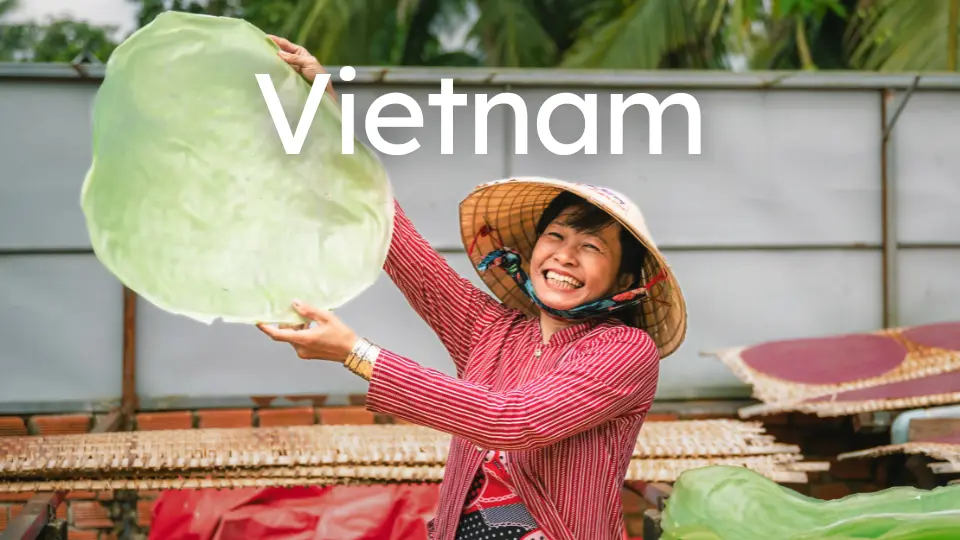
First, we watched a local woman make rice paper. This is the thin paper used to make spring rolls. Her tool was just a simple tin can with holes punched in the bottom. She poured a white liquid mixture (made of rice flour and water) into the can. Then, she quickly moved the can in a zigzag shape over a hot piece of cloth that was placed over boiling water. The hot steam cooked the liquid in just a few seconds. Using a bamboo stick, she carefully lifted the delicate, round sheet of rice paper and put it on a woven mat to dry in the sun. The writers even got to try making it themselves, and it was a lot harder than it looked!

Making traditional rice paper requires incredible skill and patience.

The traditional coconut candy made in Mekong Delta
Later we came to a house making coconut candy. The locals boiled fresh coconut milk and natural malt sugar in a large pan for a very long time. The mixture became thick, sticky, and smelled amazing. Then, they put the thick caramel on a table, cut it into small, perfect squares, and wrapped each piece in a special kind of rice paper that melts in your mouth. It is very interesting that the locals waste absolutely nothing. Every single part of the coconut is used. The meat is for the candy, the shell is used for the fire, and the leftover parts are used for farming.
Nearby, we also saw the making of pop rice, the local version of popcorn. A man was standing over a huge, black metal pan over a hot wood fire. But he didn’t use oil. Instead, the pan was filled with black river sand! When the sand was extremely hot, he threw whole grains of rice into it and stirred very fast. The heat made the rice grains explode into fluffy white pieces. After that, he used a special net to separate the white pop rice from the black sand. Finally, the pop rice was mixed with a sweet, sticky sugar syrup. It was crunchy and delicious.

A corner of the pop-rice processing area
EXPERIENCE THE MEKONG DELTA
Immerse yourself in the rustic charm and fascinating traditional crafts of Vietnam’s southern waterways.
Rowing boats and lunch at Mekong Lodge
After the workshops, we said goodbye to our big motorboat. We stepped into very small, wooden rowing boats. Local women, wearing traditional conical hats (Nón Lá) to protect themselves from the sun, rowed the boats for us. Paola appreciated this moment:
“This change of pace makes the experience more immersive, as the atmosphere becomes quieter and more intimate. While navigating, the scenery shifts noticeably, with water hyacinths, palm trees, and shaded passages creating a more enclosed environment.”
By lunchtime, everyone was hungry. We stopped at the Mekong Lodge, a beautiful eco-resort built right next to the river. The place is surrounded by nature and feels very relaxing. Here, the group had a fantastic meal. The star of the lunch was the famous “Elephant Ear Fish.” This is a big river fish that is fried until the outside is incredibly crispy, but the meat inside stays soft and sweet. The guide showed the writers how to pull the fish meat off, put it on the fresh rice paper (like the one they saw being made earlier), add fresh herbs, roll it up, and dip it in sweet and sour fish sauce. It was a true taste of the Delta.
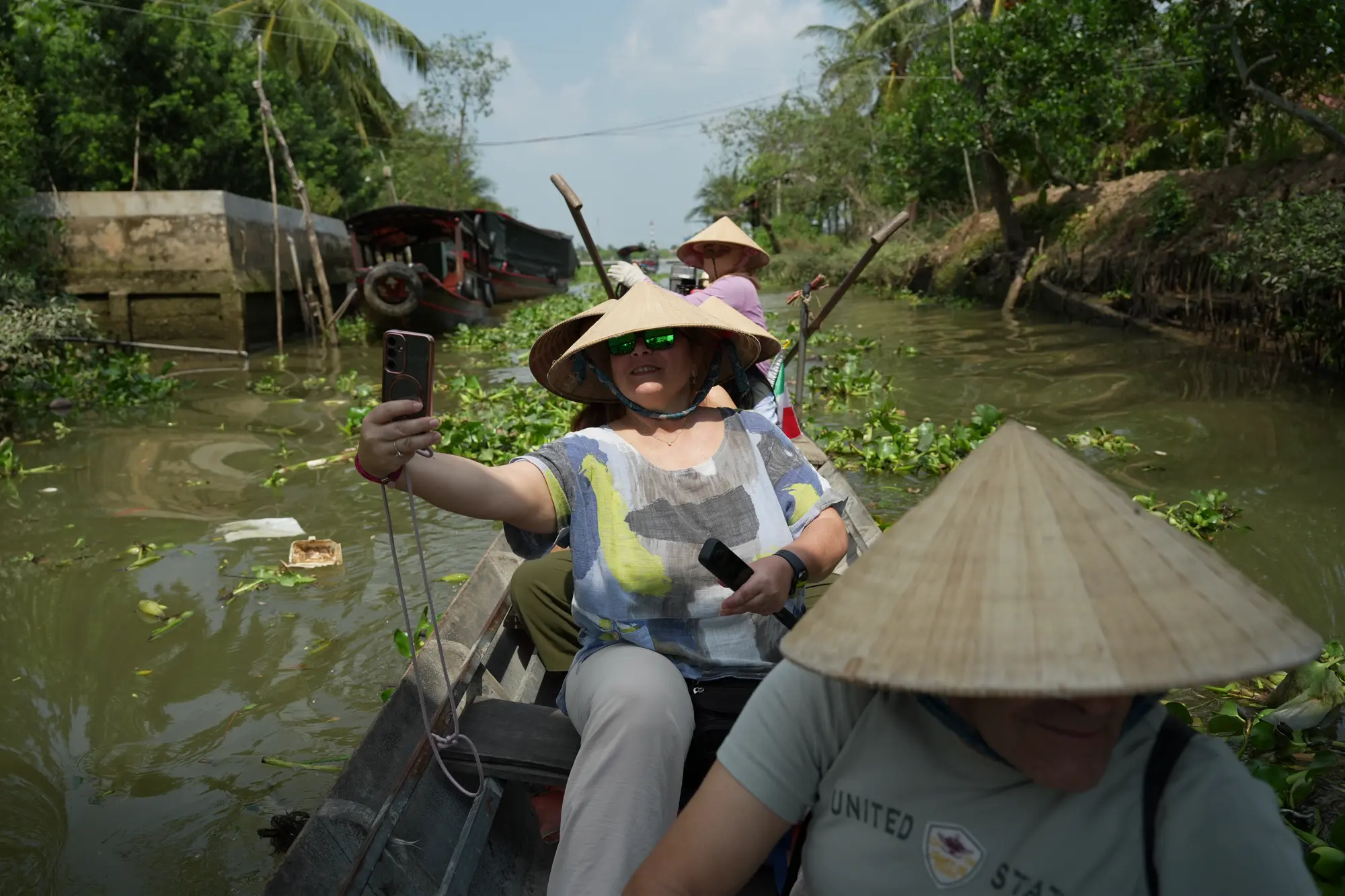
The bloggers thoroughly enjoyed the boat ride through the residential areas
Cycling (and Motorbiking) through Tan Phong Island
In the afternoon, the journey continued to Tan Phong Island. This island is famous for its fruit gardens. The best way to explore this island and see the real daily life of the farmers is by riding a bicycle through the small village paths.

The team navigated the lush, shaded village paths of Tan Phong Island
However, due to an accident that happened a few days earlier in the trip, Paola had hurt her knee slightly. She couldn’t ride a bicycle for a long time. But at Travel Sense Asia, we always adapt to our guests. Our guide quickly arranged a comfortable scooter for Paola. A local driver safely drove her along the same paths while the rest of the group rode their bicycles.
Paola was so happy about it:
“This flexibility made it possible to experience the same route without missing any part of the day, which is one of the advantages of a private tour.”
Whether on a bike or on the back of a motorbike, the group passed through narrow paths lined with tropical fruit orchards and small houses. They saw local schools and small traditional houses. At one stop, they watched local women taking dried water hyacinth (a plant that floats on the river) and weaving it into beautiful bags, hats, and baskets.
But the best parts of the afternoon were the things we didn’t plan. While riding, a local family kindly invited the group into their home to say hello. Further down the road, they saw a family preparing decorations for a traditional wedding. Paola said these real, unscripted moments were her favorite. To end the afternoon, the group sat in a green garden, drank hot tea mixed with local honey, and listened to traditional Southern folk music called Đờn ca tài tử. It was a perfect, peaceful end to their time in the countryside.
Day 11: Ho Chi Minh City Tour & The War Remnants Museum
Our final morning in Vietnam was intense and full of emotions. We dedicated this time to understanding the history and the heart of Saigon.
Saigon Notre Dame, Post Office, and Book Street
After a great breakfast at the Winsuites hotel, the group started the tour at the Notre Dame Cathedral. This beautiful church was built by the French many years ago using red bricks brought all the way from Europe. Cristina noted that even though the church was being repaired and had scaffolding on it, it was still a very strong and beautiful symbol of the city.
Just a one-minute walk from the church is the Saigon Central Post Office. This building is a true masterpiece. It was designed by a team led by Gustave Eiffel, the same famous man who built the Eiffel Tower in Paris. Walking inside feels like stepping into a grand European train station from the 1800s. Cristina and Marcello were amazed that this stunning historical building is not just a museum:
“The interior surprises you with its historical maps, decorated vaults, and elegant details. It is still a functioning post office today, but above all, it is an unmissable attraction.”
Next, the writers took a short, relaxing walk down Nguyen Van Binh Street. Everyone calls this the “Book Street.” It is a lovely street where cars are not allowed. Both sides are full of small bookstores selling novels, history books, and art books. There are also cute cafes under big, green trees. It was a very peaceful place to breathe before the next stop.

Saigon Book Street

Reunification Palace

Saigon Central Post Office
FASHION HAUL IN VIETNAM
Ho Chi Minh City has become a dynamic fashion shopping destinations in Asia. Check out the city’s most popular shopping spots to update your wardrobe.
The War Remnants Museum: A Hard and Honest Look
The most significant stop of the day was the War Remnants Museum. This is not a light tourist attraction. We want to share the exact words of our writers, as they describe this difficult but necessary experience better than anyone else. Paola gave an honest warning about the museum’s perspective:
“It tells the story from a clearly Vietnamese perspective… The focus is mainly on the human cost of the conflict and the violence suffered by civilians. The result is a very powerful, but inevitably partial, narrative.”
Both Paola and Annalisa found the section dedicated to Agent Orange to be the most devastating. During the war, millions of liters of chemical herbicides were sprayed to destroy the forests. But it didn’t just kill trees; it poisoned the water, the soil, and the people for generations.
Paola admitted her limits:
“Some sections are really difficult to watch. I skipped some because they were too strong… We are talking about very severe malformations, disabled bodies exposed without filters. The second time I visited this museum, at this point, I chose to walk out.”
Annalisa reflected deeply on this room:
“It is a slow and invisible tragedy. It poisoned the future of entire generations. The photos show fragile bodies marked by a substance that continues to produce effects decades after the end of the conflict. They ask a silent but powerful question: who pays a people back for a suffering that crosses generations?”

The area displaying photographs of victims of Agent Orange at the War Remnants Museum

The famous photograph “Napalm Girl” won the Pulitzer Prize in 1973
In contrast, Paola found the Requiem exhibition, curated by British photographer Tim Page, to be different. It displays photos taken by journalists from all sides who died during the war.
“Here the focus shifts from accusation to documentation. The photos are strong, but you perceive them as a historical testimony.”
One specific photo stops everyone in their tracks. It is the famous photo taken by Nick Ut on June 8, 1972, showing a young girl, Phan Thi Kim Phuc, running naked and burned by napalm. Annalisa wrote:
“It is a photo you don’t just look at; you suffer it. There is no battle scene, no heroes, no rhetoric: there is only pure pain, without filters. It is one of those moments when history stops being an abstract word and becomes a face, a body, a scream.”
Outside in the courtyard, visitors can see original military vehicles like M48 tanks and UH-1 helicopters. Annalisa felt a strange contrast here:
“They are not scenic reconstructions… Climbing next to these vehicles creates a feeling of heaviness, as if those metal shells carry the weight of memory.”
Next to the vehicles is a reconstruction of the prison systems, including the infamous “Tiger Cages” and a real guillotine from the French colonial period. But in the middle of all this heavy history, there is a beautiful symbol of hope: the Peace Bell. What makes it special is that it was made by melting down the metal from a huge, 500-pound bomb. An object that was made to kill people was changed into an object that makes a beautiful, peaceful sound. Ringing that bell gave the group a moment of peace after a very difficult morning.

The Peace Bell forged from a 500-pound bomb shell stands in the courtyard of the museum
BEYOND THE MUSEUM
Discover more about Vietnam’s resilient history by exploring these famous war-related attractions.
Thien Hau Pagoda in Chinatown
To help the group relax and change their mood after the museum, our guide took them to Cho Lon, the famous Chinatown of Ho Chi Minh City.
Here, they visited the Thien Hau Pagoda, a temple dedicated to the Goddess of the Sea. Built in the 18th century, it is one of the oldest places of worship for the Chinese community in Saigon. The air inside is thick with the sweet smell of incense. Huge, spiral incense coils hang from the ceiling, carrying the prayers of the locals. Walking through this temple and the surrounding busy streets of Cho Lon allowed the writers to discover a completely different, spiritual facet of the city.
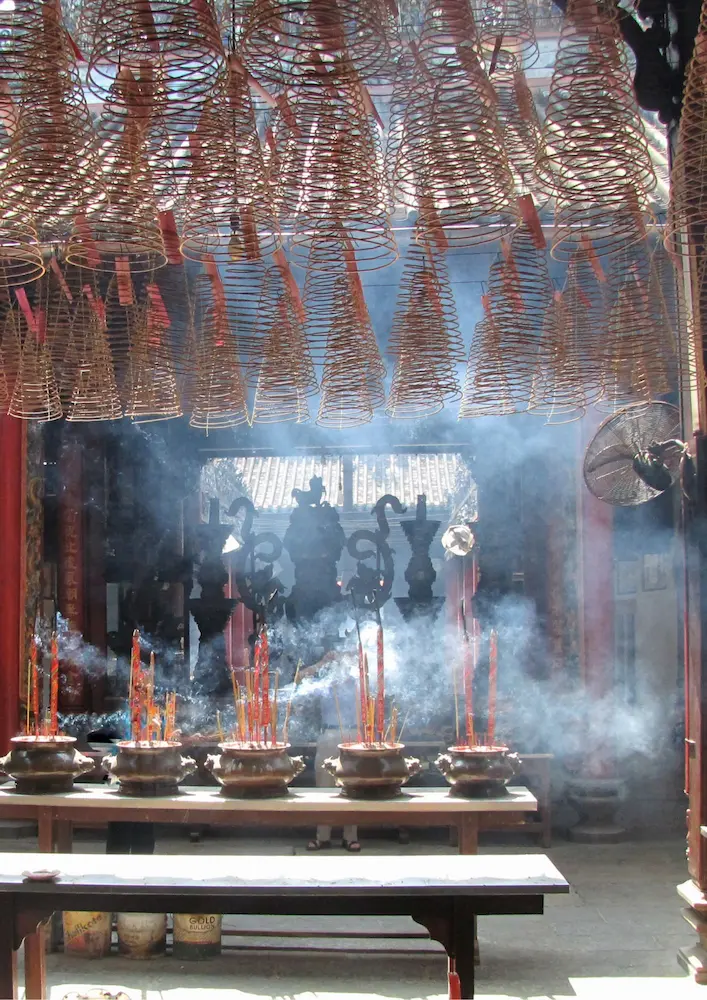
Spiral-shaped incense coils hang from the ceiling of Thien Hau Temple
A sweet farewell: The story of egg coffee
Before we transferred the group to the airport for their flight back to Italy, there was one final local experience we had to share: Vietnamese Egg Coffee (Cà phê trứng).
Coffee arrived in Vietnam during the French colonial period in the 19th century… Today, Vietnam is the second largest coffee producer in the world. But the famous egg coffee was born in Hanoi in the 1940s, during a difficult time. Due to a shortage of milk, a bartender at the Hotel Metropole, Nguyen Van Giang, had an ingenious idea. He took fresh egg yolks, mixed them with thick, sweet condensed milk, and whipped them really fast until they turned into a soft, yellow cream. He poured this egg cream over strong, dark Vietnamese coffee. Veronica loved the taste:
“The result is a surprising drink, with a flavor similar to a liquid tiramisu, where the bitterness of the coffee perfectly balances the sweetness of the cream.”

The unique and velvety Vietnamese Egg Coffee
With happy hearts and full stomachs, the group got into the van one last time. They drove to Tan Son Nhat Airport to catch their flight back to Italy. Their 10-day (or 11-day to be exact) adventure had come to an end.
Practical Travel Tips | Suggested by our writers
- Embrace the unexpected: “In the Mekong Delta, unplanned moments like being invited into a house or watching wedding preparations are what make the trip memorable. They feel spontaneous rather than staged.” — Paola
- Prepare emotionally for the Museum: “The War Remnants Museum is an intense, difficult, but deeply educational experience. It is best to visit without rushing, perhaps in the early morning when the flow of tourists is smaller, to truly process what you are seeing.” — Annalisa
- Taste the local flavors: “Ho Chi Minh City is perfect for food lovers. Don’t miss the street food markets in the evening to taste different regional dishes, and definitely sit down to enjoy the surprising sweetness of an egg coffee.” — Veronica & Cristina
Over the past 10+ days, our Italian writers have traveled from the chaotic beauty of Hanoi, through the wild mountains of Ha Giang, into the imperial center, and finally to the vibrant South.
We want to say a huge thank you to Paola, Cristina, Marcello, Marina, Veronica, Annalisa, and Marina L. Thank you for trusting Travel Sense Asia with your journey, and thank you for sharing your honest, beautiful stories with the world. If you are reading this and dreaming of an adventure, we would love to help.
If you want a 10-day journey that is perfectly planned, completely transparent, and deeply authentic, contact Travel Sense Asia today. Let us craft your Vietnam masterpiece.