










Asia has some of the most striking ocean landscapes on the planet. From the massive limestone karst bays of the Pacific to the deep, wildlife-rich trenches of the Indian Ocean, the geographical variety is staggering. You can spend your morning navigating dense tropical jungles and your afternoon surfing warm reef breaks. The challenge is no longer finding a beautiful beach; it is choosing the one that perfectly aligns with your specific travel window and style.
This guide breaks down the core geography, regional weather systems, distinct experiences, and most importantly, best beaches in Asia across seven countries to help you structure a flawless coastal itinerary.
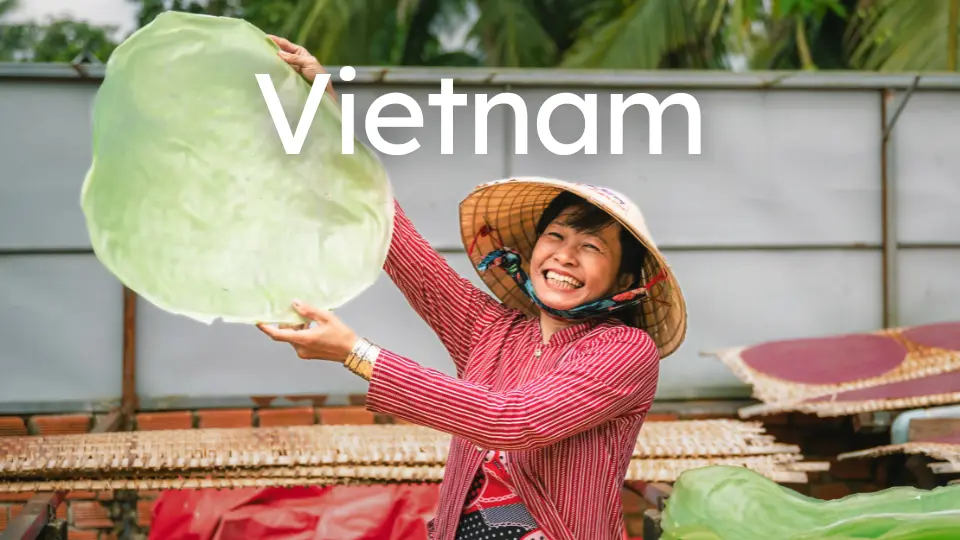
Vietnam: Diverse beaches across three climate zones
Vietnam possesses a massive geographical advantage that dictates its entire coastal tourism industry: a long, S-shaped landmass stretching from the Gulf of Tonkin down to the Gulf of Thailand. This means the country spans multiple distinct climate zones.
Weather across the northern, central, and southern coasts
The northern coastal regions, including areas around Ha Long Bay, experience a definitive winter. During January and February, water temperatures drop significantly, and a thick fog often covers the limestone islands. This creates excellent conditions for sightseeing cruises, but it makes swimming quite uncomfortable.
Moving further down, the central coastline, encompassing major hubs like Da Nang, Hoi An, and Nha Trang, faces a completely different weather system. This region usually experiences a harsh typhoon season from late September through December, bringing heavy rains and strong winds that can disrupt travel plans. However, from March to August, this exact same coast transforms into a sun-drenched destination with calm waters.
The southern region, which includes the massive island of Phu Quoc and the Con Dao archipelago, operates on a classic tropical monsoon system. It features a clear dry season from December to April, making it the perfect winter escape for travelers from the Northern Hemisphere.
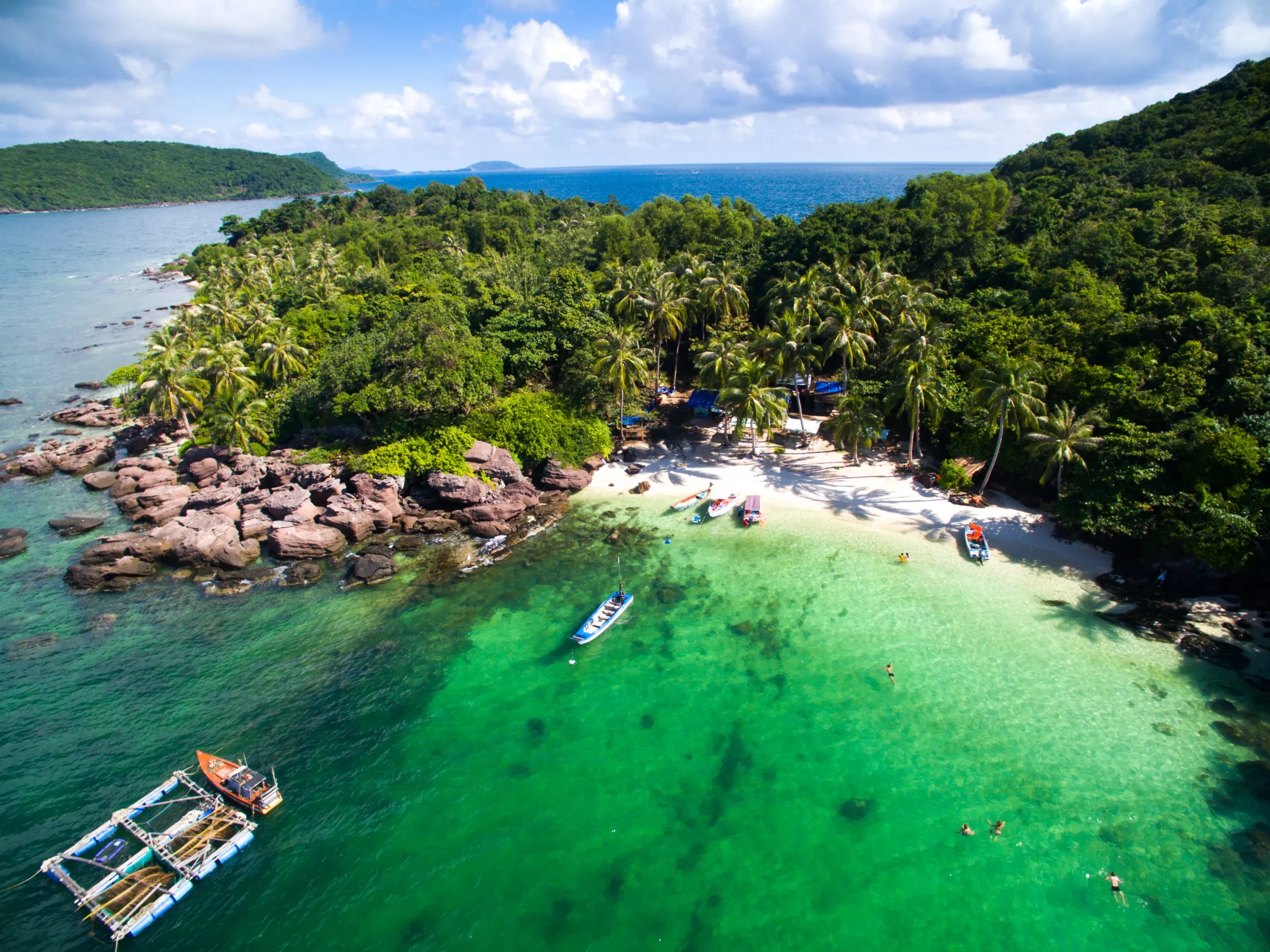
Phu Quoc Vietnam
VIETNAM BEACH WEATHER GUIDE
Master the microclimates and locate the perfect coastal conditions for your specific travel dates.
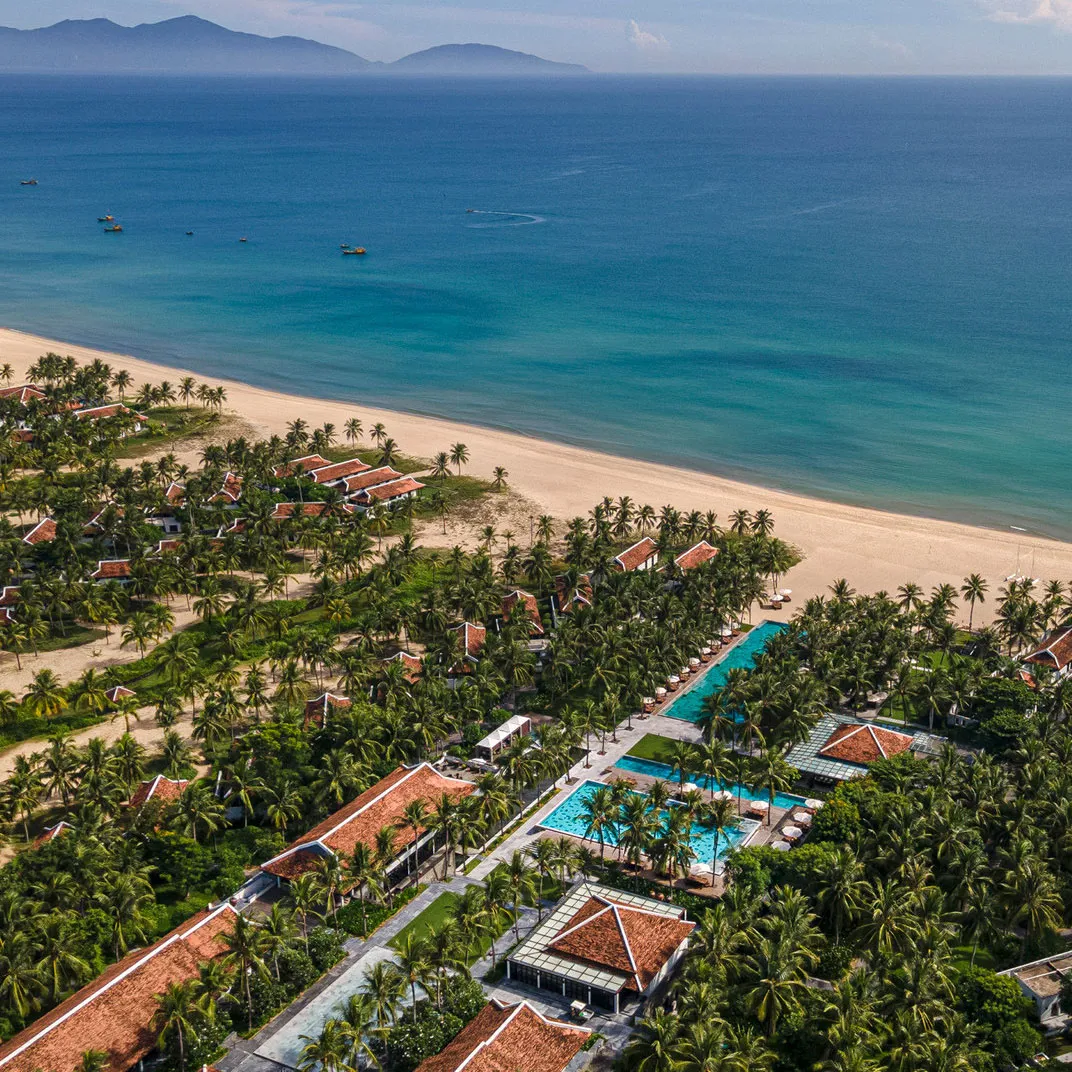
Da Nang Vietnam
Beach vacations for all: Luxury and affordability go hand in hand
When it comes to infrastructure, Vietnam offers a sharp contrast between highly developed cities and raw, empty coastlines. Da Nang and Nha Trang represent the high-capacity model. They serve thousands of domestic and international visitors daily, featuring large international airports, extensive dining scenes, and high-rise hotels directly facing the ocean. They provide a seamless, convenient travel experience for those who prioritize accessibility and modern amenities.
However, a significant shift in travel behavior shows a strong preference for areas lacking massive concrete resort complexes. Many travelers actively seek out regions that provide a genuine look at the country’s geography and the daily life of local fishing communities. Places like Phu Yen, Quy Nhon or the smaller, less-developed islands off the coast offer a completely different pace of life. Here, you will find traditional round coracle boats, early morning fish markets, and coastlines that remain largely untouched by commercial tourism.
TOP HIDDEN BEACHES IN VIETNAM
Step away from the commercial centers and discover secluded bays with pristine natural topography.
Cambodia: The unspoiled archipelagos of the Gulf
Travelers designing a route through Cambodia usually focus heavily on the immense historical weight of the region. They spend days walking through the massive temple complexes of Angkor Wat in Siem Reap or exploring the urban history of Phnom Penh. Yet many overlook one of Cambodia’s greatest treasures, a tropical island escape that provides the perfect ending to any journey. Located in the Gulf of Thailand off the southern coast of Cambodia, the Koh Rong Archipelago offers powdery white beaches, crystal-clear waters, and a laid-back atmosphere.
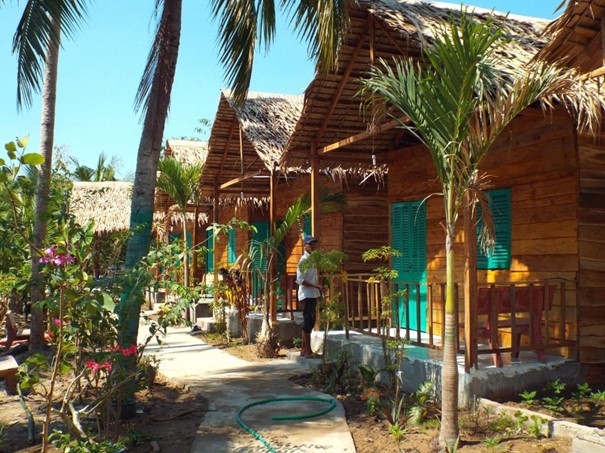
The physical geography of the islands is striking. A dense, green jungle interior slopes down to meet the ocean, creating a sharp boundary between the forest and the sand. The beaches, particularly on Koh Rong Sanloem, feature exceptionally fine, bright white sand that meets clear, shallow waters. The infrastructure remains basic but highly functional, focusing heavily on wooden bungalows, small-scale boutique operations, and open-air beach cafes. This lack of overdevelopment provides a genuine sense of detachment and relaxation after weeks of navigating busy cities.
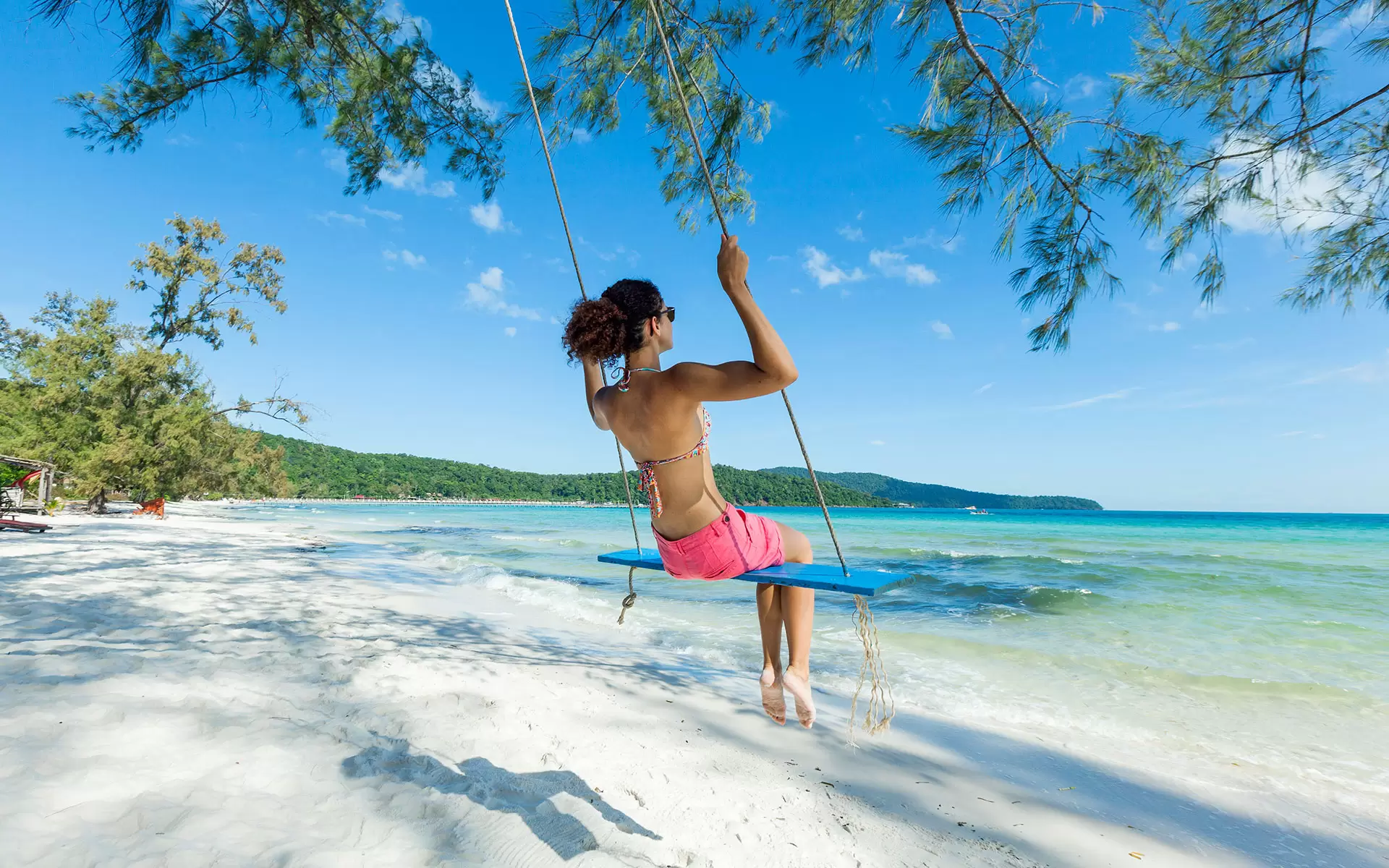
Koh Rong Cambodia
KOH RONG TRAVEL GUIDE
Plan your ferry logistics and discover the pristine environment of Cambodia’s premier island destination.
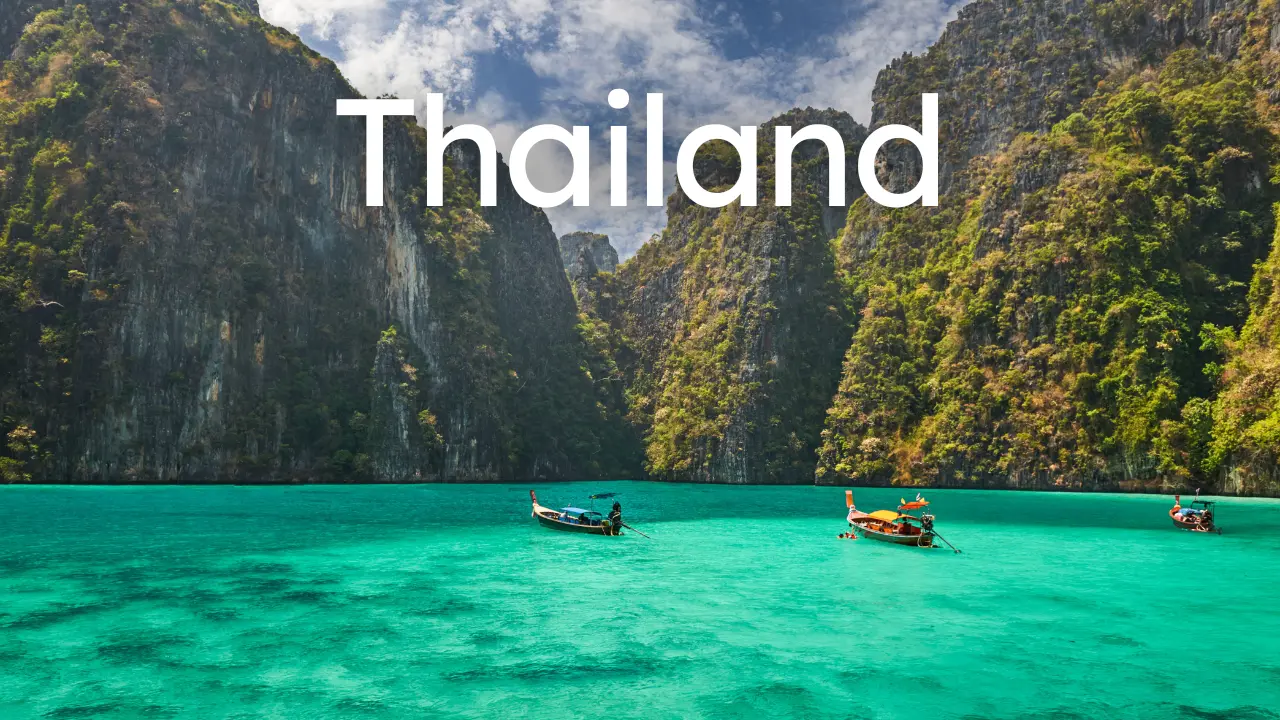
Thailand: The ultimate heaven of island hopping
Thailand commands a massive share of the global beach tourism market, and this success is largely due to its geographical layout. The country possesses two completely separate coastlines: the Andaman Sea to the west and the Gulf of Thailand to the east. This physical reality means Thailand can offer excellent beach conditions almost year-round, simply by shifting focus from one coast to the other depending on the monsoon winds.
BEST BEACH IN THAILAND FROM NORTH TO SOUTH
Navigate the dual coastlines to find the optimal island weather for your upcoming trip.
The extensive tourism infrastructure of Thailand beaches
The infrastructure in Thailand is highly advanced. The country features seamless domestic flight networks, well-maintained highways, and a hospitality sector trained to strict international standards. Phuket serves as the primary entry point for the Andaman region and functions as the epicenter of this massive infrastructure. It is the largest island in the country, operating its own busy international airport, world-class hospitals, and extensive entertainment districts.
Phuket is divided by its geography. The west coast features long, sandy beaches facing the open ocean, holding the highest concentration of large resorts, beach clubs, and active nightlife. The east coast is characterized by dense mangroves and local marinas, serving as the launching point for speedboats heading into the surrounding bays.

Phuket Thailand
PHUKET TRAVEL GUIDE
Decode the different neighborhoods and optimize your transport logistics across Thailand’s largest island.
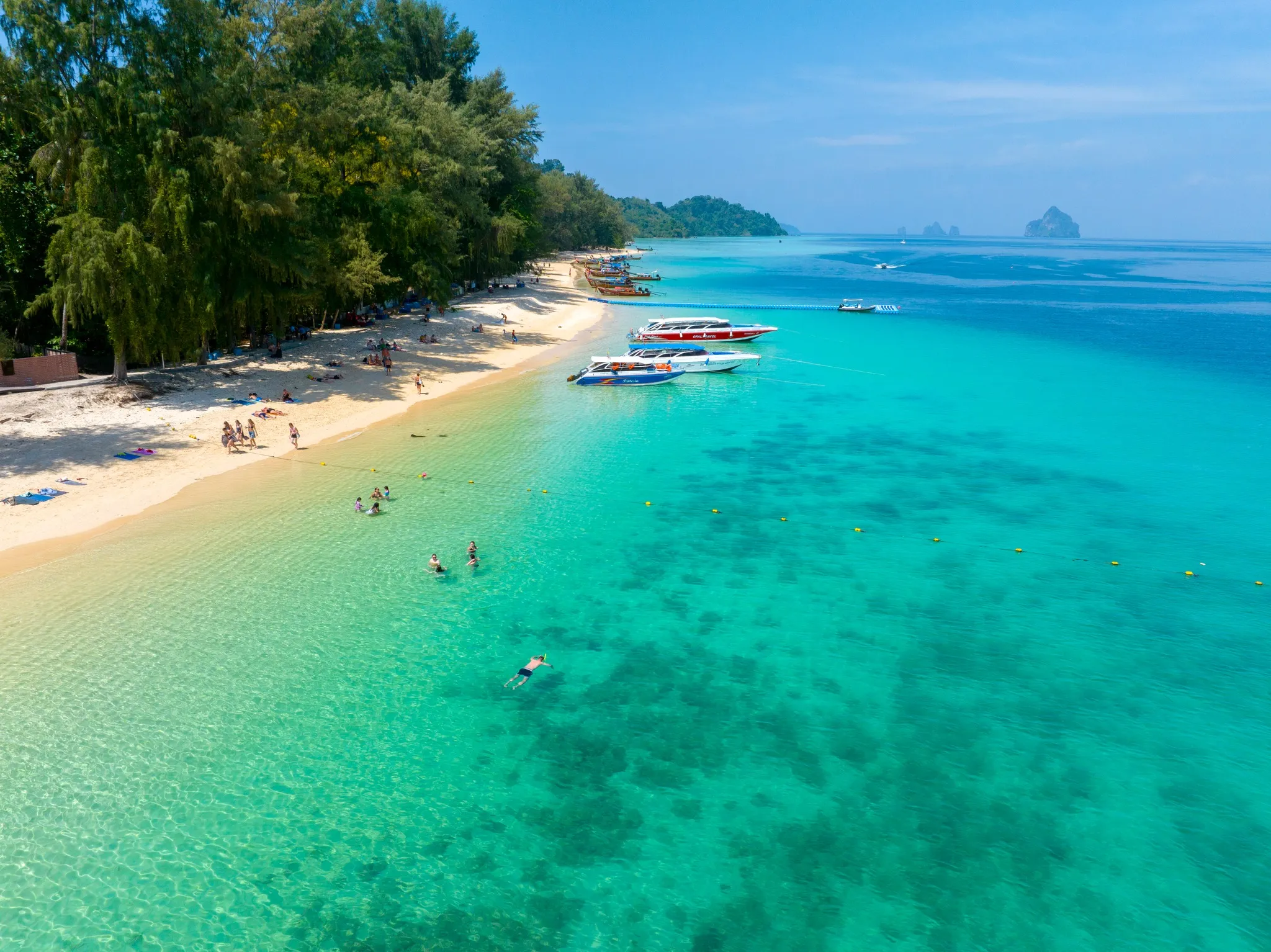
Koh Kradan Thailand
Remote archipelagos in the deep southern marine parks
While massive hubs handle the bulk of international arrivals, Thailand also offers a vast network of tiny, protected islands that cater to slow travel. These locations appeal to a demographic seeking a slower pace and a closer connection to the marine environment.
In the far south of the Andaman Sea, near the Malaysian border, you will find clusters of small islands within protected marine parks. Reaching these remote locations requires significant effort but it acts as a natural filter, keeping mass tourism at bay.
Islands in these deep southern archipelagos such as Koh Lipe, Koh Mook and Koh Kradan offer access to some of the healthiest coral reef systems remaining in the country. The focus shifts entirely away from large-scale entertainment toward snorkeling, diving, and observing marine life in shallow, highly transparent waters.
EXPLORING THAILAND’S SMALLER ISLANDS
Go beyond the mainstream hubs and discover the slow-paced lifestyle of the remote Andaman archipelagos.
Indonesia: Deep trenches and dramatic volcanic coastlines

Raja Ampat Indonesia
Indonesia is a massive archipelago consisting of over 17,000 islands spanning across the equator. While the island of Bali is famous worldwide, the true power of the Indonesian coastline lies in its remote regions.
Located in the far east of the country in the province of West Papua, the Raja Ampat archipelago represents the absolute pinnacle of global marine biology. Scientists universally recognize this area as the epicenter of marine biodiversity. The specific ocean currents converging in this region support thousands of species of reef fish and hundreds of types of hard corals. The physical landscape features karst limestone islands covered in dense jungle, emerging sharply from deep blue water.
In stark contrast to the flat, sandy beaches found in many parts of Southeast Asia, the island of Nusa Penida presents a harsh, dramatic landscape. Located a short fast-boat ride from mainland Bali, the island is defined by massive, vertical limestone cliffs that drop hundreds of meters straight into the ocean. Beaches here are often difficult to access, requiring travelers to descend steep, precarious staircases carved directly into the rock face.
The Philippines: Saltwater lagoons and Pacific surf breaks
The geography of the Philippines dictates a highly specific style of travel. With over 7,000 islands, overland travel is minimal. The primary mode of exploration is by sea, utilizing the traditional wooden outrigger boats known as bangkas. The country is defined by its massive network of islands, hidden lagoons, and direct exposure to the open Pacific Ocean.

Palawan Philippines
The island province of Palawan, specifically the northern municipalities of El Nido and Coron, represents the core Philippine coastal experience. The topography here is characterized by jagged, dark karst limestone mountains that rise vertically from the sea. These sharp rock formations protect intricate networks of hidden saltwater lagoons. Travelers engage in daily “island-hopping” tours, spending the entire day on the water moving between secluded beaches and snorkeling sites. The water clarity in the Palawan region is exceptional, often allowing visibility of up to 30 meters, revealing bright coral gardens situated just below the surface.
Besides Palawan, on the eastern edge of the country, the island of Siargao faces the uninterrupted expanse of the Pacific Ocean. This geographical positioning means the island receives massive, consistent ocean swells, making it the premier surfing destination in the Philippines. Beyond the surf breaks, Siargao offers a different landscape of extensive mangrove forests and natural tidal rock pools exposed during low tide.
Sri Lanka: Wildlife-rich waters and contrasting coasts
Sri Lanka offers a highly dense, efficient travel experience. Due to the island’s moderate size, travelers can transition from high-altitude, cool tea plantations in the central mountains to hot, tropical Indian Ocean beaches in a matter of hours. The country is unique in how closely its wildlife, ancient history, and coastal zones are packed together.

Galle Sri Lanka
The island is affected by two separate weather patterns: the Yala monsoon and the Maha monsoon. These winds hit opposite sides of the island at different times of the year. it means Sri Lanka is a viable beach destination 365 days a year, provided you travel to the correct side of the island.
Surf towns and colonial history in the Southern Province
During the Northern Hemisphere’s winter (December to March), the Southern Province experiences dry, sunny weather while the East coast is battered by rain. The South coast is the most developed coastal region, featuring a continuous string of distinct bays connected by a single coastal road. Travelers can find busy surfing towns like Weligama, quiet stretches of luxury villas, and active fishing harbors all within a short drive. The presence of the historic Galle Fort, a UNESCO World Heritage site built by the Portuguese and Dutch, adds a massive cultural element to a standard beach holiday. You can surf at dawn, eat fresh seafood at noon, and walk along 16th-century stone ramparts at sunset.
SOUTHERN PROVINCE TRAVEL GUIDE
Explore the dry-season hub of the island, featuring long stretches of sand, surf breaks, and historic colonial fortress cities.
Calm summer waters on the eastern coast of Trincomalee
When the Northern Hemisphere enters its summer (May to September), the South coast experiences heavy winds and rain. During this window, the focus moves entirely to the East Coast. The landscape is drier, the vegetation is less dense, and the beaches are generally wider and flatter. The port city of Trincomalee serves as the main hub here.
The waters off the east coast, particularly around Nilaveli beach, remain incredibly calm and shallow during the summer months, providing perfect conditions for swimming and snorkeling around nearby marine sanctuaries like Pigeon Island. Further south along the east coast, Arugam Bay becomes the epicenter for international surfers chasing the summer swells.
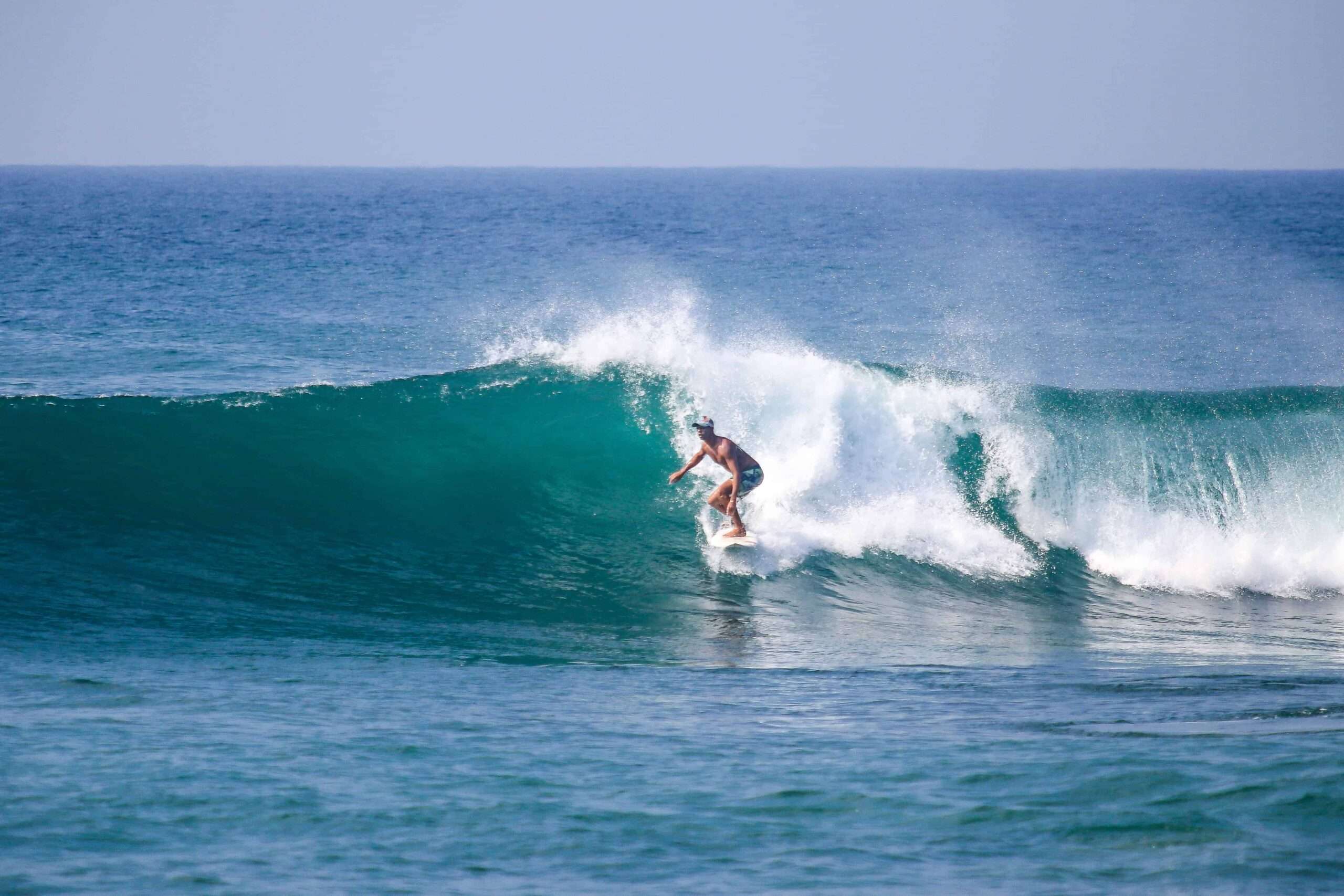
Arugam Bay Sri Lanka
TRINCOMALEE AND THE EAST COAST
Understand the logistics of crossing the island to reach the calm, dry eastern beaches during the summer monsoon period.
The Maldives: Shallow lagoons with ultimate privacy
The Republic of Maldives represents a radical departure from the topography of mainland Asia. The country is not a single, solid landmass but a massive chain of 26 coral atolls scattered across the Indian Ocean. An atoll is a ring-shaped coral reef that encloses a central lagoon. There are no mountains, no rivers, and no dense jungles here; the highest natural point in the entire country is barely two meters above sea level.
This extreme geography dictates a highly specific tourism model: one-island-one-resort. The government strictly zones the islands. Resort islands are entirely separate from local residential islands. When travelers book a property, they are confined to that specific patch of sand for the duration of their trip. This structure guarantees an unprecedented level of privacy and security, making the Maldives the default choice for high-profile individuals and the luxury honeymoon market.

Maldives
Design your coastal escape with Travel Sense Asia
Choosing the right beach destination requires a ruthless evaluation of your priorities regarding transit time, infrastructure needs, and the specific physical landscapes you wish to explore. Also, a successful trip relies entirely on aligning your expectations with the correct regional geography and monsoon cycle.
Let the local experts at Travel Sense Asia help you navigate these complex regions in Asia. We analyze your specific requirements and construct a highly optimized, hassle-free private itinerary. From booking the best boutique accommodations to managing regional boat transits and domestic flights, we ensure your coastal holiday perfectly fits your style and pace.
FAQ: Planning your beach holiday in Asia
1. When is the exact best time to visit the beaches in Southeast Asia?
There is no single best time, as the region features multiple climate zones. From December to March, the southern parts of Vietnam, the Andaman coast of Thailand, and the southern coast of Sri Lanka offer excellent sunny weather. During the summer months (July to August), the east coast of Sri Lanka and the Gulf of Thailand are much better choices to avoid heavy monsoon rains.
2. Are these Asian coastal destinations suitable for a strict budget?
Yes. Countries like Vietnam, Thailand, and Sri Lanka offer some of the most competitive travel values globally. You can easily secure high-quality boutique resorts, fresh local seafood, and reliable transport networks that cater to a wide range of budgets without sacrificing comfort or safety.
3. Which destination in Asia is best for combining heavy culture and beach time?
Thailand, Indonesia and Vietnam are highly recommended for this specific requirement. Both countries allow you to easily mix days of exploring ancient temples or vibrant city life with high-quality coastal relaxation. The transit times between cultural hubs and the coastline are relatively short, preventing exhaustion.
4. Is it difficult to travel between the islands in the Philippines and Indonesia?
Yes, it requires careful logistical planning. Travel in the Philippines and Indonesia relies heavily on domestic flights and ferry schedules. Weather can frequently delay boats, so you must build flexible buffer days into your itinerary.