

















For the modern traveler, luxury is changing. It is no longer about flashy hotels, crowded lobbies, or loud tourist attractions. Instead, it is about space, silence, and the freedom to slow down. It is about finding a place where nature still leads the way.
On the south-central coast of Vietnam lies Quy Nhon. While famous cities like Nha Trang and Da Nang have grown into busy urban hubs, Quy Nhon has quietly preserved its raw beauty. Here, the green Truong Son mountains run directly into the sea, creating hidden bays, wild rocky cliffs, and empty beaches. If you plan to travel to Vietnam, in Quy Nhon, the luxury of silence is real.
In this travel guide, we cover everything you need to plan a refined journey to Quy Nhon, Vietnam: how to get there, the best time to visit, and the top attractions that offer a true sense of discovery.
How to get to Quy Nhon
Located on Vietnam’s south-central coast, Quy Nhon is easily accessible by plane, train, or road, with each option offering different advantages depending on your departure location, budget, and schedule.
Going to Quy Nhon by air (Fastest and most convenient)
A flight to Quy Nhon is the fastest and most convenient way to reach the city, especially for travelers departing from major hubs like Hanoi and Ho Chi Minh City.
| Logistics | Details |
|---|---|
| Airport | Phu Cat Airport (UIH), approximately 30 km northwest of Quy Nhon city center. |
| Travel time | Flights from Hanoi (HAN) to Quy Nhon (UIH) take around 1 hour 40 minutes, while Ho Chi Minh City (SGN) to Quy Nhon (UIH) takes approximately 70–75 minutes, making flying the fastest way to reach the city. |
| Airlines | Vietnam Airlines and Vietjet Air operate multiple daily flights. |
| Note | Phu Cat Airport currently handles domestic flights only. International visitors need to connect through Hanoi or Ho Chi Minh City before taking flights to Quy Nhon. |

The Vietage by Anantara
Traveling by train to Quy Nhon (Best for scenic travel)
Traveling by train to Quy Nhon is a scenic option that allows you to watch the changing Vietnamese countryside.
| Railway Option | Details |
|---|---|
| Dieu Tri Railway Station | This is the main stop on the North-South Reunification line, located about 10 km (a 20-to-30-minute drive) from downtown Quy Nhon. Taxis are widely available at the station. |
| Quy Nhon Railway Station | Located right in the city center, this station only handles local passenger trains, such as the SE30 train coming from Ho Chi Minh City. |
| The Vietage by Anantara (Luxury Railway Experience) | For a premium journey, book a seat on The Vietage. This custom-designed railway carriage features only 12 passenger seats in private booths. It runs daily between Da Nang and Dieu Tri Station (Quy Nhon). The 6-hour journey includes a three-course gourmet meal, free-flowing wine, beer, and soft drinks, and a complimentary 15-minute head and shoulder massage. Tickets must be booked well in advance. |
Where to stay near Quy Nhon for quiet luxury
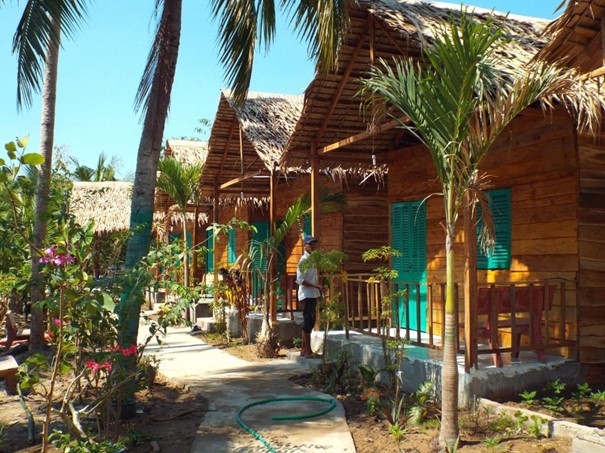
Quy Nhon and the neighboring Phu Yen (Dak Lak Province) host beautiful, low-impact luxury resorts. These properties focus on open space, natural building materials, and local architectural traditions.
- Anantara Quy Nhon Villas: Located in a private bay in the Bai Dai area, about 10 km south of downtown Quy Nhon, this resort features only 26 private pool villas facing the ocean. The villas use locally sourced timber, granite, and stone, featuring large outdoor decks, private plunge pools, and open-air bathrooms.
- Zannier Hotels Bai San Ho: Located on a secluded 98-hectare peninsula in Song Cau (Phu Yen), about 33 km south of Quy Nhon. It features 71 independent villas built using traditional regional styles, including stilted wooden Paddy Field Villas, hilltop longhouses inspired by the Ede ethnic group, and clay-walled Beach Pool Villas reminiscent of Cham village homes.

Anantara Quy Nhon Villas
DISCOVER PHU YEN
Explore the breathtaking, underrated coastal wonders neighboring Quy Nhon.
Where to go in Quy Nhon: Top 10 attractions
If you wonder where to go in Quy Nhon, the city offers far more than a single famous landmark. From turquoise bays to historic Cham sites, these are the must-visit Quy Nhon attractions that deserve a place on any first-time itinerary.
Ky Co Beach
Located in Nhon Ly commune on the Phuong Mai Peninsula, Ky Co is a crescent-shaped bay known for its turquoise waters and soft sand. The beach is protected by towering, weather-beaten granite cliffs that rise straight out of the ocean, creating a natural amphitheater. The water is remarkably shallow and clear, allowing you to see fish swimming over the sandy bottom.
- Getting there: Around 25 km from Quy Nhon center. To get to Ky Co Beach, the most convenient way is by speedboat. Another option is to take a private car along the road around Phuong Mai mountain to reach the beach.
- Time needed: Half day (3-4 hours)
- Best time to visit: Arrive between 7:30 AM and 9:00 AM to enjoy the beach when the water is calm and the crowds are thin. Avoid visiting between October and February, when rough winter seas make boat access difficult.

Ky Co Beach

Eo Gio Wins Strait
Eo Gio Quy Nhon (The Wind Strait)
As a short drive north of Ky Co, Eo Gio means “Wind Strait” and is exactly that: a rocky inlet shaped by centuries of wind and waves, with a paved walking path along the cliffs offering panoramic views of the East Sea, making it one of the most photographed Quy Nhon attractions. Below the paved walking trail, the sea has carved out small caves and unique rock formations, such as Bat Cave (Hang Doi) and Ba Nghe Cave (Hang Ba Nghe).
- Getting there: Approximately 20 km from downtown Quy Nhon.
- Cost: Around $1 USD (25,000 VND) per person; free for children under 1.2m.
- Best time to visit: Go at 5:30 AM to catch the sunrise. There is no shade along the walkway, so midday visits can be very hot.
Ghenh Rang Tien Sa and Queen’s Beach
Located just 3 km south of Quy Nhon center, this coastal park climbs along the Xuan Van mountain pass. It is famous for Queen’s Beach (also called Egg Stone Beach), which is covered in smooth, round, green-grey stones of various sizes that resemble giant bird eggs.
Queen Nam Phuong, the last queen of Vietnam, chose this beach as her private bathing spot in the 1920s because of its privacy and natural beauty. The park also contains the hillside tomb of Han Mac Tu, one of Vietnam’s most celebrated romantic poets, who spent his final days at the nearby Quy Hoa leper hospital writing passionate poetry before passing away at the age of 28.

Ghenh Rang Quy Nhon
HIDDEN COASTAL GEMS
If you love Quy Nhon’s serene shores, explore our hand-picked list of the best lesser-known beaches across Vietnam.
Thap Doi & Banh It (Ancient Cham Towers)
The former Quy Nhon – Binh Dinh (now part of Gia Lai) was once the political center of the Champa Kingdom. Unlike the crowded ruins of My Son, these sites allow you to explore ancient history in peace.

Twin Towers, Quy Nhon
Thap Doi (Twin Towers)
Located on Tran Hung Dao Street, right inside the central Quy Nhon. Built in the late 12th century, these two towers stand 18 and 20 meters tall. Unlike typical pyramid-shaped Cham towers, Thap Doi features curved, square roofs that reflect Khmer Angkor architectural influence.
- Entrance Fee: 20,000 VND (~$0.80 USD) per person.
- Opening Hours: 8:00 AM – 11:30 AM & 1:00 PM – 5:00 PM

Banh It Towers, Quy Nhon
Banh It Towers
Located on a hilltop in Tuy Phuoc, about 20 km north of the Quy Nhon center. This is a collection of four towers built between the 11th and 12th dynasties. The towers were constructed using red bricks laid without mortar, a classic Cham engineering feat.
- Entrance Fee: 20,000 VND (~$0.80 USD) per person.
- Opening Hours: 7:00 AM – 6:00 PM
Hon Kho Island
Located off Nhon Hai Fishing Village, Hon Kho (Dry Island) offers a quieter alternative to Ky Co, and also the best spot around Quy Nhon for snorkeling over coral reefs and walking the island’s signature wooden bridge over the water. From May to July, the sea surrounding Hon Kho fills with a dense forest of sargassum seaweed. The golden-brown seaweed rises from the ocean floor to the surface, creating an underwater forest. During low tide, a natural sandbar emerges from the water, creating a path connecting the island to the mainland.
- Getting there: Around 17 km from Quy Nhon, followed by a short boat ride from Nhon Hai.
- Cost: The island itself has no admission charge, but you need to pay for a round-trip ride.
- Time needed: Half day
- Best time to visit: Morning, when the sea is calmer and underwater visibility is better; April to August is when the sea is calmest.

Hon Kho Quy Nhon

Ong Nui Pagoda
Linh Phong – Ong Nui Pagoda
Ong Nui Pagoda (Linh Phong Pagoda) is a centuries-old Buddhist complex known for its scenic hilltop location and enormous seated Buddha statue, which stands 108 meters tall including its base. You must climb over 600 stone steps to reach the base of the Buddha statue. The path is lined with pine trees and offers beautiful views of the Phu Cat sand dunes and the coastline.
The temple was founded in 1702 by a monk named Le Ban, who lived in a nearby cave. He gathered mountain herbs to heal local people for free and wore simple clothes made of tree bark, earning him the nickname “Ong Nui” (Old Man of the Mountain).
- Getting there: Around 30 km from Quy Nhon.
- Best time to visit: Early morning to avoid the heat during the climb.
De Gi Salt Fields
Located in Cat Khanh, the De Gi salt fields are one of Binh Dinh’s oldest coastal trades. Binh Dinh’s hot climate and high seawater salinity make it ideal for salt production. Seawater is channeled into flat clay evaporation pans. Under the hot sun, the water evaporates, leaving behind a layer of pure white salt crystals. Local workers (“diêm dân”) start their day as early as 3:00 AM to channel the water and use wooden rakes to harvest the salt under the hot afternoon sun.
- Getting there: Around 45 km from Quy Nhon.
- How to visit: The best time to visit is during the dry season (April to August), between 2:00 PM and 5:30 PM, when the sun is hottest and the salt is harvested.

De Gi Salt Fields
PICTURE-PERFECT VILLAGES
Looking to capture authentic local life? Read our guide on Vietnam’s most enchanting seaside villages for photography.

Phu Gia Conical Hat Village
Phu Gia Conical Hat Village
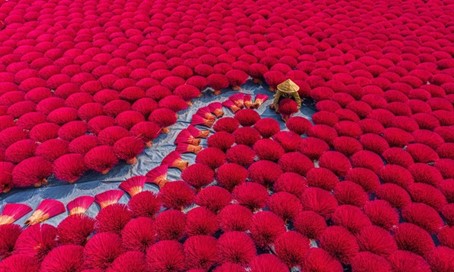
Located in Cat Tuong, about 35 km north of Quy Nhon lies Phu Gia Conical Hat Village. For over 300 years, artisans here have made the “Non Ngua” (Horse Conical Hat). Traditionally worn by royal mandarins and military officers, these hats are made from local palm leaves, bamboo, and pineapple leaf fibers, decorated with intricate hand-embroidered patterns depicting dragons, phoenixes, or scenes from Binh Dinh’s history. A single hat takes over 15 distinct steps and up to a week to complete.
- How to visit: Visiting a local home allows you to watch the meticulous steps of shaping, sewing, and embroidering a single hat.
Nhon Hai Fishing Village
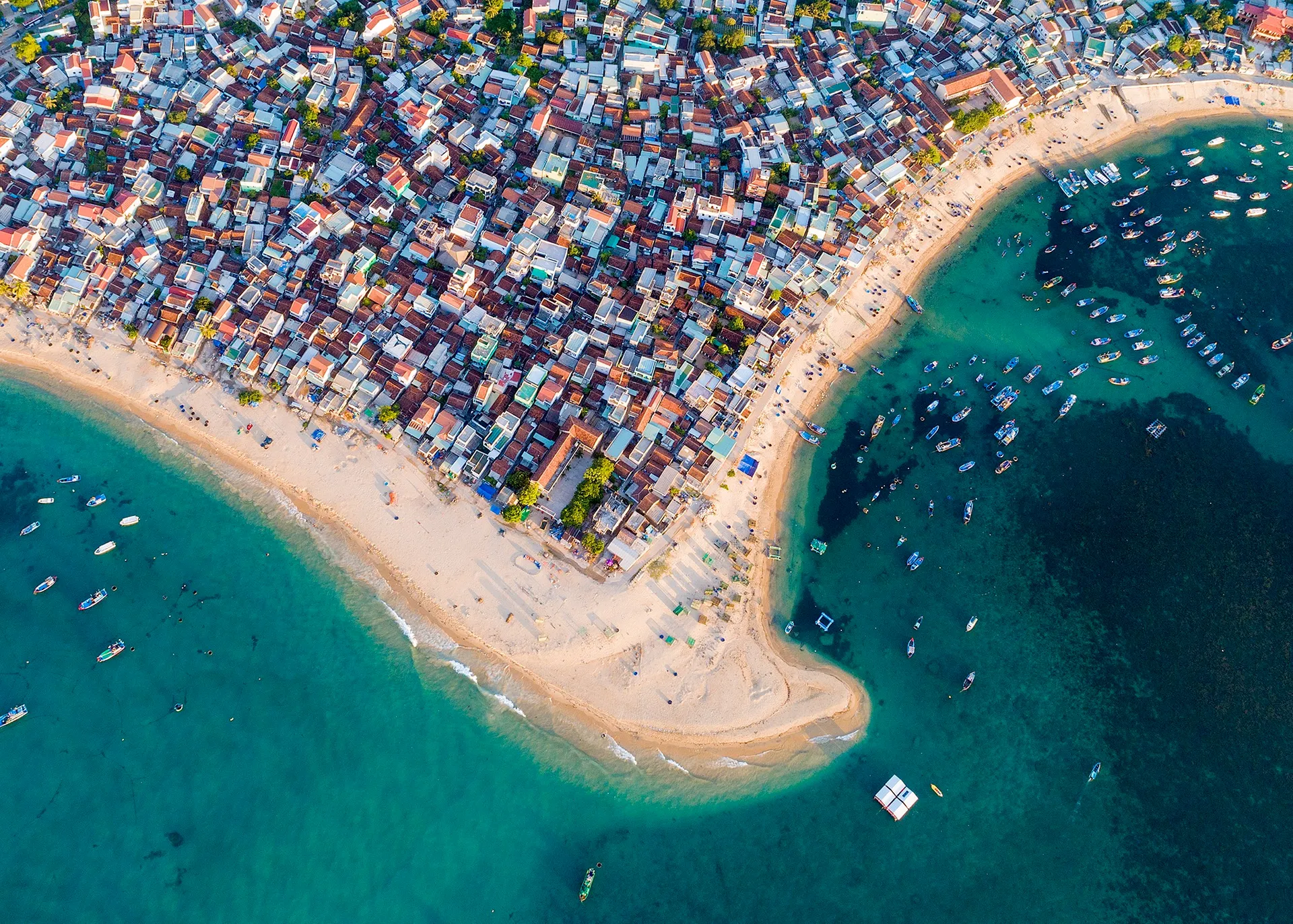
Located on the Phuong Mai Peninsula, just a 30-minute drive from the center of Quy Nhon, Nhon Hai Fishing Village is a hidden gem for travelers seeking authentic coastal life.
Every morning, the beach comes alive as small wooden vessels and traditional round basket boats return from the sea. Local women gather directly on the sand to sort the fresh catch of the day. This busy morning routine offers fantastic opportunities for raw, documentary-style photography.
Second, during low tide, the mysterious ruins of an ancient Champa wall emerge from the sea. This centuries-old stone structure stretches across the bay, connecting the village to the nearby rocky reefs.

Nhon Hai Village
What to eat in Quy Nhon
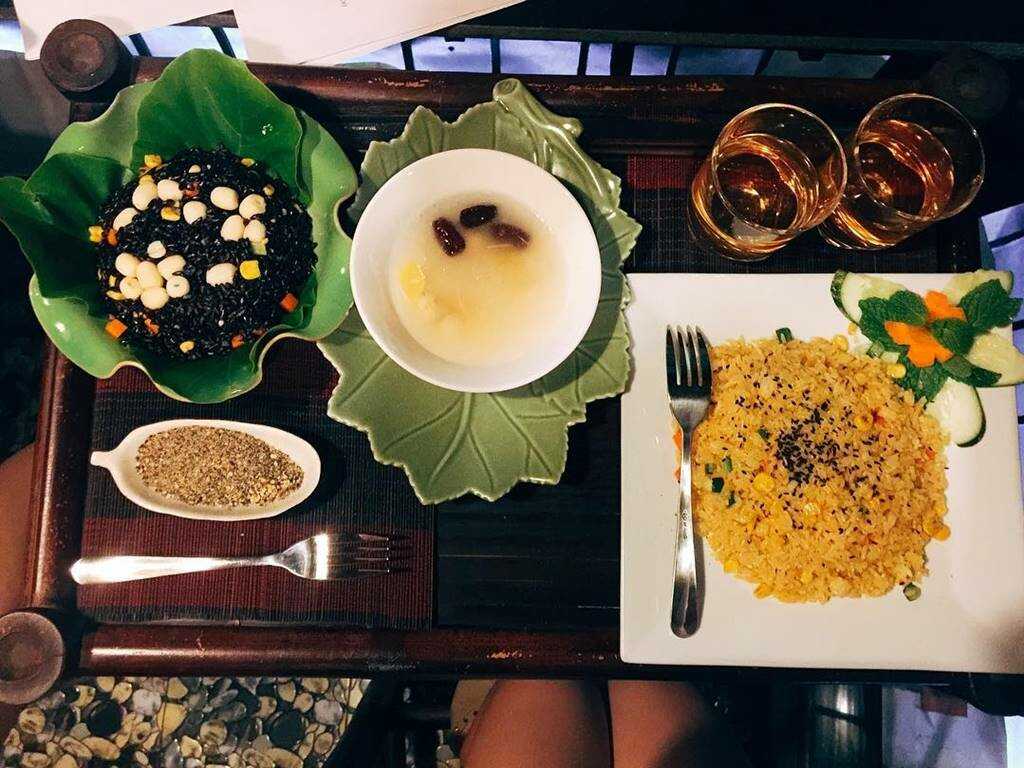
In Quy Nhon, the best food is found in simple, family-run local eateries and street stalls. The local ingredients are exceptionally fresh, and the flavors are clean and balanced. The premium resorts in the area do not try to change these classic recipes; instead, they celebrate them by creating refined presentations and offering private seaside dining setups where these local dishes can be enjoyed under the stars. Here are the local specialties you must try:

Banh Xeo Tom Nhay (Jumping Shrimp Pancakes)
Unlike the large, yellow banh xeo of the south, this version is small, crispy, and cooked in small round pans. It is topped with fresh, sweet local shrimp that are cooked while still alive (hence “jumping”). Wrap the crispy pancake in rice paper with green star fruit, cucumber, green mango, and herbs, then dip it into a sweet-and-sour fish sauce.

Bun Cha Ca (Fish Noodle Soup)
This is Quy Nhon’s signature noodle soup. The broth is simmered for hours using fish bones and heads, giving it a clean, sweet flavor. It is served with both steamed and fried fish cakes made from local mackerel and barracuda.

Nem Nuong Binh Dinh (Grilled Pork Skewers)
A highly popular and easy-to-eat local specialty. It consists of sweet and savory seasoned minced pork, molded onto bamboo skewers and grilled over charcoal until golden brown. Roll the grilled pork in rice paper with fresh herbs, lettuce, sliced cucumber, and crispy fried rice paper rolls, then dip it into a thick, savory peanut dipping sauce.

While the street stalls are the best way to experience local flavors, Quy Nhon’s coastal waters are also famous for producing some of Vietnam’s finest seafood, including lobsters, blue crabs, red snappers, and scallops. Any resort can celebrate this fresh harvest by offering exquisite seafood experiences. Guests can enjoy private beach barbecues, on the sand under the stars, or open-air dining at beachfront restaurants.
Best time to visit Quy Nhon
Quy Nhon enjoys a warm tropical climate year-round, with average temperatures of 27–31°C. The weather is generally divided into a dry season (March–August) and a wet season (September/October–December), providing favorable conditions for exploring the city’s beaches, islands, and top Quy Nhon attractions throughout the year.
| Season | Overview |
|---|---|
| Dry season (March–August) | The best time to visit Quy Nhon for beach activities, island trips, and outdoor adventures, with sunny skies and little rainfall. However, June–August is the busiest period, bringing higher hotel prices and larger crowds. |
| Shoulder season (March–April and September) | Often the ideal balance, offering pleasant weather, greener landscapes, fewer visitors, and better prices than the peak summer months. |
| Wet season (September/October–December) | Rainfall increases, especially in October and November, and rough seas may affect boat trips. However, this period offers fewer tourists, lower accommodation rates, and a quieter atmosphere. |
Practical tips for first-time travelers to Quy Nhon
Quy Nhon is a straightforward destination to explore, with most attractions easily accessible from the city. However, some beaches, islands, and countryside areas require extra planning.
- Bring Vietnamese dong: Cash is still essential for local restaurants, markets, entrance fees, and small purchases. USD is rarely accepted outside hotels, and ATMs are limited near remote beaches and resorts, so withdraw cash in the city.
- Book ahead in peak season: Reserve flights and hotels 4–6 weeks early for June–August or Tet holiday. Other months usually offer more flexibility and better rates.
- Pack for changing weather: Bring light clothing, sunscreen, comfortable shoes, and a rain layer, as short showers can occur even during the dry season.
- Start early: Visit popular spots like Ky Co and Eo Gio in the morning for cooler weather, fewer crowds, and better photo opportunities.
TRUSTED BY THE VIETNAM NATIONAL AUTHORITY OF TOURISM
Travel Sense Asia is proud to be recognized on the official Vietnam Tourism board as a premium travel partner.

Plan your holiday in Quy Nhon?
Quy Nhon is a destination for travelers looking to experience Vietnam’s coastline beyond the usual beach hotspots. Spend your days discovering uncrowded beaches, dramatic coastal landscapes, fresh seafood, and the authentic local culture that gives this city its unique charm.
If you are planning a quick escape or a longer Central Vietnam adventure, let Travel Sense Asia help you create a thoughtfully designed itinerary with local insights and memorable experiences beyond the typical tourist path.
FAQs
1. Is Quy Nhon safe for first comers?
Yes. Quy Nhon is a safe destination with a relaxed atmosphere, fewer crowds, and generally low crime rates.
2. How long to spend in Quy Nhon?
A 3–4 day Quy Nhon itinerary is ideal to explore its beaches, islands, cultural sites, and fishing villages.
3. Which is better, Quy Nhon or Nha Trang?
Quy Nhon is ideal for travelers seeking quiet beaches, nature, and authentic local experiences, while Nha Trang offers more resorts, nightlife, and entertainment options.
4. Are luxury resorts in Quy Nhon suitable for families seeking a quiet retreat?
Absolutely. High-end resorts in Quy Nhon and nearby Phu Yen specialize in spacious, multi-bedroom villas with private pools. These properties provide a tranquil environment where families can reconnect in nature without the noise of mass tourism hubs.