











Galle is a captivating heritage city on Sri Lanka’s southwestern coast, renowned for the UNESCO-listed Galle Fort. Behind its centuries-old ramparts lies a charming world of colonial streets, historic churches, maritime museums, and architecture shaped by both European and South Asian influences.
Discover the city’s most memorable experiences with Travel Sense Asia’s complete Galle Sri Lanka travel guide below.
Where is Galle Sri Lanka?
Set along Sri Lanka’s southwestern coast, approximately 113 kilometres from Colombo, Galle is a historic port city and one of the most rewarding stops on a journey through the island’s southern region.
At the heart of Galle lies Galle Fort, also known as the Dutch Fort. The fort’s origins date back to the 16th century, when the Portuguese first established a defensive settlement in Galle. After taking control of the city in 1640, the Dutch expanded and strengthened much of the fortification system that survives today.
In 1988, the Old Town of Galle and its Fortifications was inscribed as a UNESCO World Heritage Site. With its layered history, remarkable architecture and evocative coastal setting, Galle is an ideal destination for travellers drawn to culture, photography and journeys that combine heritage with the beauty of Sri Lanka’s southern shores.

When to visit Galle?
Knowing exactly when to visit in Galle is crucial for a smooth trip. The best time to visit Galle is from December to March, when Sri Lanka’s southwestern coast generally enjoys drier weather, sunnier days and calmer sea conditions. This is an ideal period for wandering through Galle Fort, walking along its historic ramparts and combining your visit with time at nearby beaches such as Unawatuna. As this is also the peak travel season, popular hotels and services may be booked well in advance.
Beyond choosing the right time of day, it is also worth considering how Galle’s weather and travel conditions shift throughout the year:
- From May to September: The southwestern monsoon brings more frequent rainfall to Galle. Showers may arrive suddenly, while rougher sea conditions can affect activities such as swimming, snorkelling and boat trips.
- October and November: This inter-monsoon period often brings more unsettled and unpredictable weather, including heavy showers and thunderstorms. Travellers visiting during these months should keep their itinerary flexible and check the latest forecast before planning outdoor activities.

BEST BEACHES IN SRI LANKA
Wondering when to visit Sri Lanka’s beautiful coastline? Discover our complete guide to the most stunning coastal destinations.
Getting to and around Galle
Galle is accessible from Colombo, Bandaranaike International Airport and the main beach towns along Sri Lanka’s southern coast. Trains and buses are the most economical choices, while taxis and private transfers offer greater comfort and flexibility.
How to get to Galle Sri Lanka?
You can reach Galle by train, bus, taxi or private transfer, depending on your starting point, budget and the amount of luggage you are carrying.
- From Colombo: The coastal train from Colombo Fort Station offers an affordable and scenic journey to Galle Railway Station. Upon arrival, you can continue directly to Galle Fort by tuk-tuk or taxi, or public buses.
- From Bandaranaike International Airport: The most convenient option is to take a shuttle bus or private transfer directly to Galle, especially after a long flight or when travelling with heavy luggage.


How to get around Galle?
Most of Galle Fort’s key landmarks lie within a compact, walkable area. You will only need motorised transport when travelling to beaches and attractions beyond the old town.
- On foot: Walking is the best way to experience Galle Fort, where major landmarks are all located within a compact area. Exploring at a slower pace also allows you to wander through quiet lanes, pause at cafés and galleries, and appreciate the fort’s architectural details.
- By tuk-tuk: Tuk-tuks are ideal for short journeys around Galle and for reaching nearby places such as Unawatuna and Rumassala. Before starting the ride, remember to agree on the destination and fare with the driver to avoid confusion later.
- By taxi or private car: This option is more comfortable for families, larger groups and travellers who prefer a direct journey. It is especially useful when combining Galle Fort with beaches or attractions outside the city centre.
Exciting things to do in Galle
Galle reveals its charm gradually. A visit often begins among the centuries-old walls of Galle Fort, continues through the lively streets within the old town, and then opens out towards beaches and coastal destinations across southern Sri Lanka. Here are the best things to do in Galle to add to your itinerary.
Discover the historic landmarks of Galle Fort
Galle Fort is the natural starting point for exploring the city. Its ramparts, bastions and colonial buildings sit within a compact area, allowing visitors to experience much of its history on foot. A scenic route begins near Galle Clock Tower and Moon Bastion before following the ramparts towards Galle Lighthouse and Flag Rock.
Along the way, the view shifts between the rooftops of the old town, Galle International Cricket Stadium and the open Indian Ocean. The walk becomes especially atmospheric in the late afternoon, when the sea breeze cools the air and the setting sun casts a golden glow over the fort walls.
Beyond the ramparts, the inner streets reveal Galle’s maritime and colonial past in greater detail. The Old Gate still bears traces of Dutch and British rule, while the Maritime Archaeology Museum showcases the trading routes and shipwrecks associated with the city. Nearby, the Dutch Reformed Church offers a quieter insight into the people who once lived within the fort.

Galle Flag Rock
TRAVEL TIPS TO SRI LANKA
Prepare for your trip with essential tips and local insights to know before you travel to Sri Lanka.

Experience local life inside Galle Fort
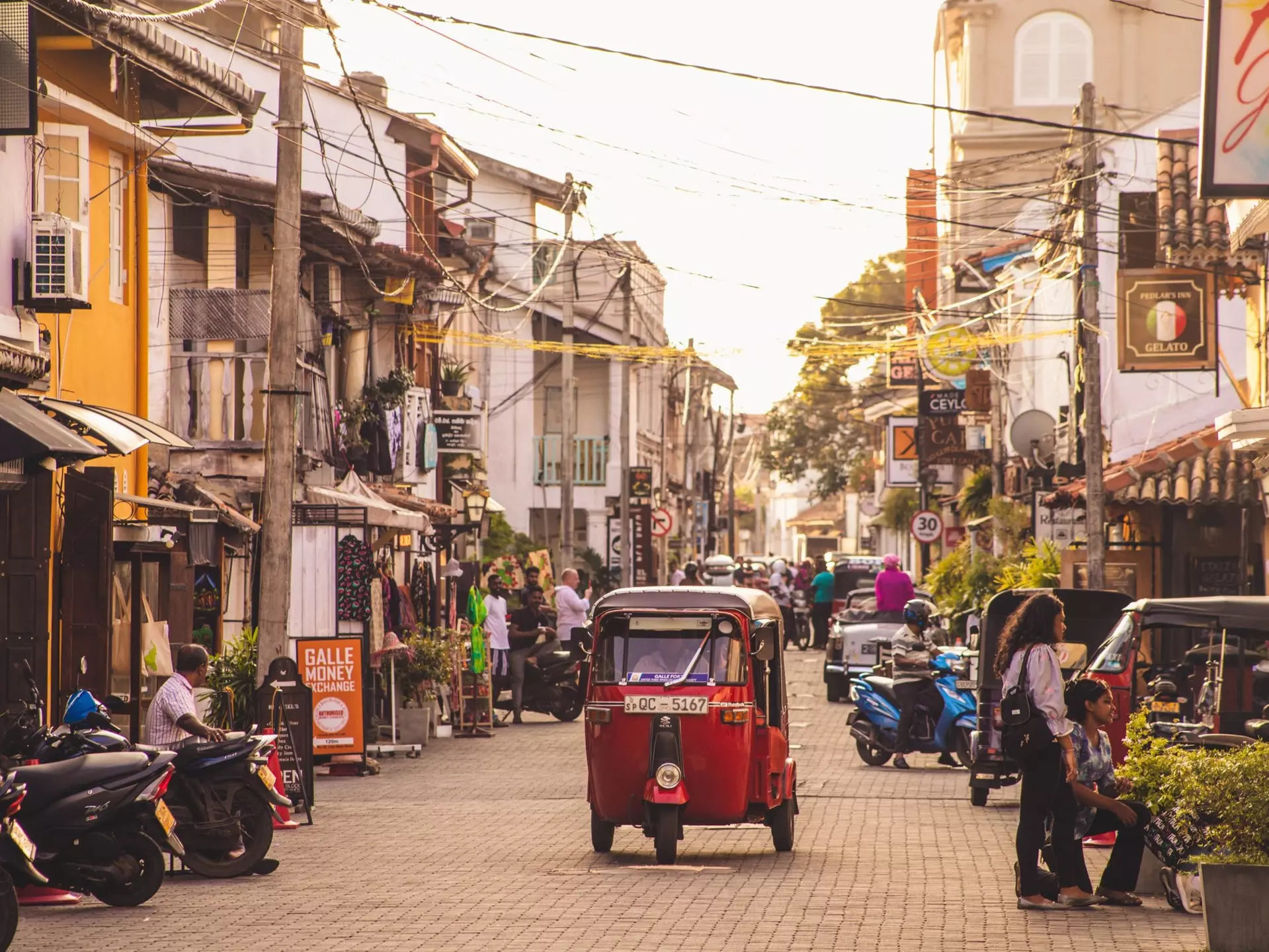
As visitors move away from the major landmarks, Galle Fort begins to feel less like a historical site and more like a living neighbourhood. Families still reside behind the old façades, while heritage buildings now house cafés, galleries, boutiques and intimate hotels.
Pedlar Street and Leyn Baan Street capture this blend of past and present particularly well. Travellers can browse local crafts, pause for coffee inside a restored townhouse or wander into quieter lanes lined with courtyards and weathered doorways.
The fort’s religious landmarks add another layer to its character. Meeran Mosque, together with nearby churches and Hindu temples, reflects the communities that have shared this neighbourhood for generations. After exploring the streets, visitors can stop at the Old Dutch Hospital for a relaxed meal or drink beside the coast.
Unwind on beaches near Galle
After wandering through the sunlit streets and historic ramparts of Galle Fort, travellers can slow the pace with an afternoon beside the sea. The coastline south of Galle offers several inviting beaches, each with its own character, from the lively shores of Unawatuna to the quieter surroundings of Talpe.
- Unawatuna: Unawatuna is the easiest choice for travellers who want to combine beach time with good food and convenient facilities. Restaurants, cafés and small hotels line the surrounding area, creating a lively setting for swimming, dining and relaxing after a morning in Galle Fort.
- Jungle Beach: Jungle Beach feels more secluded, as the small cove lies beneath the forested slopes of Rumassala. A short walking trail leads visitors through the greenery before opening onto a peaceful stretch of coast away from the busier beachfront.
Unawatuna

Dalawella
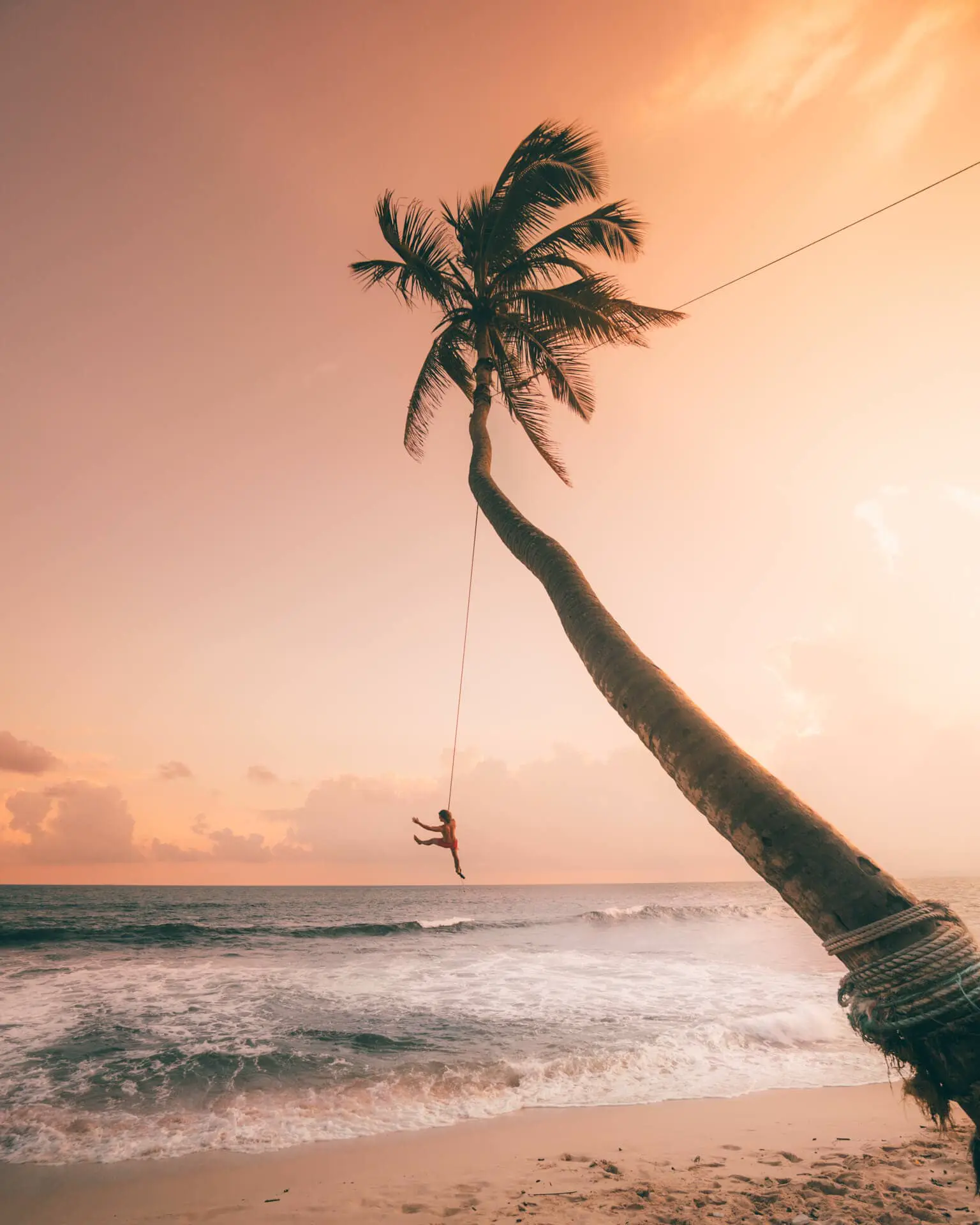
- Dalawella Beach: Dalawella Beach offers a slower atmosphere along a scenic, palm-fringed shoreline. Travellers often come here to enjoy the coastal views, take a quiet walk by the water and escape the crowds found at the larger beach towns nearby.
- Talpe Beach: Talpe Beach suits travellers who prefer privacy and a more refined coastal retreat. Its rocky shoreline, boutique accommodation and uncrowded surroundings create a peaceful setting for an unhurried afternoon or a longer stay by the sea.
Although these beaches are close to Galle, swimming conditions can vary with the season, tide and weather. Travellers should check local advice before entering the water, especially when the sea appears rough.
SOUTHERN SRI LANKA TRAVEL GUIDE
Explore the magnificent Southern Province and plan an unforgettable coastal itinerary.
Take a day trip along the Southern Coast
Galle also provides a convenient base for discovering more of Sri Lanka’s southern coastline. Travellers can head west to Hikkaduwa for snorkelling or continue east towards Weligama and Mirissa for surfing, wildlife and beach time.
Go snorkelling in Hikkaduwa
Hikkaduwa combines a lively coastal atmosphere with seasonal snorkelling opportunities. When the sea is calm and visibility is good, visitors can explore shallow waters and observe marine life close to shore. Because conditions vary throughout the year, travellers should check the forecast and choose a responsible local operator before entering the water.

Hikkaduwa

Surfing at Weligama
Learn to surf in Weligama
The broad curve of Weligama Bay creates one of the most welcoming settings for beginner surfers in southern Sri Lanka. Its sandy-bottomed sections and numerous surf schools make it easy for first-time visitors to join a lesson or rent a board. A day trip offers enough time for an introduction to surfing, although travellers who want to improve their skills may prefer to stay for several days.
Go whale watching in Mirissa
Farther along the coast, Mirissa is one of the region’s best-known departure points for seasonal whale-watching excursions. Most boats depart early in the morning, so visitors should arrange their transportation and bookings in advance. Once the tour returns to shore, the rest of the day can be spent relaxing on Mirissa Beach or exploring the surrounding coastline. This balance of marine wildlife and beach time makes Mirissa a rewarding extension to a stay in Galle.

Mirissa
Where to stay in Galle?
Each area around Galle offers a different experience, from heritage stays inside the fort to relaxed beach escapes along the southern coast. Your choice should depend on whether you prioritise sightseeing, transport convenience or time by the sea.
- Inside Galle Fort: Best for exploring the old town on foot and enjoying its quieter mornings and evenings. Boutique hotels and guesthouses are often set inside restored heritage buildings.
- Galle Town: A practical option near the railway station, bus terminal and local services. It also offers a closer look at everyday life outside the fort.
- Unawatuna: Ideal for combining beach time with visits to Galle Fort. The area offers guesthouses, small hotels and boutique stays near the coast.
- Weligama or Mirissa: Better suited to travellers focused on surfing, beaches or offshore activities.

Amangalla in Galle
ROMANTIC SRI LANKA ESCAPE
If planning a more romantic journey, you can explore our Luxury Sri Lanka Honeymoon, which combines Galle with the island’s cultural and natural highlights.
Essential tips for a smooth trip to Galle
A few simple preparations will make your visit to Galle safer and more convenient, from checking entry requirements to packing for the tropical coastal weather.
- Check entry requirements: Confirm whether your passport requires an ETA or visa before travelling to Sri Lanka. When an ETA is needed, apply only through the official portal of the Department of Immigration and Emigration.
- Carry some local currency: Sri Lankan rupees are useful for tuk-tuks, small shops and local eateries. Before paying by card, check whether the business charges an additional fee.
- Stay connected: Prepare a local SIM or eSIM to navigate with online maps, contact your accommodation and check transport schedules while travelling.
- Dress for the weather and local customs: Lightweight clothing and comfortable shoes with good grip are ideal for exploring Galle Fort. When entering a church, temple or mosque, dress modestly and follow the instructions provided at the entrance.
- Take care on the ramparts: Stay back from exposed edges and never climb over barriers. Extra caution is needed after dark and during strong winds or rough seas.
- Save key emergency numbers: Dial 118 or 119 for the police, 1912 for the Tourism Hotline and 1990 for the Suwasariya ambulance service.
Galle’s appeal goes far beyond its historic ramparts, white lighthouse and colonial-era landmarks. What makes the city truly memorable is the way centuries of history blend seamlessly with local life and the coastal beauty of southern Sri Lanka. Whether you visit for a day or stay longer, Galle invites you to slow down, wander through its atmospheric streets and end the day watching the sun set over the Indian Ocean.
For a seamless journey through Galle and Sri Lanka’s other remarkable destinations, let Travel Sense Asia create a Sri Lanka tour tailored to your schedule, interests and travel style. Contact us to start planning a personalised itinerary filled with meaningful experiences and unforgettable moments.
FAQs
What is the difference between Galle and Galle Fort?
Galle is the larger coastal city, while Galle Fort is the walled historic quarter built on a rocky promontory within it. Most of the city’s heritage landmarks, museums, historic streets and boutique hotels are concentrated inside the fort.
How much time should you spend in Galle?
Half a day is enough to see the main highlights of Galle Fort, although the visit may feel rushed. A full day offers a more comfortable pace, with time to explore the museums, wander through the old town, enjoy a meal and watch the sunset from the ramparts.
Is there an entrance fee for Galle Fort?
No. Visitors can explore the streets and public ramparts of Galle Fort free of charge. However, the National Maritime Archaeology Museum charges an entrance fee of 6 USD per person.
How to combine Galle with other destinations?
For a shorter itinerary, consider the route Colombo – Galle – Unawatuna, or continue along the southern coast through Galle – Weligama – Mirissa. On a longer Sri Lanka tour, you can travel from Galle to Yala before heading into the hill country to visit Ella and Kandy.