












Quang Binh, located in Central Vietnam, has become a must-visit destination for international travelers, celebrated for its dramatic karst landscapes, underground rivers, and the UNESCO-listed Phong Nha – Ke Bang National Park. Beyond its breathtaking caves and rich culture, timing plays a crucial role in how you experience this unique region.
For travelers, the best time to visit Quang Binh often falls between March and August, when the weather reveals the province at its most inviting. Yet from September to November, the same landscapes tell a very different story. Why is that? Discover when and how to plan your journey to Quang Binh, Vietnam, so every cave, river, and village unfolds at its most magical moment.
Overview of Quang Binh’s weather and seasons
Quang Binh, in Central Vietnam, has a tropical monsoon climate with three main periods: the dry, rainy, and cool seasons. Understanding these weather patterns helps travelers plan their trip to Vietnam effectively, especially when Quang Binh is on their Vietnam tour itinerary.
The dry season (March–August) features sunny skies, warm temperatures (28–34°C / 82–93°F), and calm seas — ideal for outdoor adventures and cave expeditions.
The rainy season (September–November) brings heavy rain and occasional typhoons, which may temporarily affect access to some caves, rivers, and waterfalls.
The cool season (December–February) offers mild weather (18–22°C / 64–71°F), comfortable for photography, cycling, and cultural experiences.
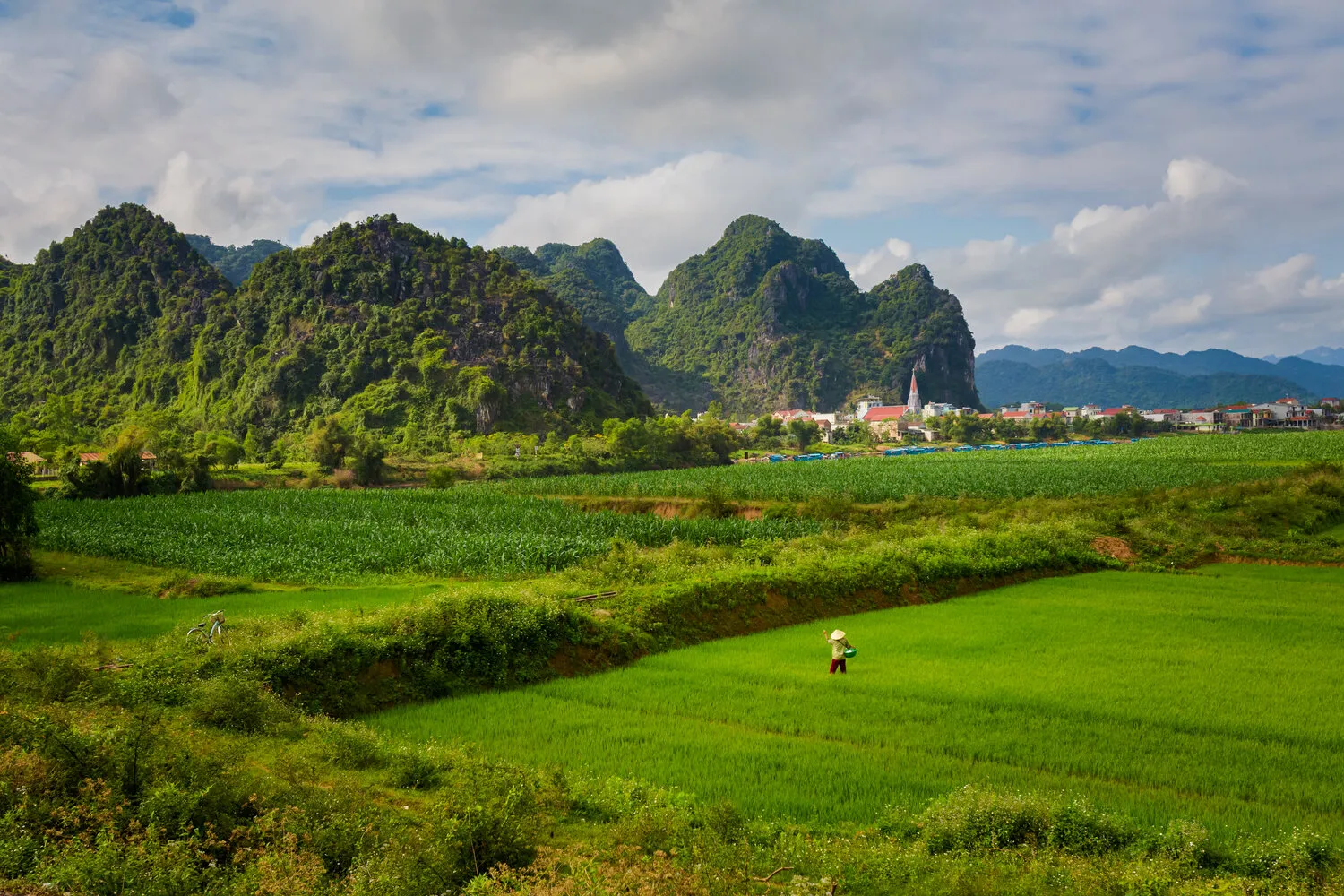
Source: Anna Ewa Bieniek @Shuttlestock
What to do in Quang Binh for each season?
The dry season (March–August): The best time to visit Quang Binh Vietnam
This is the peak travel time for adventure lovers visiting Quang Binh. The weather is stable, the rivers are calm, and trails are dry, perfect for cave exploration and outdoor fun.
You can embark on a Phong Nha Cave Tour or explore the spectacular Paradise Cave, Tien Son Cave, En Cave, and Tu Lan Cave with professional operator Oxalis Adventures. For thrill-seekers, multi-day jungle treks to Son Doong, the world’s largest cave, offer a once-in-a-lifetime experience.
Beyond caving, the dry season opens up a world of activities:
- Kayak or zipline over the turquoise water of Chay River and Dark Cave (Hang Toi).
- Swim at Suoi Nuoc Mooc Stream, a hidden jungle oasis known for its emerald pools.
- Explore Phong Nha Botanic Garden and the Eight Ladies Cave (Hang Tam Co), a historical war memorial site.
- Relax at Nhat Le Beach or Bao Ninh Beach, about an hour of driving from Phong Nha
>> Discover now: Epic Vietnam Discovery (19 Days)
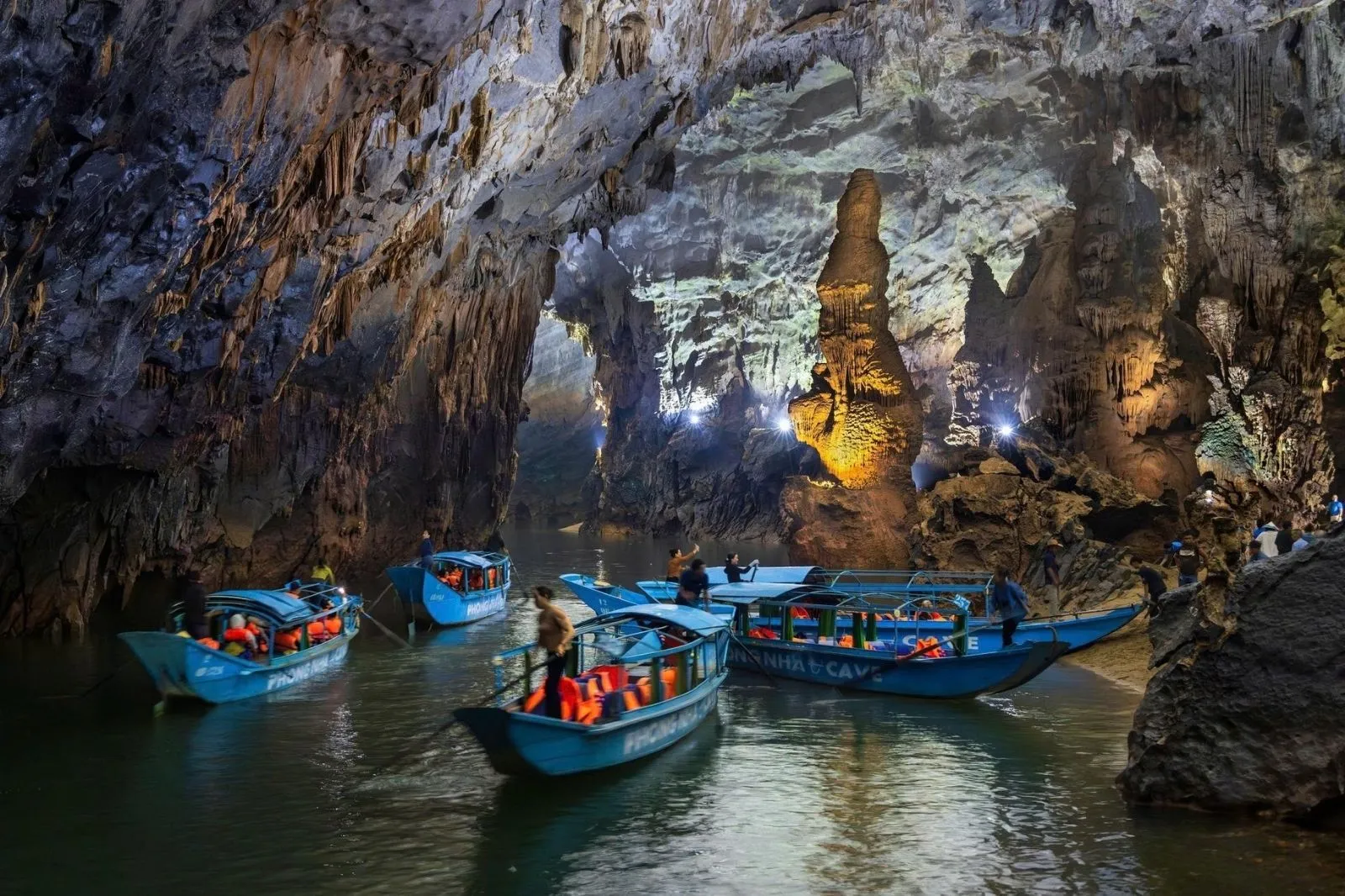
Phong Nha Cave
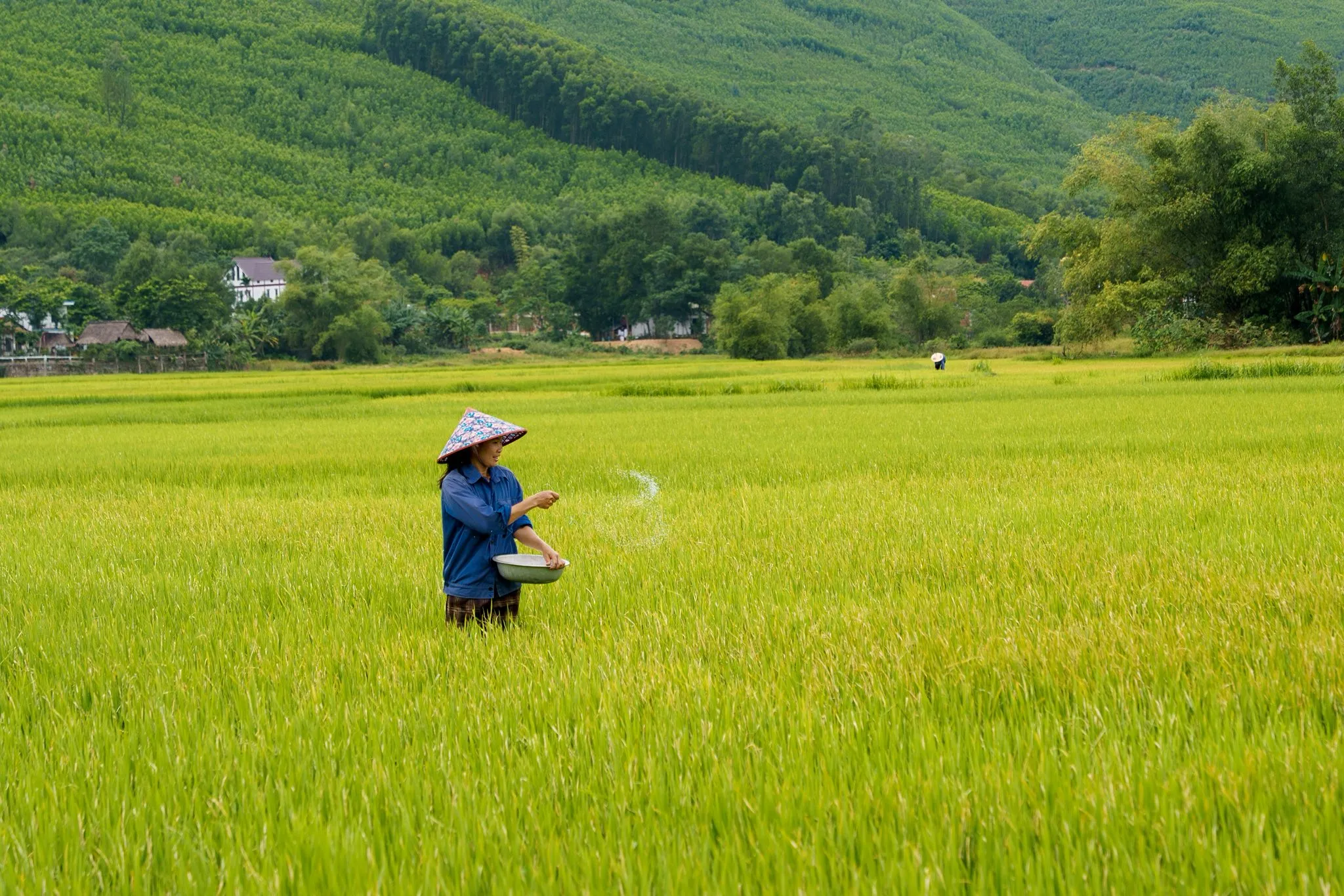
Rice fields in Quang Binh
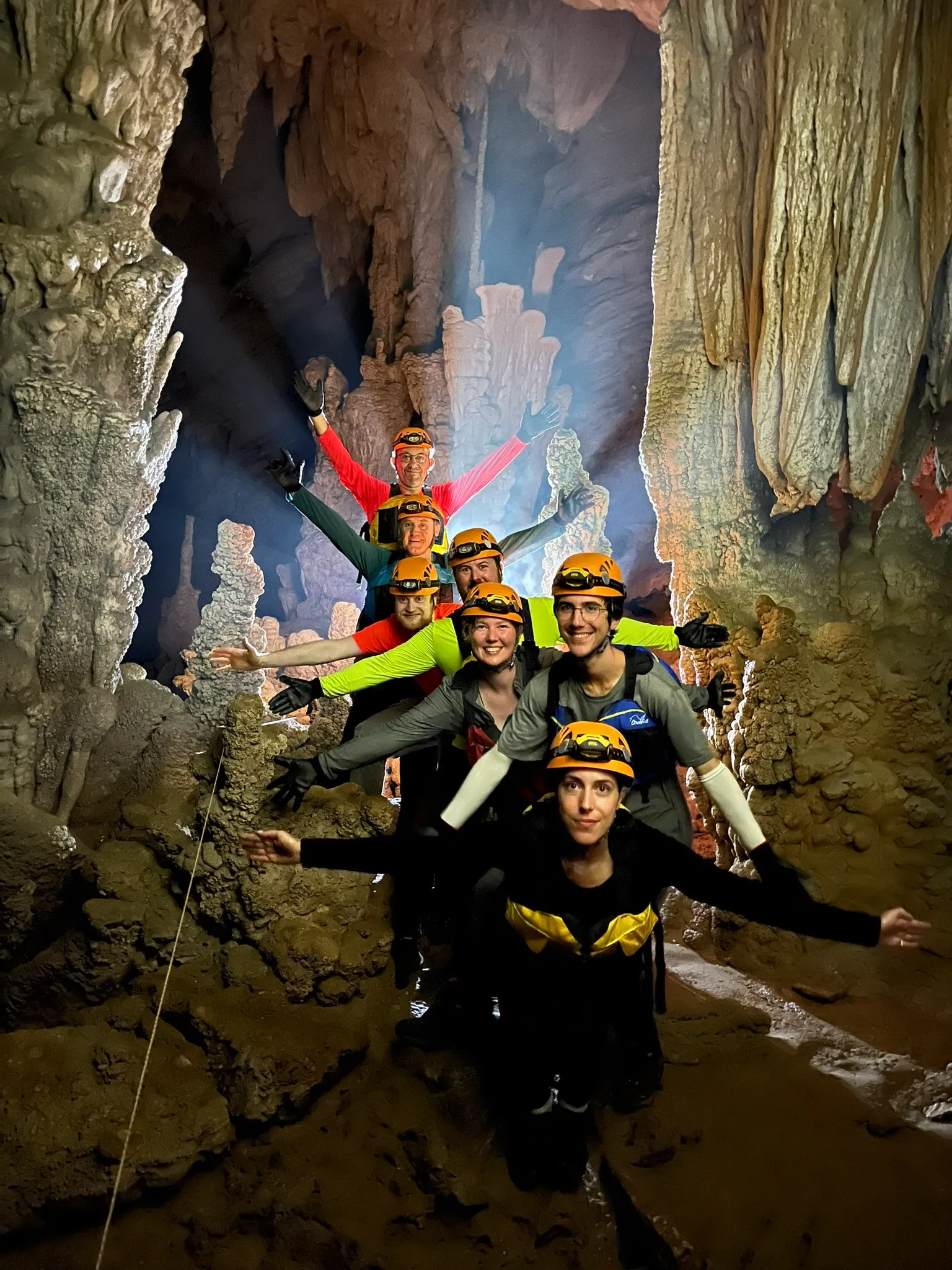
Tu Lan Cave
Travel tips:
- Book your Phong Nha cave tours early, especially for multi-day expeditions with limited slots.
- Plan for fitness and stamina as multi-day expeditions require river crossings, climbing, and long hikes.
- Bring light, quick-dry clothing, hiking shoes, gloves, and insect repellent.
- Stay hydrated, check local forecasts.
- Allow a few buffer days to rest in Phong Nha town and enjoy local food and riverside cafes between adventures.
The rainy season (September–November): A lush time in Quang Binh
The rainy months bring new life to the forests and rice fields, covering Phong Nha – Ke Bang National Park in rich green tones. However, heavy rainfall and regional typhoons may cause temporary closures of caves, waterfalls, and streams for safety.
During this period, large expeditions such as Son Doong Cave, En Cave, and Tu Lan Cave are suspended. Easier accessible sites like Paradise Cave, Phong Nha Cave, or Mooc Stream might close temporarily due to high water levels.
Despite its unpredictability, the rainy season can reward travelers with fewer crowds, vibrant scenery, and meaningful cultural encounters, a different but equally beautiful side of Quang Binh. You can photograph mist-covered limestone peaks or explore cultural sites and local markets in Dong Hoi. It’s also a peaceful time to connect with villagers from the Bru and Dao ethnic communities, who welcome visitors into their homes and workshops.
Travel tips:
- Always check weather updates and confirm cave or river accessibility with local guides.
- Focus on flexible itineraries with indoor alternatives like museums or coffee shops.
- Bring waterproof boots, ponchos, and dry bags.
- Consider carrying a small first-aid kit, flashlight, and mobile power bank.
- Rain can cause slippery paths, power cuts or unexpected delays.
- Choose accommodations with flexible booking or rescheduling policies.
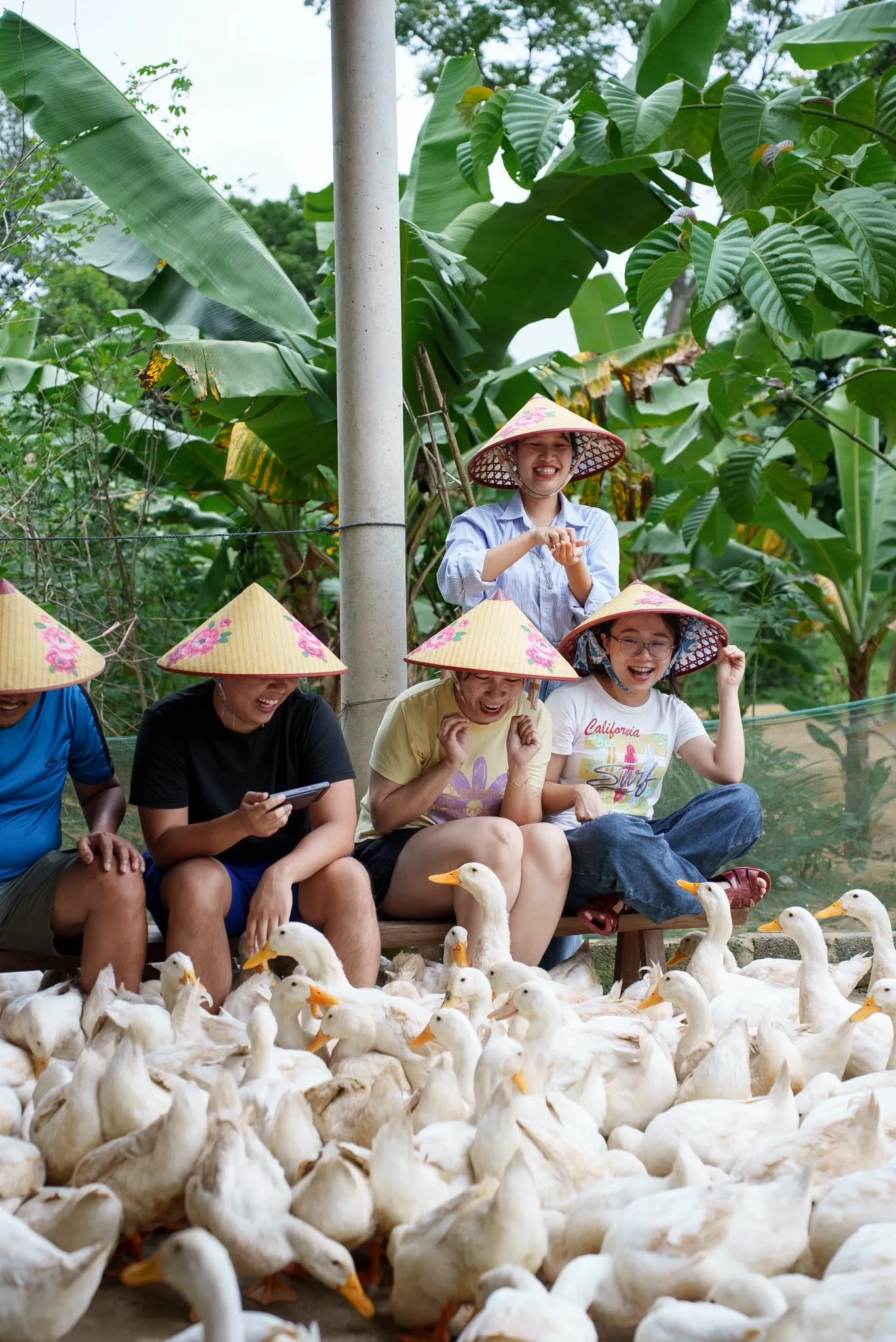
Duck farm in Phong Nha
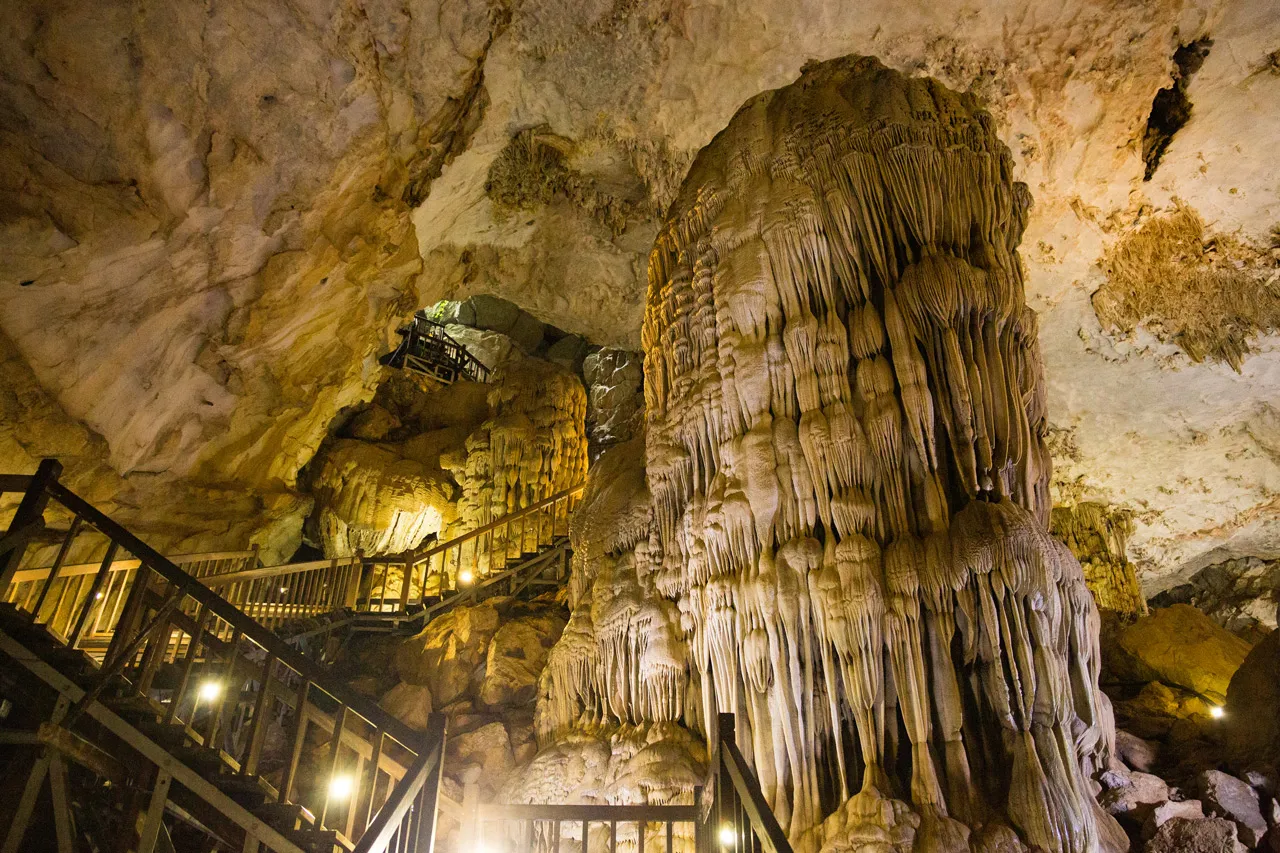
Paradise Cave
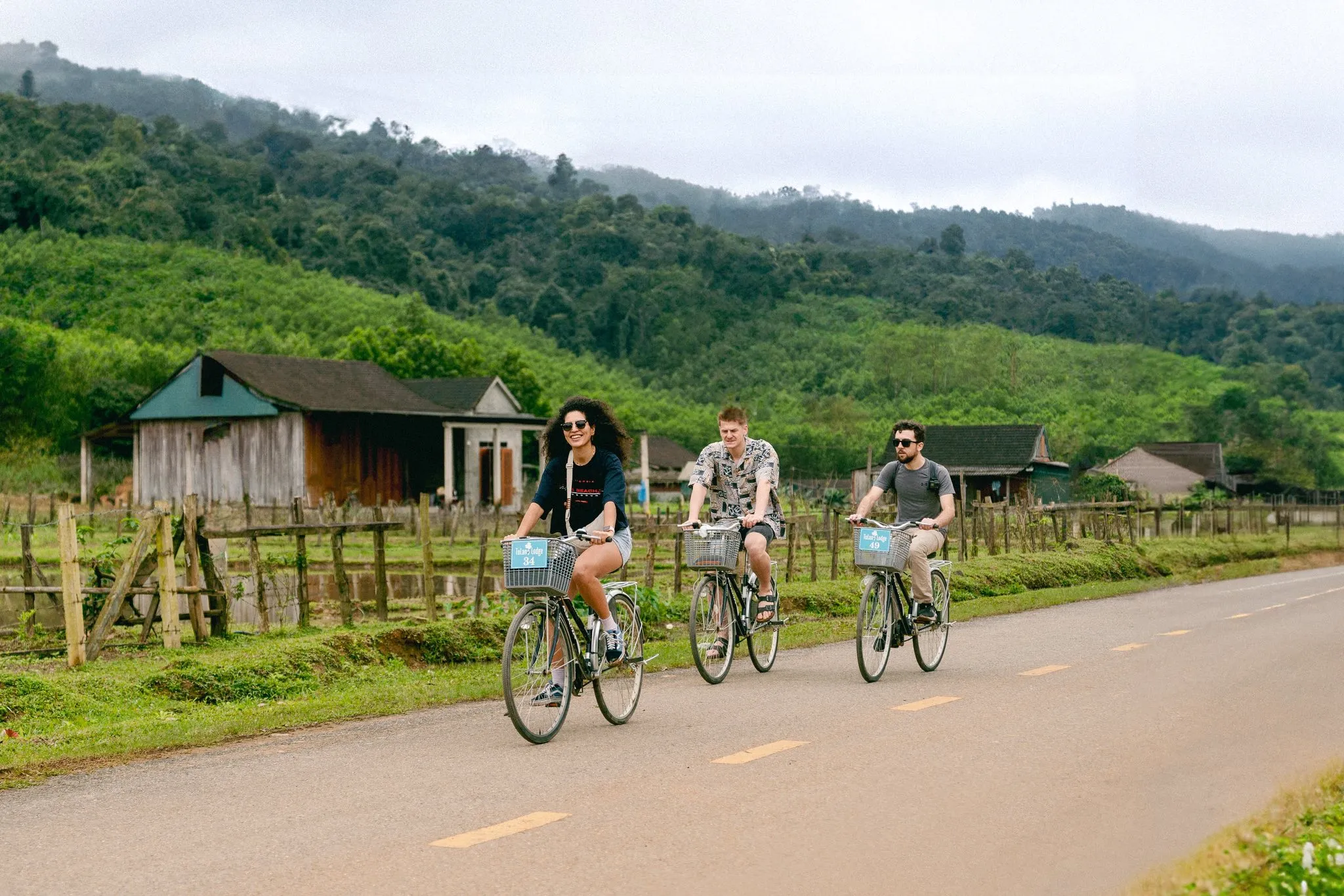
Village encounter
The cool season (December–February): Gentle and photogenic in Quang Binh
Whether you visit during the dry or wet season, these practical tips will help you travel smoothly and enjoy Cambodia in every condition.
The cool months are calm and comfortable, with soft sunlight and misty mornings that make Quang Binh magical. This is when certain caves, like En Cave, Va Cave, and Tu Lan Cave, feature stunning light rays streaming through their openings, a rare and photogenic phenomenon.
It’s also a great time for gentle outdoor activities such as short Phong Nha cave tours, boat rides on the Son River, and cycling through rural trails. While multi-day jungle expeditions may be limited, many dry caves and cultural attractions remain open.
Travel tips:
- Bring light layers and a jacket for cool evenings.
- Plan your activities early in the day, as temperatures drop quickly after sunset.
- Take time to enjoy the quiet atmosphere of Phong Nha town
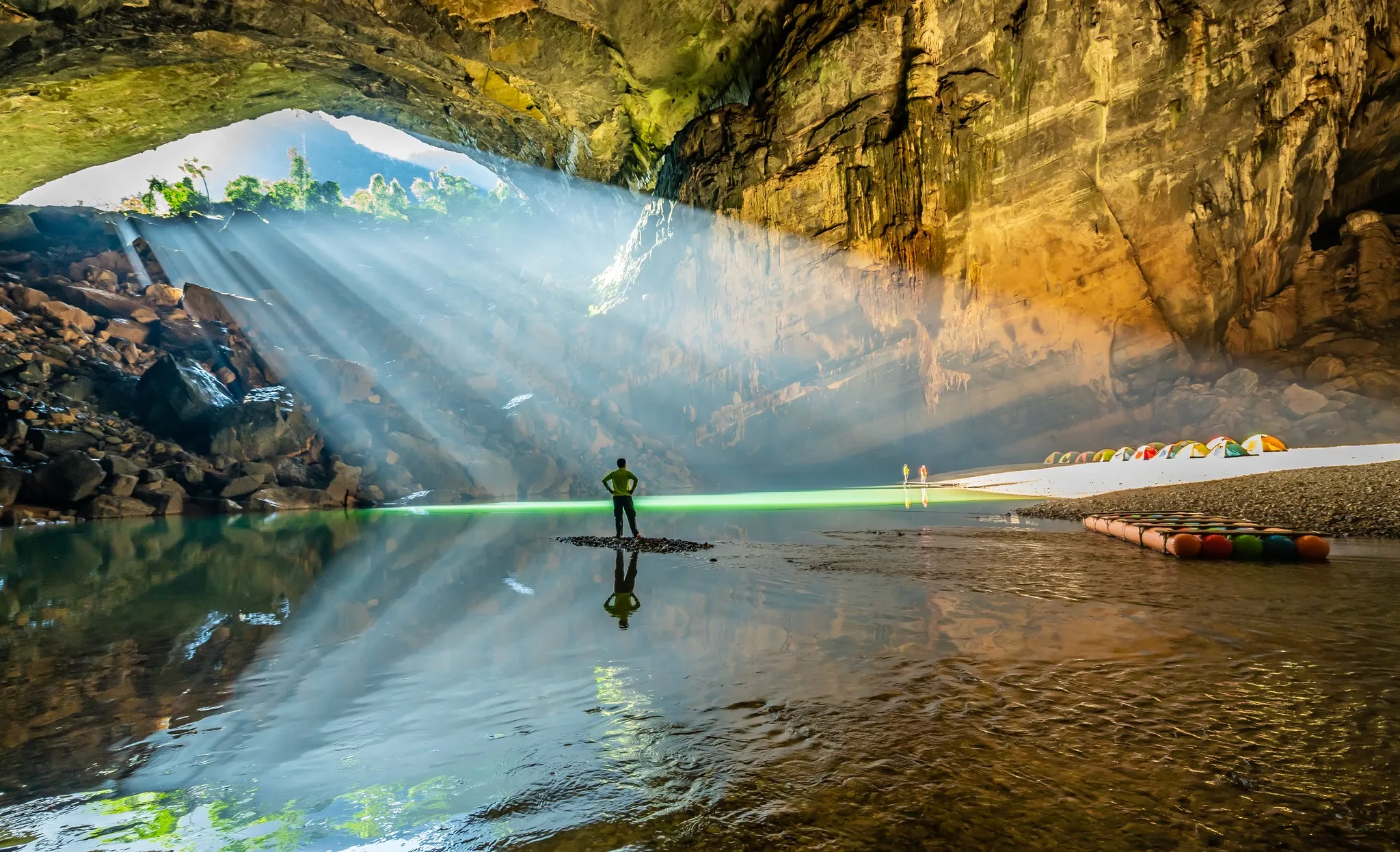
En Cave
How to travel to and around Quang Binh
Getting to Quang Binh is easier than many travelers expect, thanks to its central location along Vietnam’s S-shaped coastline. Whether you’re arriving from Hanoi, Hue, or Da Nang, Travel Sense Asia can organize convenient and comfortable transfers that match your itinerary and travel style.
By air: The quickest route is by flying into Dong Hoi Airport (VDH), located about 45 minutes from Phong Nha – Ke Bang National Park. There are daily flights from Hanoi and Ho Chi Minh City.
By train: For travelers on a scenic Vietnam tour, the Reunification Express train runs along the coast, connecting Dong Hoi with major cities like Ninh Binh, Hue, and Danang. Traveling by train offers a chance to see Vietnam’s countryside at a slower pace, an ideal option during the dry or cool season.
By private car: Most travelers prefer private car transfers with English-speaking drivers, especially when combining destinations.
Where to go next: Combining Quang Binh with other destinations in Vietnam
One of the best things about visiting Quang Binh is how easily it connects with other highlights across Central and Northern Vietnam. Whether you love culture, coastline, or caves, Travel Sense Asia can design the perfect route to match your interests.
Quang Binh, Quang Tri and Hue (3–4 hours by car)
Travel south to explore Vietnam’s Imperial City, royal tombs, and lagoon-side fishing villages. The route between Hue and Phong Nha is one of the most scenic drives in Central Vietnam, passing through the historic 17th Parallel in Quang Tri, once the dividing line between North and South.
Quang Binh and Hoi An – Danang (6–7 hours by train)
After an adventurous time in Quang Binh, unwind by the sea in Hoi An or Danang. These destinations offer golden beaches, ancient streets, and luxurious spa resorts, a perfect extension to balance adventure with relaxation.
Hanoi, Ninh Binh and Quang Binh (multiple-day excursions)
For travelers starting in Hanoi, it’s easy to combine two UNESCO World Heritage sites: the karst landscapes of Ninh Binh (often called “Ha Long Bay on land”) and the caves of Phong Nha – Ke Bang.
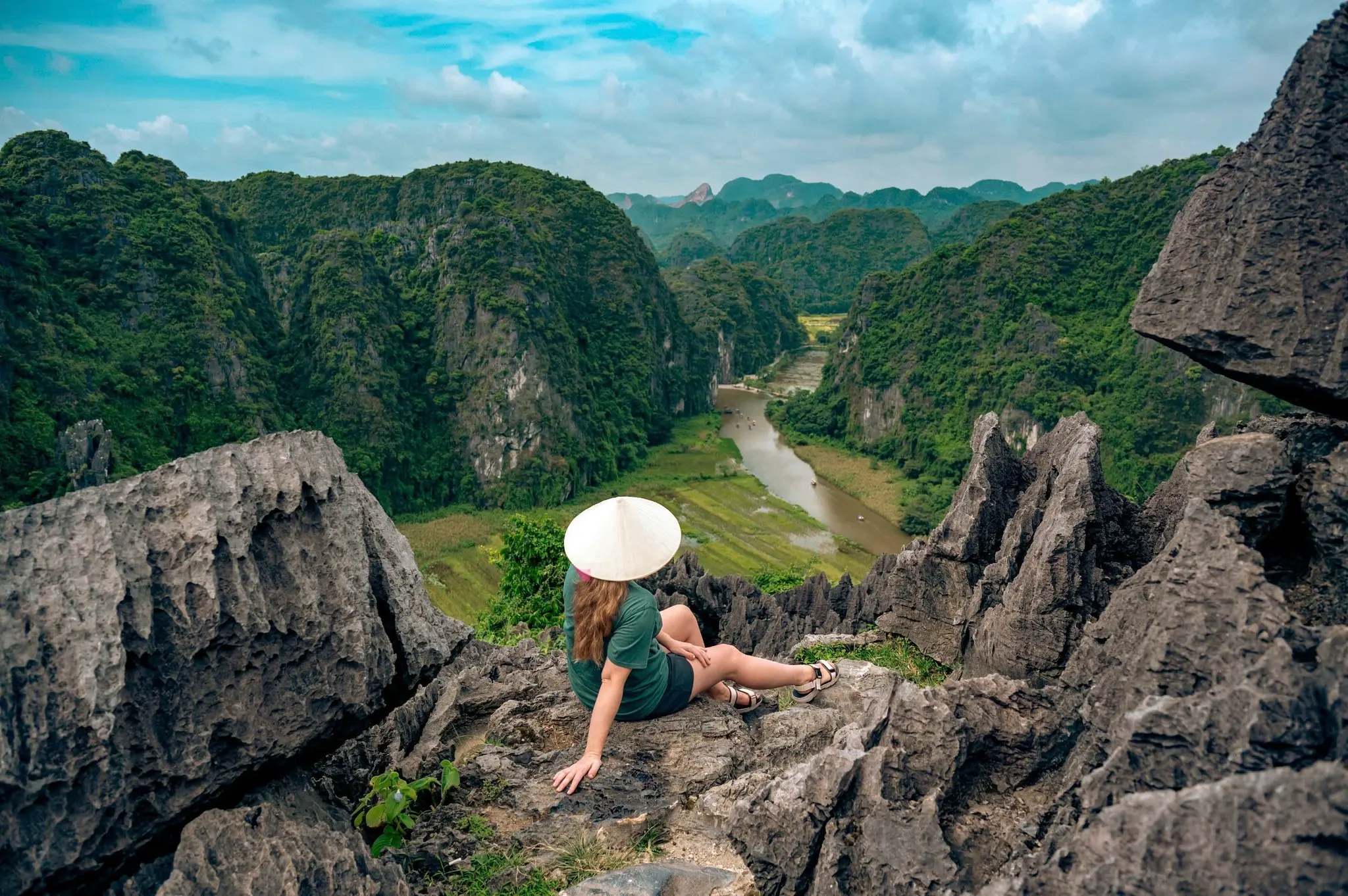
Ninh Binh
Why can you visit Quang Binh with Travel Sense Asia?
Exploring Quang Binh can be a life-changing experience, but also one that requires careful planning. Distances between attractions are long and in the rainy season, weather conditions can change quickly. That’s why traveling with a trusted local expert makes all the difference.
With Travel Sense Asia, every detail is taken care of from start to finish. From airport transfers to guided experiences and safety planning, we ensure your trip runs smoothly and stress-free. Our guides are not only certified but also passionate storytellers who reveal the hidden wonders behind each cave, stream, and village. We guarantee the right pace and comfort for your group by working closely with licensed adventure operators such as Oxalis, ensuring compliance with environmental and safety standards.
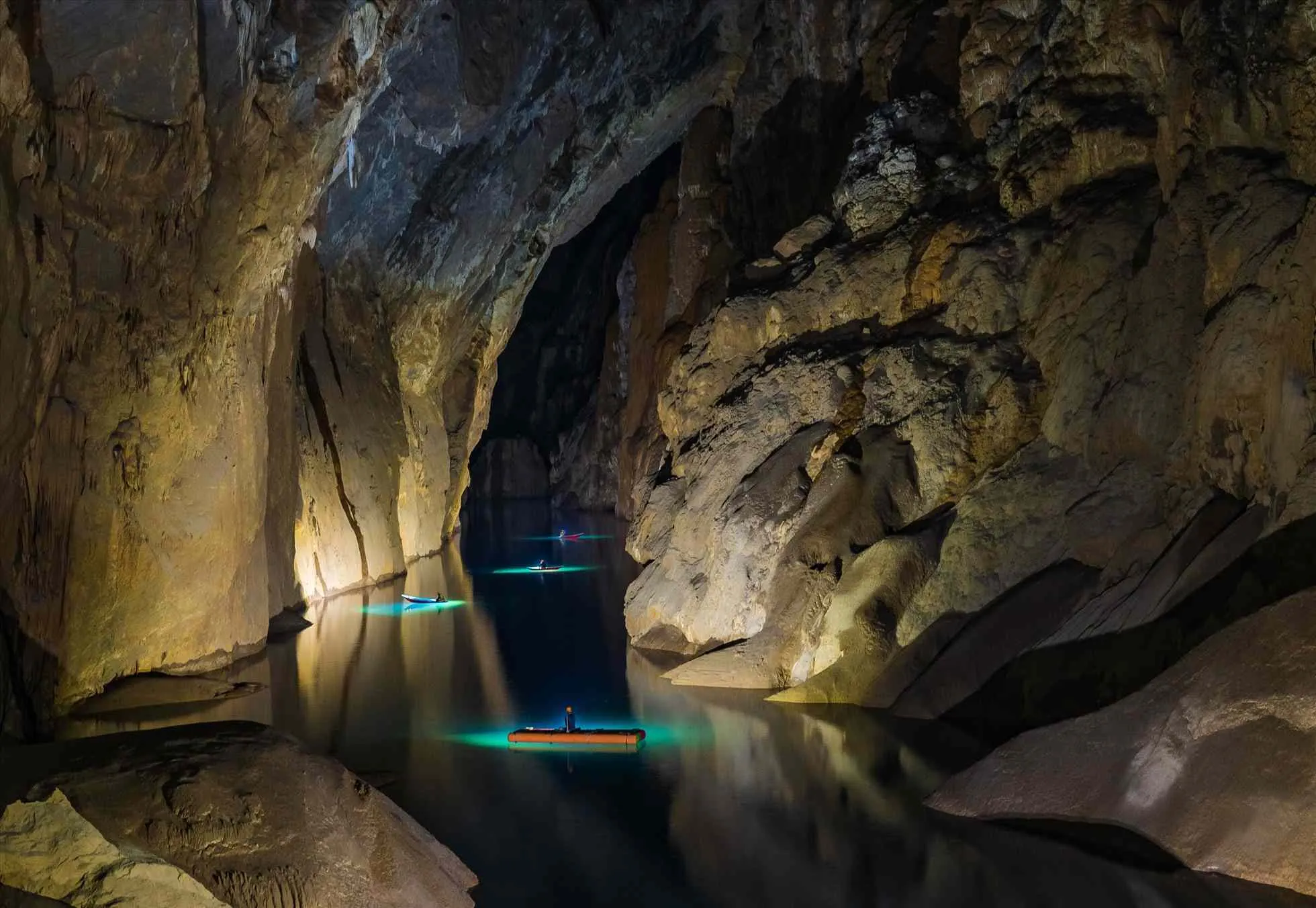
Son Doong Cave with Oxalis Adventures
Conclusion
From the sunlit caves of Phong Nha – Ke Bang to the peaceful streams and coastal villages, every season in Quang Binh reveals a different side of Vietnam’s natural charm. Choosing the best time to visit Quang Binh means more than just good weather, it’s about seeing this landscape at its most alive, whether during the dry months of adventure or the quiet, green beauty after the rains.
Planning your journey with Travel Sense Asia ensures every detail, from weather timing to cave visits and transfers, is perfectly handled, letting you discover Quang Binh, Vietnam safely, comfortably, and at its most spectacular.