





















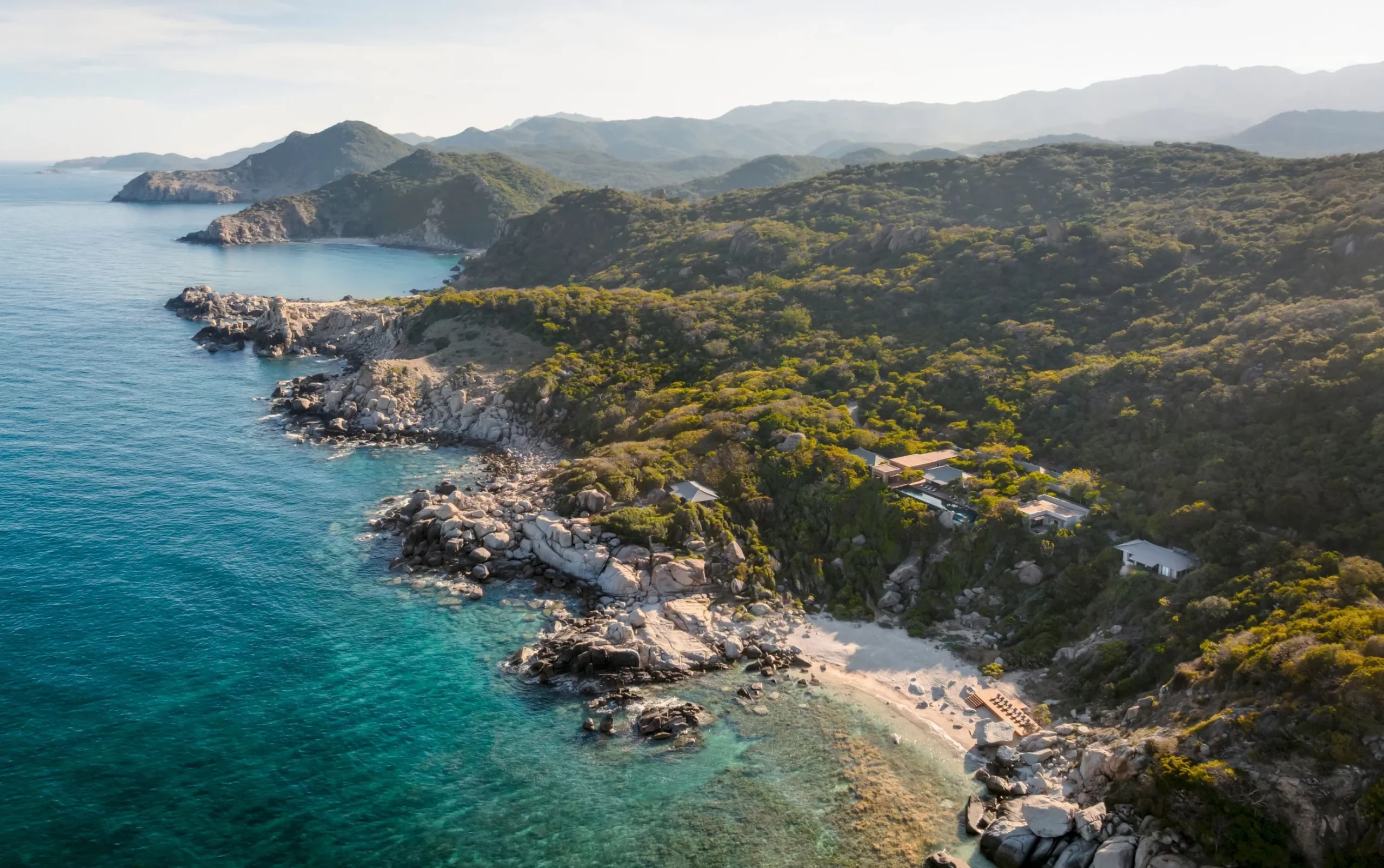
Vietnam isn’t only long but also endlessly diverse, especially when it comes to beaches. With more than 3,200 kilometers of coastline, Vietnam feels like one long string of beach destinations, and each with its own rhythm, season, and personality.
However, Vietnam spans multiple climate zones from north to south, and that’s why the ideal beach season changes depending on where you go. This guide breaks it down month by month and region by region, so you can plan your trip when the sun and sea are at their best.
Vietnam’s coastal climate zones
Vietnam’s coastline doesn’t follow one weather pattern, or rather, it’s split into three distinct climate zones. That’s why you can’t rely on a “one best time for beaches” answer here. Instead, the key is matching your destination with the right season.
- Northern Vietnam (Ha Long Bay, Cat Ba Island): Hot, humid summers from May to September, and cooler, drier weather from October to April.
- Central Vietnam (Da Nang, Hoi An, Nha Trang): Mostly sunny and dry from February to August, followed by heavy monsoon rains from September to December.
- Southern Vietnam (Phu Quoc, Mui Ne, Con Dao): A warm dry season from November to April, and a wetter period from May to October.
Thankfully, this staggered climate means there’s almost always a stretch of Vietnam’s coastline enjoying perfect beach weather, so you just need to know where to go and when.

AFFORDABLE BEACH RESORTS IN VIETNAM
Looking for high-quality stays along the coast? Explore our curated list of top affordable luxury beach resorts in Vietnam.
Best time to visit top beach destinations in Vietnam
With different weather patterns from north to south, each Vietnam’s destination has its own sweet spot for sunshine, calm seas, and clear skies. Here’s when to go to catch Vietnam’s top beaches at their best.
Ha Long Bay and Cat Ba Island
Ha Long Bay is more about cruising through limestone karsts, exploring hidden caves, and soaking in those iconic emerald waters. Pair it with nearby Cat Ba Island, and you’ll get a mix of scenic views and quieter beach spots. The best time to visit is during the shoulder seasons, from April to June and September to November, when the conditions are ideal for boat trips and outdoor activities.
- Best months: April to June with warm weather and clear sky before summer heat peaks; October to November with cool temperatures and less crowd.
- Consider: July to August is the time of peak heat and higher chance of tropical storms; January to February is cold and foggy.
- Typhoon risk: Be aware that late summer (August–September) can bring storms to the north.

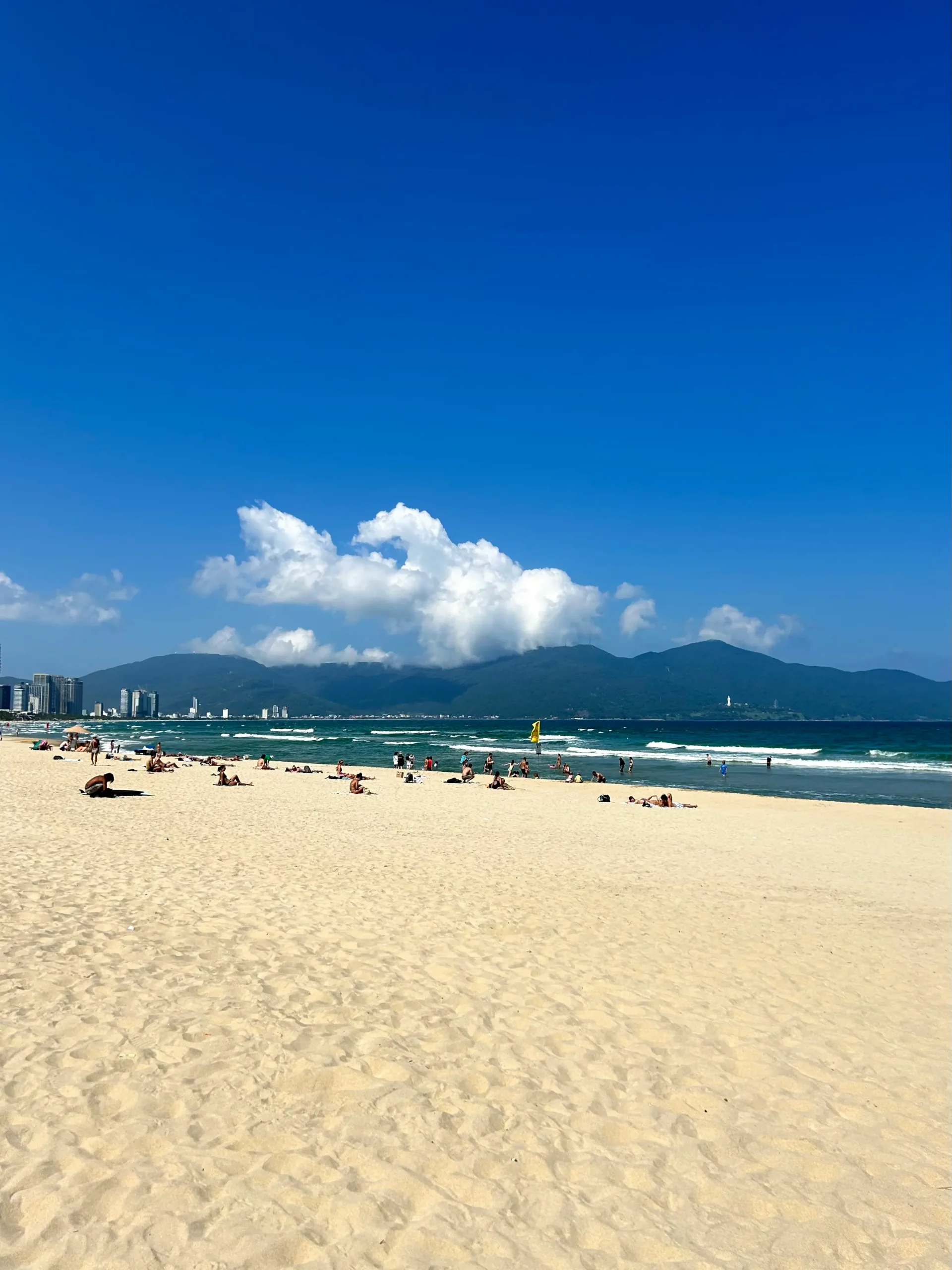
Da Nang: My Khe Beach
Da Nang sits in central Vietnam and is home to My Khe Beach, one of the country’s most iconic stretches of sand. The best time to visit Da Nang for beaches falls between March and August, when skies are clear and seas are calm.
- Peak months: June to August is the hottest, sunniest period and popular with domestic tourists.
- Shoulder season: March to May comes with warm, pleasant weather and smaller crowds.
- Consider: October to January is the time when the central coast bears the brunt of typhoon season and heavy rainfall.
Hoi An: Cua Dai, An Bang and Ha My Beach
Just 30 minutes from Da Nang, Hoi An’s An Bang Beach shares the same seasonal pattern as its northern neighbor. Spring months of March to May are especially magical for traveling with mild temperatures, green rice paddies, and uncrowded sands.
- Peak months: March to May with ideal weather, mild temperatures, fewer tourists; June to August for swimming and beach days.
- Consider: September to December with heavy rains and occasional flooding in Hoi An; January to February with cooler, cloudy, and sometimes windy conditions.
- Tips: Early mornings or late afternoons are the best times to enjoy the beach, especially in summer when midday heat can be intense.
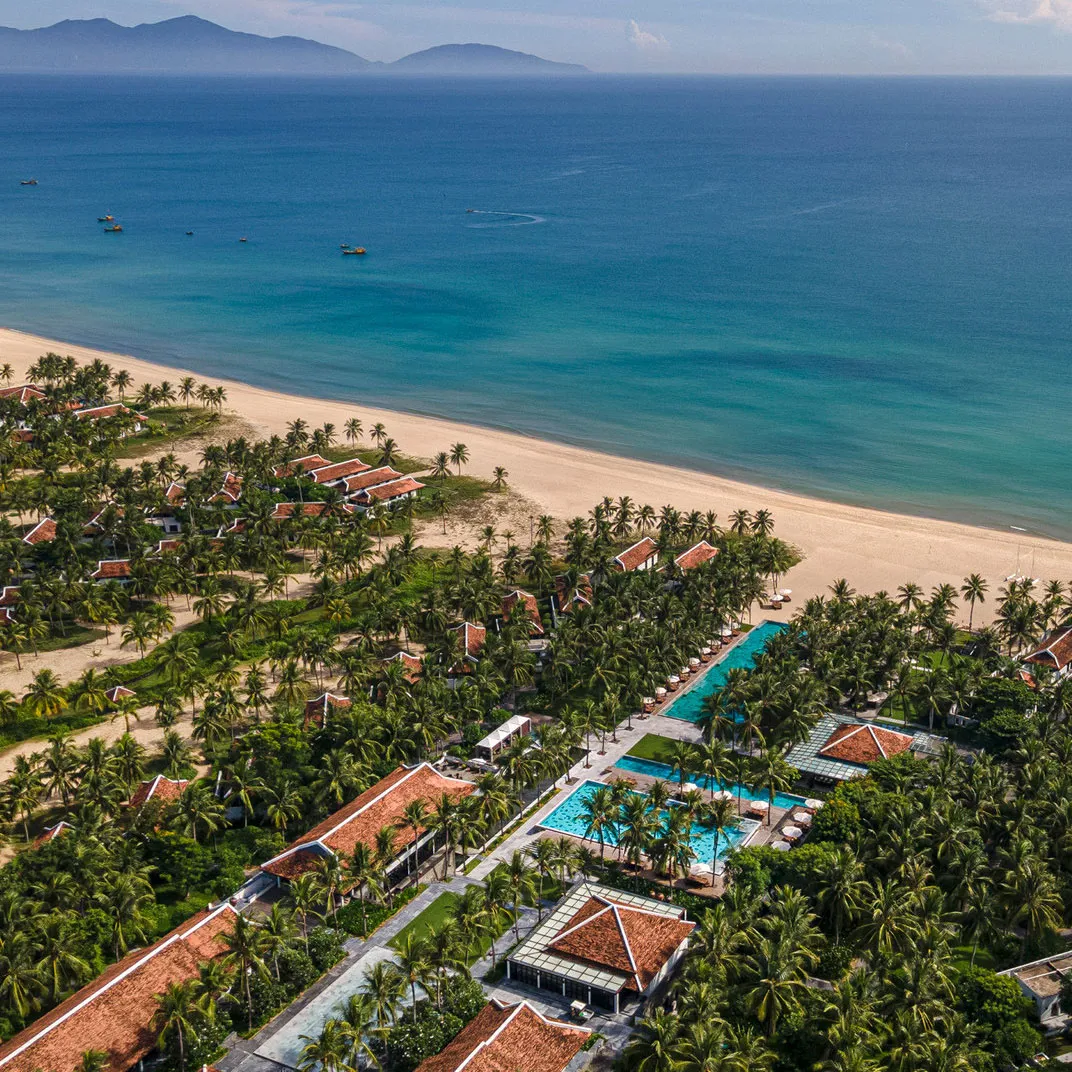
DISCOVER NHA TRANG BEACHES
Uncover pristine shores and hidden gems across Nha Trang with our detailed coastal guide.
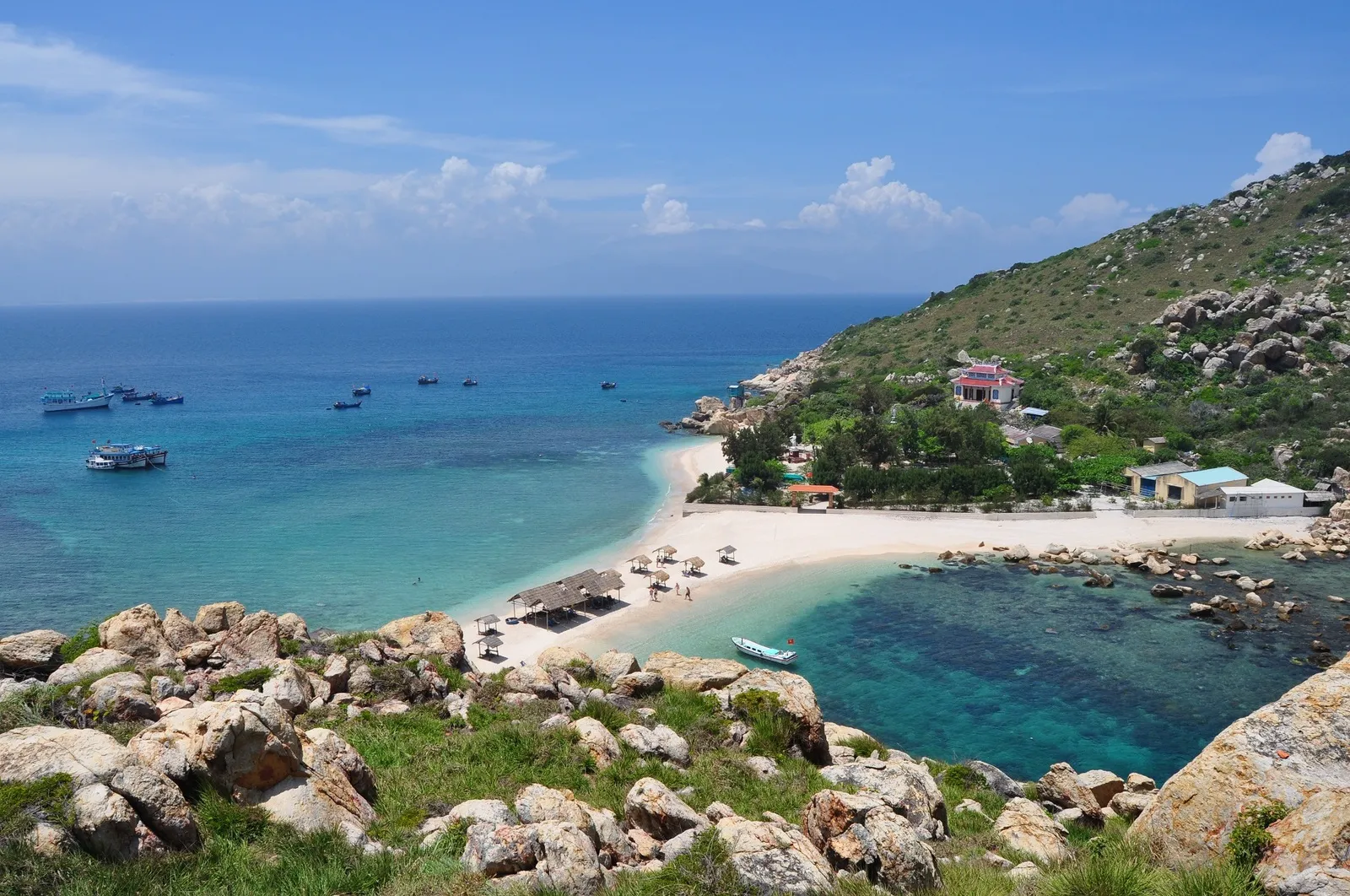
Nha Trang
Nha Trang is Vietnam’s most famous beach resort city, known for its vibrant nightlife, snorkeling, and island-hopping. The best time to visit Nha Trang is from March to August, with the clearest skies typically in May and June.
- Peak months: June to August comes with warm water and buzzing atmosphere.
- Best for diving: March to August, when visibility underwater is at its highest.
- Consider: October to December has strong winds and heavy rain that makes beach days unreliable.
Mui Ne
Mui Ne is especially popular among kitesurfers and windsurfers looking for consistent conditions. The best time to visit this place is during the dry season from November to April.
- Best for water sports: December to March has reliable northeast winds to make Mui Ne a world-class kitesurfing destination.
- Best for relaxed beach days: November and April of calmer conditions with sunny skies.
- Consider: July to October is monsoon season bringing strong rainfall and rough surf.

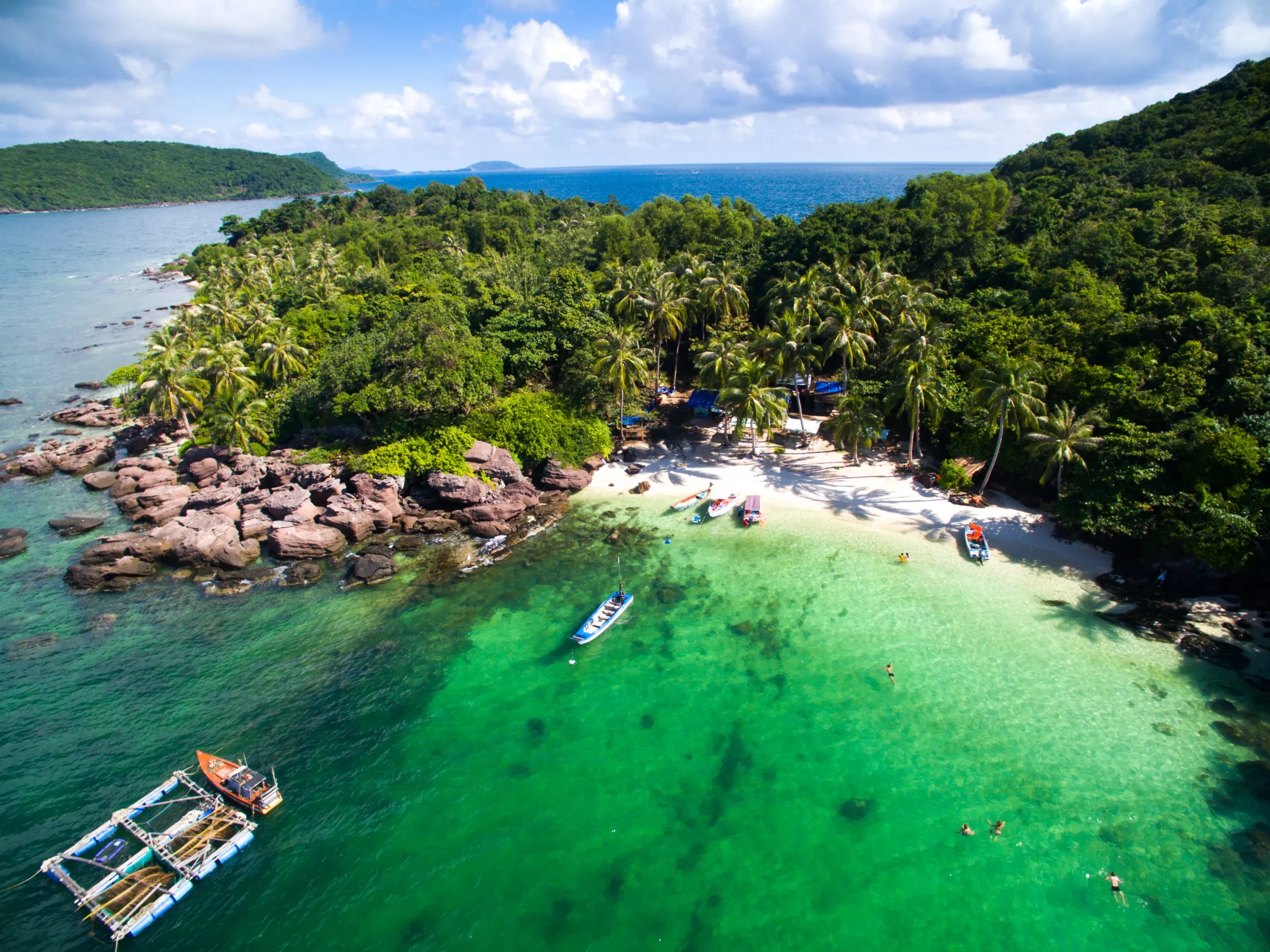
Phu Quoc
Phu Quoc is Vietnam’s largest island tucked away in the southwest, feels like a different world altogether with soft white sand, glassy turquoise water and coral reefs just offshore. The best time to visit Phu Quoc is during the dry season, from November to April, when the island is at its most postcard-perfect.
- Peak months: December to April with calm seas, sunshine, and low humidity.
- Consider: June to October with heavy monsoon rains and rough seas can disrupt boat trips.
- Sweet spot: November and May are shoulder months, offering lovely weather with fewer crowds than peak December and January.
PHU QUOC BEACH SELECTION GUIDE
Unsure which shore matches your style? Read our expert advice on choosing the best beach in Phu Quoc.
Con Dao
Con Dao is one of Vietnam’s most untouched island escapes, feeling quieter and more wild compared to other beach destinations. This remote chain of 16 islands is known for its crystal-clear waters, vibrant coral reefs, and protected nesting grounds for sea turtles. The best time to visit Con Dao is from November to May, during the dry northeast monsoon season.
- Best for turtle watching: June to September (though seas can be rough)
- Best overall: January to May with calm seas, clear water, and excellent snorkeling

Best Vietnam beaches by month
This quick month-by-month guide gives you a snapshot of where to go for the best beach weather throughout the year, so you can easily match your travel dates with the perfect coastal destination.
| Month | Best Beach Destinations |
|---|---|
| January – February | Phu Quoc, Mui Ne, Con Dao |
| March | Da Nang, Hoi An, Nha Trang, Mui Ne, Phu Quoc, Con Dao |
| April | Ha Long Bay, Cat Ba Island, Da Nang, Hoi An, Nha Trang, Mui Ne, Phu Quoc, Con Dao |
| May – June | Ha Long Bay, Cat Ba Island, Da Nang, Hoi An, Nha Trang |
| July – August | Da Nang, Hoi An, Nha Trang |
| September | Ha Long Bay, Cat Ba Island (end of season) |
| October | Ha Long Bay, Cat Ba Island |
| November | Phu Quoc, Mui Ne, Ha Long Bay, Cat Ba Island |
| December | Phu Quoc, Mui Ne, Con Dao |
What to expect at Vietnam’s beach
Knowing when to go is only half the picture. Understanding what the sea is actually like when you arrive helps you plan the right activities such as snorkel, surf, or simply float in warm, glassy water.
Water temperature
The warmest sea temperatures occur between May and October across most of the coastline in Vietnam, typically ranging from 26°C to 30°C (79°F to 86°F). However, in the north, around Ha Long Bay and Cat Ba, winter months (December to February) can bring cooler air temperatures of 15°C, which makes the experience harsh for swimming or diving.
Wave and sea conditions in Vietnam
Vietnam’s beach conditions are closely tied to the monsoon winds, which shift throughout the year and affect each region differently.
Northeast monsoon (October to April): Beaches around Da Nang and Hoi An tend to have choppier seas during this time. In contrast, southern spots like Phu Quoc, Mui Ne, and Con Dao enjoy calmer, flatter waters. Thanks to steady northeast winds, Mui Ne becomes one of the top kitesurfing destinations in Southeast Asia.
Southwest monsoon (May to October): During this season, winds move across the south and central regions. Phu Quoc, especially its western beaches, experiences stronger winds and rougher waves. Meanwhile, the central coast, including Da Nang and Nha Trang, enters its calmest and sunniest period for swimming, paddleboarding, and kayaking.

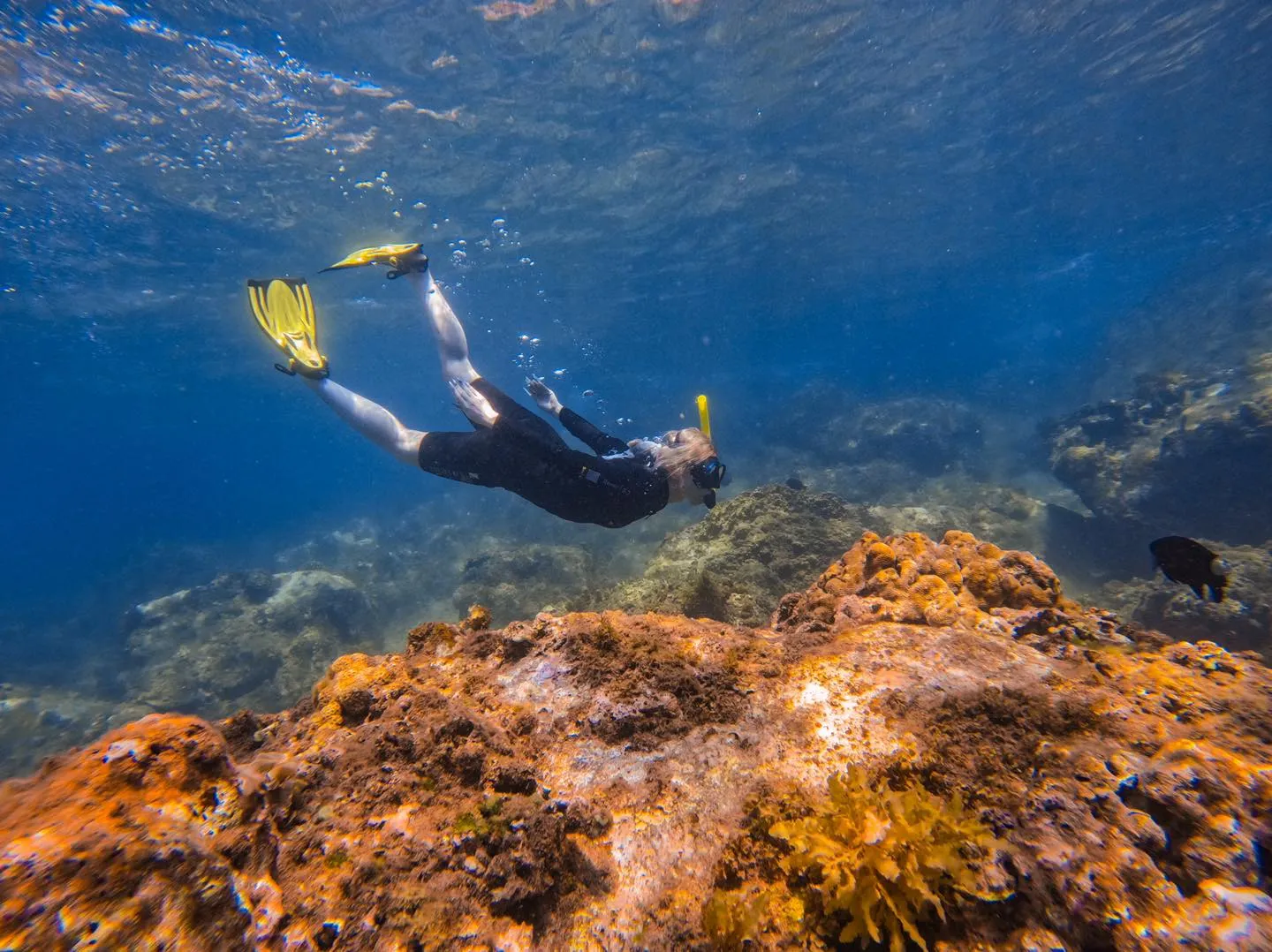
Visibility for snorkeling and diving
Water clarity is heavily influenced by rainfall and wind-driven sediment. As a general guide:
Phu Quoc diving: Best from December to April, with visibility often exceeding 15 meters around the southern tip islands.
Nha Trang diving: March to August is peak season for clarity and calm conditions around islands in Nha Trang.
If diving or snorkeling is the primary purpose of your trip, aim for the dry season of whichever region you’re visiting, and try to go in the morning since afternoon winds tend to pick up and reduce surface visibility.
Marine life awareness
Jellyfish are more prevalent in warmer months and after storms, particularly along the central coast between July and September. Most are harmless, but box jellyfish are a serious concern. Beaches in Da Nang and Nha Trang occasionally post warnings during summer. Wearing a lycra rash guard when snorkeling during these months is a sensible precaution.
On the positive side, warmer months also bring spectacular marine biodiversity: sea turtles nesting on Con Dao’s beaches (June to September), starfish spotted at North Phu Quoc (December to April), and vibrant reef fish throughout the year.
TRUSTED BY THE VIETNAM NATIONAL AUTHORITY OF TOURISM
Travel Sense Asia is incredibly proud to be featured on the official Vietnam Tourism board as a certified destination partner.
Tips for planning a Vietnam beach holiday
Vietnam has incredible beaches year-round, but a smooth trip comes down to timing and local know-how.
1. Book accommodation early for peak season
If you’re heading to southern hotspots like Phu Quoc or Mui Ne, plan ahead. December to February is the high season, and hotels fill up quickly, especially around Christmas and Tet. Booking early not only secures better options but can also save you money.
2. Don’t ignore shoulder seasons
Some of the best times to visit Vietnam’s beaches are actually the shoulder months like April and November. You’ll often get great weather, fewer tourists, and better prices, which is a perfect balance if you want a more relaxed trip without sacrificing conditions.
3. Check typhoon season alerts
Central destinations like Da Nang, Hoi An, and even Nha Trang can be affected by tropical storms between September and November. Always check weather forecasts and stay flexible with your plans if you’re traveling during this period.

Plan your flawless beach escape in Vietnam
The best time to visit Vietnam for beaches really comes down to timing your trip with the right region. As the weather shifts from north to south, there’s always a stretch of coastline enjoying perfect conditions.
Match your travel dates with the ideal months, stay flexible with your plans, and you’ll experience Vietnam’s beaches at their absolute best. With more than 17 years of experience organizing bespoke private tours across Vietnam, our Travel Sense Asia team ensures your coastal getaway is well-managed, seamless, and completely stress-free.
FAQs about beaches in Vietnam
1. What months are best for beaches in Vietnam?
Overall March to August is a safe window for beach travel in most parts of Vietnam. Central areas like Da Nang and Nha Trang are at their best during this time, while southern destinations like Phu Quoc shine from November to April.
2. When is the best time to visit Vietnam Da Nang?
The ideal time to visit Da Nang is from March to August. If you prefer fewer crowds, aim for March to May.
3. When is the best time to visit Vietnam Phu Quoc?
Phu Quoc is best visited between November and April, during the dry season.