






When travelers envision the mountains of northern Vietnam, Sapa is often the first destination that comes to mind. With its signature cool climate and postcard-perfect landscapes, Sapa has historically been the symbol of Vietnam’s northern highlands. However, in recent years, it has become noticeably saturated with tourism. If your preference leans towards purer landscapes, the call is to venture further north. Welcome to Ha Giang, often regarded as Vietnam’s final frontier.
This region is home to the legendary Ha Giang Loop, where the nature and heritage still feel wonderfully untouched. We invite you to read on to discover why Ha Giang offers the profound sense of discovery and genuine cultural depth that the modern discerning traveler seeks.
Why is Ha Giang still a hidden treasure in Northern Vietnam?
Few places in Asia rival the raw beauty of Ha Giang, a region that sits at the very top of Vietnam’s map. While Sapa has evolved into a popular resort destination, Ha Giang has retained its integrity as an untamed cultural and natural frontier. The journey from Hanoi to Ha Giang feels like a gradual unveiling, each hour takes you deeper into Vietnam’s soul.
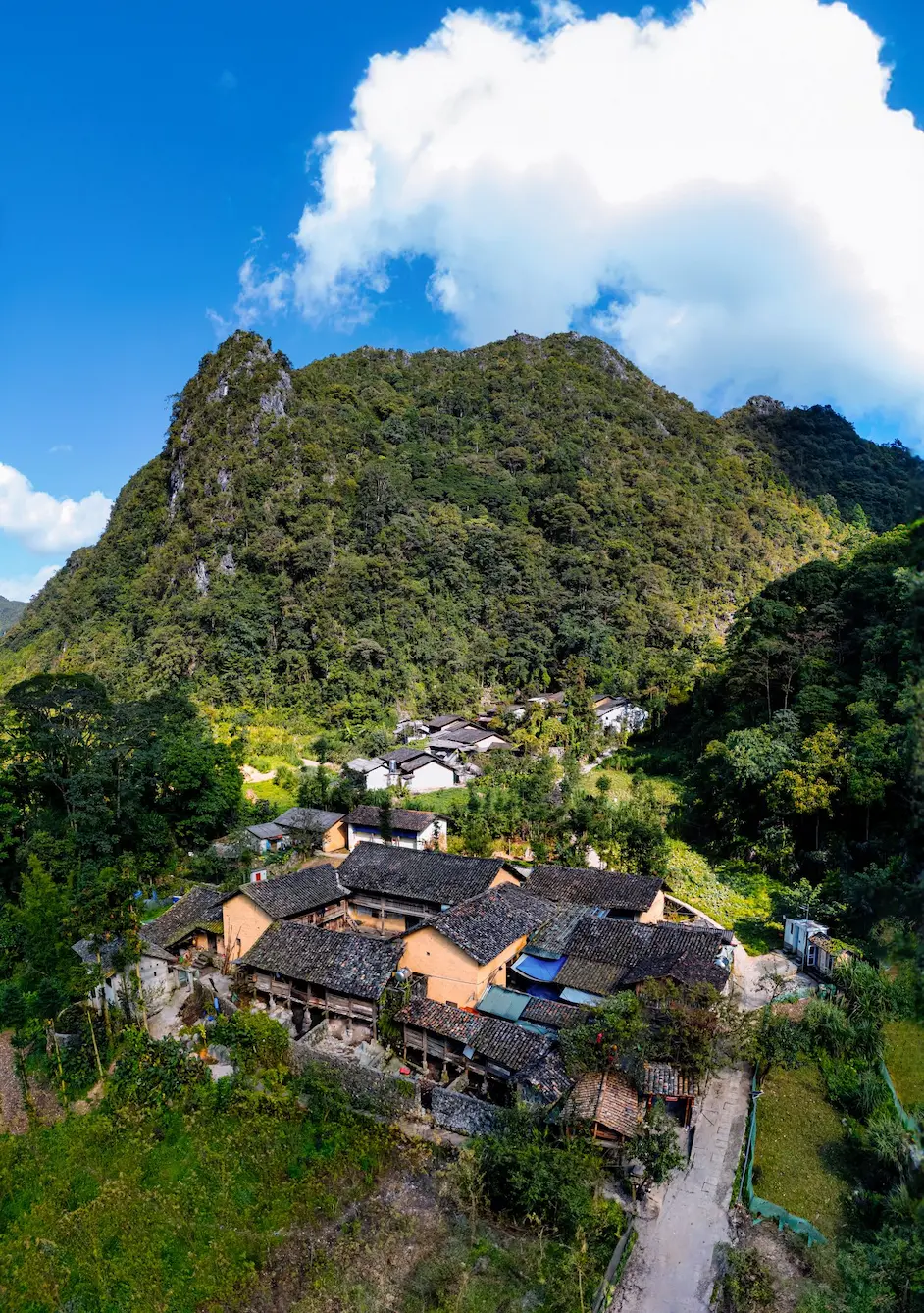
The overall landscape is one of extraordinary geological significance, where sharp limestone ridges pierce the sky and small, resilient communities cling to the slopes below. This sense of vast, untouched nature is the region’s greatest draw. Beyond the natural grandeur, Ha Giang’s culture adds another layer of fascination. Along the road, you’ll meet H’mong, Dao, Tay, and Lo Lo people, each with their own traditional dress, language, and customs.
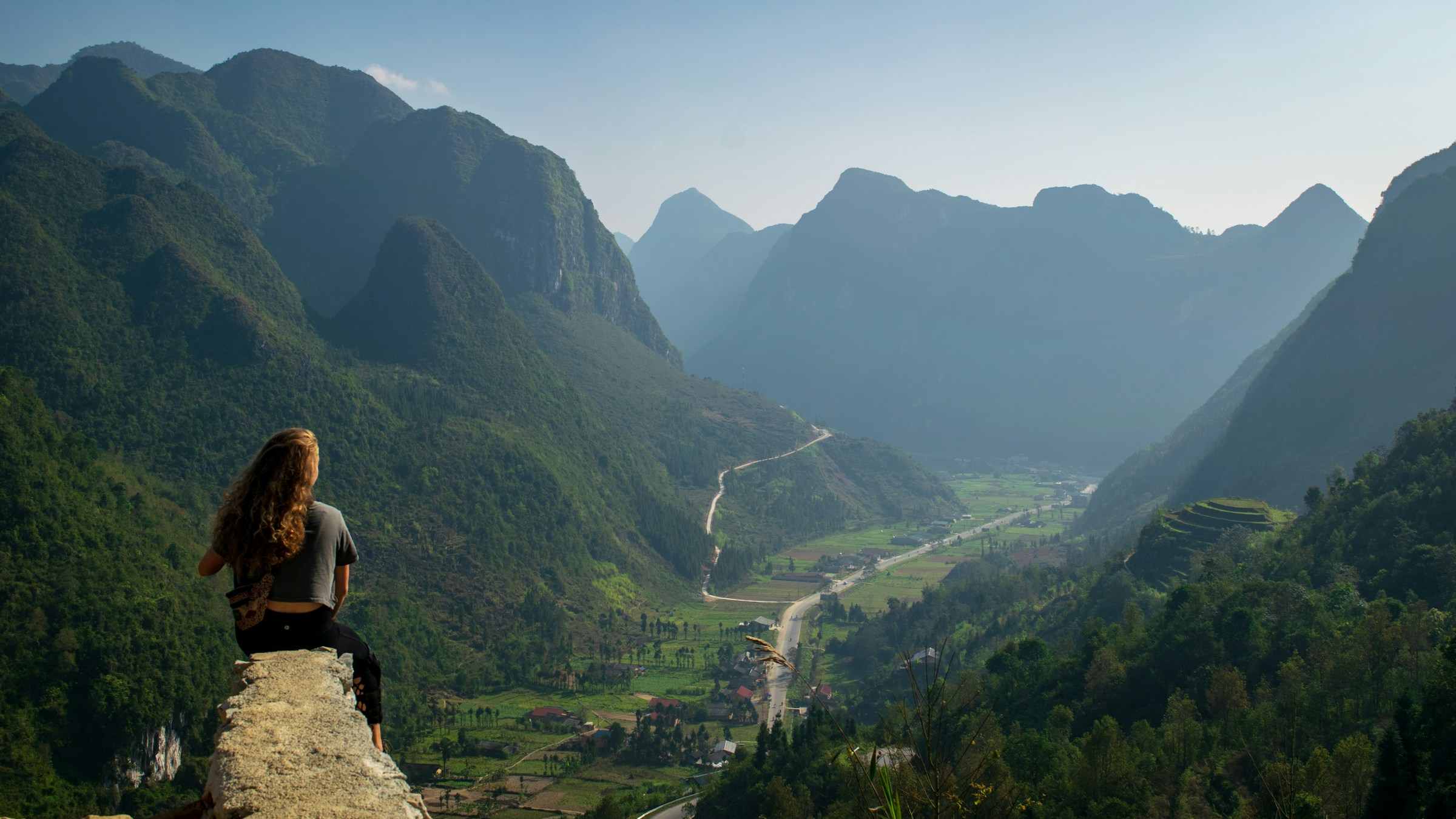
A typical valley in Ha Giang
Understand the seasons of Ha Giang Vietnam: When to go?
To truly appreciate Ha Giang, it helps to understand its rhythm. Each season paints the mountains in a new color.
Spring (February – April): Ha Giang wakes up gently with the cool air. Pink peach blossoms and white plum flowers spread across the hills. Villages celebrate local New Year festivals with drumming, dancing, and games.
Summer (May – August): The rice terraces turn bright green, shimmering under the sun. Small streams swell after the rains, and the Nho Que River becomes even more vivid. It’s a great time for trekking and kayaking, though you should expect warm days and refreshing evening rains.
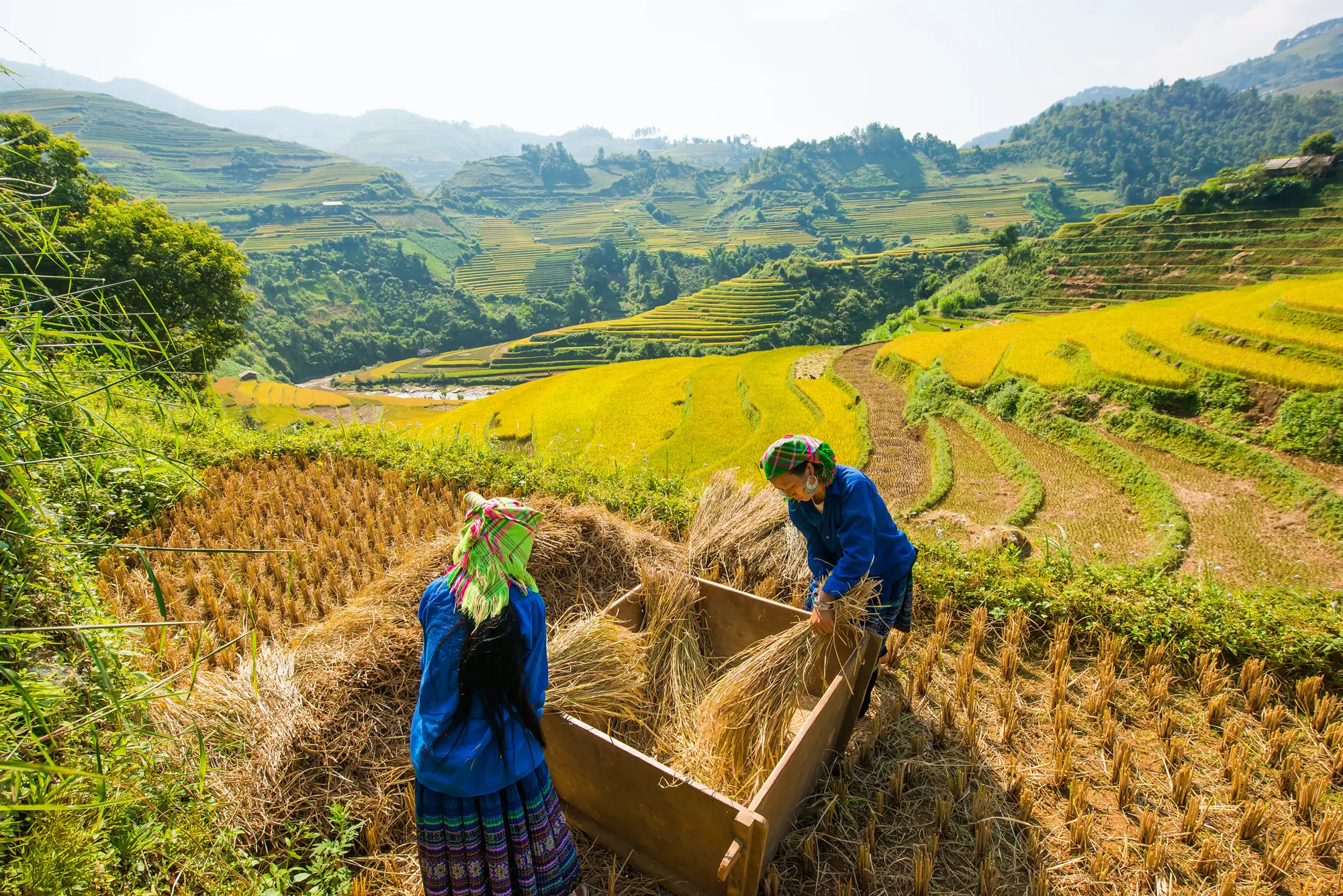
Autumn (September – October): Golden season arrives. Rice fields ripen, spreading waves of amber across the valleys. The skies turn crystal blue, the air grows dry and clear, and the views are endless. This is, without question, the best time to visit Ha Giang for photographers.
Winter (November – January): The air becomes crisp and clear. While mornings can be cold, the days are often bright, offering surreal light. Mist lingers low in the valleys, then clears to reveal peaks glowing in the sun. This season is perfect for long scenic drives on the Ha Giang Loop and quiet cultural encounters.

Ha Giang Loop: An unforgettable journey being praised worldwide
Admire the off-the-beaten-path views that few have seen
Instead of a single town, the Ha Giang experience is a journey: the iconic Ha Giang Loop. This multi-day route is considered one of the most spectacular road trips in all of Southeast Asia. The loop takes you through the region’s most breathtaking sights:
Dong Van Karst Plateau Geopark: This UNESCO-recognized area serves as the dramatic setting for the entire loop. You will travel through a breathtaking landscape of monumental stone formations, a world carved from ancient limestone.
Lung Cu Flag Tower:Stand at the northernmost point of Vietnam, where the national flag flutters above endless valleys that stretch into the distance.
Ma Pi Leng Pass: The crown jewel of the loop, this legendary pass stretches between Dong Van and Meo Vac. It’s considered one of the most spectacular mountain roads in the region, offering vertigo-inducing views from its highest bend.
Nho Que River: From the pass, you can look down upon the jade-green Nho Que River, snaking quietly through a deep canyon. A boat trip on the river, looking up at the towering cliffs, is an unforgettable experience.
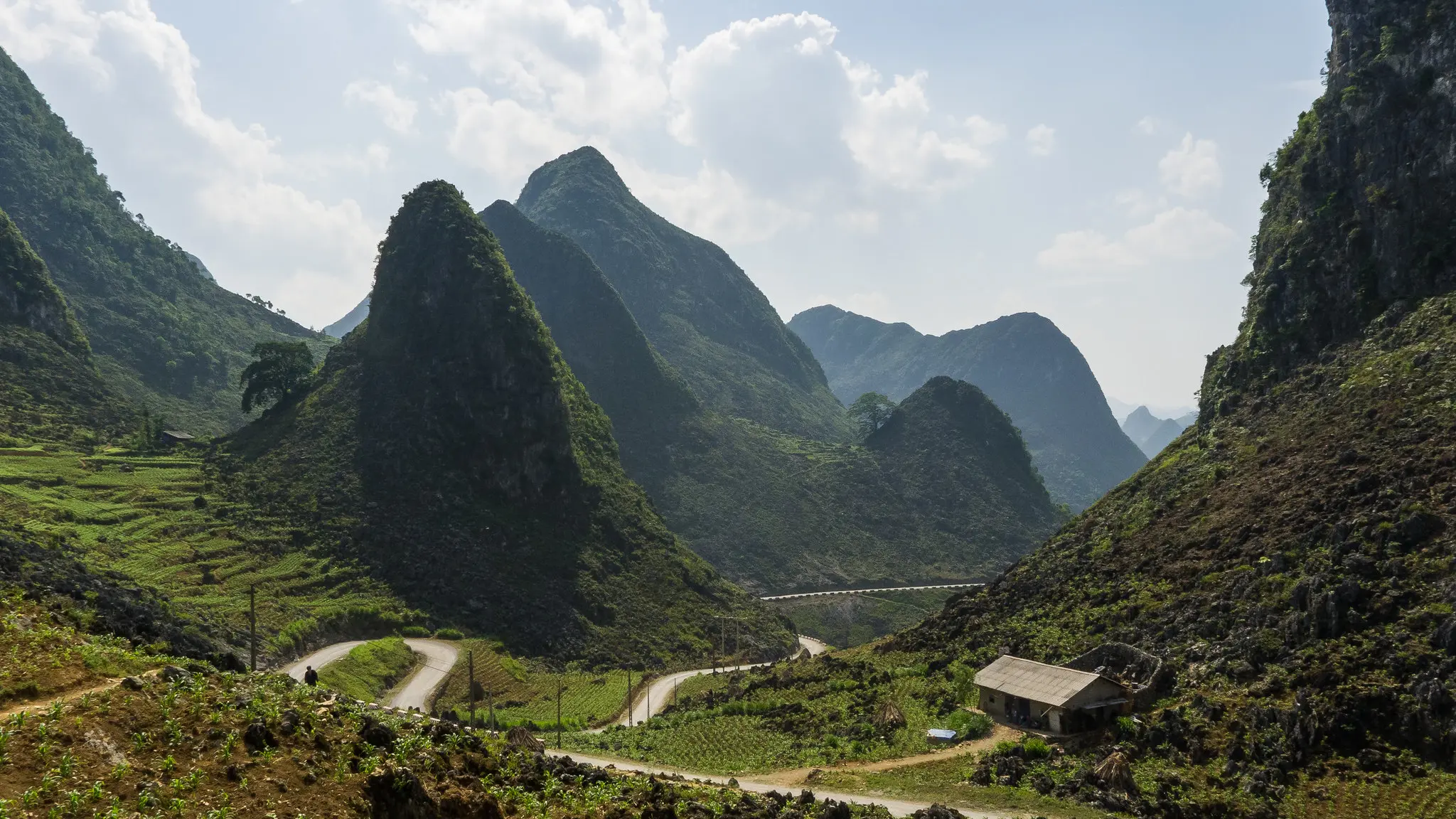
Ma Pi Leng Pass
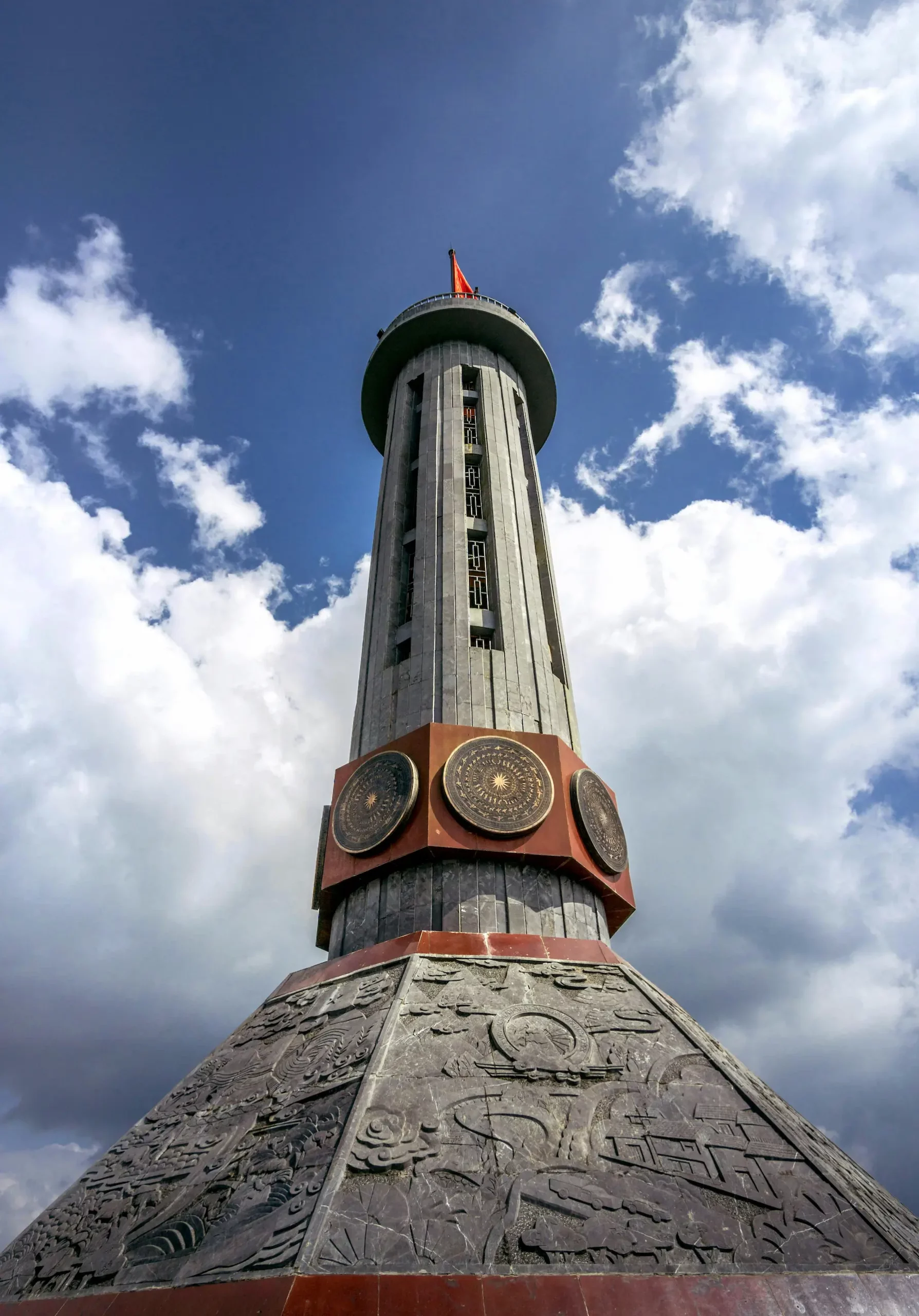
Lung Cu Flag Tower
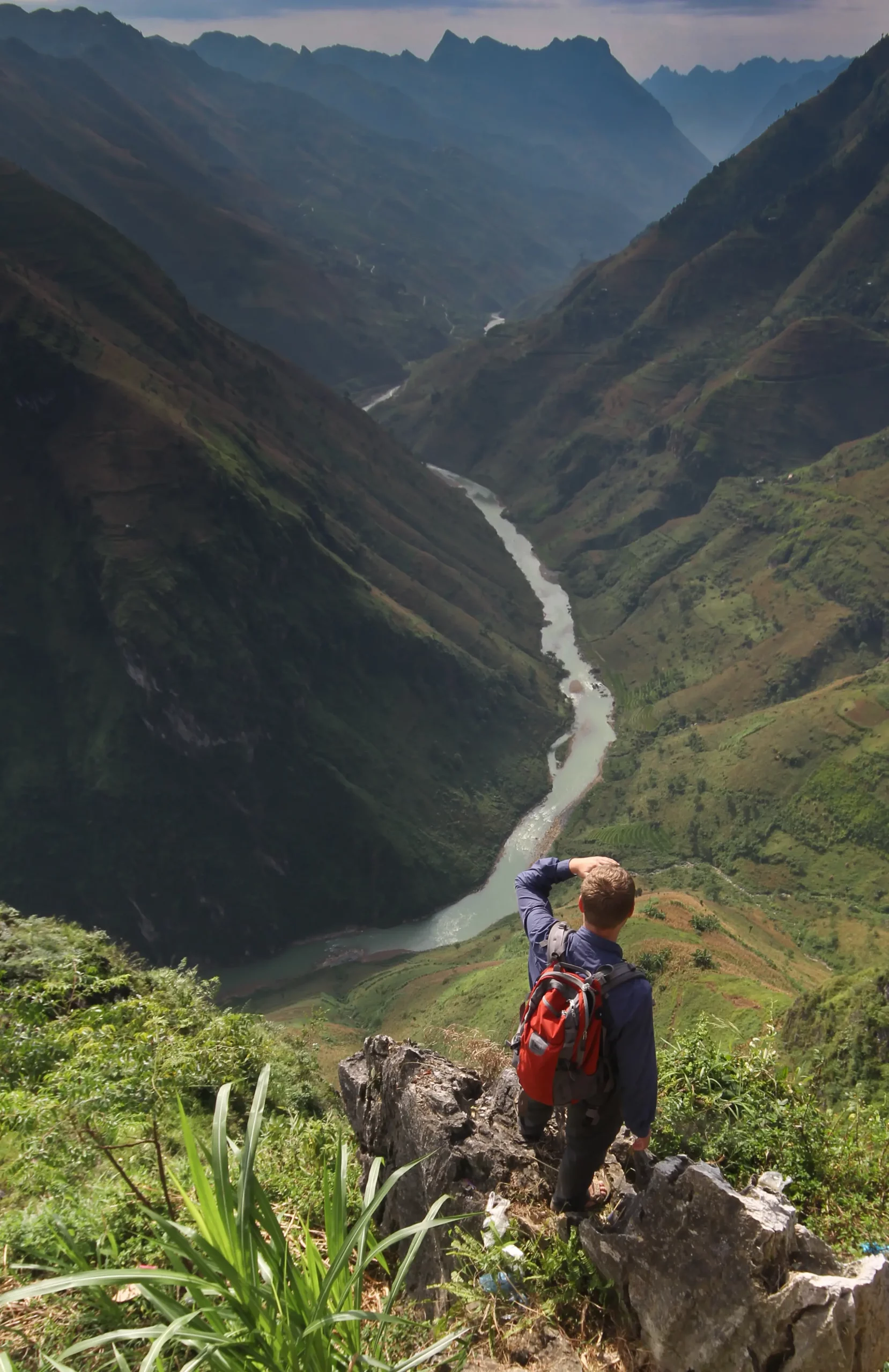
Nho Que River
Beyond the nature: Discover Ha Giang’s living culture and timeless traditions
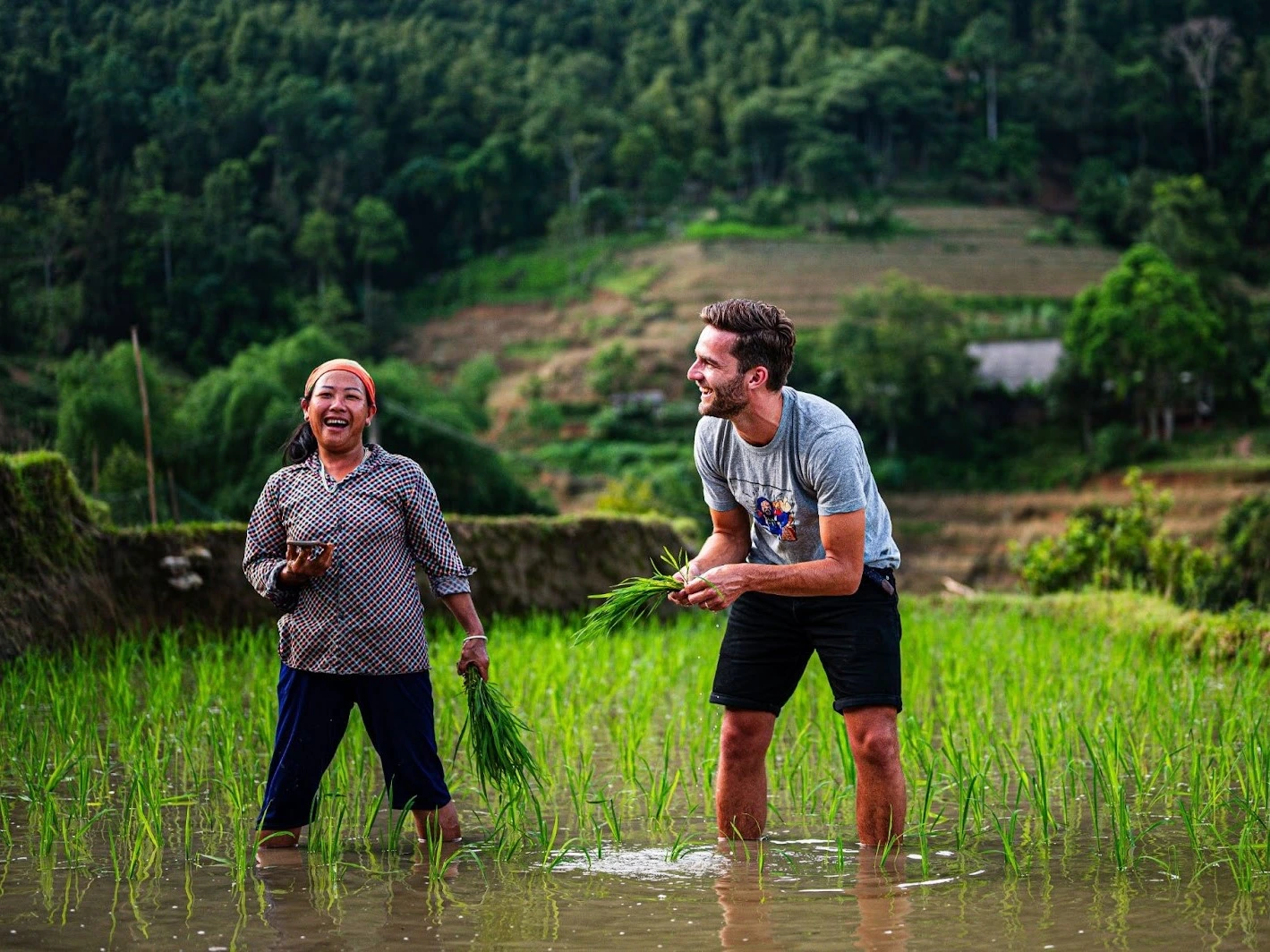
Life in Ha Giang is the reflection of resilience and tradition. Along the loop, you’ll see the human element etched into the mountains: H’mong women in vibrant, hand-dyed skirts tending corn on impossibly steep slopes; children playing on the cobbled yards of traditional mud-walled houses; and the scent of woodsmoke rising from kitchens at dusk.
The weekly market is also the true pulse of Ha Giang. From dawn, ethnic groups, distinguished by their unique, colorful attire, descend from remote mountains to hubs like the Dong Van or Meo Vac Markets. It’s a chaotic, beautiful theater of life: men appraising buffalo, women trading handwoven textiles, and old friends reconnecting over bowls of corn wine.
Beyond the weekly markets, the year is marked by festivals that celebrate life, harvest, and connection. Spring brings the Gau Tao festival (H’mong New Year), filled with the sound of the khen (bamboo flute) and traditional games. In autumn, the hills are painted pink by the Buckwheat Flower Festival. Perhaps most unique is the Khau Vai Love Market (late April): men and women from distant villages travel for miles to meet former lovers.


Practical tips for your Ha Giang Loop adventure
Ha Giang no longer exists? Actually, in July 2025, Ha Giang officially became part of the Tuyen Quang region under Vietnam’s new administrative system. For travelers, this change is simple, it affects maps, not your journey.
Getting to Ha Giang from Hanoi: Sleeper buses, private cars, and guided transfers are the best way to reach Ha Giang.
Navigating the Ha Giang Loop: While the motorcycling “easy rider” option is popular with younger backpackers, we strongly advise our discerning travelers to opt for a private car tour with an experienced local driver. This ensures maximum safety, comfort, and the flexibility to stop and immerse yourself in the landscape.
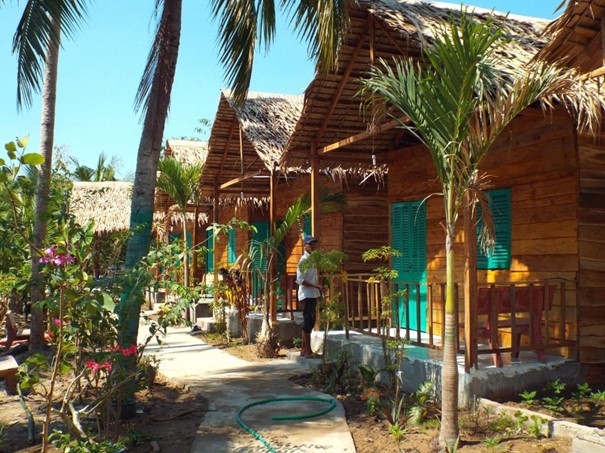
Staying in Ha Giang: High-quality eco-lodges and curated homestays in key areas like Dong Van, Meo Vac, and the Ma Pi Leng area offer both necessary comfort and authentic cultural immersion, keeping you close to nature.
Bringing essential items:
- We advise packing layers of warm clothing, which are essential for cool evenings and crisp mornings, along with comfortable, sturdy footwear for walking on uneven terrain.
- Because the Ha Giang Loop traverses remote areas, you must ensure you bring all necessary personal items and prescribed medication, along with basic first-aid supplies and sun protection.
- Always carry a sufficient amount of cash (Vietnamese Dong).
- For connectivity, consider a local SIM/eSIM, noting that mobile data can be intermittent.
- Naturally, a high-quality camera and extra batteries/power bank are mandatory for capturing the epic vistas, as charging opportunities can also be limited.
Planning your trip: This journey is best experienced as a multi-day private tour along the Ha Giang Loop. Plan your itinerary with a trusted operator who provides private cars, English-speaking guides, and carefully selected local stays, ensuring your trip remains both authentic and safe.
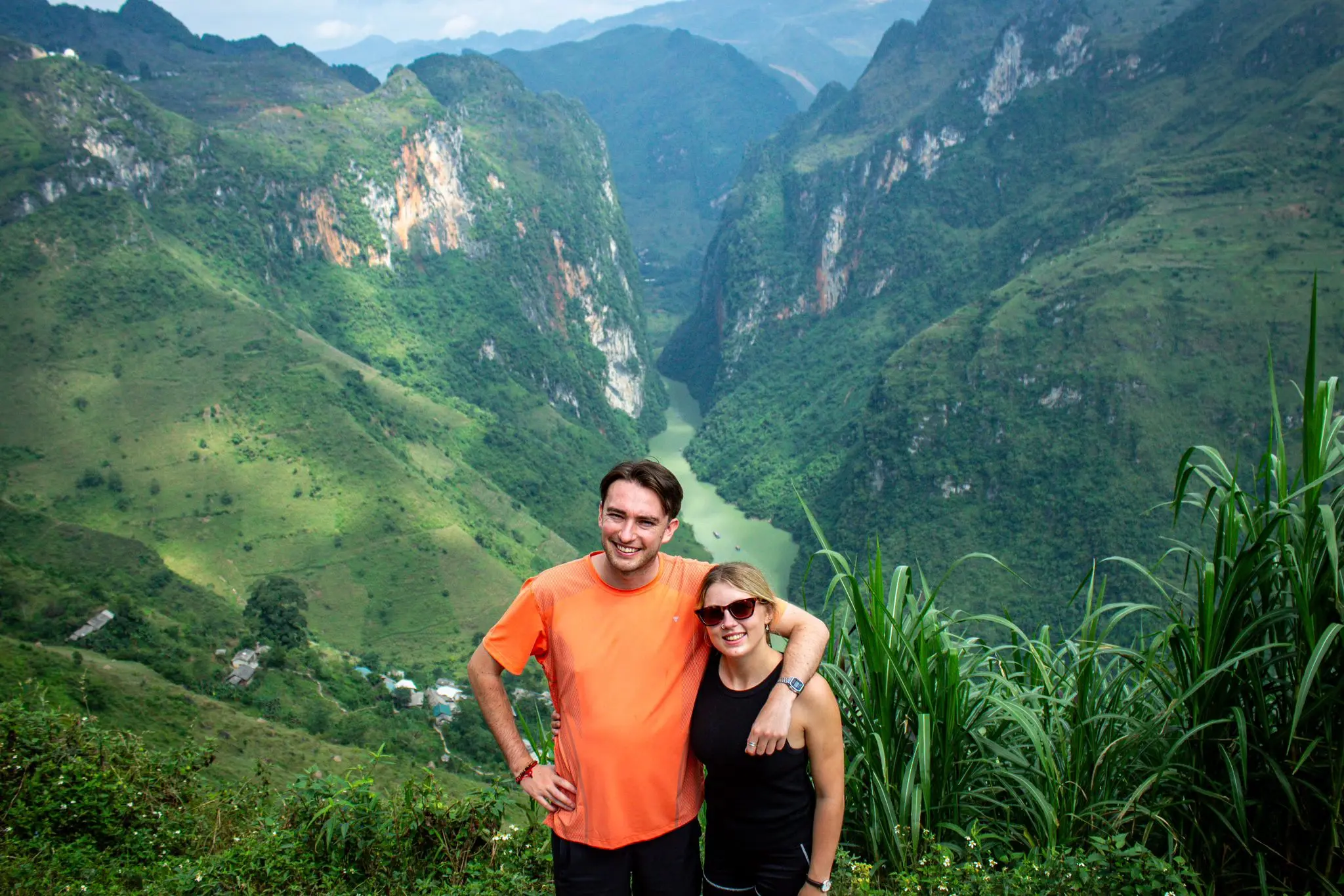
An example of the Ha Giang Loop adventure
Plan your trip to Ha Giang with Travel Sense Asia
While Sapa has long been the symbol of northern Vietnam, its beauty is now shared with many. The true, untamed heart of the highlands beats stronger further north, in the sweeping passes and timeless villages of Ha Giang. If you want the views you’ve dreamed of and the authenticity you’ve missed, Ha Giang awaits: quieter, grander, and more alive than ever.
With more than 15 years of expertise in Vietnam’s northern adventures, we at Travel Sense Asia can design journeys that balance comfort with authenticity. Our tailor-made tours connect travelers with the country’s most breathtaking scenes, and the people who live within them. Plan your Ha Giang Loop Tour or Northern Vietnam Itinerary today and experience Vietnam’s wild heart with us.