









For many visitors, Vietnam is known for the image of a mist-shrouded limestone mountain rising vertically from a calm river. Nowhere captures that feeling more powerfully than Quang Binh, home to the legendary Phong Nha – Ke Bang National Park. Long before Hollywood chose its valleys and forests for Kong: Skull Island (2017), explorers and scientists were already mesmerized by what lay beneath the surface of Phong Nha over millions of years.
Whether you are a film buff tracing the footsteps of King Kong or an adventurer seeking the world’s most spectacular underground systems, this guide offers an insider’s look at how to experience Quang Binh and Phong Nha in style.
The real cinematic scenes of King Kong in Phong Nha
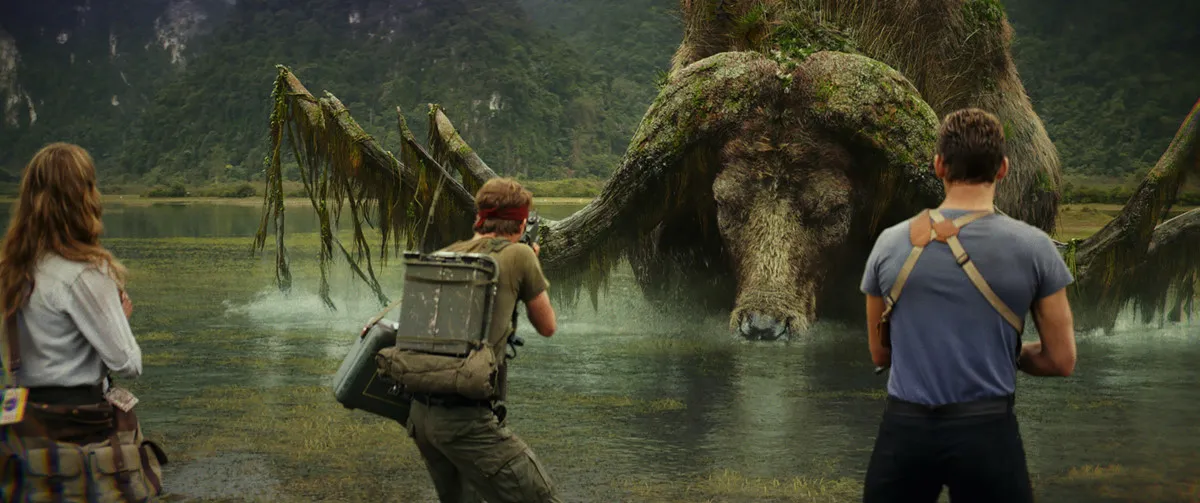
Phong Nha – Quang Binh rose to international fame when Director Jordan Vogt-Roberts chose it as the primary filming location for the home of King Kong. The film crew spent weeks here capturing the prehistoric atmosphere that defines the region.
Here is how you can step into the movie set, not through a crowded theme park, but via exclusive, private excursions into the wild.
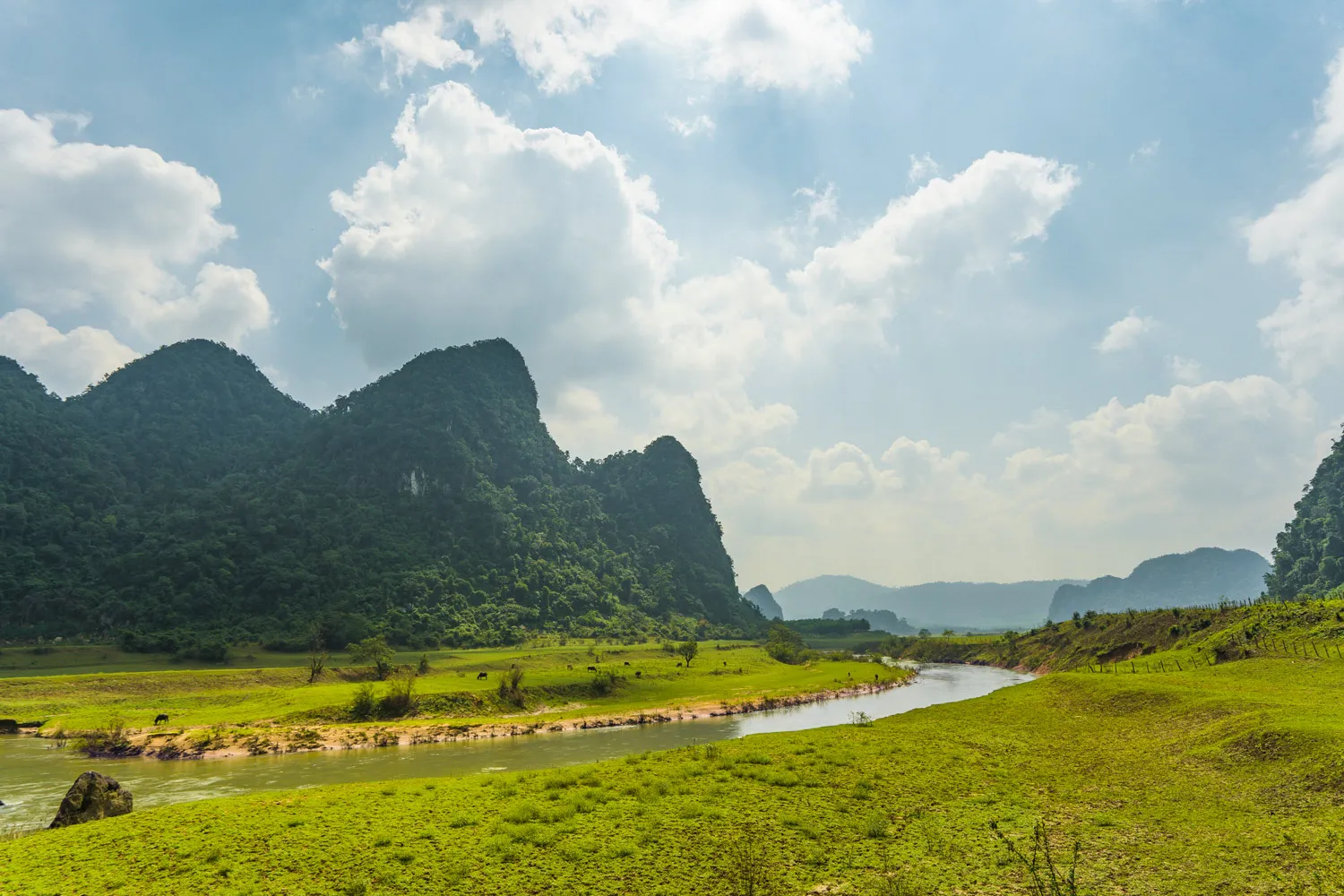
Cha Noi Valley
This was the setting for some of the film’s most sweeping wide shots. Surrounded by the imposing Truong Son Mountain Range, the valley feels isolated from the modern world. The journey to Cha Noi involves crossing the dramatic Da Deo Pass. The road winds through limestone cliffs, offering panoramic views of the valley below.
Insider tip: Ask your tour operator to arrange a private stop at the top of the pass at sunrise. The morning mist rolling through the karst peaks creates a mystical atmosphere identical to the movie scenes.
>> Discover now: Epic Vietnam Discovery (19 Days)
Yen Phu Lake
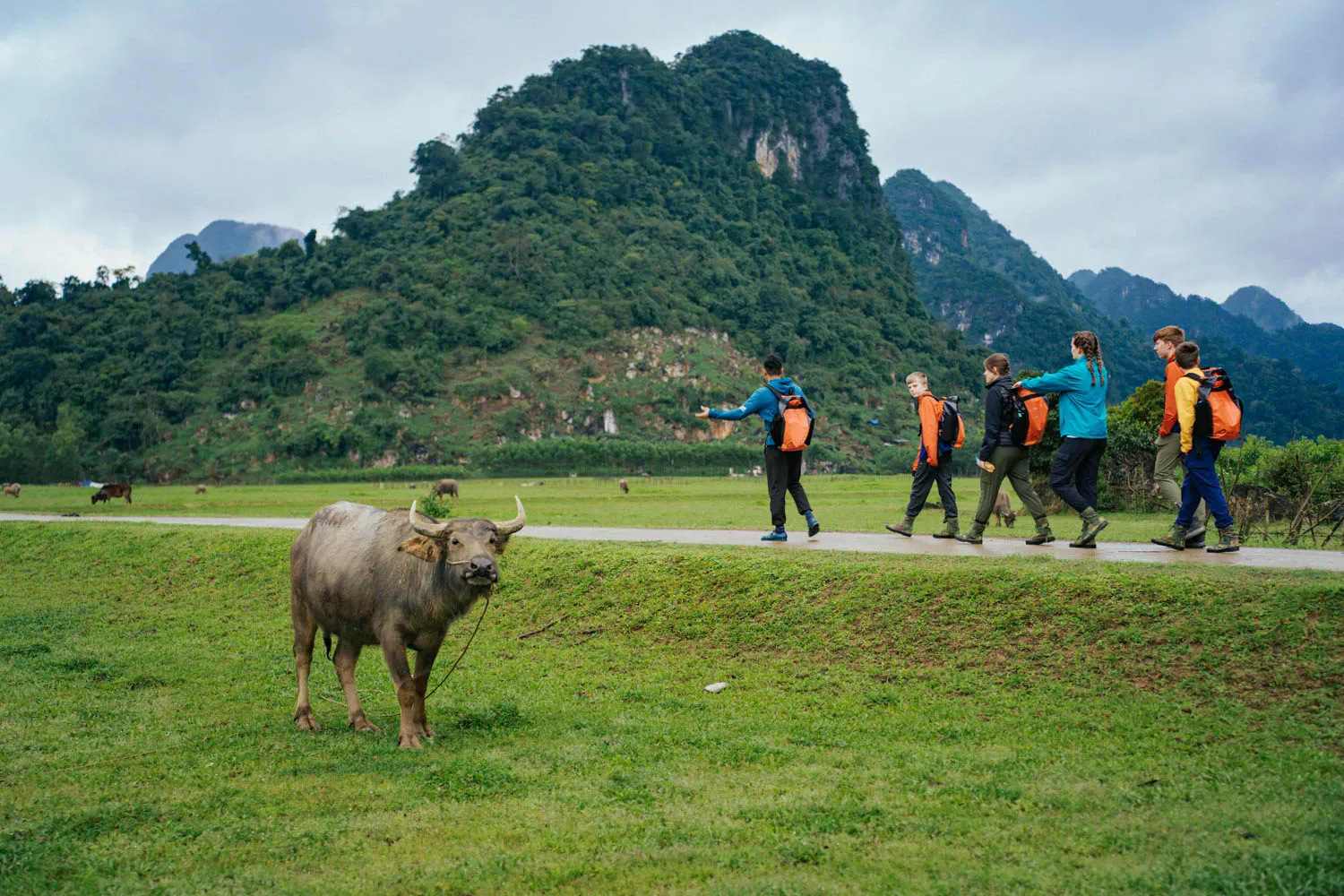
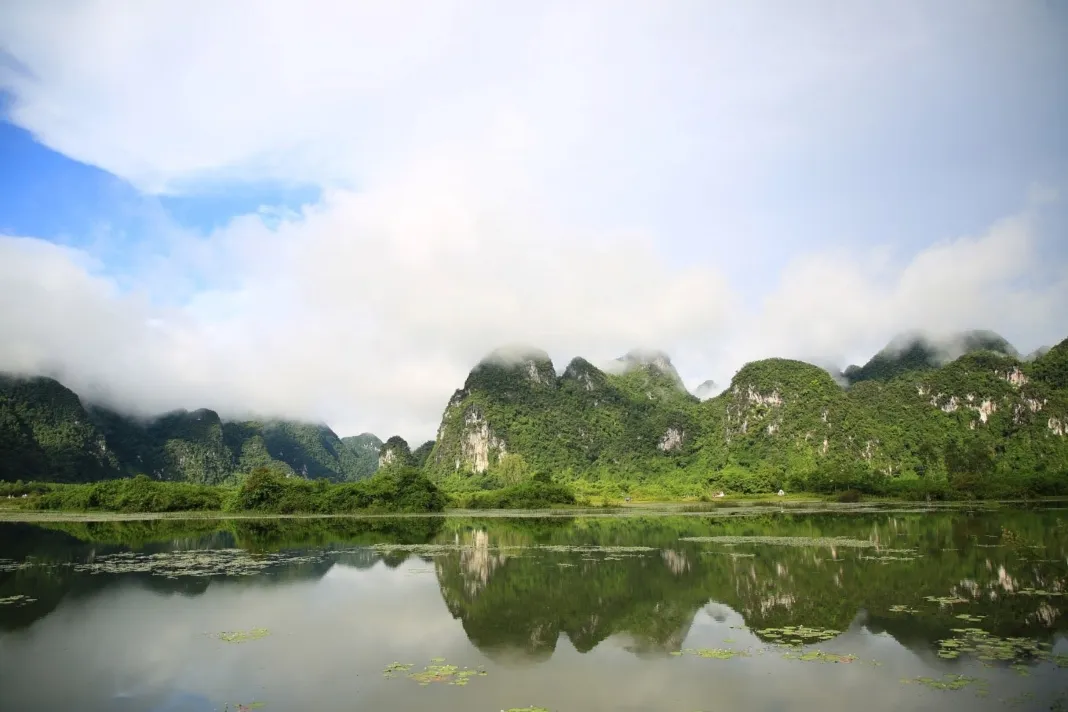
A tranquil, “stone-still” lake chosen for its mirror-like reflections and jagged backdrop. This is where the movie’s characters land their helicopters and first encounter the island’s mysteries. Unlike the chaotic battle scenes in the film, the real Yen Phu Lake is an oasis of calm. It is surrounded by green fields where water buffalo graze peacefully.
Insider tip: This is a perfect spot for a luxury picnic lunch en route to the caves. The silence here is profound.
Rat Cave
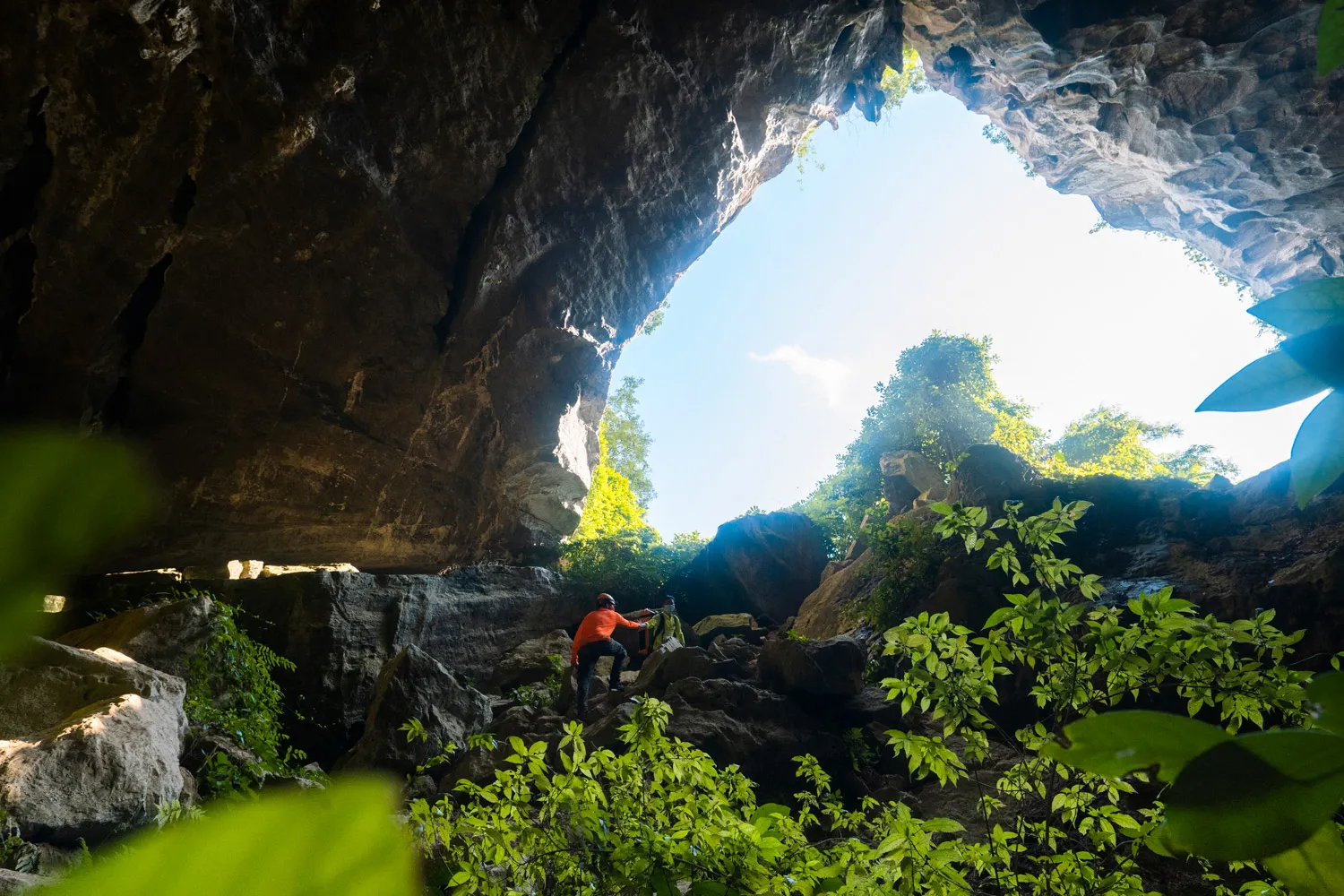
Though less famous than its giant neighbors, this cave appeared in the film as a shelter for the expedition team. Located in the Tan Hoa area, and part of Tu Lan system, reaching this cave often involves a scenic trek through cornfields and river crossings. It’s an excellent introduction to caving for those who want adventure without extreme physical exertion.
Beyond Hollywood: Phong Nha – “Kingdom of Caves”
While King Kong opens the door, the UNESCO World Heritage Site of Phong Nha-Ke Bang is the main attraction. This massive limestone zone contains the oldest karst mountains in Asia, formed over 400 million years ago. For the luxury traveler, the focus is on exclusive access, avoiding the crowds to feel the true magnitude of nature.
For the leisure traveler: Paradise Cave & Phong Nha Cave
- Paradise Cave: True to its name, this dry cave features cathedral-like spaces filled with shimmering stalactites.
- Phong Nha Cave: Accessed by boat along the Son River. You can rent a private boat rather than sharing. Enjoy the slow cruise watching local village life before drifting silently into the cavern’s mouth.
For the adventurer: Tu Lan Cave System
This is the real home of the Kong film crew. The cast and crew stayed in this area to film the river and jungle scenes. Tu Lan creates a unique “wet caving” experience where you swim through underground rivers inside the caves.
Multi-day expeditions here are fully supported by porter teams. You trek through the jungle, swim in caves, and arrive at campsites that are set up with surprising comfort, delicious hot meals prepared by local chefs right in the heart of the jungle.
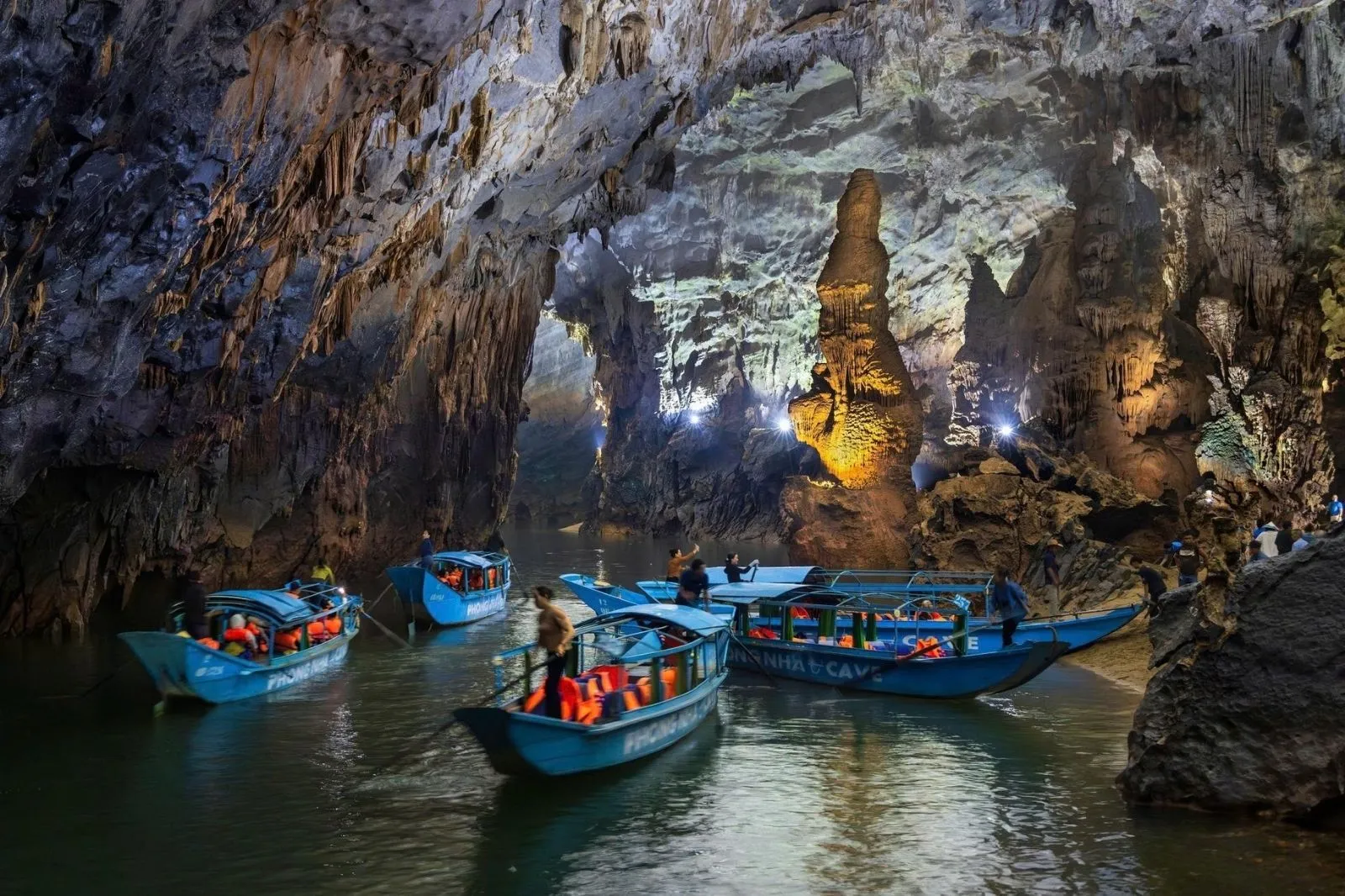
Phong Nha Cave
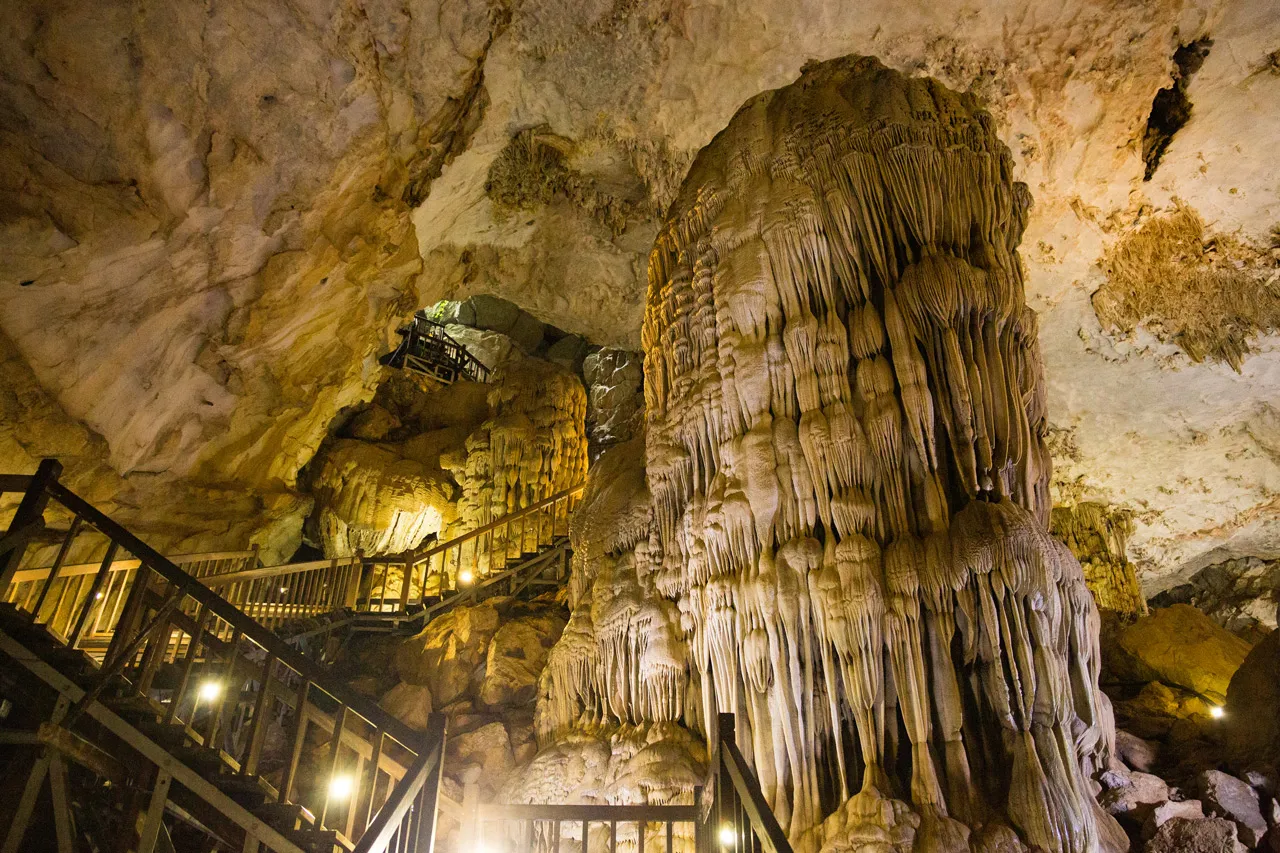
Paradise Cave
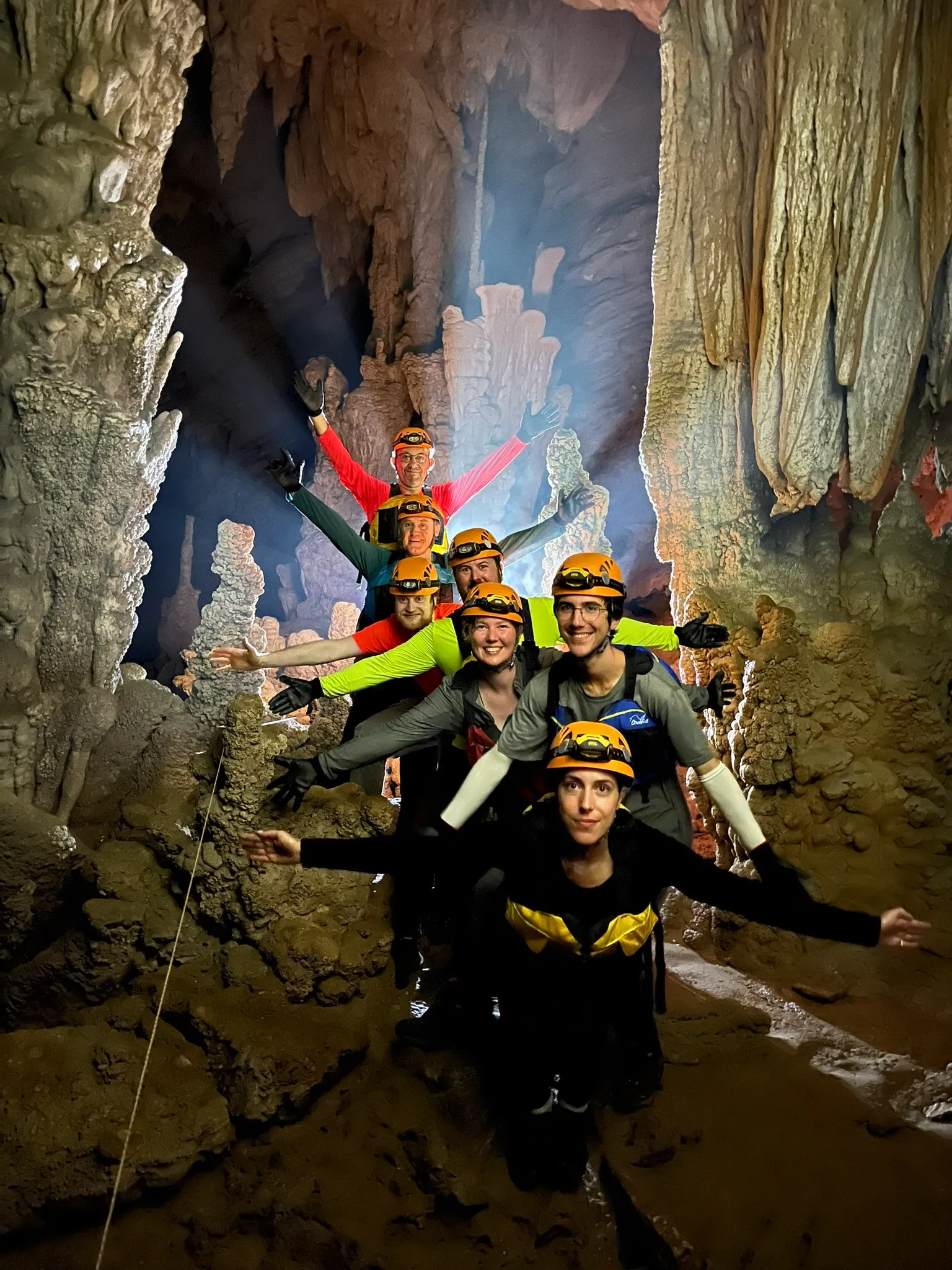
Tu Lan Cave
When to visit Phong Nha, Quang Binh? (and when not to)
Unlike the “year-round” marketing pitches you might hear, Central Vietnam has a distinct climate. Understanding this is key to a flawless luxury trip.
The golden season: February to July/August
Spring and summer are the dry season in Phong Nha. The skies are blue, the cave water is calm and emerald green, and trekking trails are accessible. Especially, June-July can be quite hot, making the cool air inside the caves (constant 22°C/72°F) a delightful escape.
The “pause” season: September to November
This is the peak of the monsoon season. Heavy rains can cause river levels to rise, submerging the entrances to wet caves like Phong Nha, Tu Lan, Son Doong unsafe. During these specific weeks, many extensive caving tours are suspended for safety. However, dry caves like Paradise Cave usually remain open. If you travel during this window, focus on cultural experiences or dry excursions, but be prepared for itinerary changes.
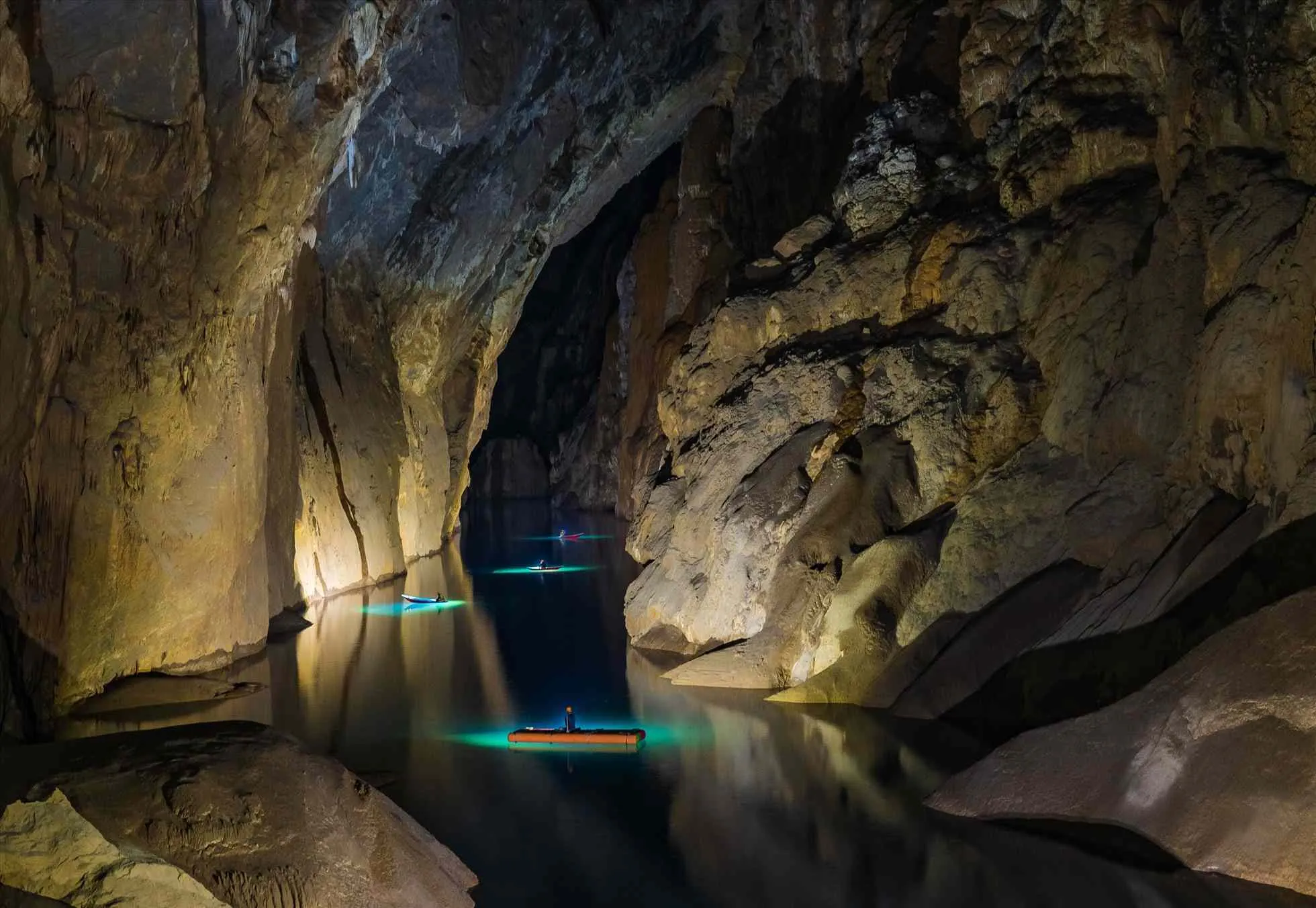
Son Doong Cave with Oxalis Adventures
FAQ: Planning your “King Kong” adventure in Vietnam
Q: Are the movie sets from Kong: Skull Island still standing in Phong Nha, Quang Binh?
To preserve the ecological integrity of the UNESCO World Heritage Site, the fictional “tribal village” set in Phong Nha was dismantled shortly after filming and subsequent tourism pilot programs. However, this is good news for the discerning traveler. It means the landscapes have returned to their pristine, natural state.
Q: Is it safe to visit the caves and jungle in Phong Nha, Quang Binh?
Quang Binh is a safe destination. The main tourist areas and cave systems are free from malaria. On guided tours, safety equipment (helmets, life jackets) meets international standards. If you trek deep into the jungle during the rainy season, leeches can be present (they are harmless but annoying). However, sticking to the main paths and visiting during the dry Season (Feb-Aug) virtually eliminates this issue.
Q: Can I combine this trip with a visit to Son Doong, the world’s largest cave?
Son Doong is an extreme expedition requiring high physical fitness, a 4-day commitment, and booking up to years in advance due to strict visitor limits. If Son Doong is fully booked or too demanding, the Tu Lan Cave System (where Kong was filmed) or Hang En Cave (the world’s 3rd largest) offer equally spectacular scenery with more flexible availability and moderate trekking levels.
Conclusion
Watching Kong: Skull Island gives you a glimpse of this land’s mystery. But standing in the vast cavern of a limestone mountain, with nothing but the sound of water dripping and the beat of your own heart, is an experience that cinema cannot replicate.
Whether you are seeking a tailor-made family adventure or a private photography expedition, Travel Sense Asia specializes in crafting itineraries that go deep beneath the surface in Vietnam. Contact us today to discover Phong Nha and Quang Binh, safely, comfortably, and at its most spectacular.