







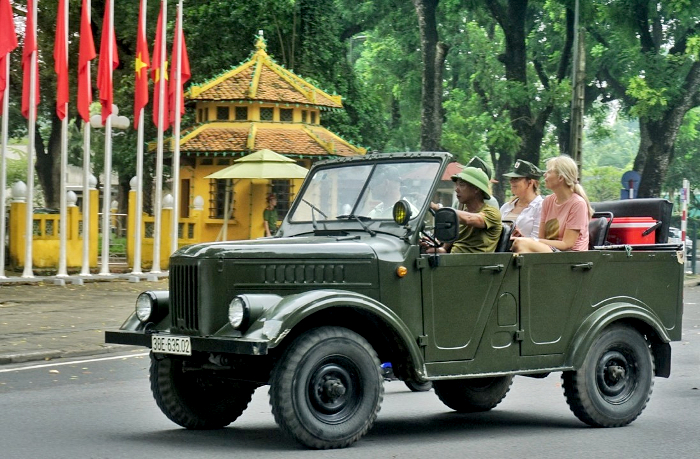
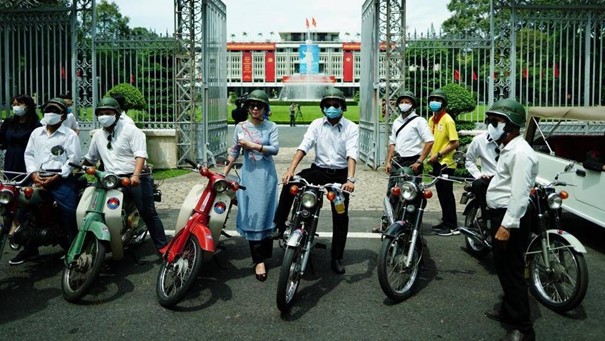
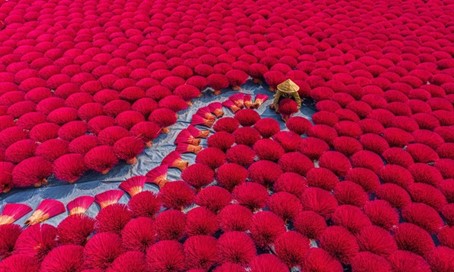
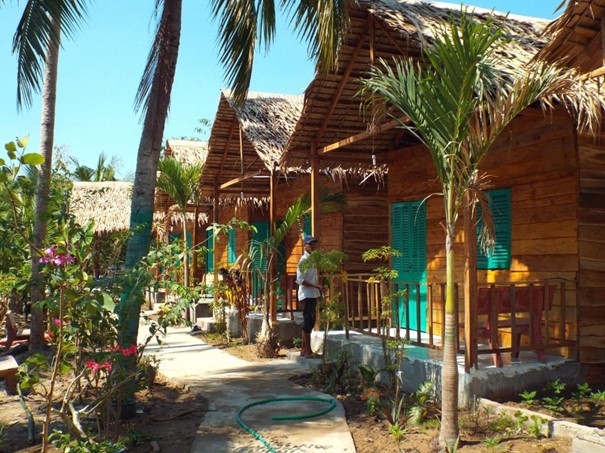

Ninh Binh, Vietnam is a destination that resonates deeply with international travelers seeking culture, nature, and authenticity. Located in northern Vietnam, just south of Hanoi, this region is widely recognized for its dramatic karst landscapes, sacred temples, and peaceful rural life.
Unlike fast-paced tourist hubs, Ninh Binh rewards those who travel slowly, those who observe, listen, and appreciate the quiet dialogue between land and people. Below are the must-visit places in Ninh Binh that can turn your trip in Vietnam into the journey of a lifetime.
Why Ninh Binh shines in the heart of travelers?
Many travelers are drawn to destinations shaped by long historical continuity, where culture has evolved organically over centuries and architecture blends seamlessly with the natural environment.
Ninh Binh exemplifies these qualities. As Vietnam’s first capital region and a center of spiritual and political importance, Ninh Binh offers a coherent narrative that connects landscape, heritage, and national identity. This depth is precisely why many consider this destination home to some of the must-visit places in Vietnam for travelers interested in history, spirituality, and nature combined.
5 places in Ninh Binh that travelers you should visit
Tam Coc – Bich Dong: #1 of top places in Ninh Binh
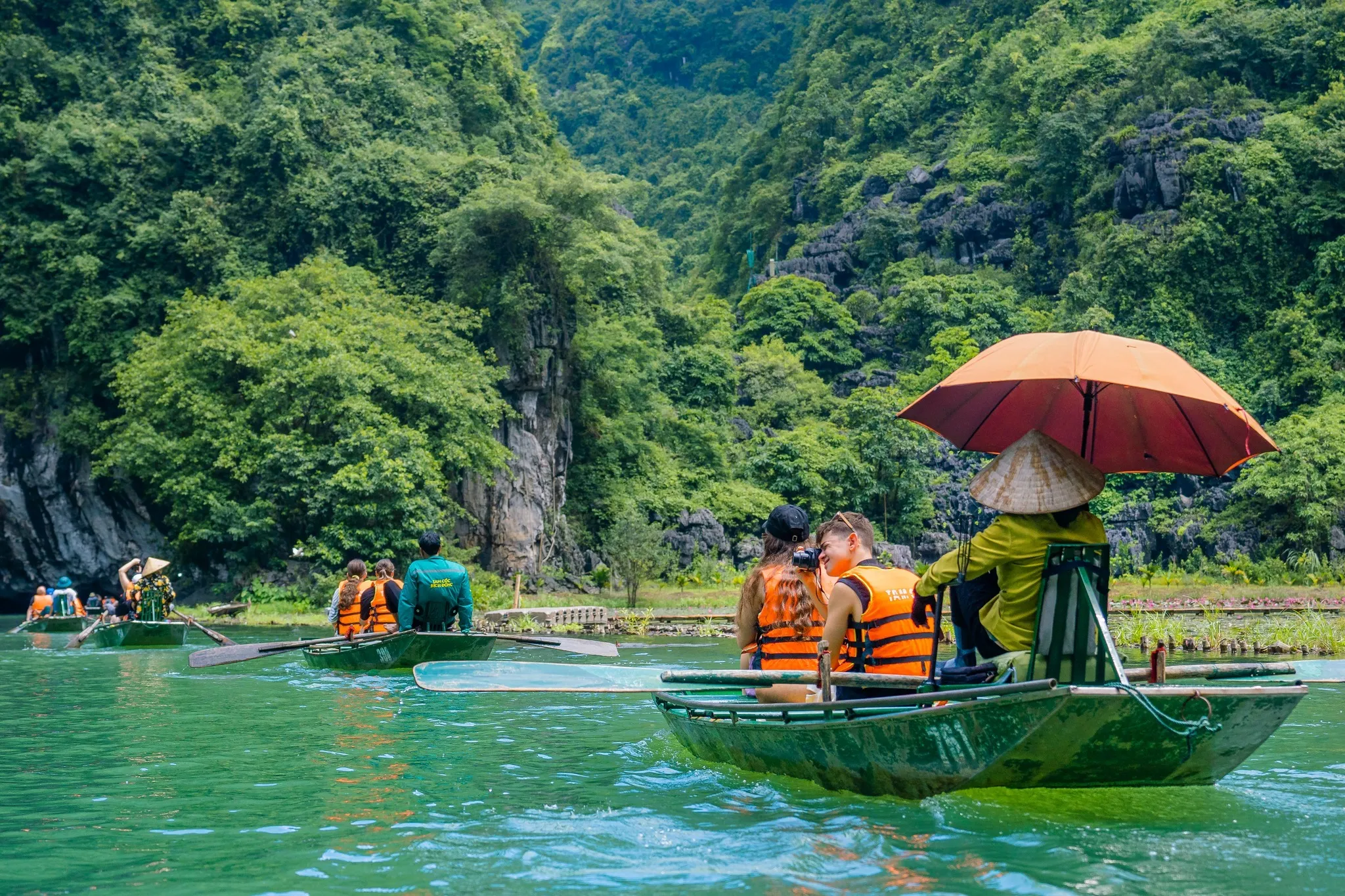
Tam Coc is consistently listed among the must-visit places in Ninh Binh Vietnam. The name means “Three Caves,” referring to limestone grottoes carved by the Ngo Dong River as it winds through the valley. The journey begins with a traditional sampan boat ride, gently rowed by local villagers. The boat glides through rice fields framed by towering karst cliffs, creating a landscape of extraordinary calm and visual harmony.
Nearby, Bich Dong Pagoda adds spiritual depth to the experience. Built in the 15th century into a limestone mountainside, the pagoda complex is divided into three ascending levels, symbolizing a gradual spiritual journey. Together, Tam Coc and Bich Dong form one of the most iconic attractions in Ninh Binh.
Van Long Nature Reserve
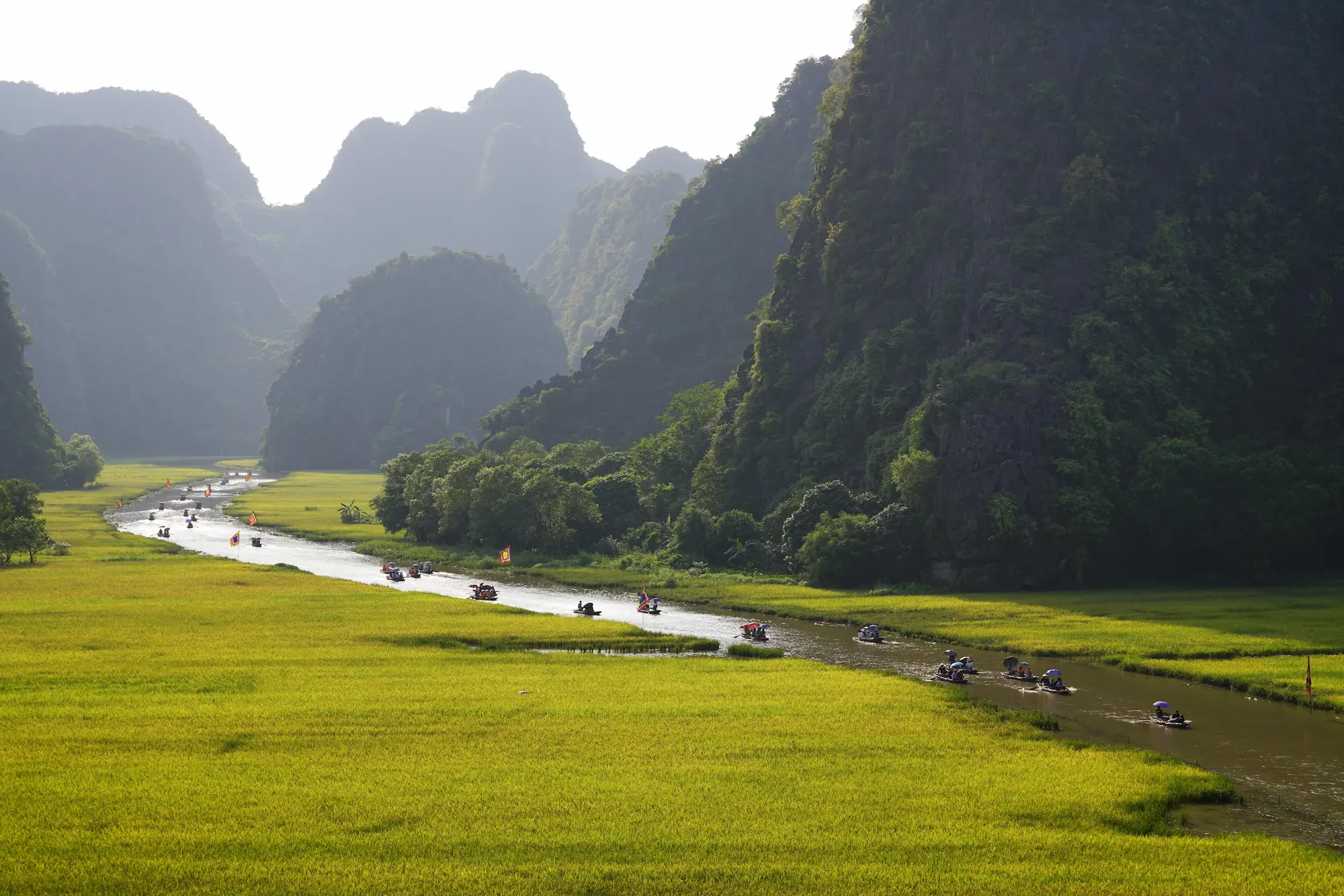
For travelers seeking tranquility, Van Long Nature Reserve is one of the most remarkable yet understated attractions in Ninh Binh. As the largest wetland reserve in northern Vietnam, Van Long is celebrated for its mirror-like waters and minimal human disturbance.
Boat rides here are slow and silent, allowing visitors to absorb reflections of limestone cliffs, clouds, and open skies. Van Long is also home to Delacour’s langur, one of the rarest primates in the world and an important symbol of Vietnam’s conservation efforts.
This destination strongly appeals to travelers who value eco-tourism, sustainability, and quiet contemplation, making it one of the lesser-known but deeply rewarding must-visit places in Ninh Binh.

Hang Mua Viewpoint
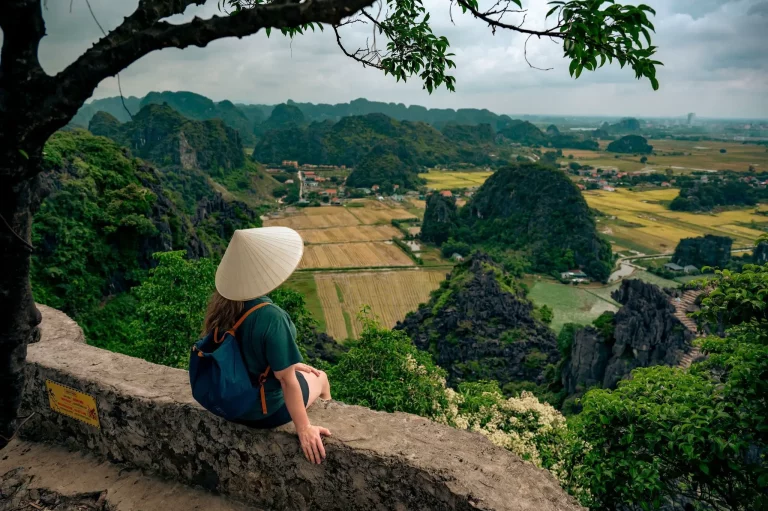
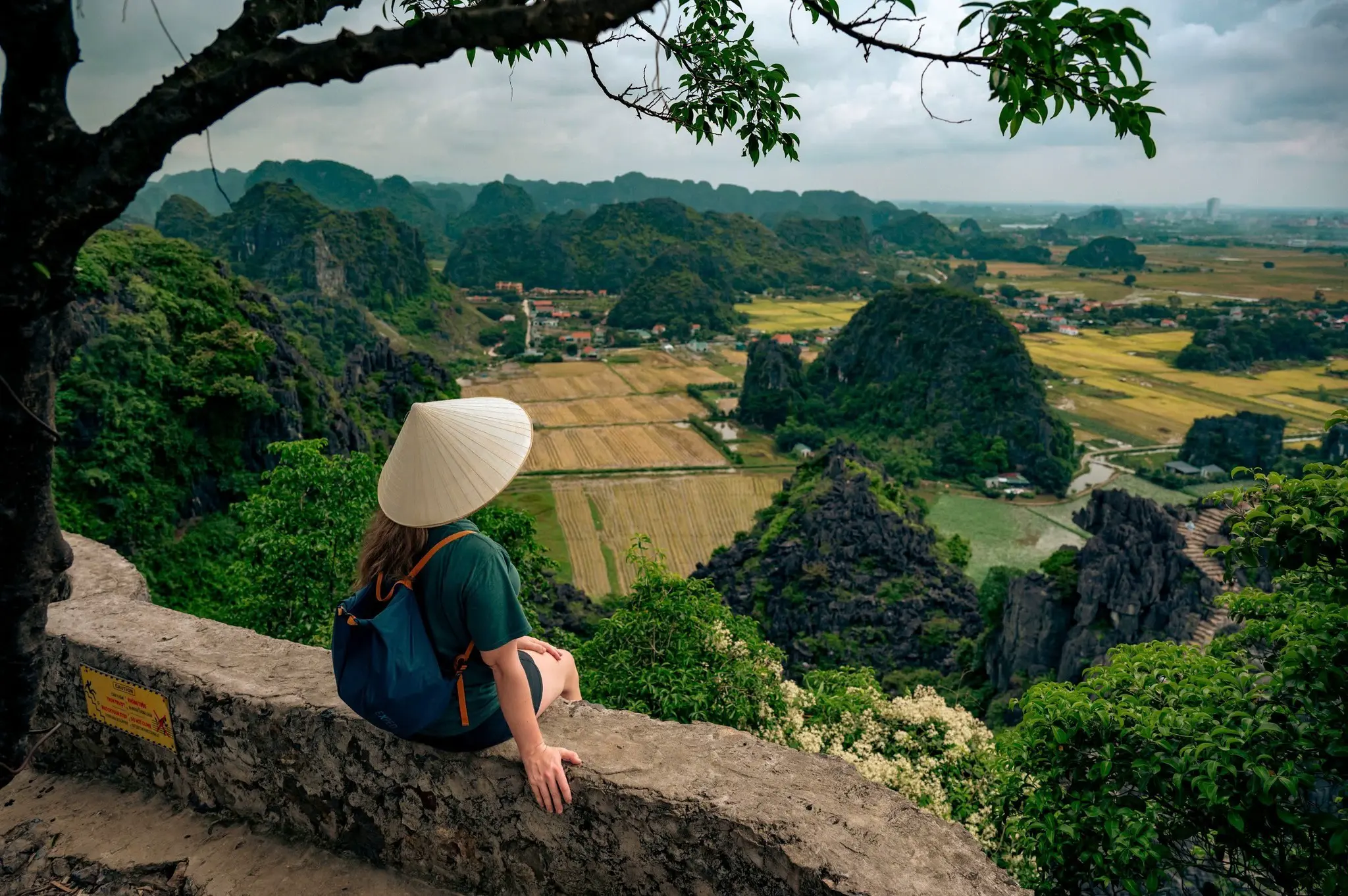
Hang Mua is renowned for offering one of the most breathtaking panoramic views in Ninh Binh. Reaching the summit requires climbing nearly 500 stone steps, a challenging yet achievable ascent for travelers in reasonable physical condition.
The reward is an unforgettable panorama overlooking Tam Coc’s winding river, vast rice fields, and limestone peaks stretching toward the horizon. This view captures the essence of why Ninh Binh is considered one of the best places to visit in northern Vietnam.
At the summit of Hang Mua, symbolic elements such as a stone dragon (representing imperial authority) and a small pagoda (symbolizing spiritual balance) add cultural meaning to the dramatic landscape.

Hoa Lu Ancient Capital
Long before Hanoi became the capital, Hoa Lu served as Vietnam’s political and cultural center in the 10th century, under the Dinh and Early Le dynasties. Chosen for its strategic location, the capital was naturally protected by towering limestone mountains, which functioned as defensive walls while also holding deep spiritual meaning.
Today, the legacy of this former capital lives on through the temples dedicated to King Dinh Tien Hoang and King Le Dai Hanh. Remarkably well preserved, these structures showcase traditional wooden architecture, stone courtyards, and carefully planned ceremonial spaces.
For travelers interested in Vietnamese history, Hoa Lu provides essential context for understanding the country’s early statehood and national identity, making it one of the most important historical sites in Ninh Binh.


Thai Vi Temple
Often overlooked by first-time visitors to Ninh Binh, Thai Vi Temple is one of the region’s most evocative and quietly powerful spiritual sites. Tucked among rice paddies near Tam Coc, the temple feels less like a monument and more like a place still woven into daily life.
Architecturally, the temple stands apart from grand imperial complexes. Built mainly of stone and dark wood, Thai Vi is modest in scale yet rich in detail. Intricate carvings of dragons, lotus flowers, and cloud motifs reveal refined craftsmanship, where symbolism and meaning mattered more than visual grandeur.
What many travelers do not expect is that Thai Vi is also a living spiritual space. During certain festivals and ritual occasions, visitors may encounter traditional ceremonies connected to Vietnamese folk beliefs. Practices such as hầu đồng (spirit medium rituals associated with Mother Goddess worship) are still performed. While not staged for tourism, these rituals offer rare insight into Vietnam’s spiritual world, where history, belief, and community intersect.
For those seeking a deeper, more nuanced understanding of Vietnam beyond its highlights, Thai Vi Temple offers an authentic encounter with the country’s spiritual heritage, making it one of Ninh Binh’s most meaningful yet understated places to explore.

When to visit Ninh Binh? Which months are the best time?
Spring (March – April): Mild weather and lush landscapes
March to April is one of the most pleasant times to visit Ninh Binh. Temperatures are mild, humidity remains relatively low, and the countryside turns vibrant green after the winter months. This season is ideal for outdoor activities such as cycling through rural villages, visiting ancient temples, and enjoying boat rides in Tam Coc and Van Long under comfortable weather conditions. The gentle light and fresh scenery also make this period perfect for slow travel and cultural exploration.

Early summer (Late May – June): Golden rice season in Tam Coc
Late May to June marks the famous golden rice season in Tam Coc, when rice fields along the Ngo Dong River turn a brilliant shade of yellow just before harvest. This is widely considered the most photogenic time of the year in Ninh Binh, especially for travelers interested in photography and scenic walks. Although temperatures are warmer, visiting early in the morning or late in the afternoon offers softer light, cooler air, and a more relaxed experience.

Mid summer (June – July): The lotus season in Ninh Binh
It is when ponds and wetlands across the region bloom with pink and white lotus flowers. This period adds a distinctly poetic and spiritual atmosphere to places such as temples, rural villages, and wetlands near Van Long. Early mornings are the best time to experience the lotus in full bloom, when temperatures are cooler and the air is calm. For travelers interested in photography, local culture, and symbolic landscapes, the lotus season offers a quieter, more contemplative perspective of Ninh Binh.

Autumn and Winter (October to February): Clear skies and fewer crowds
October to February offers another excellent travel window. Skies are generally clearer, temperatures are cooler. After the rainy months, the countryside appears fresh and renewed, making this period well suited for hiking up Hang Mua Viewpoint,
The rainy season in Ninh Binh (July – September)
If you enjoy walking, cycling, or climbing viewpoints such as Hang Mua, it is best to consider the peak summer months of July and August. During this time, high temperatures and humidity can make outdoor exploration more physically demanding, particularly during midday hours. In addition, this is the rainy season and may be affected by occasional typhoon , which can disrupt outdoor activities, particularly boat trips and other water-based experiences.
How to get to Ninh Binh?
Ninh Binh can be conveniently reached from Vietnam’s major cities and well-known travel destinations such as Hanoi, Halong Bay, and Phong Nha.
Travel from Hanoi to Ninh Binh
From Hanoi, Ninh Binh is one of the easiest countryside destinations to reach in northern Vietnam. The journey typically takes between 1.5 and 2 hours. Buses and limousine vans are widely available from central Hanoi and operate throughout the day, providing a direct and affordable option. For travelers seeking maximum comfort, privacy, or a flexible schedule, hiring a private car is the most convenient choice, especially when combining Ninh Binh with other destinations or traveling as a couple or small group.
Travel from Halong Bay to Ninh Binh
If you are visiting Ha Long Bay, Ninh Binh can be reached by private transfer or shared limousine services in approximately 3.5–4.5 hours. This route offers a smooth and scenic connection between two of northern Vietnam’s most iconic karst landscapes without returning to Hanoi.
Travel from Phong Nha to Ninh Binh
For travelers coming from central Vietnam, Ninh Binh is easily accessible from Phong Nha, a region famous for its cave systems. Overnight trains and sleeper buses provide a comfortable and time-efficient option, while private transfers offer greater flexibility. Depending on the mode of transport, travel time typically ranges from 7 to 9 hours. This route fits well into a longer north–central Vietnam itinerary, linking natural and cultural highlights seamlessly.

How to experience Ninh Binh fully? Travel tips
Choose accommodation close to nature
To truly appreciate Ninh Binh, choosing the right accommodation is essential. Boutique lodges, eco-retreats, and well-curated homestays set amid rice fields or limestone mountains offer a deeper connection to the landscape and local life. These smaller properties often emphasize sustainability, quiet surroundings, and personalized service, allowing travelers to wake up to natural scenery rather than crowded streets.
Combine your visit with countryside dining
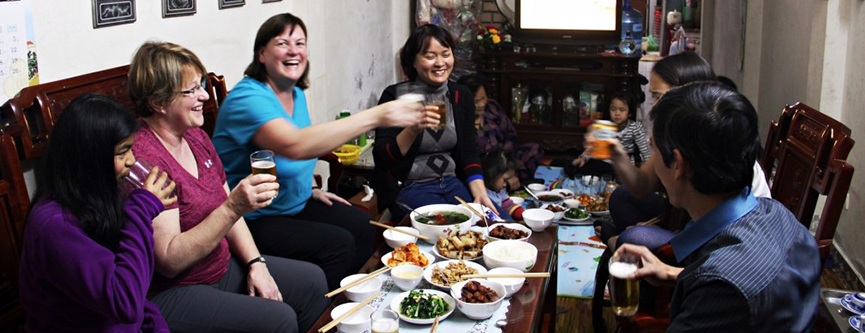
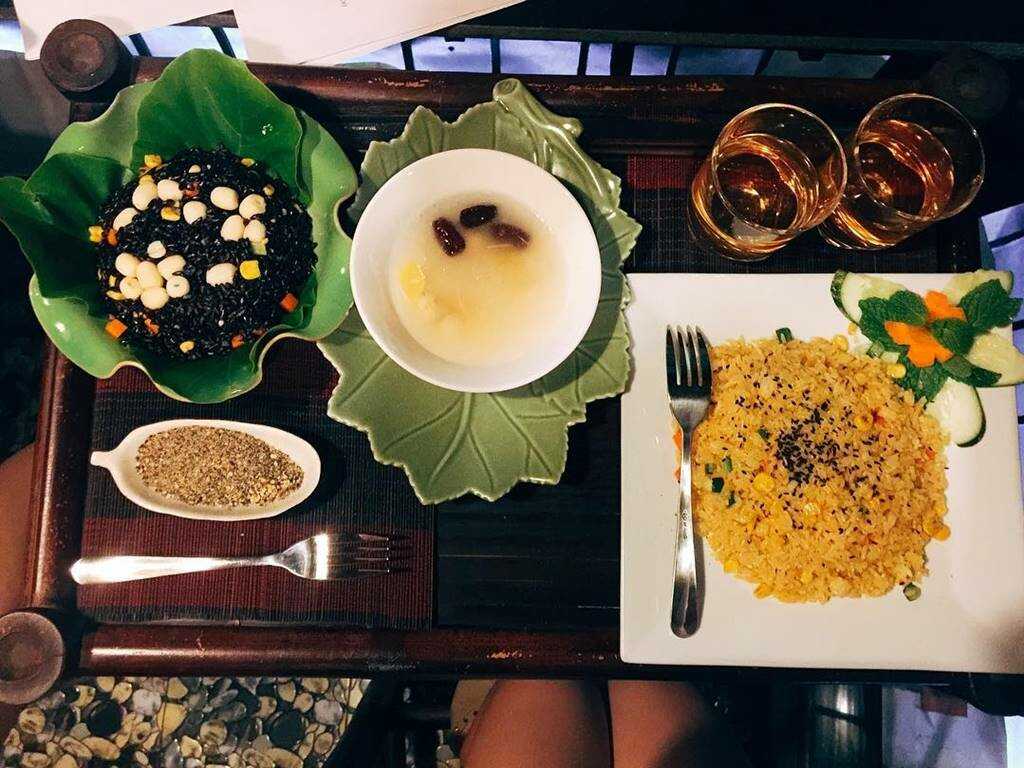
Cultural exploration in Ninh Binh is best complemented by countryside dining experiences. Enjoying local meals after temple visits or boat rides provides insight into regional flavors and daily traditions. Simple yet refined dishes prepared with fresh, local ingredients add an important sensory layer to the journey and help connect history, culture, and community.
Slow down and explore at a leisurely pace
Above all, Ninh Binh should be explored at a slow and unhurried pace. Taking time to cycle through villages, linger at spiritual sites, or pause to observe changing light over rice fields allows the region’s harmony between nature, history, and human craftsmanship to fully reveal itself. When experienced this way, every detail, from ancient temples to quiet waterways, leaves a lasting and meaningful impression.


Frequently Asked Questions (FAQ) – Travel guide in Ninh Binh
Q: Is Ninh Binh worth visiting for travelers who prefer culture over crowds?
Absolutely. Beyond famous spots, Ninh Binh hides quieter temples and villages where traditions remain alive, making it ideal for travelers seeking authenticity rather than mass tourism.
Q: How many days are ideal to truly experience Ninh Binh?
Two to three days are perfect to explore at a relaxed pace, combining historical sites, countryside walks, and river landscapes without rushing.
Q: What makes Ninh Binh different from other destinations in northern Vietnam?
Unlike large cities, Ninh Binh offers open landscapes where history is embedded in nature. Temples are not isolated monuments but part of daily local life.
Q: Is Ninh Binh easy to combine with Hanoi in a cultural itinerary?
Yes. Located around 1.5–2 hours from Hanoi, Ninh Binh fits seamlessly into a northern Vietnam journey, especially for travelers interested in history and slow exploration.
Final thoughts
At Travel Sense Asia, we design journeys that go beyond sightseeing, focusing on depth, authenticity, and meaningful connections. Specializing in tailor-made travel in Vietnam, we work closely with travelers to create personalized itineraries that reflect individual interests, travel pace, and cultural curiosity.
In Ninh Binh, our tours are thoughtfully designed to highlight the region’s most iconic attractions, while also introducing lesser-known villages, spiritual sites, and local experiences that reveal the true character of the landscape. If you’re looking to explore Ninh Binh and other destinations in Vietnam for the next vacation, contact Travel Sense Asia today and start designing your trip.