










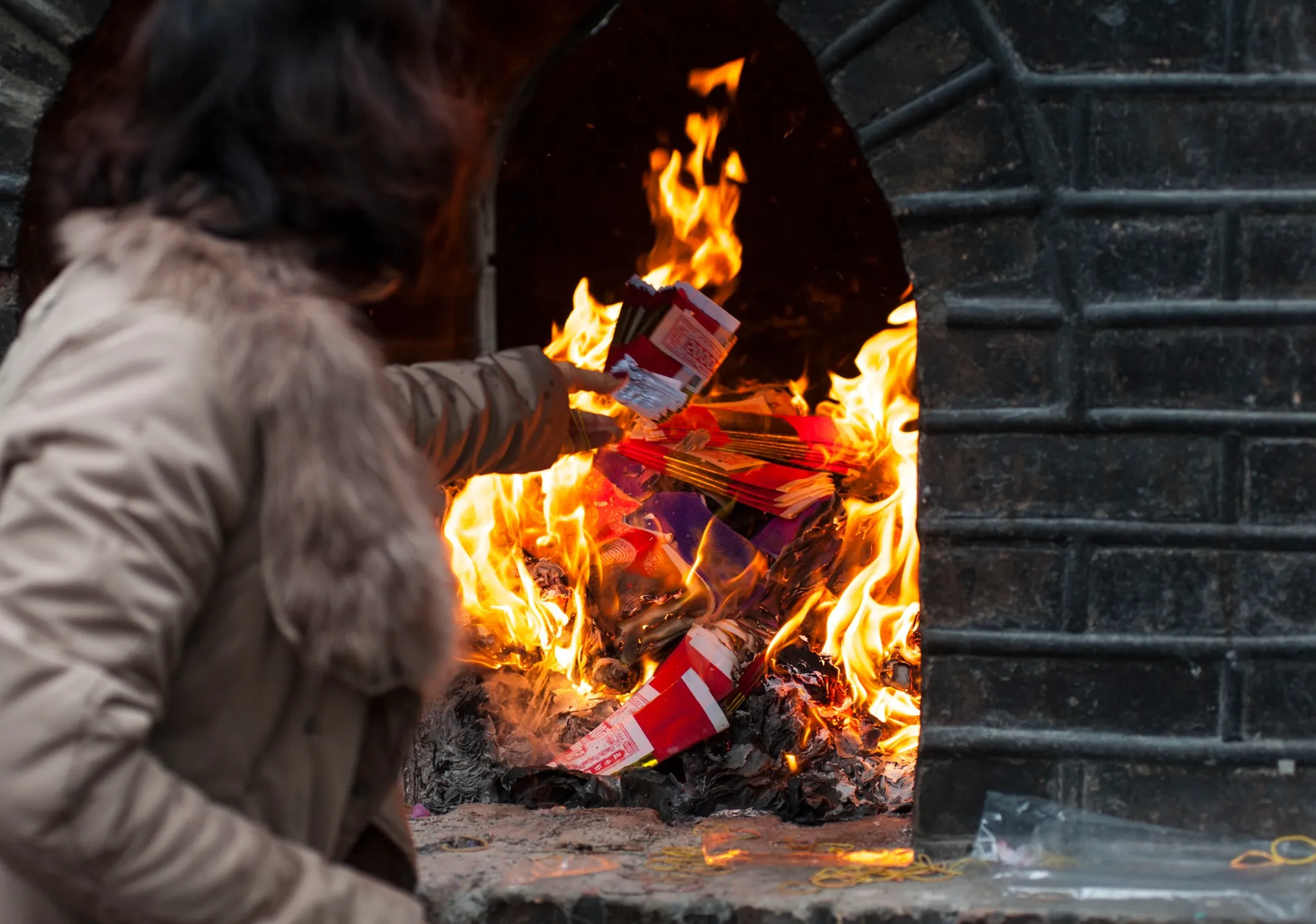
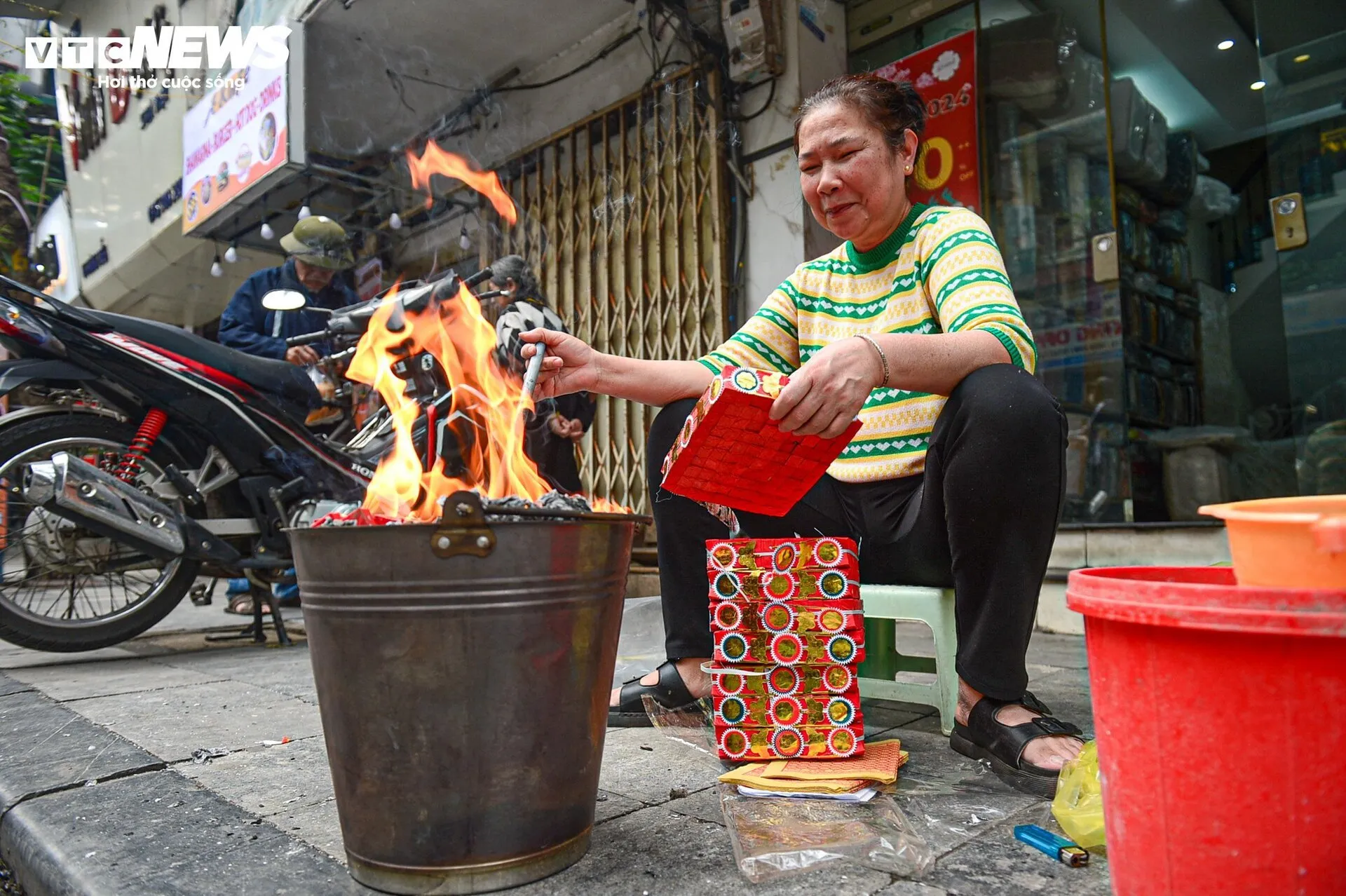
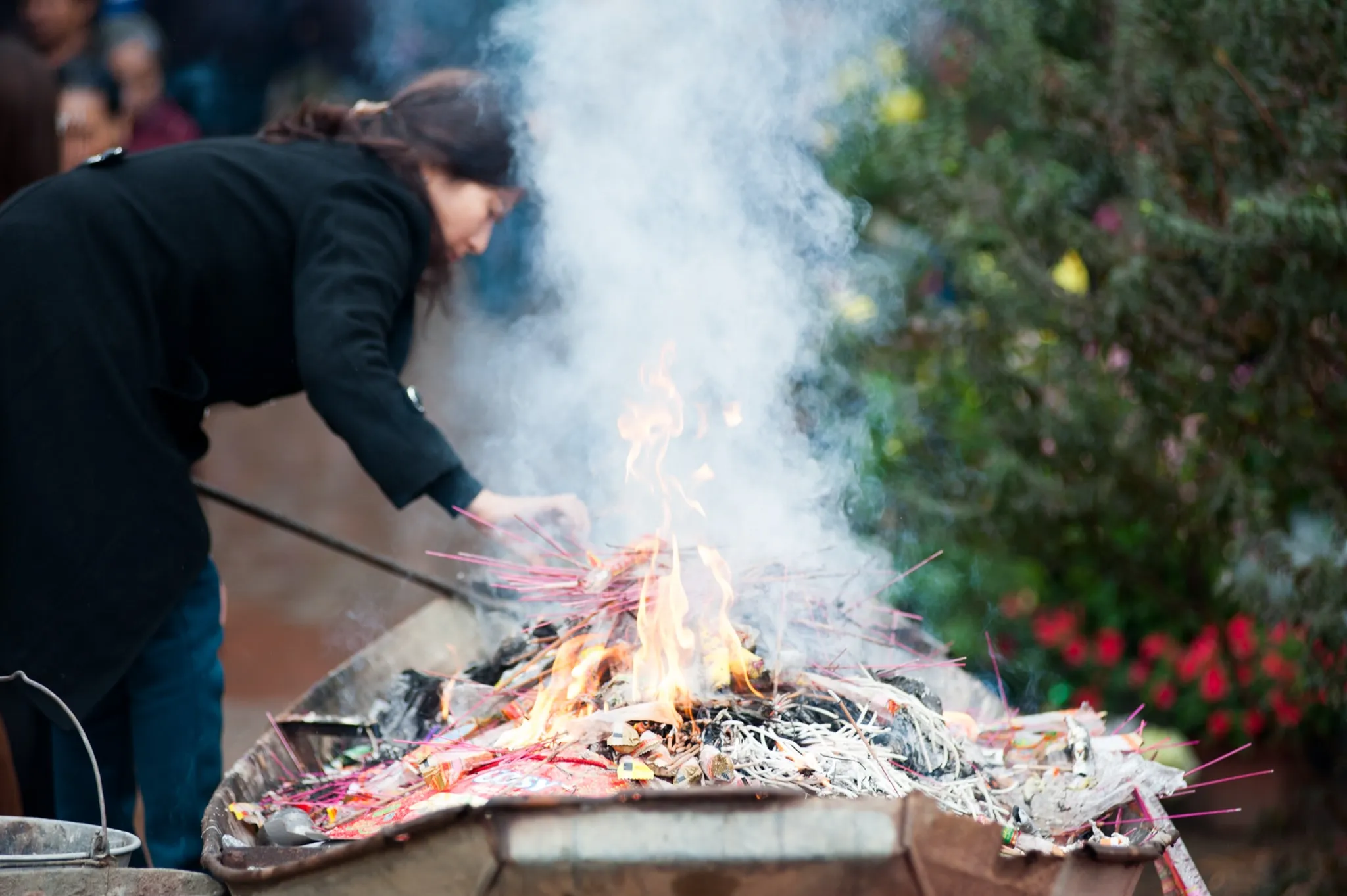
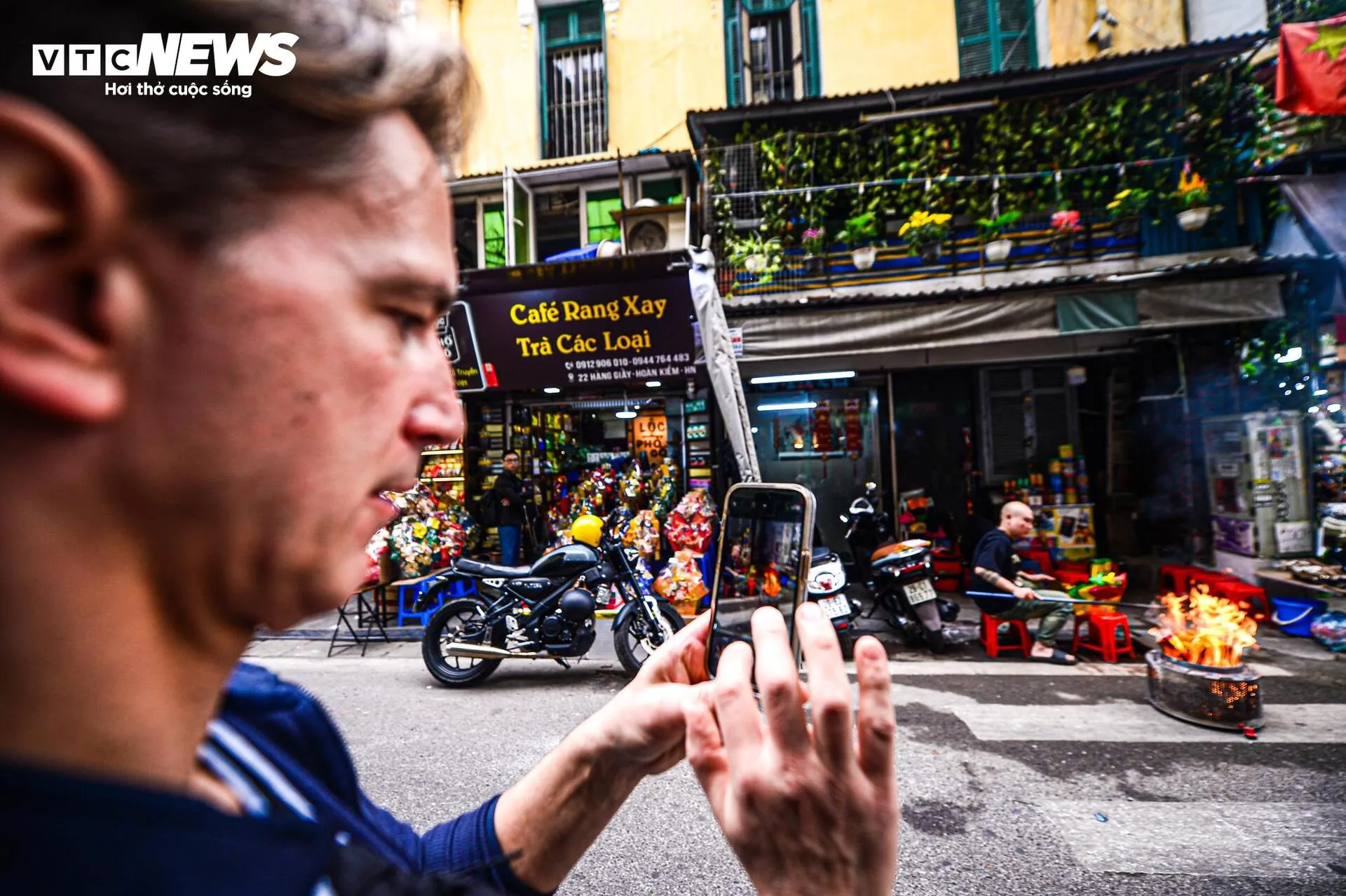
Imagine strolling through the streets of Hanoi’s Old Quarter or wandering past a quiet temple courtyard in Ho Chi Minh City. Suddenly, you notice a small fire crackling on the pavement. A local resident carefully feeds the flames with stacks of paper money, gold bars, or even miniature paper houses and iPhones. For many first-time visitors, this unexpected scene feels almost surreal. Yet, this practice, known as burning joss paper (or vàng mã in Vietnamese), is not merely a spectacle. It is a bridge between the living and the departed.
This article will take you through the origins, meanings, modern transformations, and debates surrounding this ritual. We’ll also show you how to combine cultural discovery with Vietnam beach holidays or tailored Vietnam package holidays for a complete travel experience.
The origins of burning joss paper in Vietnam
The philosophy behind burning joss paper is rooted in the belief that the afterlife mirrors our earthly existence. “As above, so below”, they say. Ancestors still need essentials, money, clothing, and shelter, to live comfortably in the spirit world.
By sending these offerings through fire, families express their deep gratitude and ensure their ancestors are well-cared for. In return, they hope for blessings, guidance, and protection. It is a reciprocal relationship that binds generations together.
While the tradition originated in ancient China, Vietnam has adapted it with a unique flair. Today, you might see elaborate paper replicas of modern luxuries: from the latest iPhone and designer handbags to villas and luxury cars. This reflects a charming blend of ancient devotion and modern aspirations, showing that even in the afterlife, ancestors deserve the very best.
When Vietnamese people usually burn joss paper
Death Anniversaries (Cúng Giỗ)
Almost every Vietnamese family holds annual memorial days (or ngày giỗ in Vietnamese) for parents, grandparents, or close relatives. On these occasions, family members gather together, cook the favorite dishes of the deceased, set up offerings, and burn joss paper to accompany prayers. These anniversaries are often more intimate than public festivals, but they remain just as meaningful, helping families preserve traditions and transmit values of respect across generations.
Kitchen Gods’ Day (Tết Ông Công Ông Táo)
Held on the 23rd day of the 12th lunar month (exactly one week before the Lunar New Year), this festival marks the beginning of the Tet holiday season. According to legend, the Kitchen Gods (Tao Quan) ride carps to heaven on this day to report the family’s affairs to the Jade Emperor. To ensure a favorable report and a dignified journey, families burn specific sets of joss paper including paper hats, robes, and boots intended for the gods. In addition to burning paper offerings, it is customary to release live carps into rivers or lakes as transportation for the Kitchen Gods.
Lunar New Year (Tết)
Lunar New Year is the most important holiday in Vietnam, marking not only the start of a new year but also a sacred period when ancestors return to visit their descendants. Families prepare elaborate altars filled with fruits, traditional foods, and incense. After several days of honoring their presence, they perform a “farewell ceremony,” burning joss paper to send ancestors back to the spirit world with gifts of wealth and comfort for the year ahead. The act symbolizes gratitude for past blessings and hope for continued protection in the future.
Ghost Festival (Lễ Cúng Cô Hồn)
This festival is held on the 7th lunar month, emphasizing compassion for wandering souls with no descendants to care for them. Families make offerings of rice, porridge, and joss paper at temples, pagodas, or even outside their homes, ensuring these spirits are not left hungry or forgotten.
Tomb-Sweeping Festival (Tết Thanh Minh)
Falling in spring, this is the time when families travel to cemeteries to clean and decorate the graves of ancestors. They bring flowers, food, and incense, and burn joss paper as part of the ritual of remembrance. Beyond simply maintaining tombs, the act signifies an ongoing duty of care for those who have passed away, reaffirming the belief that love and responsibility for family members continue long after death.
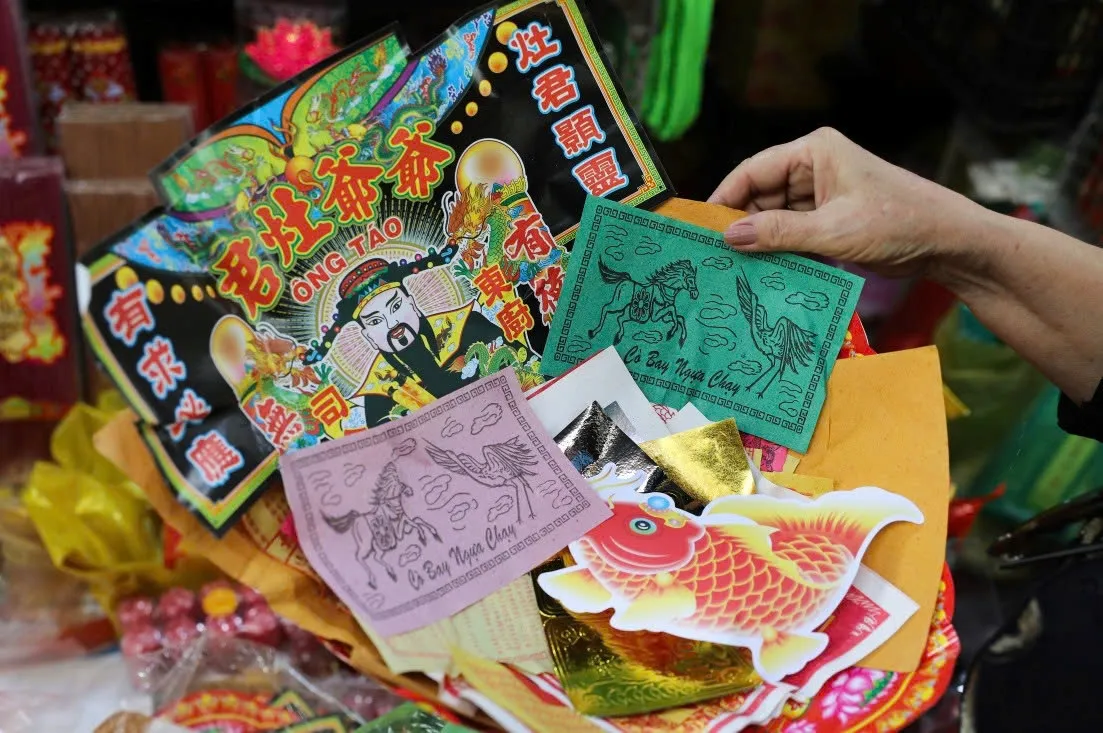
Joss paper for the Kitchen Gods
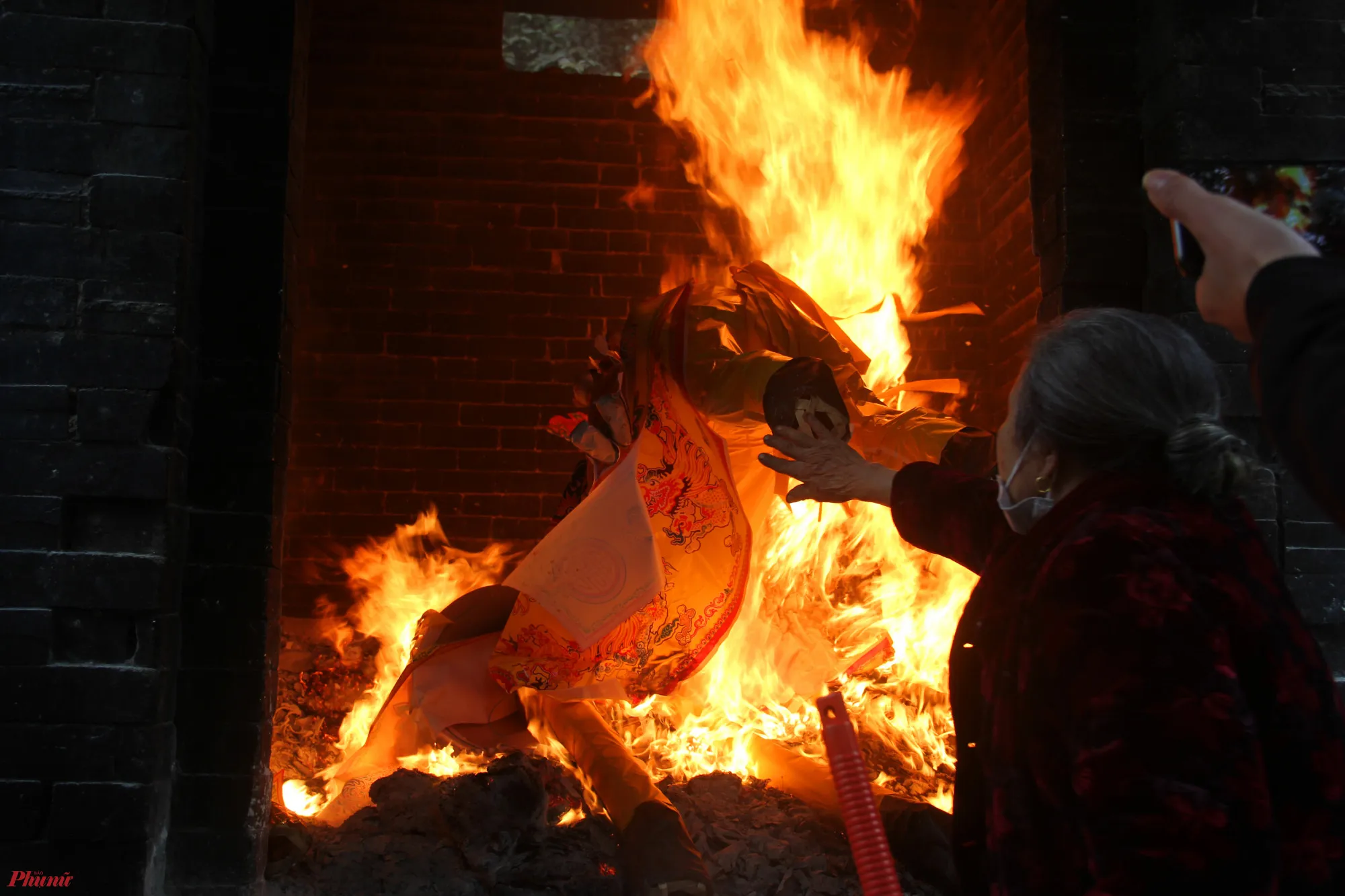
A joss paper furnace
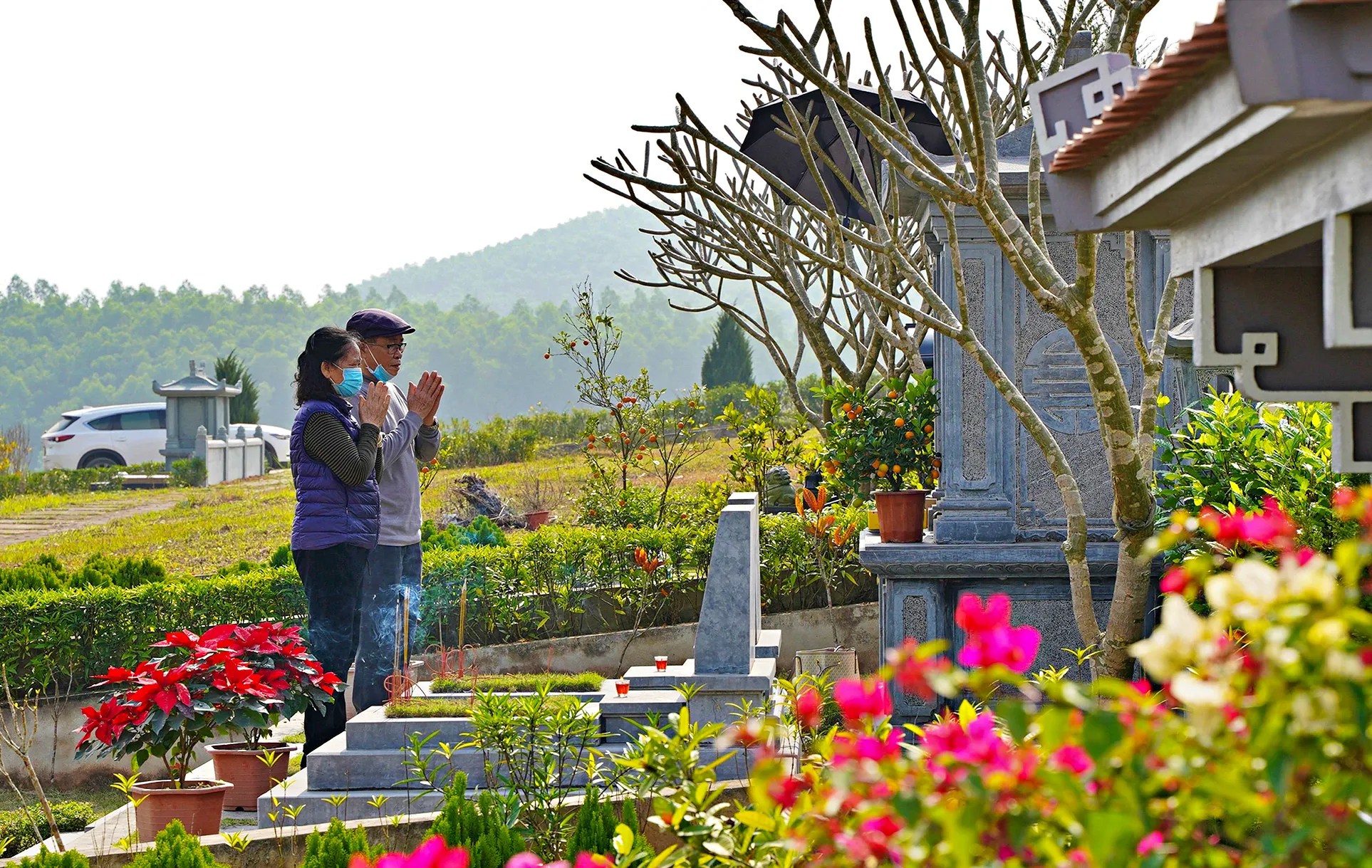
Tomb-Sweeping Festival
Controversies surround the joss paper ritual
As mentioned above, the practice of burning joss paper has gone far beyond the simple stacks of imitation banknotes that once defined the ritual. For some households, investing in elaborate paper offerings has become a way to showcase filial piety, sometimes spending millions of VND each year to “send” luxury goods to the afterlife.
Yet this modern expansion has sparked growing debate among Vietnamese society. Critics argue that excessive burning of joss paper is both financially wasteful and environmentally damaging, producing large amounts of smoke and ash during festivals when whole neighborhoods participate at once. Cultural experts also point out that these practices may stray from the ritual’s original intention by overemphasizing material wealth. In response, several major temples across Vietnam have actively discouraged the burning of joss paper on their grounds. Instead, they encourage followers to focus on acts of kindness such as charity donations, preparing fresh fruit offerings, or simply lighting incense.
Be careful! Joss paper vs. Real currency
One practical note for your trip to Vietnam: be mindful of the visual similarities between joss paper and real money. Traditionally, ghost money was printed in simple designs on thin yellow or silver paper, clearly distinct from legal currency. But in recent decades, many votive shops now sell joss paper designed to mimic modern Vietnamese Dong or even U.S. dollar notes.
While locals can spot the difference instantly, first-time visitors should be vigilant. There have even been cases where unsuspecting visitors were misled into accepting ghost money as real payment in small transactions.
How to distinguish joss paper from real money?
- Major denominations (10,000 VND and above) are made of polymer with distinct transparent windows
- Smaller notes (1,000, 2,000, and 5,000 VND) are still printed on cotton paper. However, authentic currency always feels crisp and features watermarks.
- Always exchange currency at reputable banks or authorized centers to avoid any confusion.
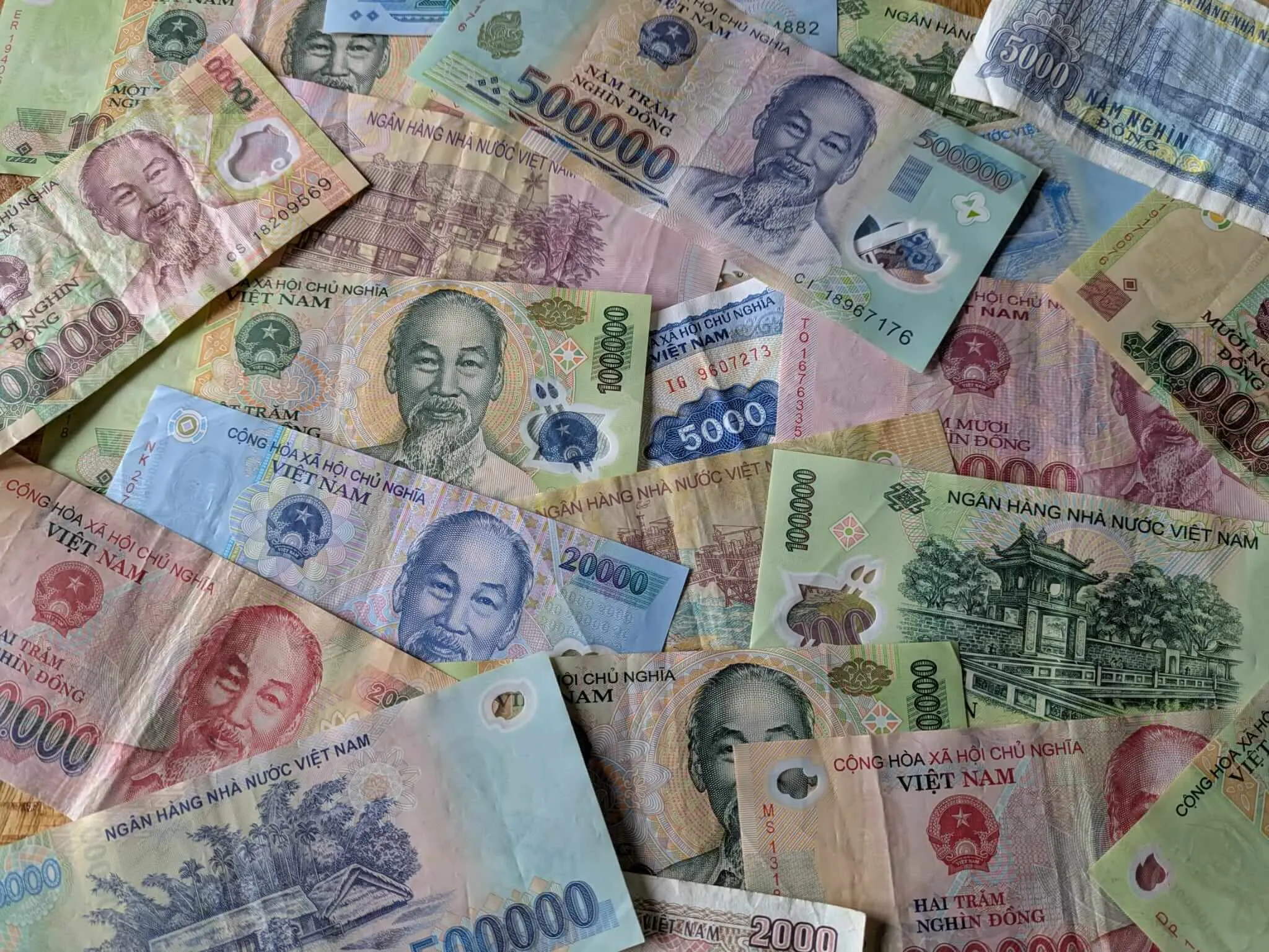
Real denominations of Vietnamese Dong
Local etiquette: How to practice the ritual respectfully in Vietnam
Be respectful: If you encounter locals burning joss paper, avoid standing too close, pointing directly at the flames, or interrupting the ritual. These moments are deeply personal and spiritual.
Burn completely and never reuse: In Vietnamese belief, joss paper must be burned fully for it to reach the ancestors. Half-burned offerings are considered ineffective, so once started, the fire should continue until everything is ash.
Ask questions politely: Many Vietnamese people, especially elders, are happy to explain the meaning of the ritual if approached with respect. This can turn a simple observation into a rich cultural exchange.
Location matters: Not every place allows joss paper burning. Some modern pagodas and urban temples restrict or forbid the practice due to fire safety and pollution concerns. Visitors should look for designated urns or check with locals before joining in.
By keeping these tips in mind, you can witness or even participate in the tradition without accidentally offending local customs, making their Vietnam package holidays more authentic and meaningful.
Final Thoughts
The ritual of burning joss paper is one of Vietnam’s most intriguing cultural practices, blending spirituality, symbolism, and centuries-old beliefs. While debated in modern society, it remains an essential way for families to honor ancestors and connect with the unseen world.
For international visitors, it offers a fascinating glimpse into Vietnamese life. And the best part is, you don’t have to choose between culture and leisure. With carefully designed Vietnam package holidays, you can enjoy both the tranquil beauty of Vietnam beach holidays and the cultural richness of traditions like joss paper burning.
If you’re planning your next trip, check out tailored itineraries from Travel Sense Asia right here. Our curated holiday deals Vietnam blend full relaxation, cultural immersion, and expert guidance, ensuring your journey is both safe and unforgettable.