











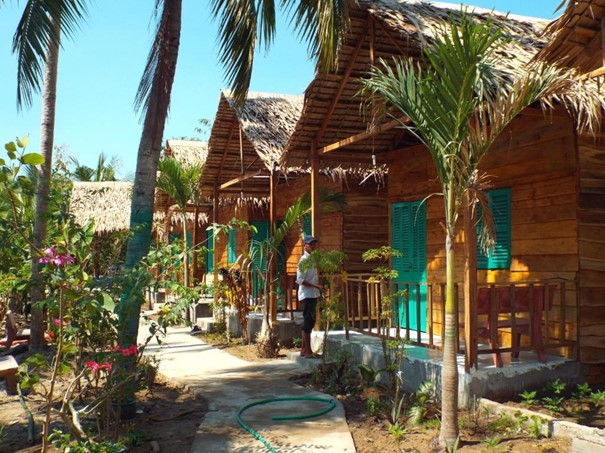
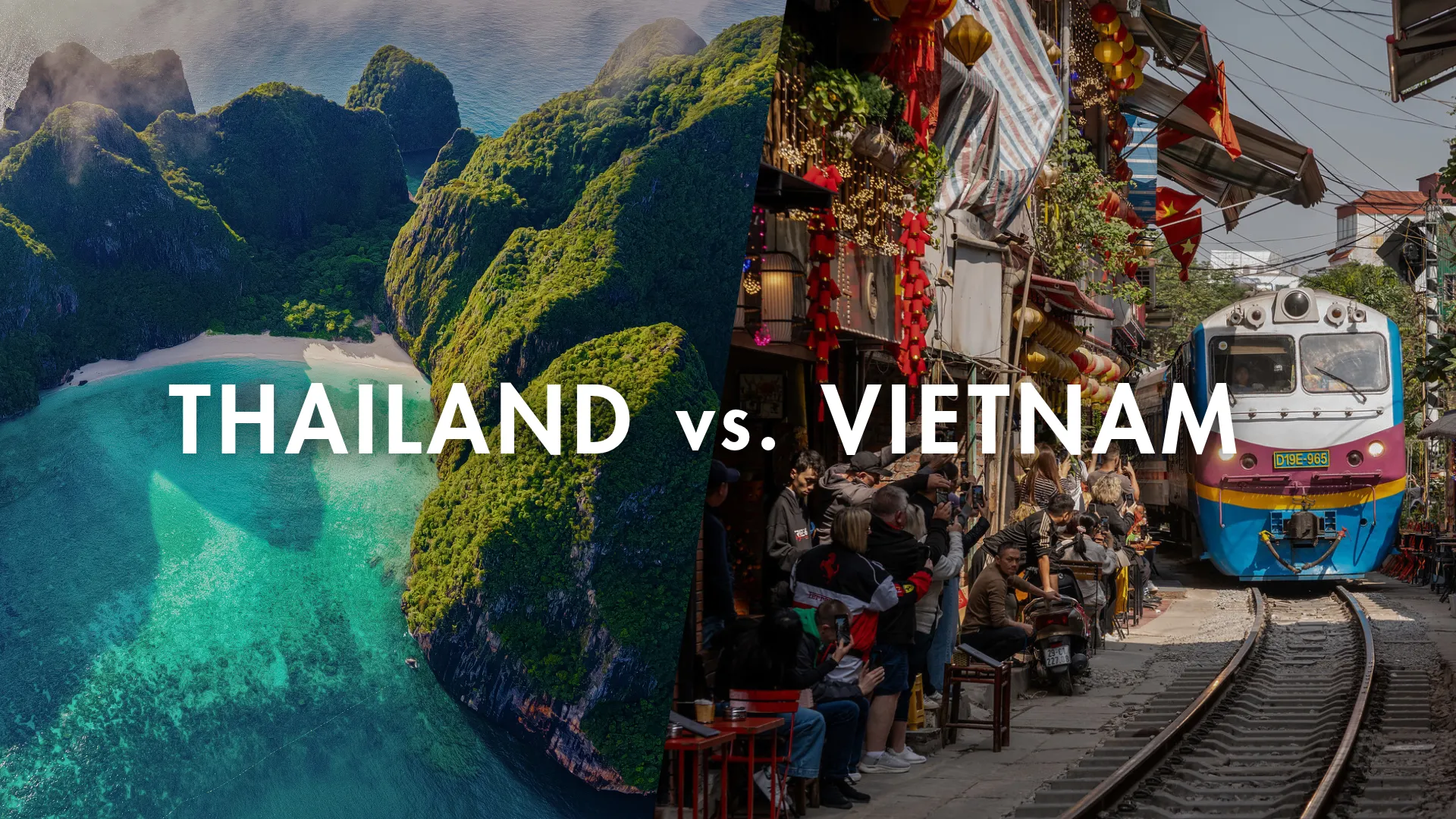
Southeast Asia is a popular winter escape for travelers seeking warmer weather, comfortable days, and a break from colder climates. But should you choose Thailand or Vietnam for winter? Although these neighboring countries are close to each other, they offer very different holiday experiences. Thailand is known for sunny beaches, polished resorts, and easy travel, while Vietnam combines dramatic landscapes, rich heritage, local cuisine, and diverse regional experiences.
In this guide, we will compare the two destinations by weather, travel infrastructure, culture, food, and entry requirements, helping you choose the right fit or combine both in a winter trip.
Quick overview of Thailand and Vietnam for a winter escape
| Comparison Criteria | Thailand | Vietnam |
|---|---|---|
| Winter weather and climate | Generally warm and sunny, with southern beaches and islands around 26 – 32°C during winter. | More varied by region: northern areas are cool and misty around 10 – 20°C, while southern Vietnam and Phu Quoc stay warmer at around 24 – 30°C. |
| Package tour infrastructure | Well-established tourism infrastructure, with extensive resort options and convenient transport services. | Rapidly developing tourism infrastructure, competitive value, and growing focus on local and tailored experiences. |
| Cultural and heritage sights | Golden temples, grand palaces, colorful festivals, and lively urban culture. | UNESCO World Heritage Sites, historic cities, and cultural depth across Hanoi, Hue, Hoi An, and Ha Long Bay. |
| Visa and entry logistics | Visa requirements vary by nationality; many travelers can enter visa-free for short stays. A Thailand Digital Arrival Card (TDAC) is also required for eligible international arrivals. | Vietnam e-Visas are available for citizens of countries and territories, valid for up to 90 days with single or multiple entry. Some nationalities also receive visa exemptions, while foreign visitors entering Phu Quoc Island can qualify for a 30-day visa exemption under specific conditions. |
| Ideal traveler style | Travelers looking for a warm beach holiday, polished resorts, lively evenings, and convenient services. | Travelers interested in heritage cruises, dramatic landscapes, cultural depth, local food, and more varied regional experiences. |
THAILAND REGIONAL GUIDE
Find out the best time to visit Thailand by region, prices, and seasonal festivals for your next trip.
Winter weather comparison: Thailand vs Vietnam climate from December to February
Thailand winter climate and regional weather patterns
Thailand’s winter from December to February is generally dry, sunny, and comfortable. Bangkok and Chiang Mai typically see daytime temperatures around 25 – 28°C, while southern coastal areas stay warmer at around 27 – 32°C.
Along the Andaman Coast, Phuket and Krabi can get 9 – 10 hours of sunshine per day in January, with sea temperatures around 27 – 28°C. These conditions are ideal for island hopping, snorkeling, beach holidays, and outdoor sightseeing.

Winter in Ha Giang, Vietnam
Vietnam winter climate and the three regional weather zones
Vietnam has a more varied winter climate because the country stretches more than 1,650 km from north to south.
- Northern Vietnam: Hanoi, Sapa, and Ha Long Bay are cool to cold, with temperatures commonly around 10 – 18°C. Sapa can experience fog, frost, and occasional icy conditions.
- Central Vietnam: Hoi An, Da Nang, and Hue can still see rain in December and January. Hoi An averages around 21 – 23°C in January, with drier weather becoming more common from February.
- Southern Vietnam: Ho Chi Minh City, Phu Quoc, and the Mekong Delta enjoy warm, dry weather, with daytime temperatures around 24 – 30°C. Phu Quoc’s sea temperatures reach around 27 – 28°C, making it well suited to a winter beach escape.
SAPA WINTER GETAWAY
Discover the misty valleys, frost-covered peaks, and the best things to do in Sapa during December.
Thailand vs Vietnam travel costs and value for money in winter
Overall, both destinations offer a wide range of winter experiences. But Vietnam often gives travelers more accommodation, dining, and local experiences within the same budget, while Thailand stands out for its polished luxury resorts and premium island experiences.
Accommodation and luxury resort expenses in winter
Accommodation is one of the clearest differences between the two destinations, especially during the busy winter season.
- Thailand: Phuket and Koh Samui offer world-class five-star resorts, beachfront villas, and private-pool stays, but popular winter destinations can come at a premium.
- Vietnam: Phu Quoc, Da Nang, and Hoi An offer a wide range of four- and five-star resorts, often giving travelers more room, facilities, and beachfront comfort for the same overall budget. Phu Quoc, for example, has a broad selection of upscale resorts with pools, beach access, and included meals.

Club Med Phuket
Winter dining, activities, and transportation budgets
Daily spending also varies depending on how you want to experience each destination. Vietnam tends to be more affordable for everyday meals and local transportation, while both countries offer plenty of premium experiences.
- Food: Vietnamese street food and mid-range restaurants are generally cheaper, making it easy to enjoy local dishes without a large daily budget.
- Transportation: Local rides and domestic travel in Vietnam are generally affordable, while Thailand’s tourism infrastructure offers more polished transfers and well-developed connections.
- Activities: Both countries offer everything from cultural sightseeing to luxury cruises and island excursions. Thailand is particularly strong for polished island and resort experiences, while Vietnam combines beaches, food, heritage sites, and cultural activities at a lower everyday cost.
FESTIVE SEASON DEALS
Learn how to secure good travel deals for your winter holidays in Vietnam during Thanksgiving and Christmas.
What to do in Vietnam and Thailand in winter
If you are chasing crisp sunshine and warm saltwater to escape the cold, southern Thailand is an easy win. But if your idea of winter travel involves cozy knitwear, misty limestone peaks, and rich heritage walks, northern and central Vietnam deliver an atmospheric mood that few places can match.
Where to visit in Thailand for winter escapes
From November through February, Thailand’s Andaman coast hits peak form. The sea turns glass-calm, rains virtually vanish, and the islands run on pure outdoor energy:

The Grand Palace, Bangkok
Bangkok
Winter is arguably the best time to explore Thailand’s bustling capital without the tropical heat. The cooler, dry days are perfect for wandering the Grand Palace, navigating the alleys of Chatuchak Weekend Market, or taking a scenic boat ride along the Chao Phraya River. By night, the breezy weather makes hopping between street food stalls in Chinatown or sipping cocktails in Sukhumvit an incredibly pleasant experience.

Wat Phra Singh, Chiang Mai
Chiang Mai
Up north, winter delivers crisp, cool mornings and comfortable, warm afternoons. It is the ideal climate for temple-hopping through the Old City or hiking the jungle trails up to Wat Phra That Doi Suthep for clear, panoramic views.

A fireshow in Koh Samui
Phuket and Koh Samui
Winter brings the luxury scene to life. Think afternoon daybeds and signature spritzes at beach spots like Café del Mar, followed by a chartered catamaran sail through the dramatic karst tunnels of Phang Nga Bay. Back ashore, book an evening herbal compress massage or an authentic Thai spa treatment to unwind.

Mu Ko Lanta National Park
Koh Lanta
For a rhythm that feels worlds away from busy party hubs, head to Lanta. Rent a scooter to coast down the quiet west coast toward Klong Nin or Bamboo Beach. You can spend an entire afternoon reading in a beachfront hammock, sipping fresh coconut water, and catching an uninterrupted view of the sun melting into the horizon.
THAILAND BEACH PARADISES
Explore our curated list of the 15 best Thailand beaches for your winter holiday.
Where to visit in Vietnam for winter escapes
Vietnam paints a completely different canvas during winter: a moody chill across northern peaks paired with temperate, lantern-lit evenings in the historic center.

Misty morning cruise on Ha Long Bay
Ha Long Bay
Winter lends Ha Long Bay an almost cinematic stillness. Wake up on an overnight cruise to find thousands of limestone pillars half-hidden behind morning mist, with crisp air hovering around 15 – 18°C. Paddle a kayak through the quiet arch of Luon Cave or simply bundle up on the sundeck with a hot drip coffee.

Floating market vibes in the Mekong Delta
Mekong Delta
With brilliant sunshine and comfortable heat, winter is the perfect time to navigate this watery labyrinth. Wake up early to catch the lively exchanges of produce at the Cai Rang floating market, then spend the afternoon taking a boat ride under the shade of nipa palms. The dry paths also make it ideal for cycling through riverside villages and lush tropical fruit orchards.
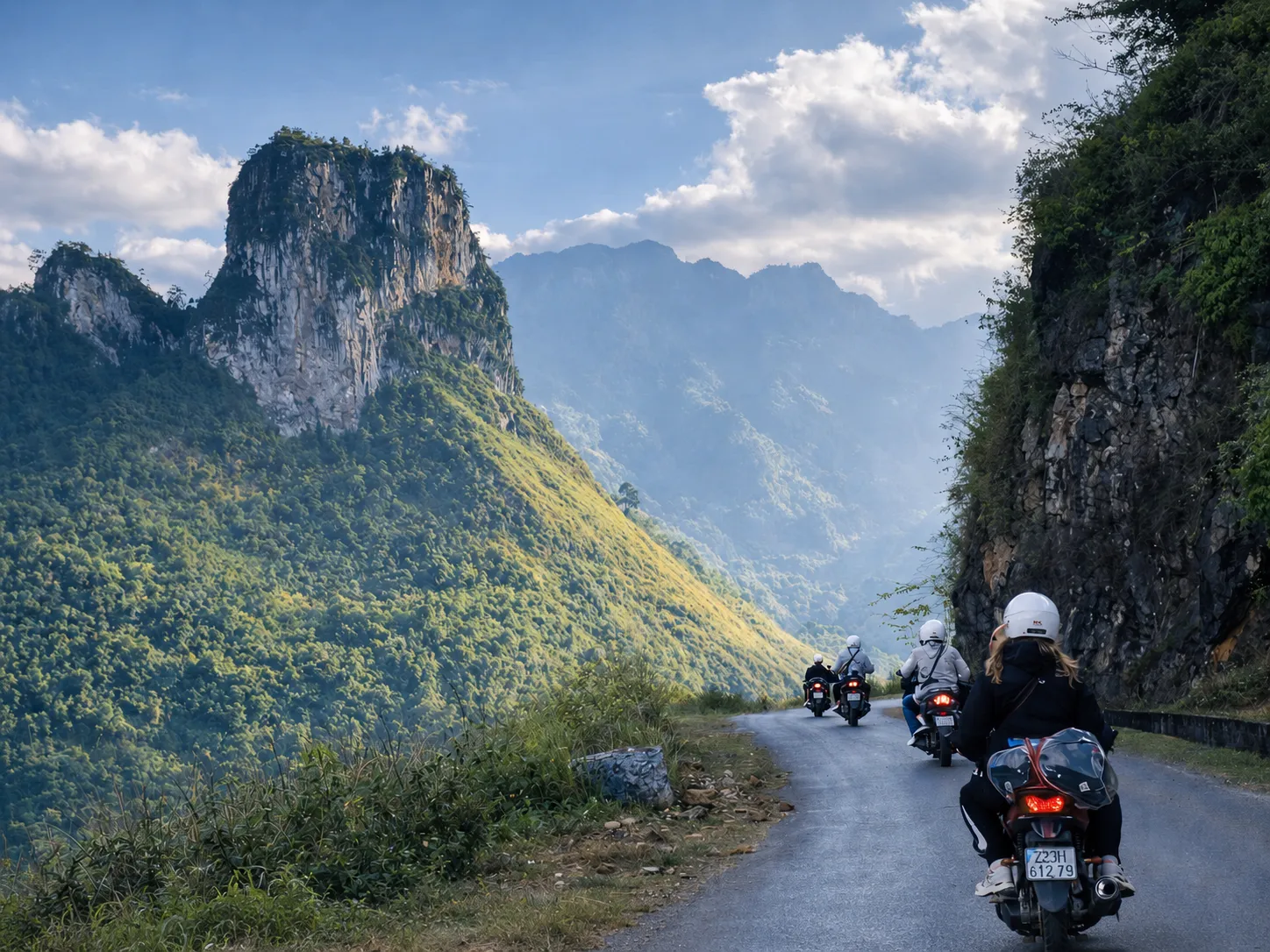
The majestic scenery of the Ha Giang Loop
Ha Giang Loop
Riding the Ma Pi Leng Pass in winter is pure drama. Cool winds cut through the deep ravines, opening up jaw-dropping drops down to the emerald-green Nho Que River. Along the route, you will catch the tail end of pink buckwheat flower blooms and plumes of hearth smoke rising from traditional clay walled homes tucked into the rocks.

Crystal clear waters of Phu Quoc island
Phu Quoc
While the central coast of Vietnam often faces heavy winter rains, Phu Quoc enjoys its dry season peak. It is the ultimate Vietnamese beach escape for the winter months, spend your days snorkeling the vibrant coral reefs of the An Thoi archipelago, relaxing on the powdery white sands of Sao Beach, and ending the evening watching a signature fiery sunset on the west coast.
VIETNAM BEACH HOLIDAY (10 DAYS)
Combine the vibrant cities with a sun-soaked escape to Whale Island and Ha Long Bay.
Visa policies, logistics, and ease of travel
Visa rules and travel infrastructure can make a noticeable difference to how easy a winter trip feels. Both Thailand and Vietnam are relatively accessible, but they offer different advantages.
Tourist entry requirements and visas: Thailand vs Vietnam
Thailand is convenient for short winter holidays, while Vietnam offers more flexibility for longer stays.
- Thailand: Many nationalities can enter visa-free for up to 30 days, depending on current eligibility. International visitors must also complete the Thailand Digital Arrival Card (TDAC) before arrival via the official TDAC portal
- Vietnam: Citizens of all countries and territories can apply for a Vietnamese e-Visa via the Official National E-Visa Portal. It is valid for up to 90 days, with single or multiple entry options. Some nationalities also qualify for visa exemption, including citizens of 40 countries who can stay for up to 45 days.

Tourism infrastructure, communication, and ease of travel
Both destinations have strong tourist infrastructure, but the experience changes as you move beyond the main cities.
- Thailand: Bangkok has modern BTS and MRT systems, while Phuket and Krabi have well-established island tours, ferries, speedboats, hotels, and English-speaking services. Grab and Bolt are also widely available.
- Vietnam: Major cities and tourist areas have extensive Grab services, domestic flights, sleeper buses, rail connections, and expanding highway networks. English is common in popular tourist destinations, while translation apps can help in smaller towns and rural areas.

Sunset Town Phu Quoc
EXPLORE KOH CHANG
Discover Thailand’s quieter island alternative with our complete Koh Chang Travel Guide.
Thailand or Vietnam: Which winter destination fits your travel style?
The better choice depends on the kind of winter holiday you want. Thailand works especially well for easy beach escapes, resort comfort, and simple planning. Vietnam offers more variety for travelers who want culture, food, mountains, and local experiences.

Koh Kood
Choose Thailand for winter comfort, beaches, and seamless travel
Thailand is a strong fit if you want a warm winter holiday with plenty of comfort and minimal planning.
- Best for: First-time Southeast Asia travelers, families, couples, and beach-focused holidays.
- Easy travel: Major tourist areas have well-developed hotels, English-speaking services, Grab or Bolt, and organized island tours.
- Beach escapes: Phuket, Koh Samui, Krabi, Koh Lanta, and Koh Phi Phi offer warm seas, sandy beaches, and a wide choice of resorts.
- Simple winter conditions: Southern Thailand typically stays warm and dry from December to February, making outdoor and island activities easy to plan.

Hoi An
Choose Vietnam for winter culture, nature, and authentic exploration
Vietnam suits travelers who want more variety and enjoy combining different types of experiences in one trip.
- Best for: Foodies, culture lovers, nature enthusiasts, and travelers interested in longer or multi-region journeys.
- Diverse landscapes: Ha Long Bay, Mai Chau, Ha Giang, and the Mekong Delta offer very different scenery and experiences.
- Cultural depth: Hoi An, Hanoi, and smaller communities add historic sites, local traditions, architecture, and regional cuisine to the journey.
- Flexible travel: The 90-day e-Visa and extensive domestic connections make it practical to travel across several regions without rushing.
Explore Thailand and Vietnam this winter with us
The choice between Thailand or Vietnam for winter ultimately depends on the kind of winter experience you want. Ready to plan your winter escape? Travel Sense Asia can arrange the flights, private transfers, accommodation, and experiences across Thailand and Vietnam, creating a smooth itinerary around your travel style. Contact us now!
Frequently Asked Questions
Is December to February the best time for a winter trip to Thailand and Vietnam?
Generally, yes. Thailand is mostly dry and sunny, especially in the south. Vietnam varies by region, with cooler conditions in the north and warmer, drier weather in the south.
Can I combine both Thailand and Vietnam in one winter vacation package?
Yes. With around 14 days, you can combine Bangkok, Chiang Mai and a Thai beach destination with Hanoi, Ha Long Bay or southern Vietnam. Direct flights between the two countries make the combination practical.
How do winter beaches in Phuket compare to Phu Quoc for resort travelers?
Phuket offers a larger choice of established resorts, island excursions, and entertainment. Phu Quoc has a more relaxed atmosphere, warm winter weather, and a growing selection of beachfront resorts.
What entry visas or paperwork are required for winter travel in 2026?
Requirements depend on nationality. Thailand requires eligible travelers to complete the Thailand Digital Arrival Card (TDAC), while Vietnam offers e-Visas valid for up to 90 days for citizens of all countries and territories. Check the latest official requirements before departure.