









Tucked away in the mountains of Ha Giang (now part of Tuyen Quang), Hoang Su Phi remains one of the most authentic and unspoiled destinations in northern Vietnam. While its terraced rice fields and dramatic mountain landscapes attract trekkers from around the world, this land offers so much more beyond the trails. Compared to its more commercial sister, Sapa in Lao Cai, Hoang Su Phi still preserves a raw charm where ethnic minority life continues much as it always has.
Recognized as a National Heritage Site, the sweeping rice terraces in Hoang Su Phi are only the beginning. Mist-filled valleys, vibrant weekly markets, and warm village hospitality make this region a rich cultural escape, especially during harvest season, when the hills glow gold under the autumn sun. Continue reading to discover the best things to do in Hoang Su Phi beyond the trekking trails.
Overview of Hoang Su Phi
Where is exactly Hoang Su Phi now in Vietnam? Still in Ha Giang?
Located in Vietnam’s far northwestern mountains, Hoang Su Phi belongs administratively to Tuyen Quang province but remains closely tied to Ha Giang’s geography and culture. The town sits about 80 km west of former Ha Giang City, 300 km from Hanoi, and roughly 160 km southwest of Sapa. Thanks to improved roads, travelers can now combine Hoang Su Phi with those destinations or as an extension from the Ha Giang Loop route.
Despite its accessibility, Hoang Su Phi still feels worlds away from modern bustle, a place where time slows down among terraced valleys, cloud-capped peaks, and ethnic minority villages.
What is the best time to visit Hoang Su Phi?
The best time to visit Hoang Su Phi largely depends on the experience you’re seeking.
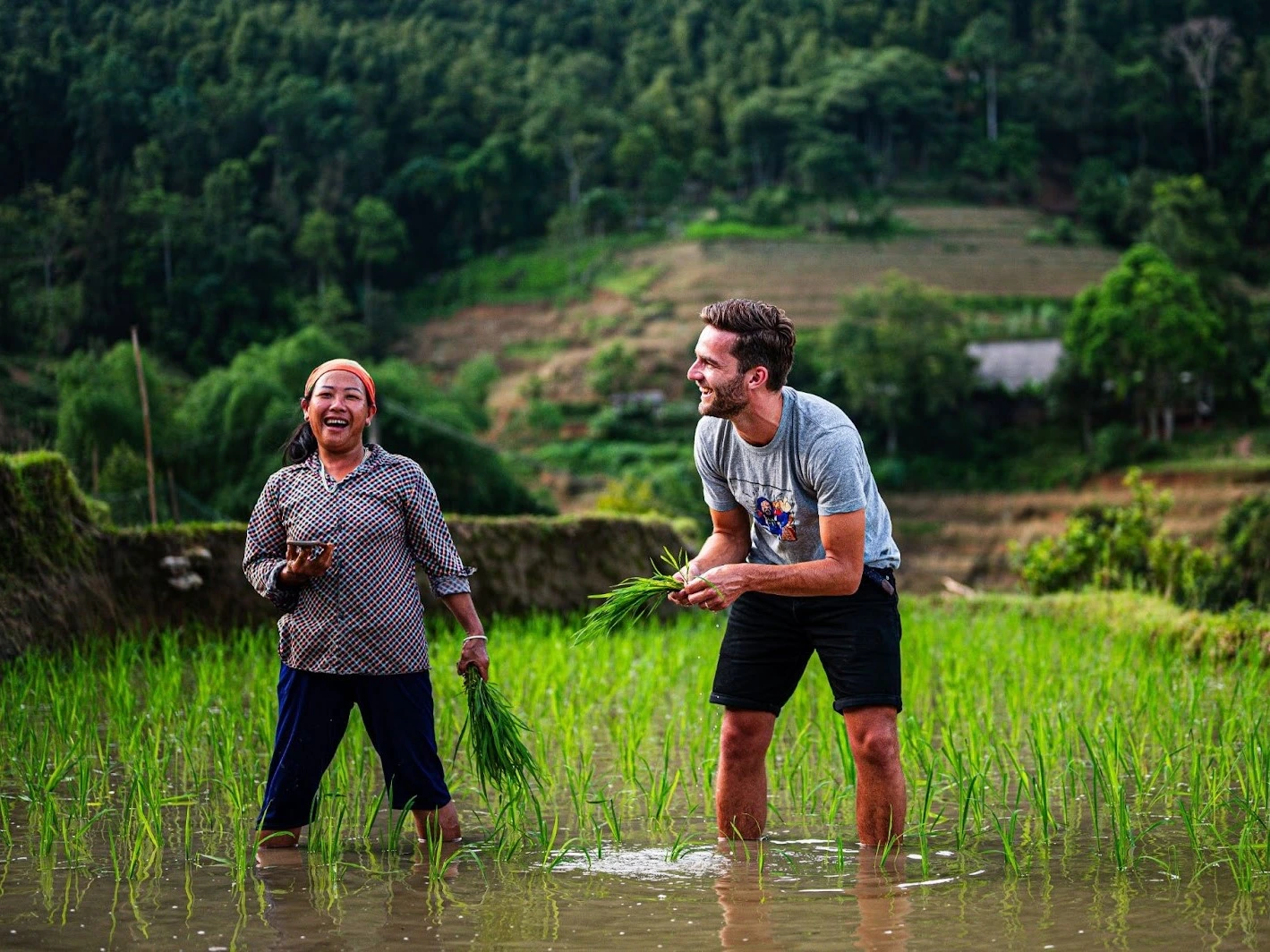
- Summer: From May to June, the “watering season” turns the rice terraces into shimmering mirrors that reflect the sky-perfect for photographers.
- Autumn: From September to early October, the fields ripen into golden waves during harvest, creating one of the most beautiful sights in Northern Vietnam. However, this period can occasionally coincide with heavy rains affected by the tropical systems from the East Sea, so travelers should check weather forecasts and plan flexible travel days.
- Winter: The cool months from November to February are ideal for cultural exploration and trekking, though temperatures can drop sharply in the mountains.
- Spring: March to April brings mild weather and blooming flowers, making it another scenic window for travel.
No matter the season, Hoang Su Phi promises authentic encounters, pristine nature, and a deep connection to local culture.
Watering Season
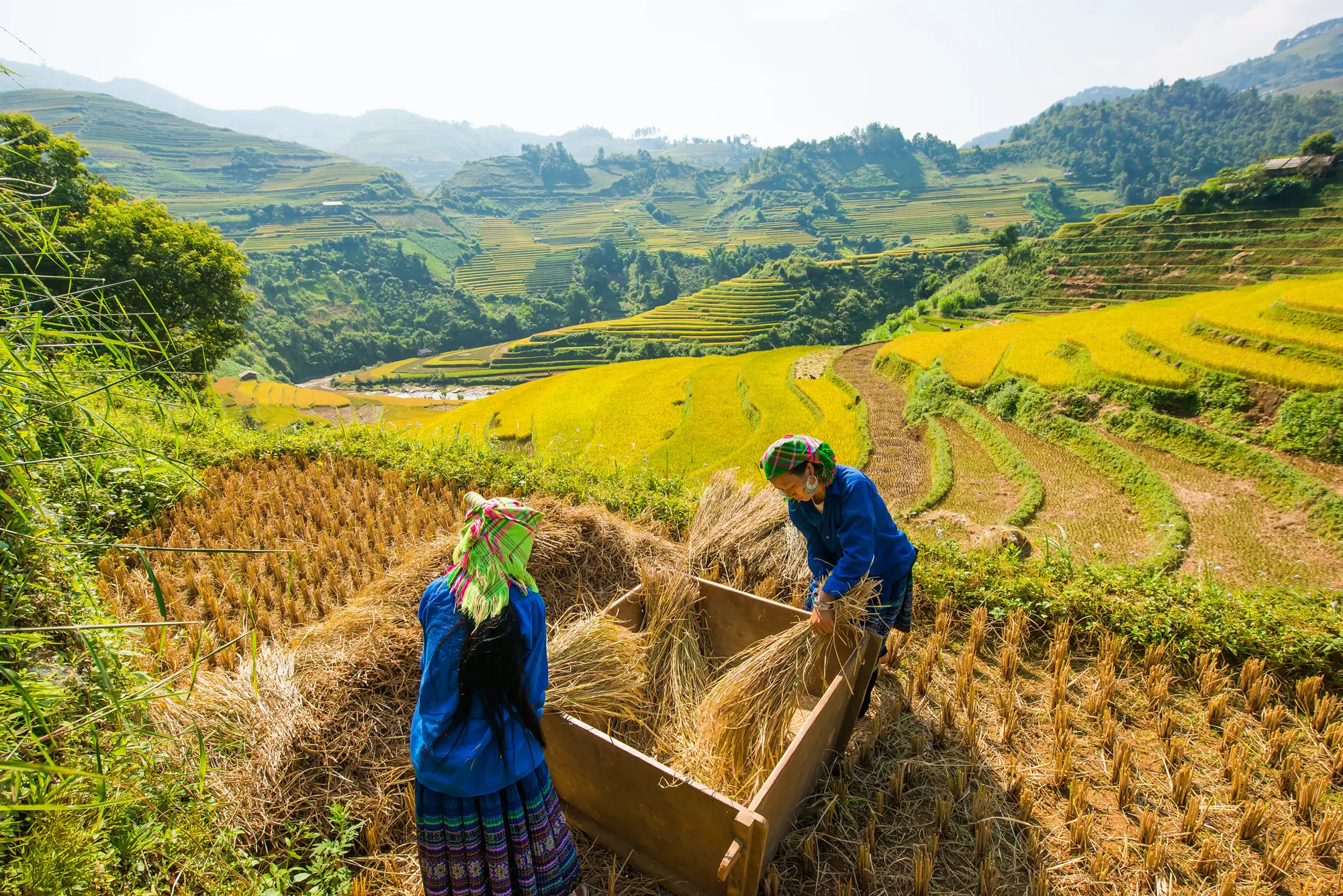
Golden Season
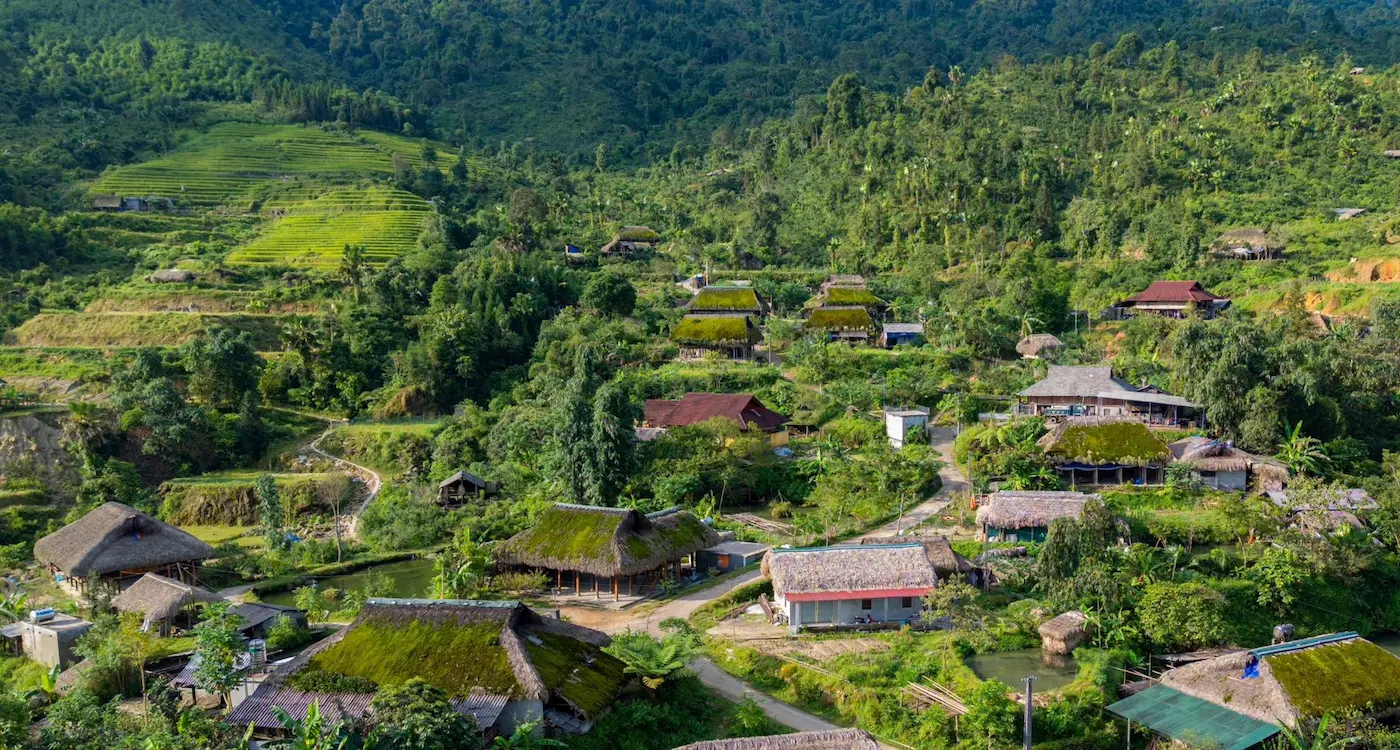
Winter Season
Things to do in Hoang Su Phi: Top activities and attractions
1. Explore ethnic minority villages in Hoang Su Phi
Home to Hmong, Dao, and Nung communities, villages like Ban Luoc, Ban Phung and Ho Thau allow visitors to experience authentic highland life. You can join locals in rice harvesting, learn about traditional indigo dyeing, or share tea in a stilt house overlooking the valley. Homestays here are simple but welcoming, offering meaningful cultural exchange.
2. Admire terraced rice fields, the National Heritage Site of Hoang Su Phi
The rice terraces of Ho Thau, Xin Man, Nam Ty or Thong Nguyen are among the most spectacular in Vietnam. Recognized as the National Heritage Site of Vietnam, these fields reflect generations of careful cultivation. The golden season (from late September to early October) is when the scenery reaches its peak beauty, with layers of ripened rice shining under the autumn sun.
3. Conquer Tay Con Link and Chieu Lau Thi, the Roofs of Ha Giang
Among the top things to do in Hoang Su Phi, trekking Tay Con Linh Peak and Chieu Lau Thi Peak offers two very different mountain experiences, both rewarding in their own way.
Located around 35km northeast of Hoang Su Phi, Tan Con Linh is the highest peak in Ha Giang and one of the most challenging ascents in northern Vietnam. The route is remote and off the beaten track, with steep forest trails and limited signage. Adventurers who make the climb are rewarded with sweeping views of jagged mountain ranges and rare alpine flora. Hiring a local guide is strongly recommended, especially during rainy months when the trail becomes slippery.
About 35 km southwest from the main town, Chieu Lau Thi is slightly lower yet more accessible, with stone steps and a clearer trekking trail. It’s a good choice for travelers seeking a manageable hike without compromising on scenery. On a clear day, the summit opens to breathtaking views over rolling cloud layers and terraced valleys; though like any high peak, you’ll need a bit of luck to avoid thick mist.
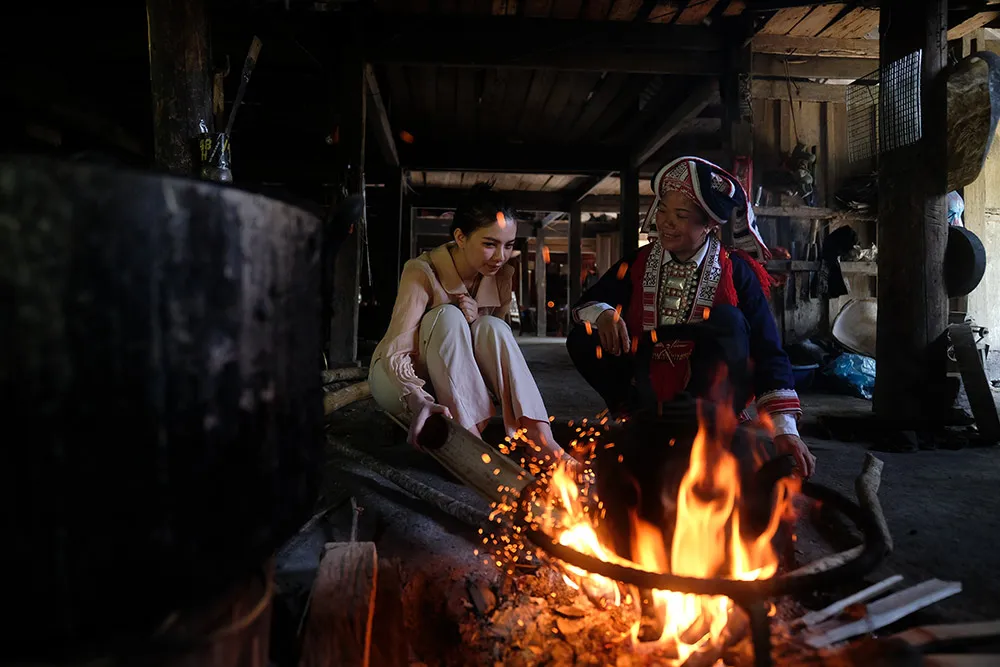
A traditional Dao house
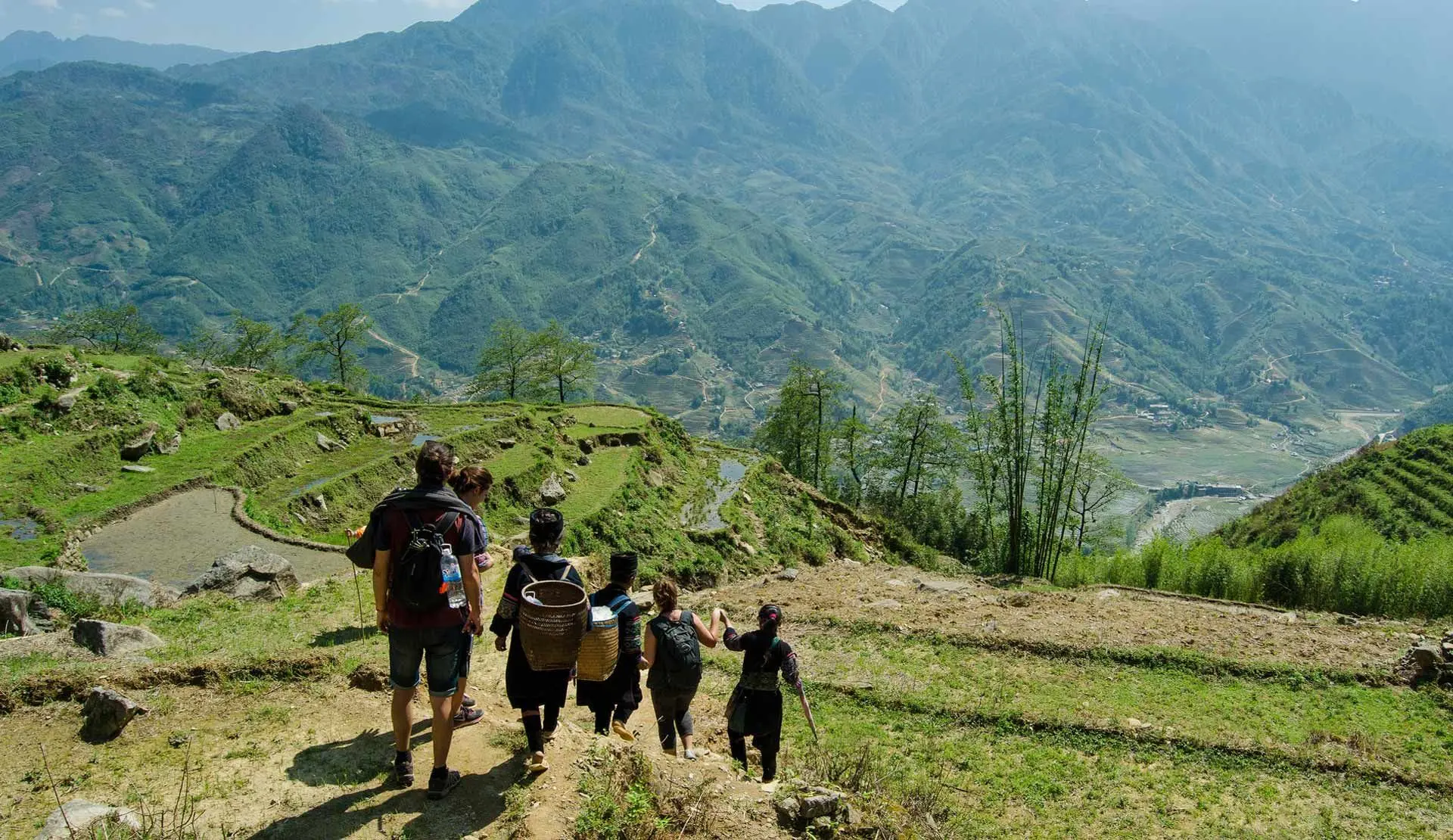
Trekking through terraces

Chieu Lau Thi
4. Visit Suoi Thau Meadow
Though technically located in Xin Man (Ha Giang), about 45 km west of Hoang Su Phi, Suoi Thau Meadow is a worthy addition to your journey, especially if you plan to combine Hoang Su Phi with a trip toward Bac Ha (Lao Cai).
Don’t confuse Suôi Thầu (Xin Man) with Suối Thầu in Ban Luoc (Hoang Su Phi)
A sweeping highland meadow often compared to European alpine pastures, Suoi Thau Meadow is one of the most scenic things to do around Hoang Su Phi. Early mornings are the most magical, when a “sea of clouds” floats across the valley, creating an ethereal atmosphere perfect for photography. Gentle trails curve through wide green fields, with panoramic views of surrounding peaks and wooden houses tucked into the hillsides.
5. Visit ethnic mountain markets in Hoang Su Phi
The local mountain markets are lively gathering points for ethnic groups in Hoang Su Phi and Northern Vietnam. Here, visitors can browse handmade textiles, try mountain specialties, and observe authentic trading scenes that have changed very little over time.
Historically, the district had only three main markets, Vinh Quang, Ban May and Nam Dich, all held on Sundays since the French colonial era. Today, these markets remain deeply rooted in tradition. Many villagers still travel long distances, sometimes arriving a day early by mule or on foot from remote hamlets, making the market not just a place to trade but a long-awaited social occasion.
One of the most charming sights is seeing young people from Dao, Tay, Nung, Hmong and La Chi communities pause along the roadside to dress and groom themselves in their finest outfits before entering the market. Inside, hues of deep indigo, bright red, and yellow blend with silver jewelry, creating a vibrant cultural tapestry. Trading is relaxed, from cloth and jewelry to livestock carried on shoulder poles, with almost no bargaining, reflecting the friendly nature of local exchange.
6. Join traditional weaving workshops hosted by ethnic people
In villages such as Ban Phung, you can step into a living tradition: the weaving workshops. At these humble homes, women sit at wooden looms, patiently transforming cotton they themselves grew into richly patterned textiles. The craft has been passed down for centuries and remains a pillar of cultural identity.
Guests are welcome to watch every step of the process, from pulling fibre to spinning thread, from dyeing with natural indigo to weaving hand-stitched cloth. Participating in a workshop here is more than just a demonstration, it’s a way to connect with a cultural rhythm that syncs with the seasons, the land and the communities of Hoang Su Phi.

Suoi Thau Meadow

Vinh Quang Market

Weaving brocade in Ban Phung
7. Enjoy homestay experiences in Hoang Su Phi
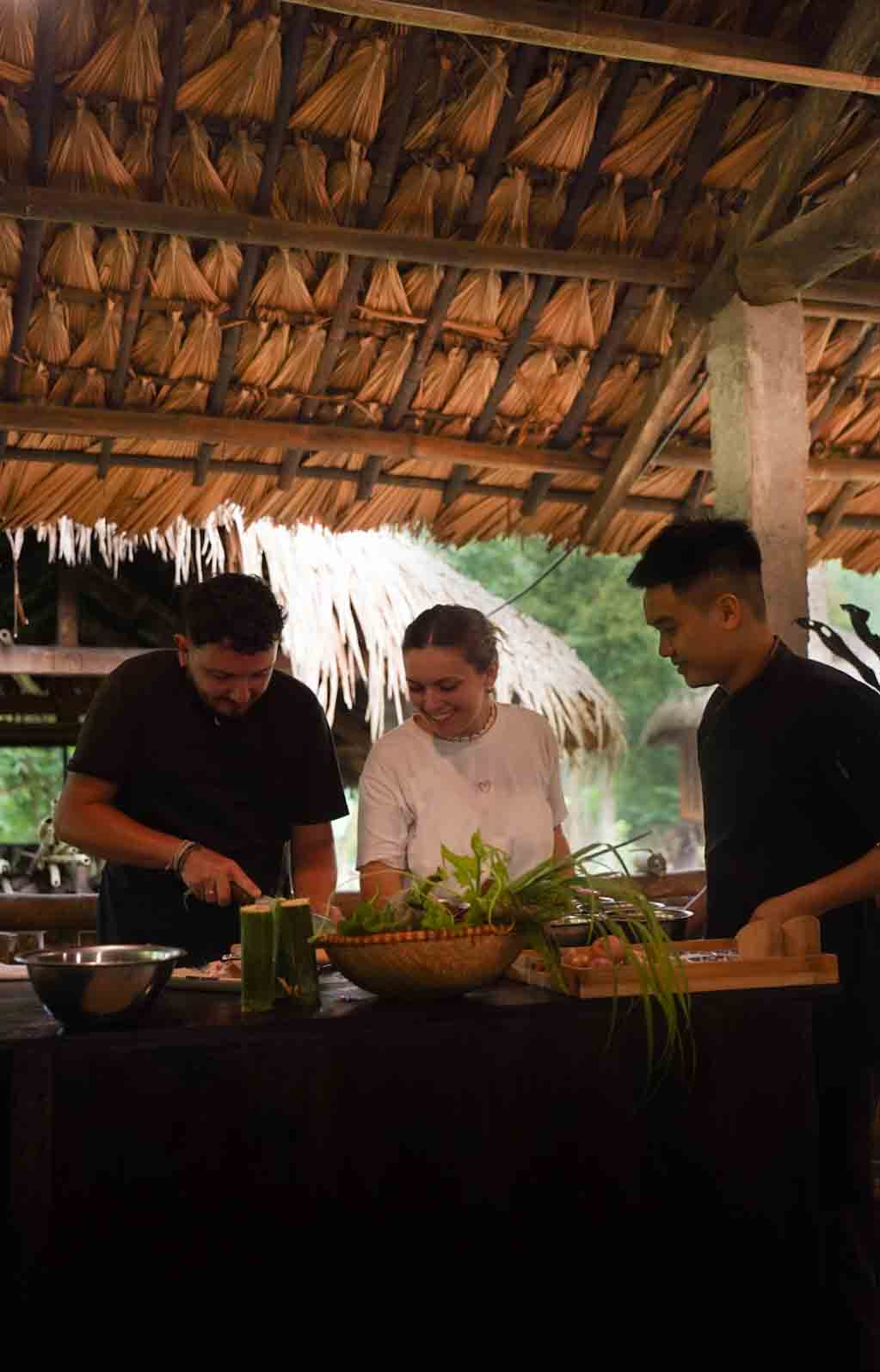
Staying in a homestay provides immersion in local life. Guests can participate in daily chores, cook local dishes, and hear stories about village history. Homestays also serve as starting points for short walks to rice terraces, waterfalls, and nearby cultural sites.
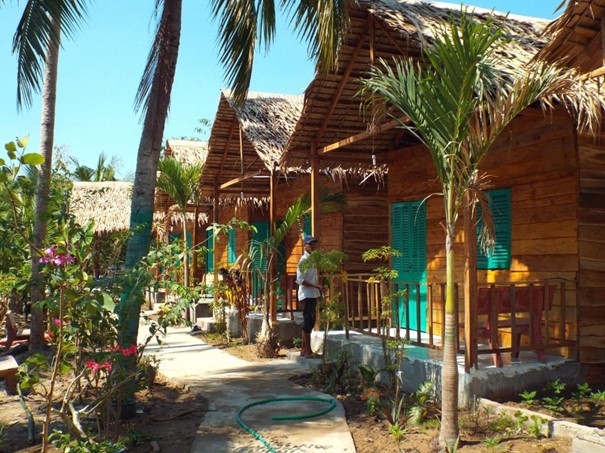
For those seeking a more comfortable yet still nature-connected stay, Panhou Retreat in Hoang Su Phi is an excellent option. Surrounded by lush mountains and terraced fields, it combines eco-friendly design with local charm. Guests can relax in hot herbal baths, join guided treks through ethnic minority villages, and enjoy authentic Vietnamese meals made from fresh, regional ingredients.
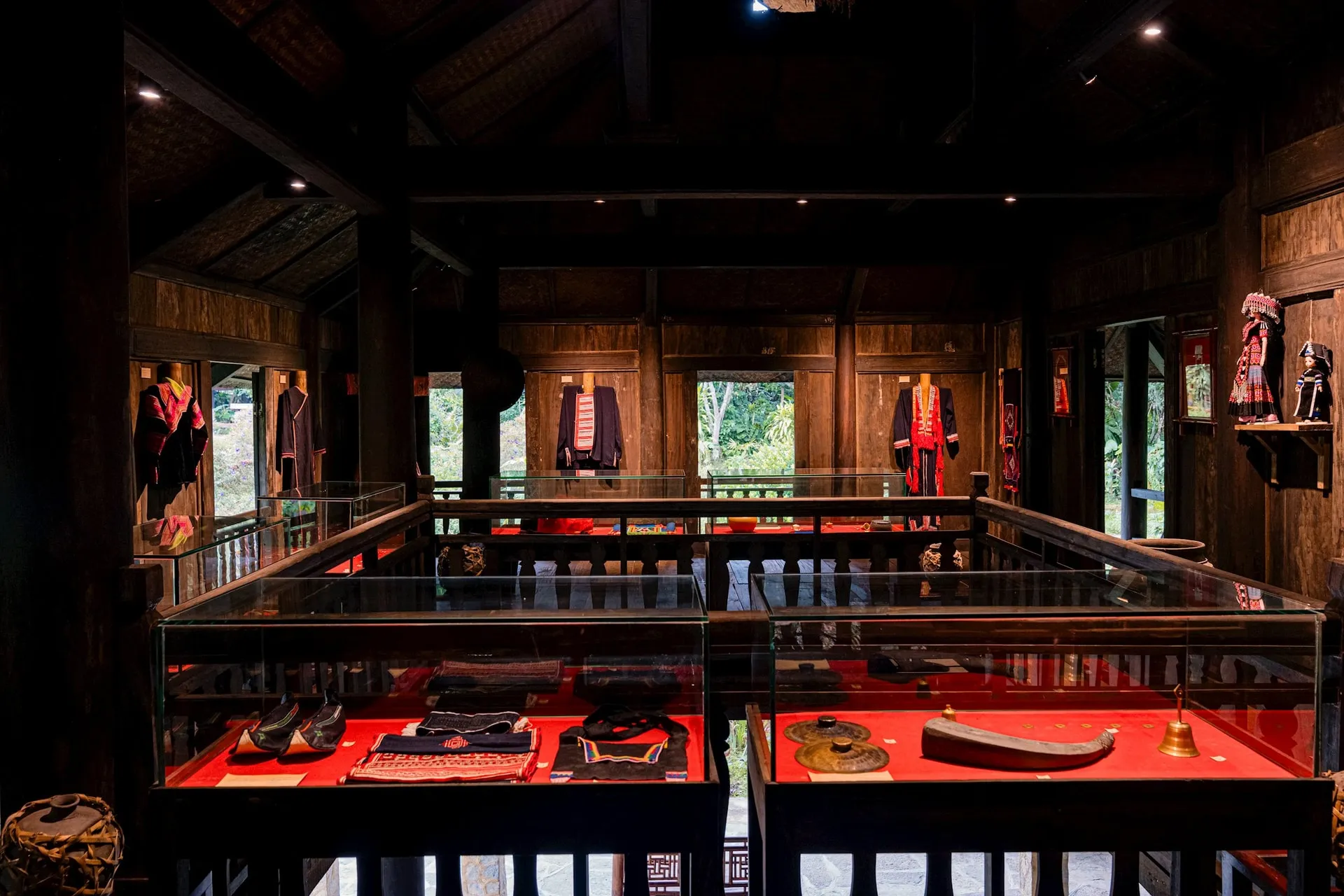

Panhou Retreat
Travel tips for your trip to Hoang Su Phi Vietnam
Pack your luggage wisely
No matter when you visit Hoang Su Phi, packing smart will help you enjoy the mountains to the fullest. March–May brings mild weather and blooming valleys, ideal for trekking, so bring light layers for cool mornings. May–June, during the watering season, the terraced fields turn into sky-reflecting mirrors; waterproof footwear is recommended as paths may be muddy. September–early October is harvest season, when the hills glow gold under the sun, check forecasts and keep plans flexible with waterproof gears, as showers can appear. November–February is cool and misty, perfect for gentle hikes and cultural visits; prepare warm clothing for cold nights.
Check inclusions & flexibility
Review what is included in each tour: guided food walks, market visits, cooking classes, meals, and accommodation. Flexible itineraries allow travelers to linger at favorite spots or adjust their schedule. For example, some holiday deals in Vietnam provide optional excursions to local villages or extra beach days, perfect for those who want to balance sightseeing and relaxation.
Balance budget and comfort
Vietnam holiday packages range from budget-friendly to luxury experiences. Consider the combination of price, comfort level, and included activities. Whether you are opting for a Vietnam beach holiday or a comprehensive cultural tour, make sure the package provides good value without compromising on experiences.
Try authentic cuisine experiences
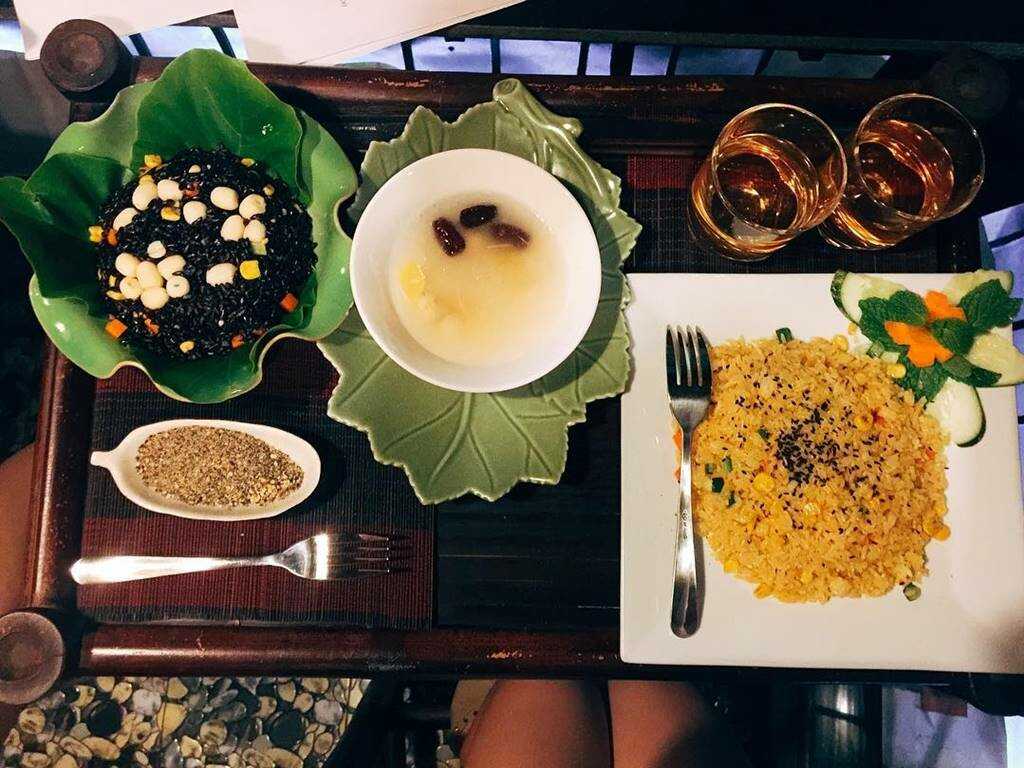
In Hoang Su Phi, food reflects the land itself, simple, humble, and deeply connected to the ethnic communities who live among the mountains. Instead of polished restaurants, most meals are prepared in family kitchens, village eateries, or at the local market, where fresh herbs, forest vegetables, and homegrown ingredients speak louder than any menu. Typical dishes include sticky rice cooked in bamboo, smoked pork, corn wine, and seasonal greens gathered from nearby hillsides, every bite offering a taste of daily life among ethnic minorities. Yet, because many ingredients are sourced from the forest or family farms, some dishes may feel unfamiliar or “too exotic” for first-time visitors. If you have dietary restrictions or allergies, don’t hesitate to ask about ingredient especially nuts, herbs, or wild plants used in local recipes.
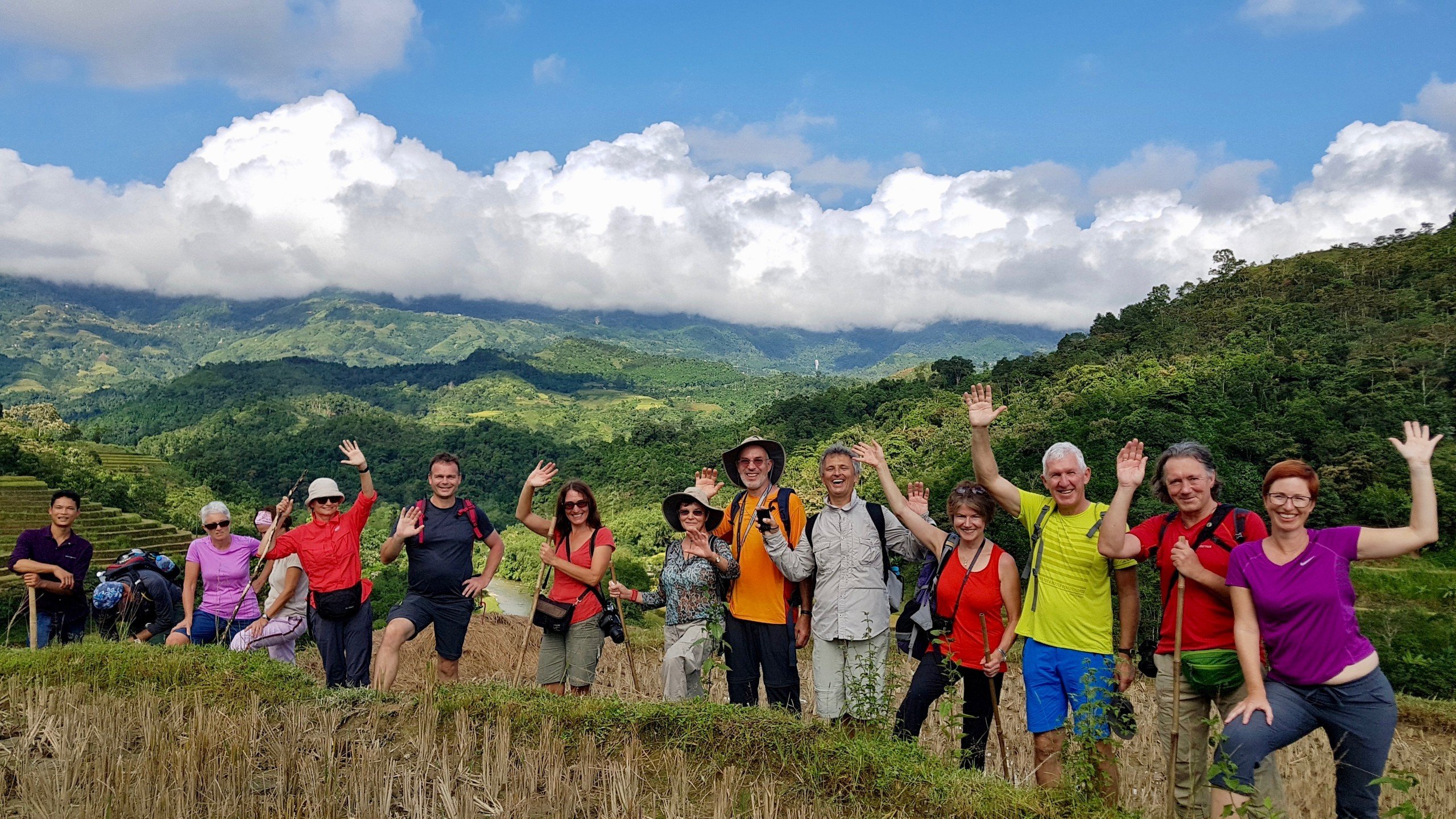
A trekking tour in Hoang Su Phi with Panhou Retreat x Travel Sense Asia
FAQ – Travel Guide in Hoang Su Phi
How do I get to Hoang Su Phi?
Most travelers reach Hoang Su Phi from Hanoi. Sleeper bus, private car, or guided tour are common options.
When to visit Hoang Su Phi?
The prime periods are May-June (green, mirrored rice terraces) and late September-early October (golden harvest terraces). November-April are also scenic for trekking and cultural immersion. Flexible planning is advised during occasional rainy spells.
How many days should I spend in Hoang Su Phi?
Most international travelers spend 3-5 days to explore the key villages, terraces, and viewpoints comfortably. Longer stays allow for trekking to remote areas and deeper cultural experiences.
What cultural experiences are recommended in Hoang Su Phi?
Visiting ethnic minority villages joining local festivals, and shopping at Sunday markets are highlights. Homestays provide insight into traditional crafts like weaving and local farming practices.
Is Hoang Su Phi safe for trekking and photography?
Yes, but with precautions. Stick to marked trails, wear proper shoes, and check weather conditions. Early mornings offer the best light and misty valley views for photography. Avoid deep treks during heavy rain.
Where to stay in Hoang Su Phi?
Homestays in Ban Luoc, Ban Phung or Ho Thau provide authentic experiences with basic amenities. Some eco-lodges in Thong Nguyen, such as Panhou Retreat, offer slightly more comfort while still emphasizing local culture. Booking ahead is recommended during peak season.
Final thoughts
Hoang Su Phi isn’t just a lesser-known trekking destination for hardcore adventurers, it deserves the spotlight among travelers seeking to slow down and connect with northern Vietnam’s highland culture. Beyond the trails, there’re many things to do in Hoang Su Phi: visit quiet ethnic villages, explore colorful Sunday markets, learn traditional weaving, taste local food, or unwind at eco-lodges surrounded by terraced valleys. With thoughtful, flexible planning around the seasons, every journey stays both meaningful and safe.
If you’re looking to explore Hoang Su Phi responsibly, supporting local communities while experiencing its living traditions, Travel Sense Asia can help you plan a meaningful, sustainable journey beyond the beaten path. Get in touch to start designing your trip.