













Hanoi is famous for its vibrant street food and bustling Old Quarter, but the true essence of its thousand-year culture lies just beyond the city limits. If you are looking for authentic things to do in Hanoi, exploring the surrounding traditional villages in Hanoi is an unmissable experience.
This guide provides a curated list of the best ancient villages, essential travel tips, and cultural insights to help you discover timeless architecture, local crafts, and serene rural landscapes.
Why exploring traditional villages in Hanoi and its surrounding areas is a must?
Hanoi remains a profound center of Vietnamese identity, where a thousand years of history are best observed within its surrounding rural clusters. Exploring these traditional villages allows travelers to connect with the authentic roots of the nation’s “Thang Long” heritage through three distinct perspectives.
Escape the urban chaos
Just a short distance from the relentless city traffic, these traditional villages offer a peaceful retreat into the “real” Vietnam. You can instantly trade noisy streets for tranquil scenery marked by ancient banyan trees, communal wells, and moss-covered gates. Walking through these historic portals forces you to slow down and adapt to a quiet, nostalgic rhythm of life.
Engage with living history
These centuries-old settlements serve as living museums where heritage is preserved in ancestral homes rather than glass cases. You can meet dedicated artisans who maintain legacies in bronze casting, silk weaving, or pottery. Observing these manual techniques provides a rare, intimate look at the craftsmanship that has defined Vietnamese culture for over a millennium.
The ultimate day trip convenience
The geographical proximity of these cultural hubs makes them perfect for high-value excursions without long travel times. Most heritage sites are located just 30 to 90 minutes from the Old Quarter, with some situated right within the city limits. This accessibility allows you to fully immerse yourself in local traditions and comfortably return to Hanoi by evening.
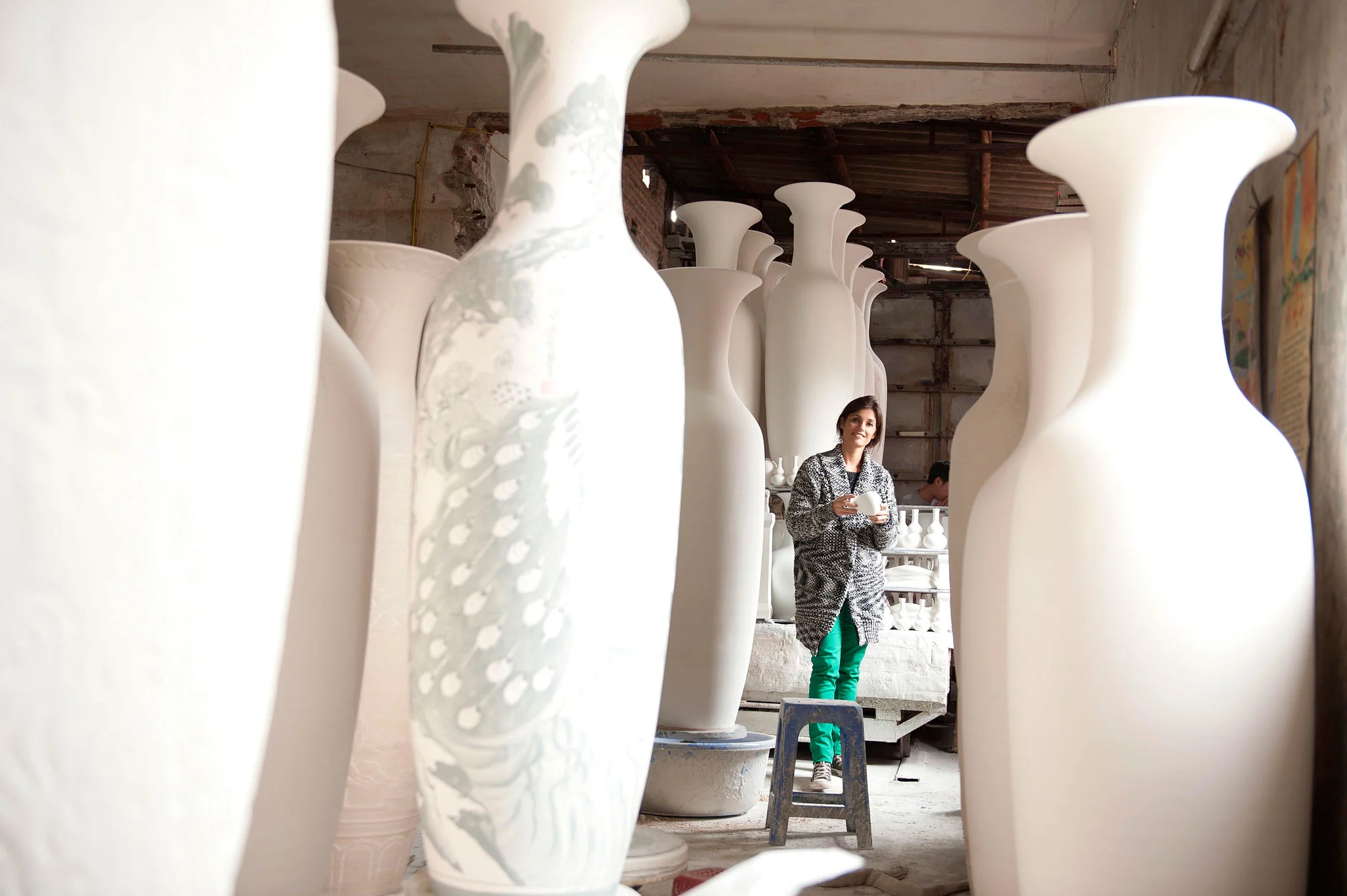
A tourist visiting a factory making fortune vases in Bat Trang Village
TRAVEL TIPS
Is Hanoi safe for travelers? Learn everything you need to know about safety, traffic, and street food in Vietnam’s capital.
Top traditional villages in Hanoi to visit in one day

Inside an old house making fermented soybean sauce in Duong Lam
Duong Lam Ancient Village – The Museum of Laterite Houses
Location: Duong Lam Village, Son Tay, Hanoi (45km from the city center)
Duong Lam is the most iconic traditional village in Hanoi. Known as the “land of two kings,” this living museum features unique houses built from orange-brown laterite stone and mud. It perfectly preserves the historic soul and agricultural lifestyle of the Red River Delta through its mossy gates and communal wells.
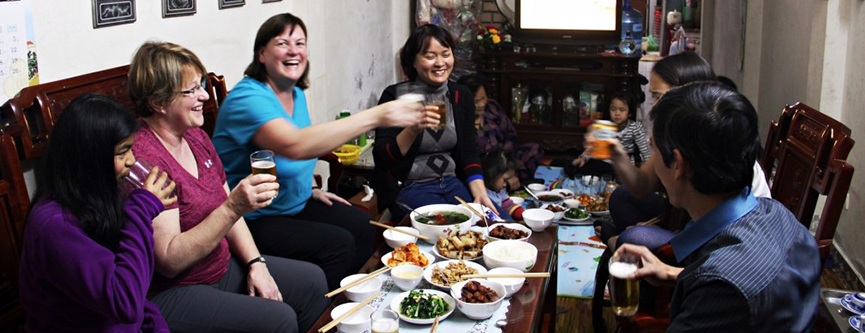
The best experience is cycling through narrow brick-paved alleys or visiting 400-year-old family homes. Don’t forget to discover hidden gems like Mia Pagoda, which houses 287 ancient statues. And for a touch of cuisine, enjoy a home cooked lunch with local specialties, as well as their famous dessert “Che Lam” ginger cake.
Bat Trang Pottery Village – A 700-Year-Old Craft Legacy
Location: Bat Trang Village, Gia Lam, Hanoi (15km from the city center)
If you love hand-crafted treasures, the 700-year-old Bat Trang pottery village is a must-visit. Bat Trang was founded in the 11th century by artisans who discovered the perfect white clay along the Red River. Today, products from this Hanoi pottery village are highly valued in Japan, China, and the West for their beautiful crackle glazes and sturdy ivory finishes.
In Bat Trang, you can explore the striking Ceramic Museum or wander deep into the old village to see unique walls covered in drying coal cakes. The best part is getting your hands dirty at a local pottery wheel to create your own masterpiece. Afterward, head to the sheltered ceramic market to hunt for souvenirs. Just remember to bring cash (VND), and don’t be afraid to bargain a little for a better price.
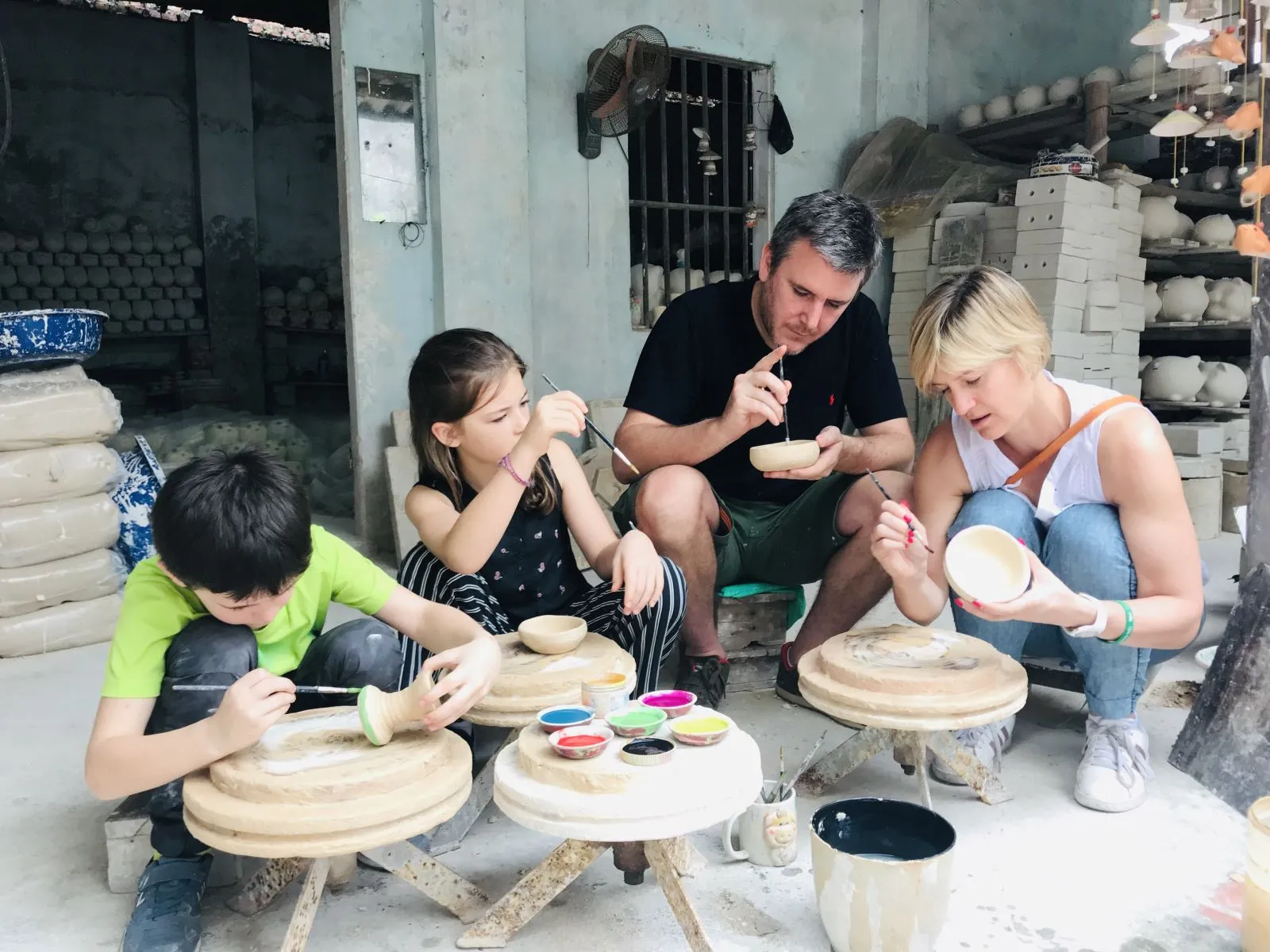
A family learning how to do pottery painting in Bat Trang
CULINARY TIPS
Complete your cultural immersion with the 15 must-try Vietnamese dishes and where to eat them in Vietnam.

The vibrant “Umbrella Street” in Van Phuc
Van Phuc Silk Village – The Elegance of Vietnamese Textile
Location: Van Phuc Village, Ha Dong, Hanoi (10km from the city center)
Vietnamese silk is world-famous for its elegance, and Van Phuc Silk Village is one of the best places to experience this thousand-year-old craft. Once reserved for royalty, this luxurious fabric was even showcased in Paris decades ago. Today, it remains a top choice for a Hanoi day trip due to its vibrant “Umbrella Street” and rich weaving heritage.
The star here is “Van Silk,” a unique material that stays cool in summer and warm in winter. Watching the delicate process from silk cocoons to shimmering fabrics is truly mesmerizing for any culture lover. For a great souvenir, look for authentic hand-woven patterns like cranes or flowers.
Dong Ho Painting Village – Ancient Folk Art
Location: Dong Ho Village, Thuan Thanh, Bac Ninh (30 km from Hanoi)
While silk and ceramics are famous, a visit to Dong Ho Painting Village offers a hidden world for art lovers. Since the 11th century, local artisans in this traditional village have created iconic folk paintings that capture the soul of Vietnamese festivals and daily life. These unique artworks were once essential decorations for the Lunar New Year, symbolizing luck and prosperity.
What makes these paintings special is the “Diep” paper, made from tree bark and coated with crushed oyster shells for a subtle shimmer. Every color is 100% natural, derived from bamboo charcoal, flowers, and red pebbles.

Dong Ho artisan making folk paintings at home

French-Vietnamese architecture blending seamlessly in Cuu Village
Cuu Village – The Forgotten “Tailor Village”
Location: Cuu Village, Phu Xuyen, Hanoi (40km from the city center)
Cuu Village, once dubbed the “village of the rich,” stands out with its unique French-Vietnamese villas. Established over 500 years ago, this hidden traditional village in Hanoi offers a hauntingly beautiful retreat into 1920s luxury.
Walking through the mossy alleys feels like stepping into a silent film. You will see grand Gothic arches and Roman columns blending perfectly with traditional Vietnamese tiled roofs and stone lions. These “aristocratic ruins” with their peeling yellow paint and ornate gates create a romantic atmosphere that is incredibly rare to find in modern Asia.
RECOMMENDED TOUR
Experience the best of Northern Vietnam and its stunning coastlines with our 10 Days Vietnam Beach Holiday.
Quang Phu Cau Village – The Famous Hanoi Incense Village
Location: Quang Phu Cau Village, Ung Thien, Hanoi (35km from the city center)
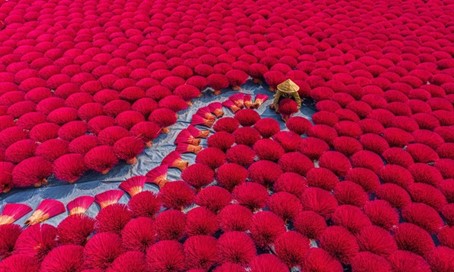
The Quang Phu Cau incense village is a century-old tradition and a visual paradise. Everywhere you look, thousands of bright red incense bundles are spread out like giant blooming flowers. This stunning scene has made the Hanoi incense village tour an iconic trip for photographers.
You can watch local artisans skillfully dye bamboo sticks and mix aromatic powders. While machines now help with production, the traditional spirit remains in every handmade bundle. Walking through the busy communal yards, you’ll see workers drying incense and loading trucks for markets across Vietnam.

Bright red bundles of incense drying in the sun at Quang Phu Cau
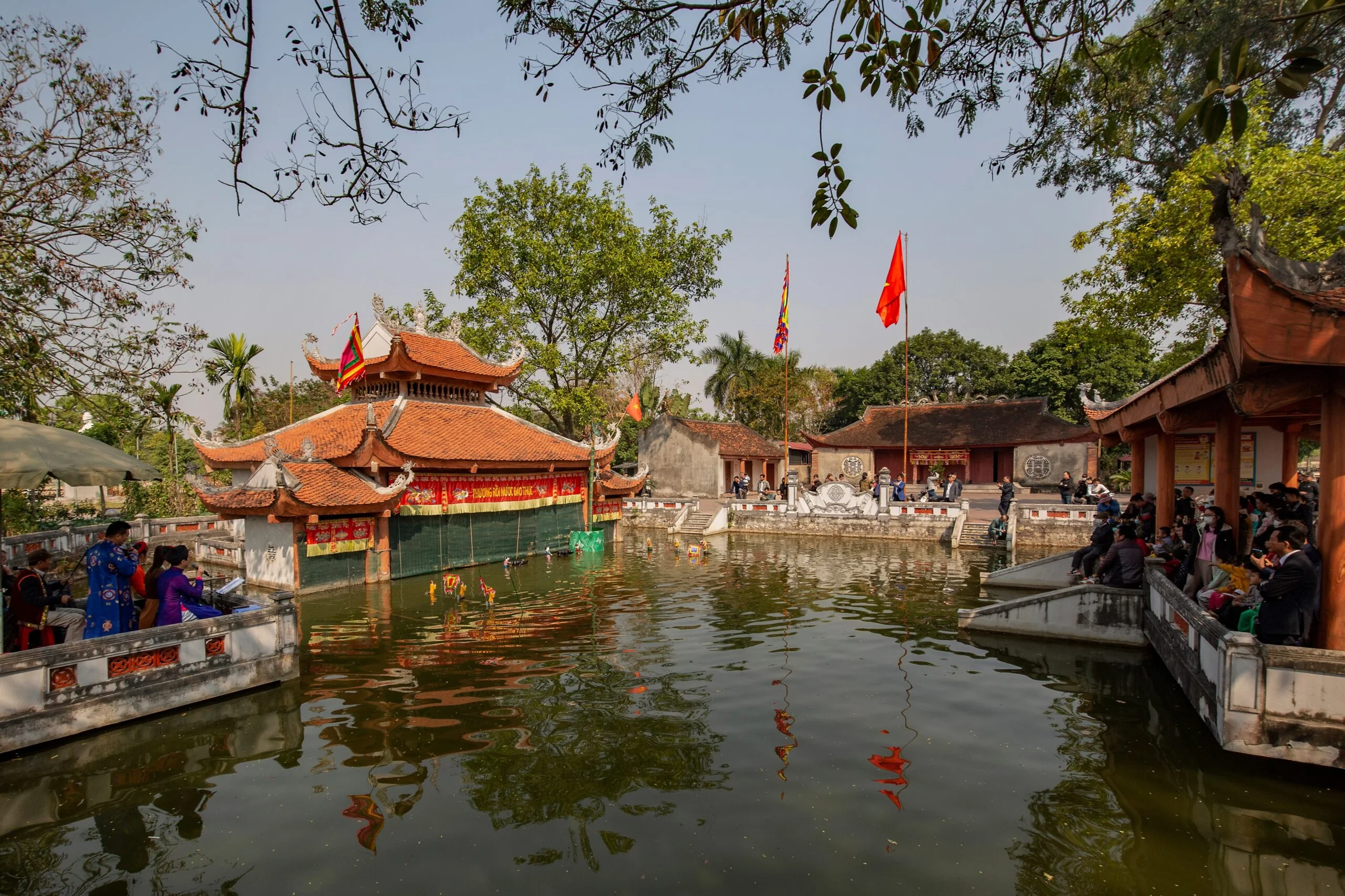
A lively water puppet performance at Dao Thuc
Dao Thuc Village – The 300-Year-Old Cradle of Water Puppetry
Location: Dao Thuc Village, Dong Anh, Hanoi (25km from the city center)
If you have already enjoyed water puppetry at Thang Long Theater, you will be mesmerized by the authentic roots of this art in Dao Thuc. This traditional village in Hanoi has preserved its 300-year-old puppetry legacy.
The puppets here are handcrafted from “Sung” wood, symbolizing prosperity and chosen for its perfect buoyancy. You can witness where artisans use bamboo poles and hidden strings to make puppets move backward, forward, and even diagonally. You can even try controlling a puppet or painting your own wooden souvenir to take home.
TSA’s APPROVED
Discover the unique Dao Thuc Village with Travel Sense Asia, where puppet-making and water puppetry come to life in the outskirts of Hanoi.
Thu Sy Bamboo Village – The Land of Golden Fish Traps
Location: Thu Sy Village, Tan Hung, Hung Yen (60km from Hanoi)
For a journey back in time, Thu Sy is one of the most picturesque day trips from Hanoi. This 200-year-old village in Hung Yen is famous for its intricate bamboo fish traps, which look like giant golden flowers blooming across sun-drenched courtyards. Walking through the lanes, you will see everyone from children to 80-year-old elders skillfully weaving rattan outside their ancient brown-tiled homes.
The highlight is the traditional straw-smoking process, giving the bamboo a shiny, durable finish. While once used only for fishing, these traps are now high-end decor pieces exported to the US and Japan. You can sit with a local family to watch them stack thousands of traps for drying.

Weaving traditional golden fish traps in Thu Sy

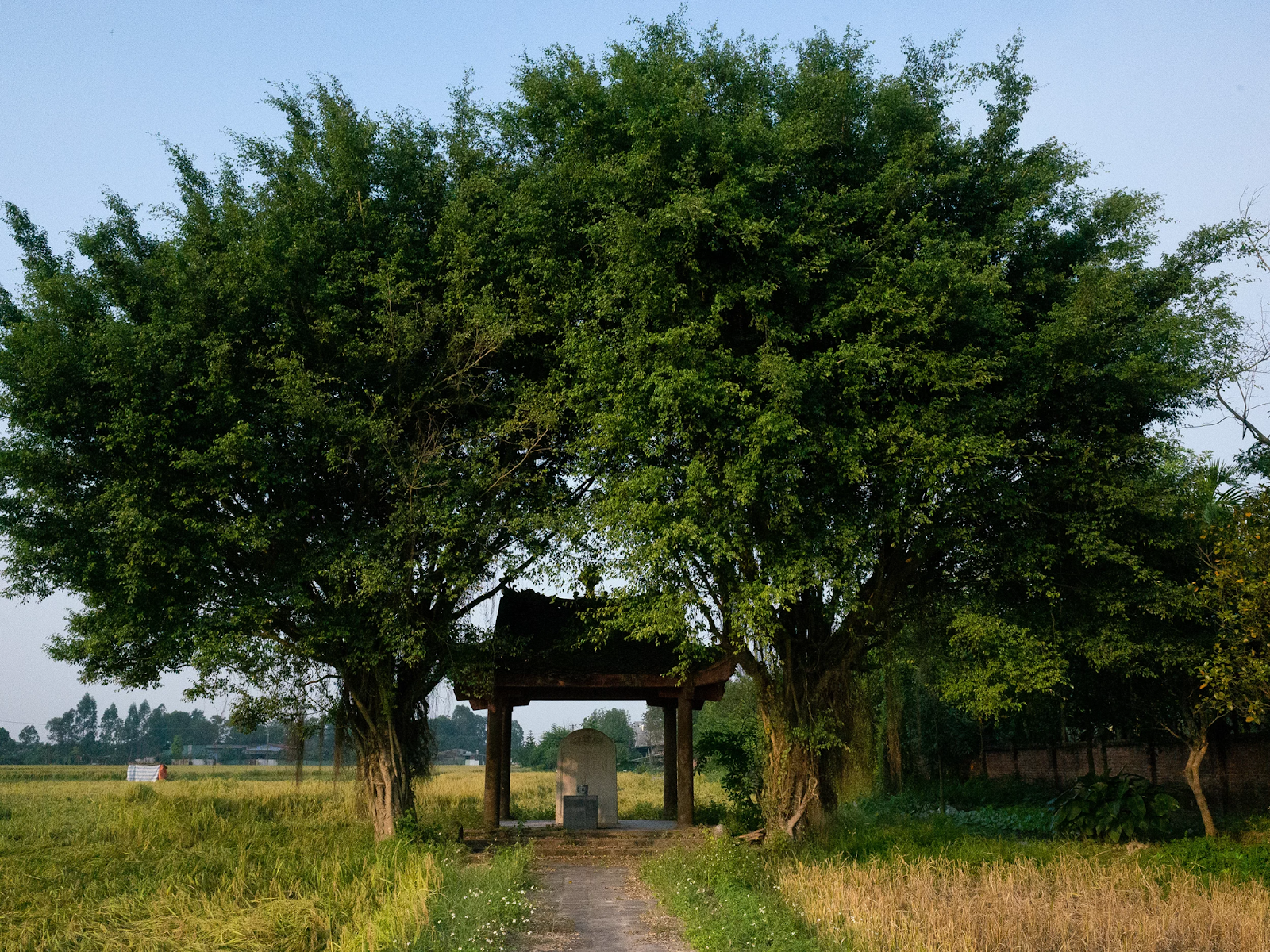
Traditional village gates still standing proudly in the middle of Hanoi
Thuy Khue Area – Hanoi’s Ancient “Villages within the City”
Location: Thuy Khue, Tay Ho, Hanoi (3km from the city center)
For a unique “village within the city” experience, the Thuy Khue area offers a stunning look at Hanoi’s ancient soul. This historic cluster includes famous traditional hamlets like Yen Thai, An Tho, Dong Xa, Ho Khau, and Thuy Khue. Just steps from the modern bustle, these neighborhoods once served as the royal hubs for traditional papermaking and silk weaving.
Walking down Thuy Khue street, you will discover mossy portals like Giap Bac and Ho Ap, leading into quiet alleys lined with traditional brick paths. A highlight is the Yen Thai gate, which still proudly displays a golden title gifted by an 18th-century Emperor, celebrating its rich cultural heritage.
Essential tips for a traditional village day trip from Hanoi
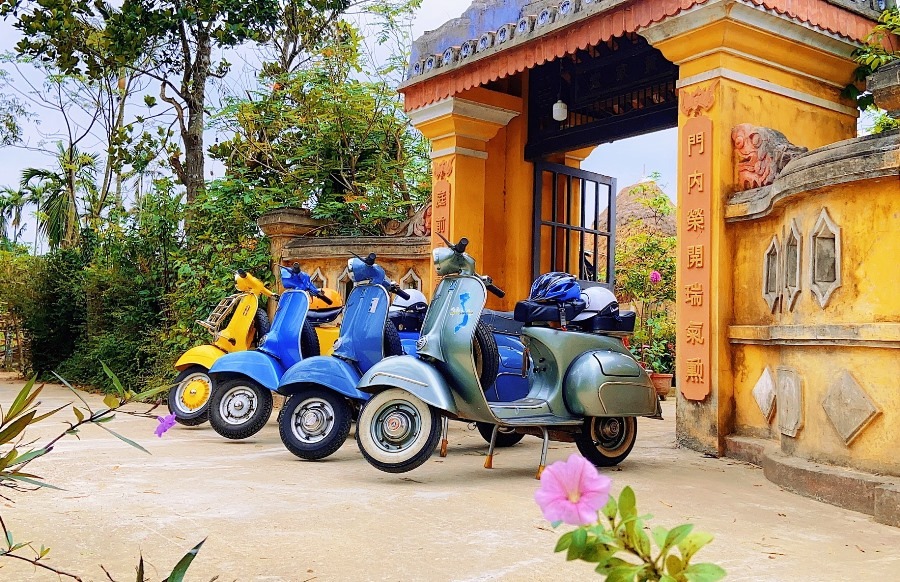
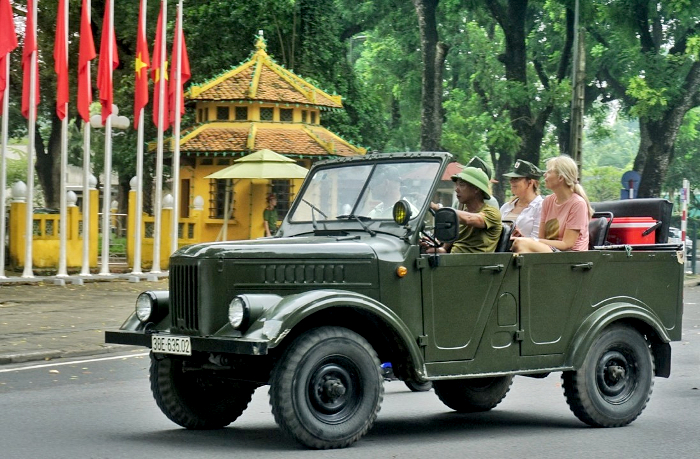
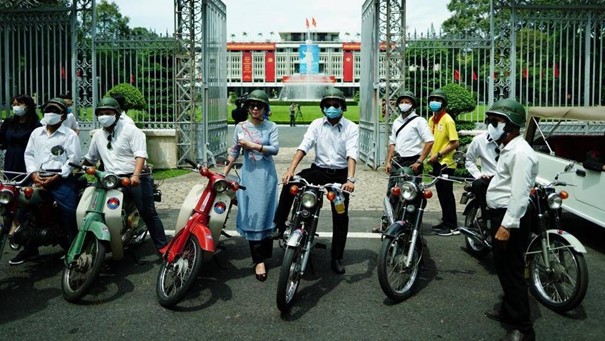
- Choose your ideal transport: A private car is the most comfortable way to reach rural areas from the Old Quarter. It gives you full control over your schedule and keeps you cool. For more adventure, try a vintage Jeep or motorbike tour for a unique perspective.
- Respect the local dress code: Traditional villages are home to sacred communal houses, temples, and pagodas. You must wear polite clothing that covers both your shoulders and knees. This is a mandatory rule if you want to step inside these spiritual spaces.
- Start your trip early: Set off by 8:00 AM to catch the beautiful morning light for your photos. An early start also helps you avoid the intense midday heat during the summer months. You will enjoy the peaceful village atmosphere before the afternoon sun becomes too strong.
- Support the local artisans: Buy your souvenirs and handicrafts directly from the families who make them. Purchasing a ceramic bowl or a silk scarf helps preserve these ancient crafts.
- Request photo permission: Always ask for permission before taking photos of local people. Respect their private living spaces and daily routines. Walking softly and speaking quietly keeps the village peaceful.
- Carry local cash in VND: Most family workshops and small village markets do not accept credit cards or US dollars. You should always have enough Vietnamese Dong in your pocket for small purchases. You can comfortably bargain for a better price at major hubs like Bat Trang or Van Phuc. However, remain polite and keep the interaction friendly with the local shopkeepers.
Exploring the traditional villages in Hanoi is an immersive experience that requires local expertise to truly unlock. At Travel Sense Asia, we believe in a different way to travel — one where you actually feel the soul of a place rather than just looking around.
As a 100% Vietnamese-owned agency, we use our deep local knowledge to bypass tourist traps, taking you to authentic family workshops and hidden gems. Our dedicated experts prioritize small private groups and flexible, tailor-made itineraries, ensuring your trip is seamless, sustainable, and perfectly suited to your personal interests.
Frequently Asked Questions (FAQs)
Is it possible to combine a visit to the Hanoi incense village and the pottery village in a single day trip?
Yes, this is a very popular combo. Visit the Quang Phu Cau incense village in the morning for the best sunlight, then stop at Bat Trang pottery village in the afternoon on your way back to the city.
Are there entrance fees for these ancient villages, and do I need to book in advance?
Most villages are free to enter, but some charge a small fee (e.g. Duong Lam for 20,000 VND; Quang Phu Cau for 100,000 VND).
Can I actually try making the crafts, such as pottery or incense, or am I just observing?
Yes, you can definitely get “hands-on.” Bat Trang offers pottery spinning classes, and many artisans in the silk or incense villages will happily let you try their techniques for a small tip or souvenir purchase.
Do I need to carry cash for souvenirs, or are credit cards accepted?
You must carry local cash (VND). While large showrooms in Bat Trang or Van Phuc might take cards, small family workshops and local food stalls only accept cash.