











Is Thailand’s rainy season really a reason to cancel your trip? While many travelers worry about heavy showers and unpredictable Thailand weather, travel to Thailand during this period (we call it the green season) can reveal a quieter, greener, and more affordable side of the country.
From choosing the right destinations to preparing for sudden weather changes, knowing what to expect can make all the difference. This guide covers everything you need to know before planning your adventure during the green season in Thailand.
When is Thailand’s green season?
Thailand’s rainy season is not the same across the country. Knowing the seasonal patterns can make a big difference to your itinerary.
When does the green season occur across Thailand?
The Thailand rainy season is often described as running from May to October, but the reality is more nuanced. The country stretches across different coastlines, so rainfall does not arrive everywhere at the same time. Northern, central, and the Andaman Coast usually see frequent afternoon showers between June and October. Meanwhile, the Gulf Coast, including Koh Samui, often experiences its wettest months later, from October to December.
One thing many first-time visitors misunderstand is the word monsoon. It does not mean constant rain from morning to night. In my experience, tropical showers in Thailand are more likely to arrive in the late afternoon after a hot, humid day, then clear quickly. This often leaves plenty of time to explore in the morning and enjoy cooler evenings afterward.
Compared with the dry season, the green months bring higher humidity, greener landscapes, and more unpredictable weather. That trade-off can be well worth it if you prefer fewer crowds and do not mind planning your days with a little more flexibility.
Koh Samui

Chiang Mai
Rainfall patterns across Thailand
Rainfall varies significantly across Thailand, so choosing the right destination often matters more than choosing the right month.
Bangkok and Chiang Mai usually follow the country’s main monsoon cycle, with frequent showers from May to October. While the rain can interrupt sightseeing, it rarely lasts all day.
On the Andaman Coast, including Phuket and Krabi, the wet season is more pronounced. Heavy rainfall and rough seas are common between May and October, making some island tours weather dependent.
Koh Samui, on the other hand, follows a different pattern. It stays relatively dry through much of the northern hemisphere summer, with its heaviest rainfall arriving in October and November. If you are dreaming of a beach escape during July or August, Koh Samui is often a smarter choice than Phuket because the Thailand weather is generally more favorable.
Pros and cons of visiting Thailand during the green season
The green season in Thailand can be one of the best times to visit, provided you understand its strengths and limitations before planning your trip.
Why many travelers prefer Thailand’s green season?
Lower travel costs
The green season is one of the best times to visit Thailand if you want to make your budget go further. As visitor numbers drop, airlines and hotels often lower their prices to attract more guests. This is especially noticeable in popular destinations, where you can sometimes stay at a higher-quality hotel for the same price as a standard room during peak season. If you plan to travel slowly, I also recommend asking about walk-in or long-stay rates, as many properties offer better deals than those listed online.

Bangkok
Fewer crowds
Traveling during the green season in Thailand also means a more relaxed experience. With fewer tourists around, famous temples, markets, and viewpoints become much easier to explore at your own pace. Instead of spending time in long queues or waiting for a clear photo, you can focus on enjoying the destination itself. Another benefit is flexibility. Since hotels and many tours are less busy, changing your plans at the last minute is usually much easier than during the high season.
Greener landscapes
If you love nature, the green season shows a different side of Thailand. Regular rainfall fills waterfalls, brightens rice fields, and refreshes forests, making the scenery look far more vibrant than in the dry months. Destinations such as Erawan Waterfall and the rice terraces near Chiang Mai are especially rewarding after a shower, when the colors are at their richest. Some trails may be muddy, but I think the spectacular views more than make up for the extra effort.
USEFUL TIPS FOR KOH SAMUI
Plan a flawless island escape with essential tips, weather guides, and insights to explore Koh Samui.
What challenges should you prepare for?
Transportation delays
Rain rarely stops you from traveling around Thailand, but it can slow your plans. Ferry services to islands may operate on reduced schedules or be canceled when the sea is rough, especially along the Andaman Coast. Afternoon storms can also delay domestic flights and long-distance buses. To avoid unnecessary stress, I recommend taking morning departures whenever possible and leaving some flexibility between connections instead of planning a tight itinerary.

Seasonal closures in tourist areas
The green season also affects local businesses, especially on smaller islands. Some beachfront restaurants, bars, and tour operators close temporarily because of lower visitor numbers. Popular destinations such as Bangkok and Chiang Mai stay lively year-round, while places like Koh Lanta may have fewer options during the wettest months. Before booking your stay, it is worth checking whether the attractions or tours on your list are operating as usual.
Humidity, mosquitoes, and flooding
The wet season also brings higher humidity, making lightweight clothing and regular hydration even more important. After heavy showers, mosquitoes become more active, especially near parks, forests, and rivers, so insect repellent is a must. In cities like Bangkok, intense rain can cause temporary flooding on some streets. The good news is that it usually clears quickly, and a small adjustment to your sightseeing schedule is often all you need.
Where to visit during the green season in Thailand?
Rain does not mean every destination is off the list. With the right timing, you can still enjoy beaches, cultural sites, and nature at their best for your trip to Thailand.
Quick month-by-month recommendation
| Idea Time | Best Destination |
|---|---|
| November – February | Northern & Central Regions: Chiang Mai, Chiang Rai, Pai, Mae Hong Son, Bangkok, Ayutthaya. Andaman Sea (West Coast): Phuket, Krabi, Koh Phi Phi, Koh Lanta, Koh Lipe, Similan Islands. |
| January – August | Gulf of Thailand (East Coast): Koh Samui, Koh Tao, Koh Phangan, Hua Hin, Khanom, Surat Thani. |
| March – May | Eastern Seaboard: Pattaya, Koh Samet, Koh Chang, Koh Mak, Koh Kood. |
| June – October | Bangkok, Chiang Mai, Sukhothai, Khao Yai, Kanchanaburi. |
Top 5 hidden gems to visit in Thailand
Sukhothai
Location: Sukhothai, Thailand
Best time to visit: November to February The green season transforms Sukhothai into a greener and more atmospheric destination, making it one of the best times to explore Thailand’s ancient capital. Fresh rain brings new life to Sukhothai Historical Park, while the surrounding greenery and soft, cloudy light make the centuries-old temples even more impressive. The cooler weather after a shower also makes cycling around the UNESCO World Heritage Site more enjoyable.
Beyond the historical park, the Sukhothai Airport Organic Agriculture Project offers a chance to experience local farming through activities such as rice planting and vegetable harvesting. If you visit in November, try to plan your trip around the Loy Krathong Festival. Celebrating this iconic festival in Thailand’s first capital gives the experience extra meaning, as the ancient ruins provide a setting unlike anywhere else in the country.

Sukhothai

Chiang Mai
Chiang Mai
Location: Chiang Mai
Best time to visit: June to October
The green season brings out a side of Chiang Mai that is impossible to see at any other time of year. Rain transforms the surrounding mountains and countryside, filling waterfalls such as Mae Ya, covering Doi Inthanon in mist, and turning the rice terraces around Mae Klang Luang into vibrant shades of green. These landscapes only last for a few months before fading with the dry season.
The changing Thailand weather also makes the city easy to enjoy. Start your morning cycling through the Old City or exploring nearby nature, then slow down with a Thai cooking class, a traditional massage, or café hopping in Nimman as the afternoon showers arrive. Once the rain passes, the streets feel cooler, quieter, and refreshed, making it the perfect time to head back outside.
BEST BEACHES IN THAILAND
Looking to extend your coastal escape? Explore the best beaches to visit in Thailand during winter.
Koh Samui
Location: Koh Samui
Best time to visit: July to September
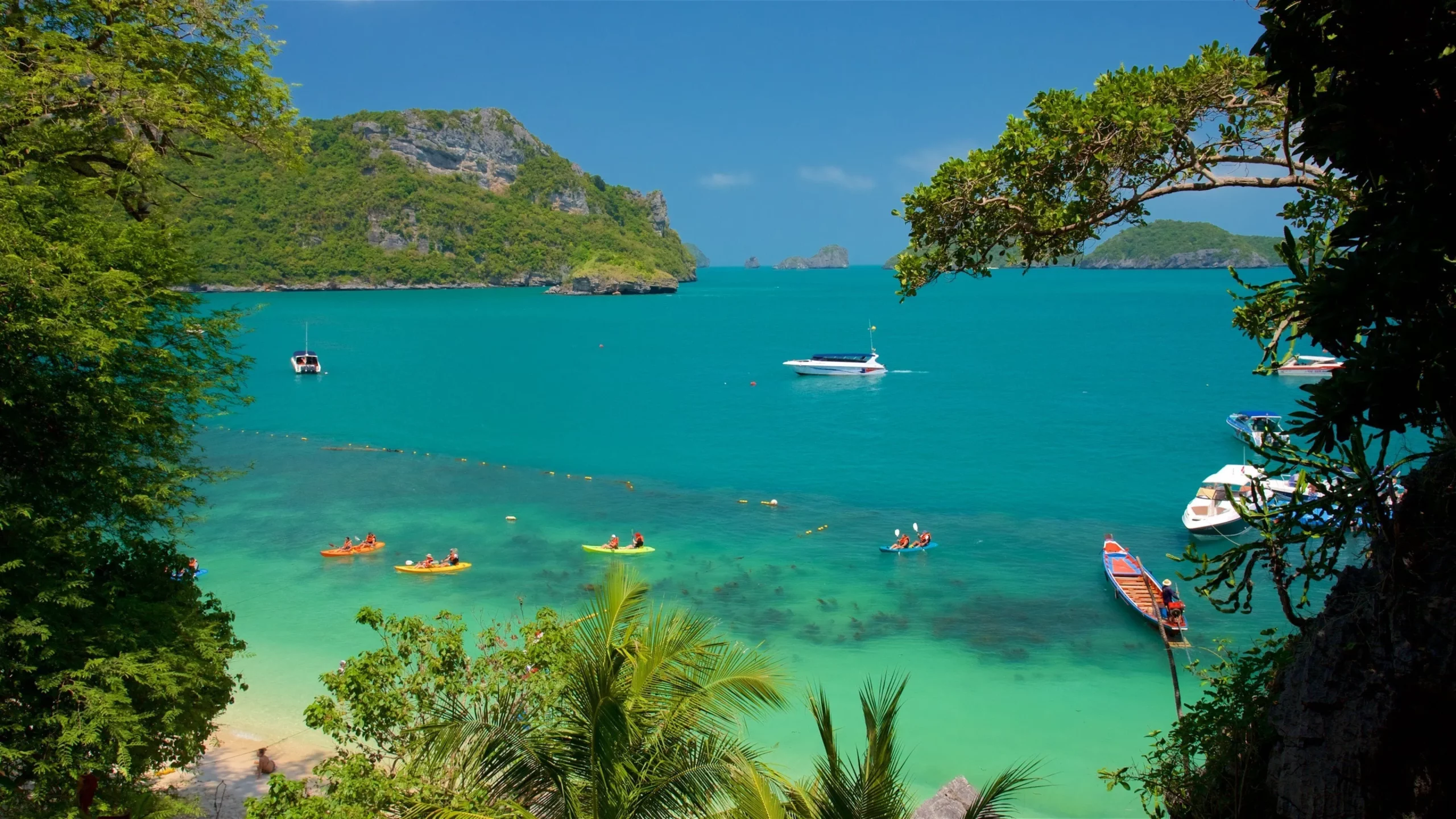
Koh Samui remains one of Thailand’s best beach escapes during the green season in Thailand because its weather is often more favorable than the Andaman Coast. While Phuket and Krabi can face rough seas from May to October, Koh Samui usually enjoys longer dry spells, allowing many outdoor activities to continue as planned. You can still snorkel around Koh Tan and Koh Madsum, take a safari through lush jungle landscapes, or visit Koh Phangan on a short ferry ride.
Because fewer travelers choose this period, the island also becomes much better value. Luxury resorts that cost around 8,000 THB during peak season can drop to 3,500 THB in November, while beaches feel noticeably quieter. You spend less, avoid the crowds, and still enjoy many of the experiences people usually associate with Thailand’s sunny season.

Koh Samui

Koh Pha Ngan
Koh Pha Ngan
Location: Koh Pha Ngan
Best time to visit: May to September
The green season gives Koh Phangan a calmer side, beyond its famous Full Moon Party. If you enjoy a lively atmosphere, Haad Rin combines soft sand, beachfront restaurants, and vibrant nightlife. For a quieter escape, Haad Yao is ideal for swimming and snorkeling. For those who prefer nature and privacy, Bottle Beach rewards a short boat ride or hike with peaceful views and an uncrowded shoreline.
You can start the day on a secluded beach and finish it with a sunset by the sea, all without the crowds as usual. During the green season, that slower pace becomes part of the experience rather than a compromise.
Khao Sok Surat Thani
Location: Khao Sok Surat Thani
Best time to visit: May to October
The green season is the best time to experience Khao Sok’s rainforest. Rain gives the forest a fresh layer of life, so every journey feels more immersive from the moment you arrive. As the Klong Sok River rises, canoeing and bamboo rafting become a peaceful way to explore the jungle instead of simply passing through it. Moving slowly along the river also makes it easier to notice birds, wildlife, and the sounds of the forest after the rain.

Khao Sok National Park
EXPLORE THAILAND WITH TRAVEL SENSE ASIA
Embark on an unforgettable adventure through the Land of Smiles with our perfectly crafted itineraries.
Practical tips for traveling during Thailand’s green season
A few local insights can help you enjoy Thailand’s green season in Thailand with fewer surprises.
- Do not assume the whole country has the same weather: Thailand’s weather varies by region. If heavy rain is forecast for Phuket or Krabi, consider switching to Koh Samui, where the Gulf Coast often stays drier during the same period.
- Avoid building a tight island-hopping itinerary: Ferries on the Andaman Coast may be delayed or canceled when the sea is rough. Spending at least two nights on each island gives you more flexibility if the weather changes.
- Check if national parks are temporarily closed: Popular parks such as Similan Islands and some marine parks close during the monsoon to protect coral reefs and ensure visitor safety. Always confirm opening dates before planning your route.
- Visit waterfalls only after asking locals about water conditions: Waterfalls are at their most spectacular in the green season, but strong currents can make some swimming areas unsafe after heavy rain. Local advice is often more reliable than yesterday’s weather forecast.
Plan your green season escape to Thailand
Thailand’s green season can be a great time to explore with fewer crowds, better prices, and lush scenery across the country. From cultural escapes in Chiang Mai and Bangkok to beach getaways in Koh Samui and Hua Hin, the right destination makes all the difference.
Plan your next adventure and trip to Thailand with Travel Sense Asia for expert insights and tailored travel experiences.
FAQ
What should I pack for Thailand’s green season?
Waterproof sandals or shoes with good grip are more practical than sneakers, especially if you’re exploring temples, markets, or waterfalls. A compact umbrella, a light rain jacket, and a waterproof pouch for your phone and passport will cover most rainy-day situations without adding much weight to your luggage.
Which destinations in Thailand are most affected by flooding?
Flooding is usually localized. For example, Bangkok and parts of Chiang Mai are more prone to temporary flooding, while Phuket and Krabi mainly experience short-term road flooding after heavy rain.
Are there any festivals during the green season in Thailand?
Yes. The green season features cultural events like the Phi Ta Khon (Ghost Festival) in Loei, Khao Phansa (Buddhist Lent) nationwide, and the Ubon Ratchathani Candle Festival, usually held in July.