








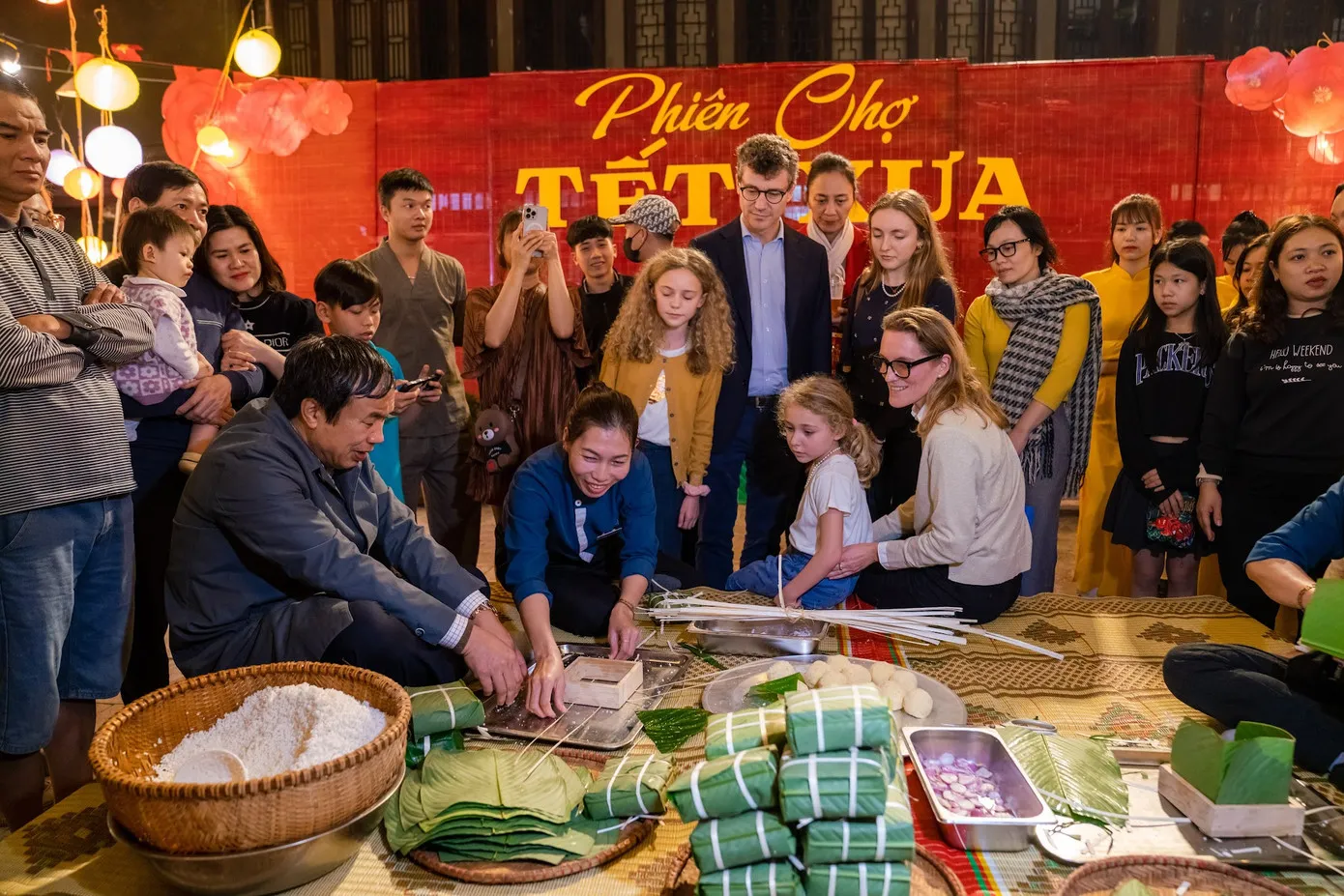
Tết Nguyên Đán, or the Vietnamese Lunar New Year, is the most important celebration in Vietnam. It marks a time for family reunions, ancestor worship, and new beginnings. During this holiday, food is not simply something to eat; it reflects cultural values, family bonds, and wishes for prosperity in the year ahead.
Rather than following a single national menu, Vietnamese Tet cuisine changes noticeably from region to region. Climate, history, and local traditions shape how people celebrate Tet Holiday in the North, Central, and South of Vietnam, resulting in distinct festive dishes and flavors across the country. In this article, you will find a list of must-try Vietnamese dishes for Tet Holiday.
Vietnamese dishes for Tet Holiday in the North
The signatures of Northern dishes and Tet customs
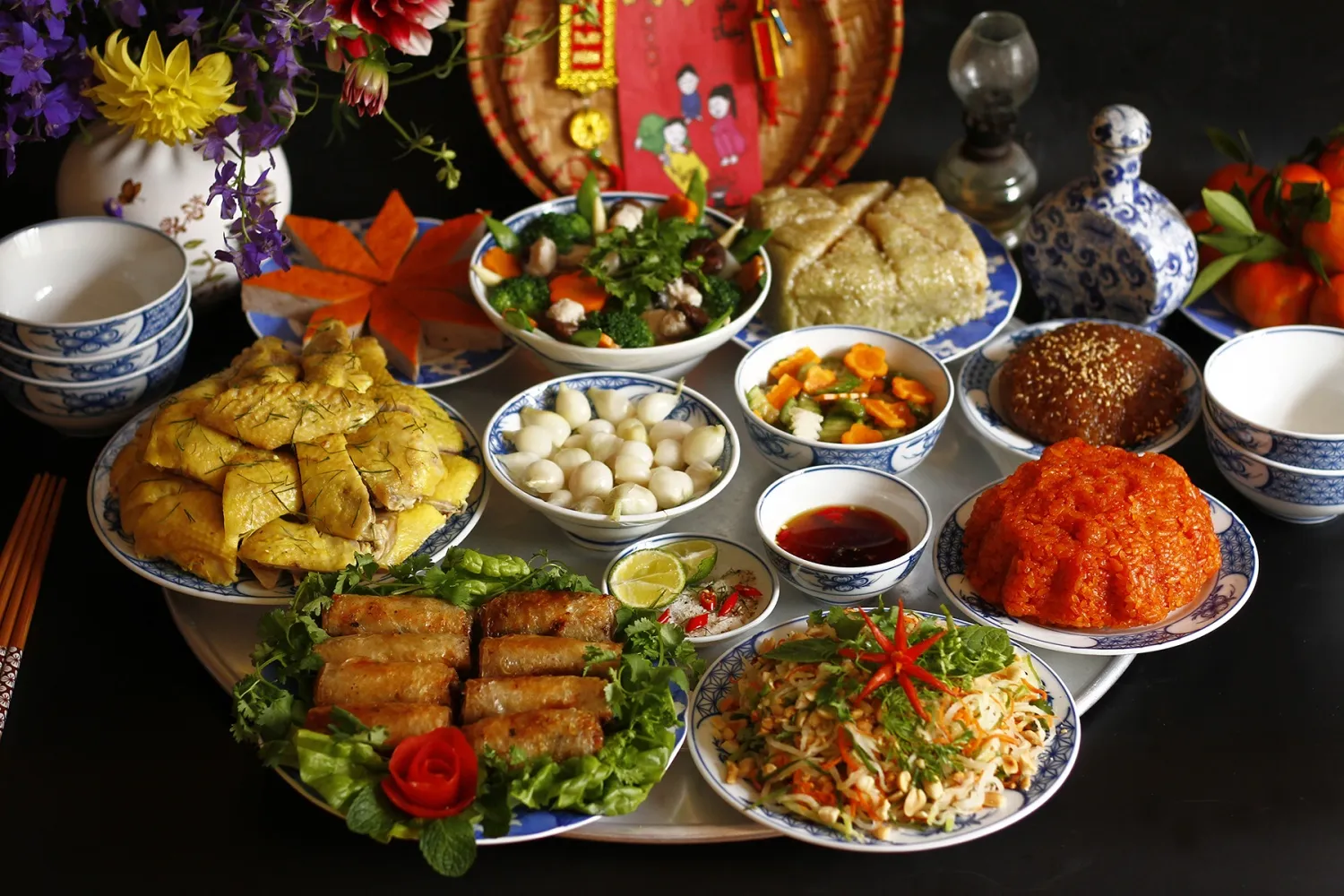
In Northern Vietnam, Tet Holiday is closely tied to ancestral worship and long-established customs. Family meals during the Lunar New Year are formal and meaningful, with dishes carefully prepared in advance and arranged neatly on the ancestral altar before being shared at the family table.
Because Tet often falls during the coldest time of the year in the North, Northern Tet cuisine favors warm, savory, and well-preserved dishes. Balance is key, not only in flavor, but also in symbolism, as each dish represents harmony, respect, and continuity between generations.
Bánh chưng
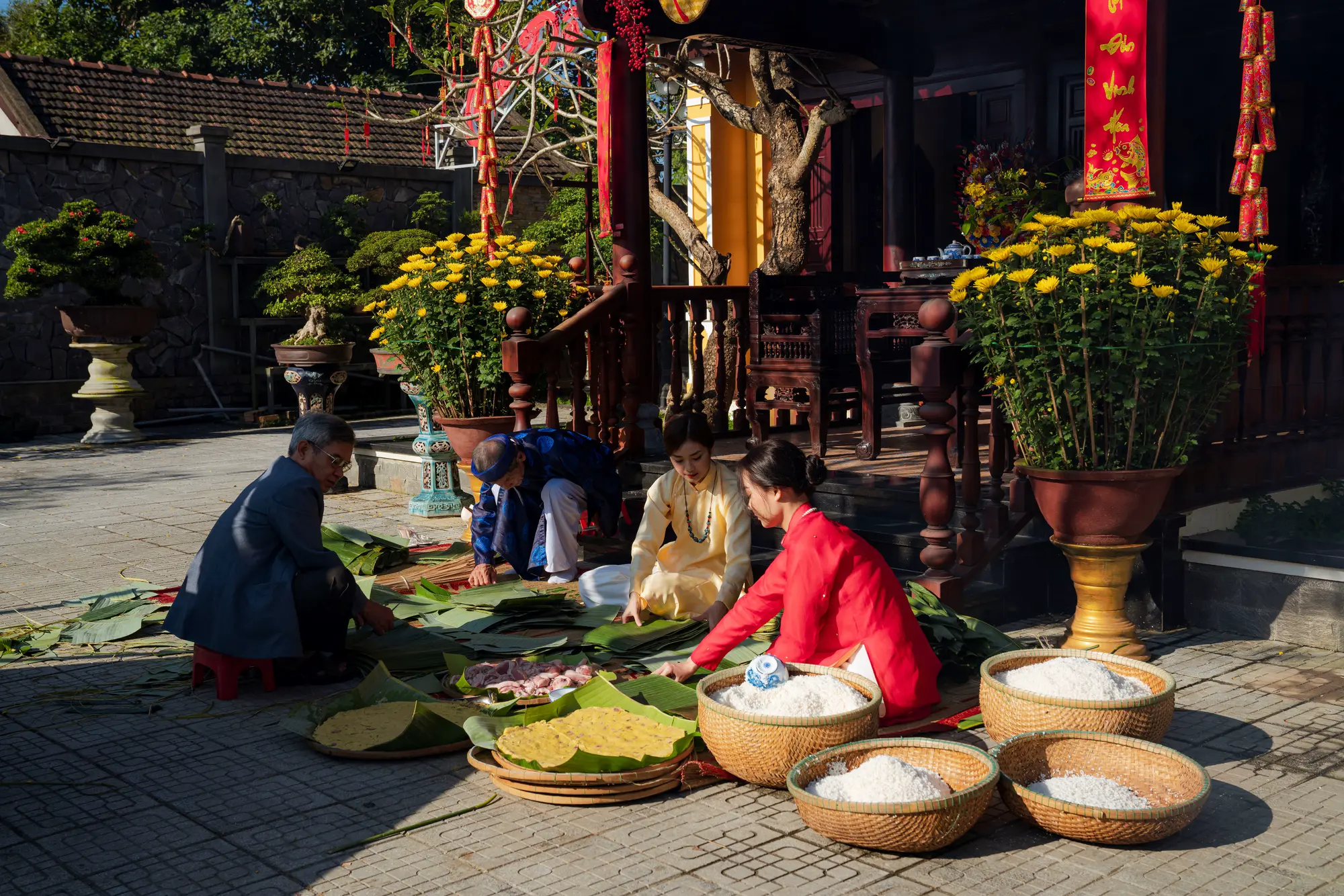
Banh chung is the most important Tet dish in Northern Vietnam and a powerful symbol of the Lunar New Year. Made from glutinous rice, mung beans, and pork, the cake is wrapped in green dong leaves and boiled for many hours.
Its square shape represents the Earth, reflecting ancient Vietnamese beliefs about the universe. Traditionally, families gather days before Tet to prepare and cook banh chung together, a ritual that strengthens family bonds and marks the true beginning of the holiday season.

Giò
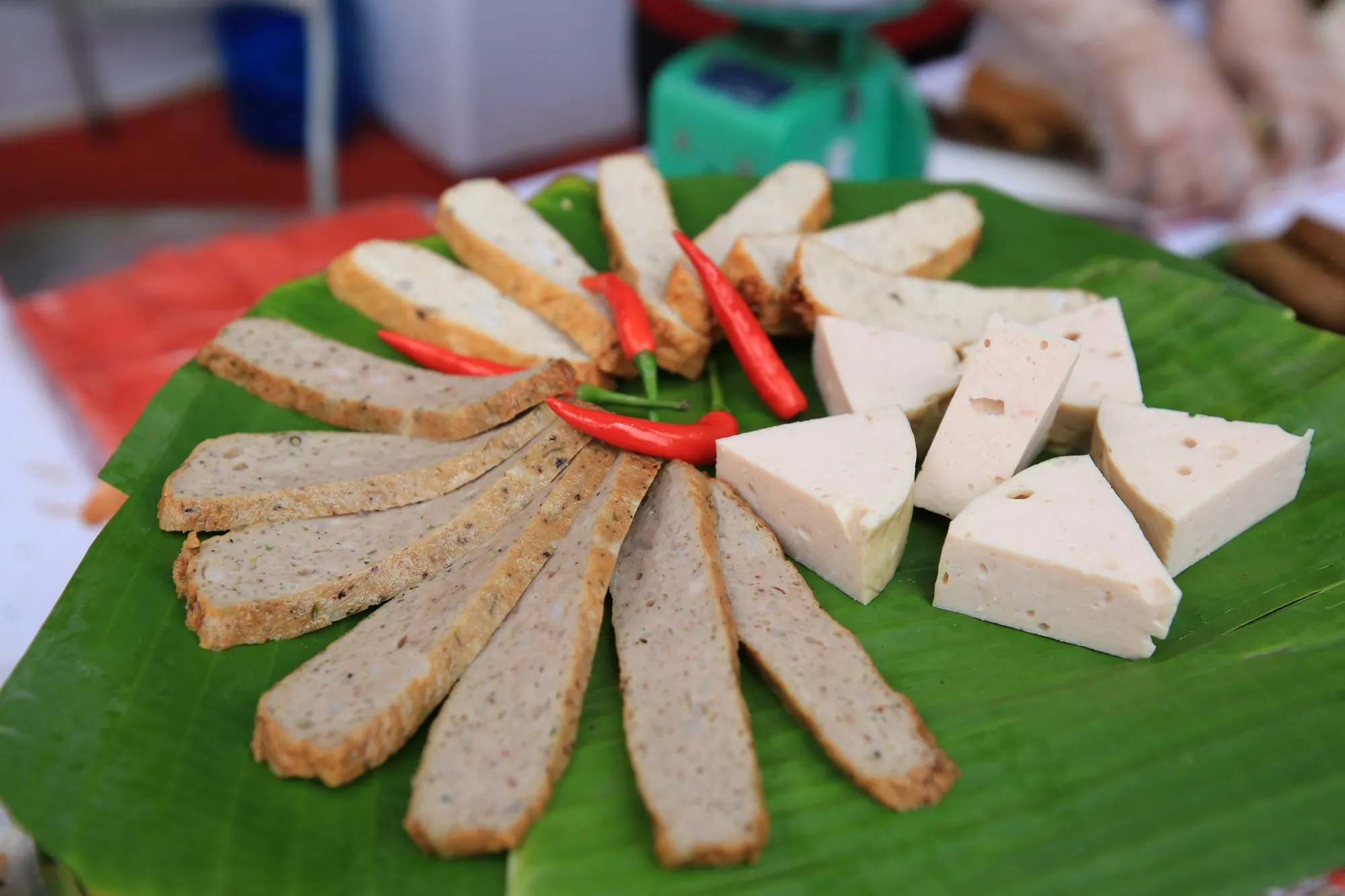
Gio is a traditional Vietnamese sausage, most commonly wrapped in banana leaves, and an essential presence on Northern Vietnamese Tet tables. With its simple ingredients, finely pounded pork, fish sauce, and black pepper, gio represents purity, harmony, and completeness, values that are especially meaningful during Lunar New Year and ancestor offerings.
Across Northern Vietnam, gio appears in many forms like gio lua (classic pork sausage), gio bo (beef sausage), gio xao (stir-fried pork head meat and mushroom) or gio tai (with pork ear and mushroom).
Canh măng
Canh mang is a traditional Northern Tet soup made with dried bamboo shoots (mang) and pork or chicken. The soup is light yet comforting, perfectly suited to the cool winter climate of Northern Vietnam.
Often prepared in large pots, canh mang can be reheated and enjoyed throughout the Tet Holiday, making it both practical and deeply familiar to Northern families.

Gà luộc
In Northern Vietnam, ga luoc (boiled chicken) is not simply a Tet dish but a ritual offering prepared with great care and attention to detail. Families traditionally choose a free-range rooster, believed to symbolize vitality, protection, and good fortune for the new year.
The chicken is boiled whole and carefully shaped so that the body sits upright, with the wings folded neatly and the head raised. A naturally golden skin is highly valued, as it represents prosperity and auspicious beginnings. Once cooked, the chicken is arranged on a large plate and placed at the center of the ancestral altar during Tet ceremonies.

Xôi gấc
Xoi gac is a traditional sticky rice dish commonly served during Tet in Northern Vietnam. Made from glutinous rice mixed with ripe gac fruit, the dish is known for its vibrant red color, which symbolizes luck, happiness, and prosperity in Vietnamese culture.
During Tet, xoi gac often appears on both the family dining table and the ancestral altar, especially on New Year’s Eve and the first day of the Lunar New Year. Its soft, slightly rich texture balances savory dishes, while its auspicious color makes it an essential part of Northern Vietnamese Tet celebrations.

Nem rán
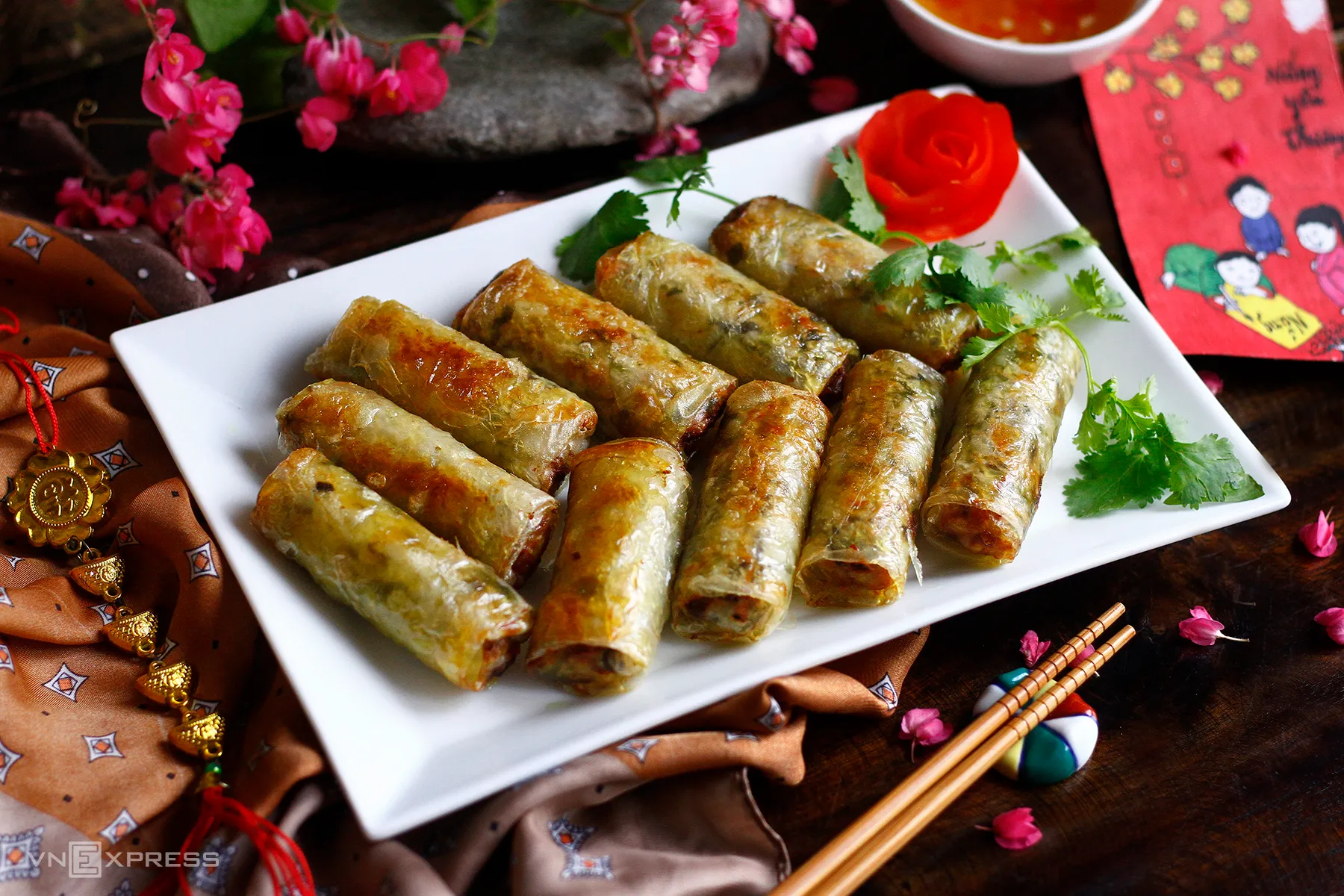
Nem ran, also known as Northern Vietnamese fried rolls, is a familiar dish during Tet celebrations in the North. Filled with minced pork, glass noodles, wood ear mushrooms, and vegetables, nem ran is carefully rolled and deep-fried until golden and crispy.
During Tet Holiday, nem ran is often prepared in larger quantities to welcome visiting guests, reflecting the Northern tradition of hospitality. Served hot and crunchy, it adds a festive touch to the otherwise savory and symbolic Northern Vietnamese New Year meal.
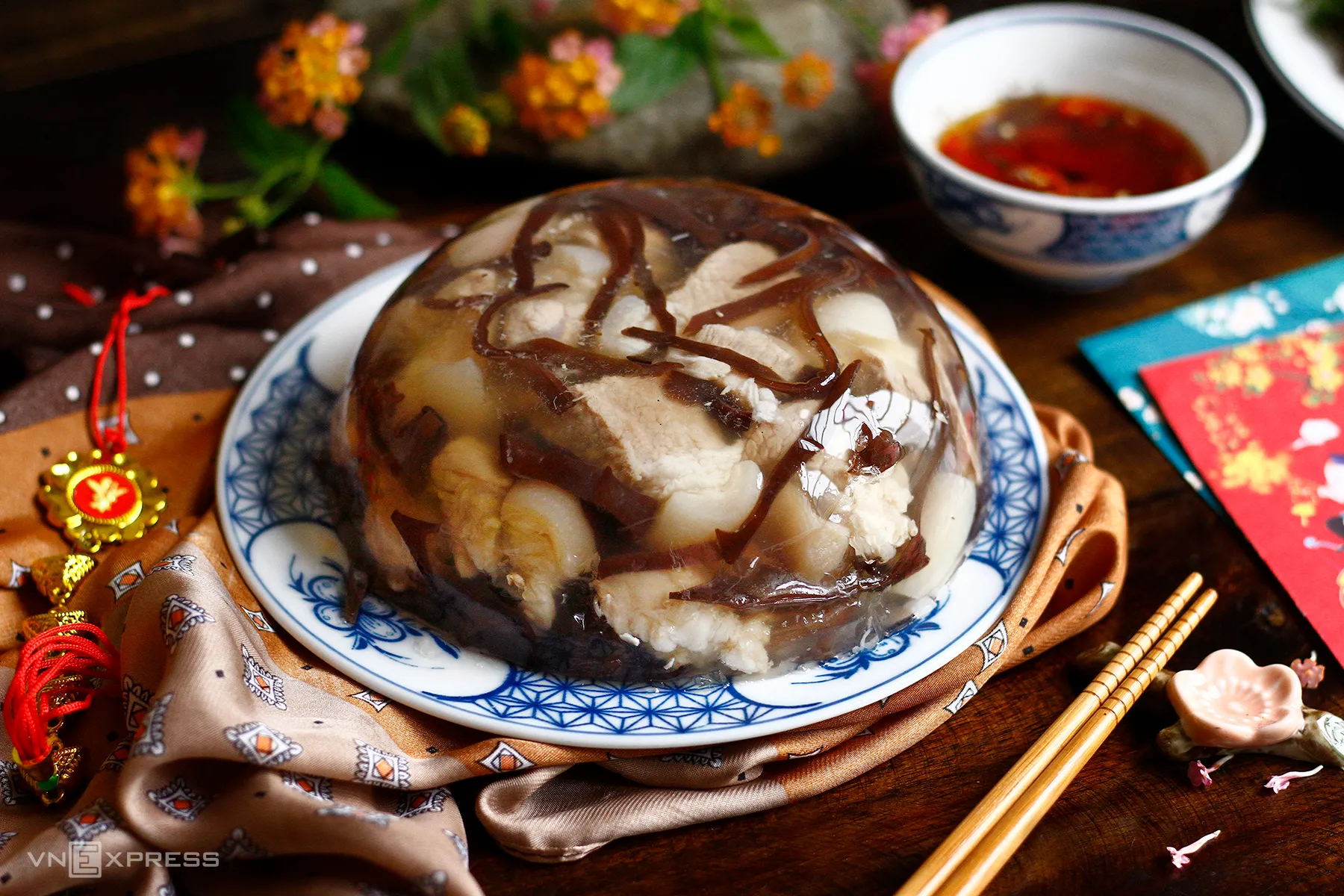
Thịt đông
Thit dong is a traditional Northern Vietnamese Tet dish made from pork, pig skin, and mushrooms, slowly cooked and then left to set naturally in the cold winter air. This dish appears mainly in Northern Vietnam, where Tet coincides with chilly weather.
Thit dong is valued not only for its texture, but also for its role in balancing the Tet meal. After rich and fatty dishes such as banh chung and boiled chicken, the dish offers a lighter, refreshing contrast, helping reduce the feeling of heaviness during long festive meals.
Vietnamese dishes for Tet Holiday in the Centre
The signatures of Central dishes and Tet customs
Tet in Central Vietnam reflects a history shaped by royal traditions, limited resources, and a strong sense of discipline. Unlike the abundance seen in the South, Central Vietnamese families focus on careful preparation, variety, and visual harmony. A New Year meal often includes many small dishes, each thoughtfully arranged, expressing respect for guests and ancestors alike.
Flavors in Central Tet cuisine are typically bolder and more intense, with a balance of salty, spicy, and fermented elements. Despite modest portions, the overall spread is rich in diversity, showcasing both hospitality and culinary craftsmanship.
Nem chua and Tré
In Central Vietnam, fermented dishes such as nem chua and tré are traditional Tet food that rarely misses the Lunar New Year table. Made from seasoned pork and wrapped in banana leaves, these dishes offer a tangy, slightly sour taste that contrasts beautifully with richer Tet meals.
They are often served as appetizers during Tet visits, symbolizing warmth, hospitality, and the region’s long tradition of food preservation.

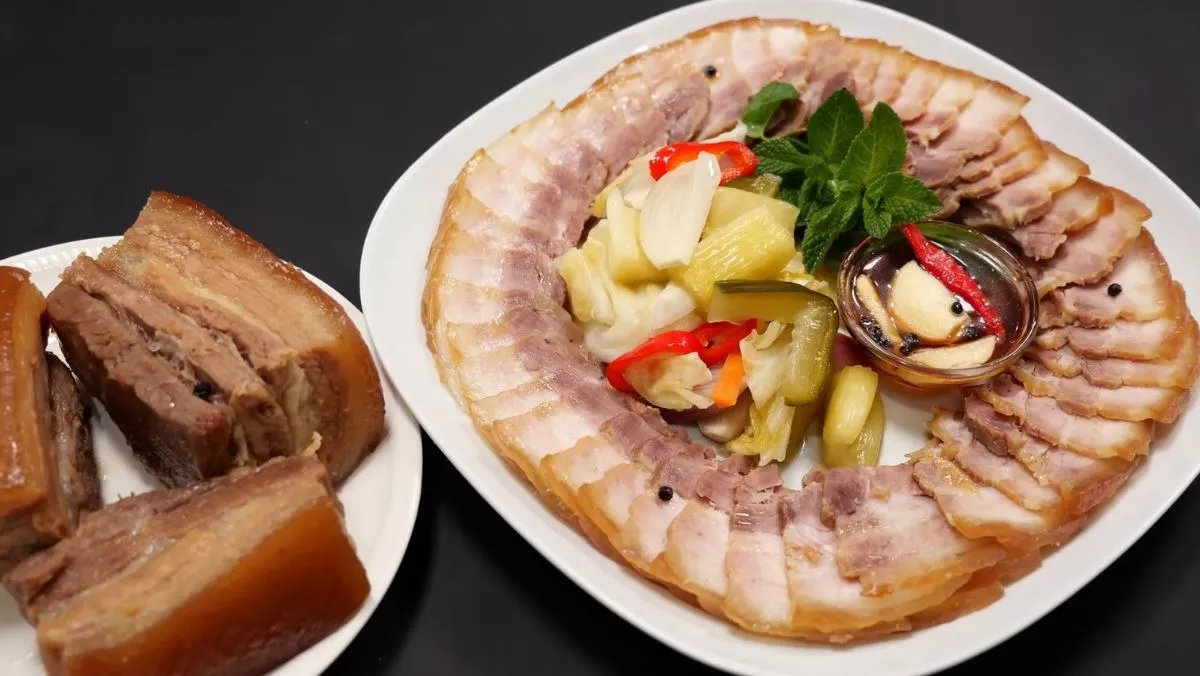
Thịt ngâm mắm
Thit ngam mam is a traditional Tet dish from Central Vietnam, made by boiling pork and then soaking it in a rich mixture of fish sauce, sugar, and spices. Developed in a region known for its strong flavors and practical food preservation, this dish reflects the Central Vietnamese habit of preparing Tet food well in advance.
During Tet, thit ngam mam is thinly sliced and served with pickled vegetables or fresh herbs. Its salty-sweet taste pairs well with rice and other festive dishes, offering both convenience and depth of flavor throughout the Lunar New Year.
Vietnamese dishes for Tet Holiday in the South
The signatures of Southern Vietnamese dishes and Tet customs
In Southern Vietnam, Tet is celebrated with openness, warmth, and a strong sense of togetherness. Thanks to a warm climate and fertile land, Southern families embrace Tet as a joyful time of abundance, generosity, and long gatherings with relatives and friends.
Southern Tet meals are typically richer, sweeter, and larger in portion, reflecting the region’s agricultural prosperity and optimistic outlook. Unlike the more formal dining style of the North, Southern Vietnamese Tet tables feel relaxed and welcoming, encouraging guests to eat freely and return often throughout the holiday.
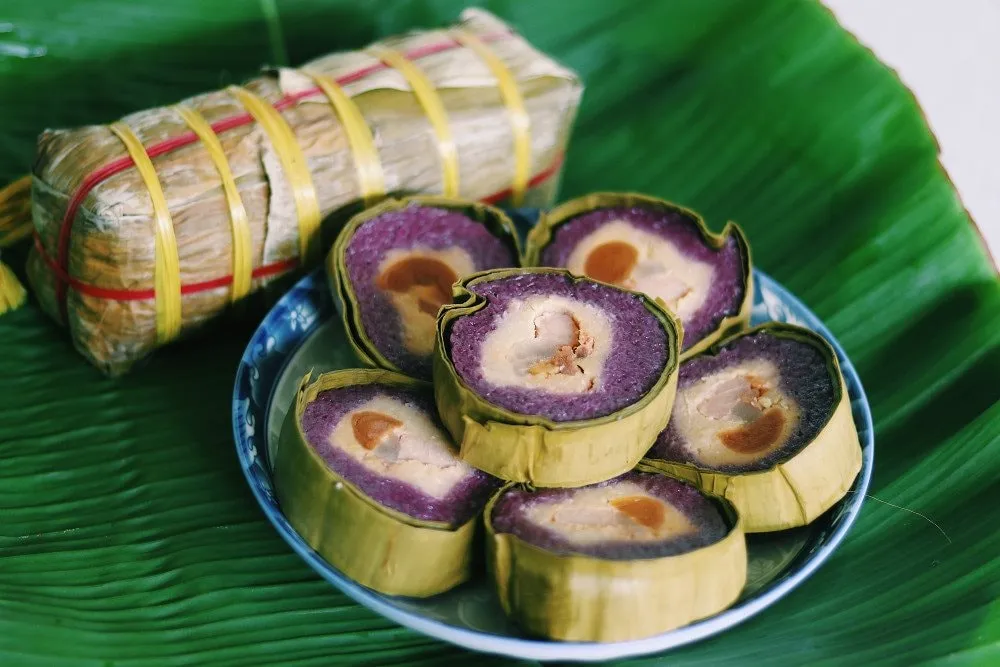
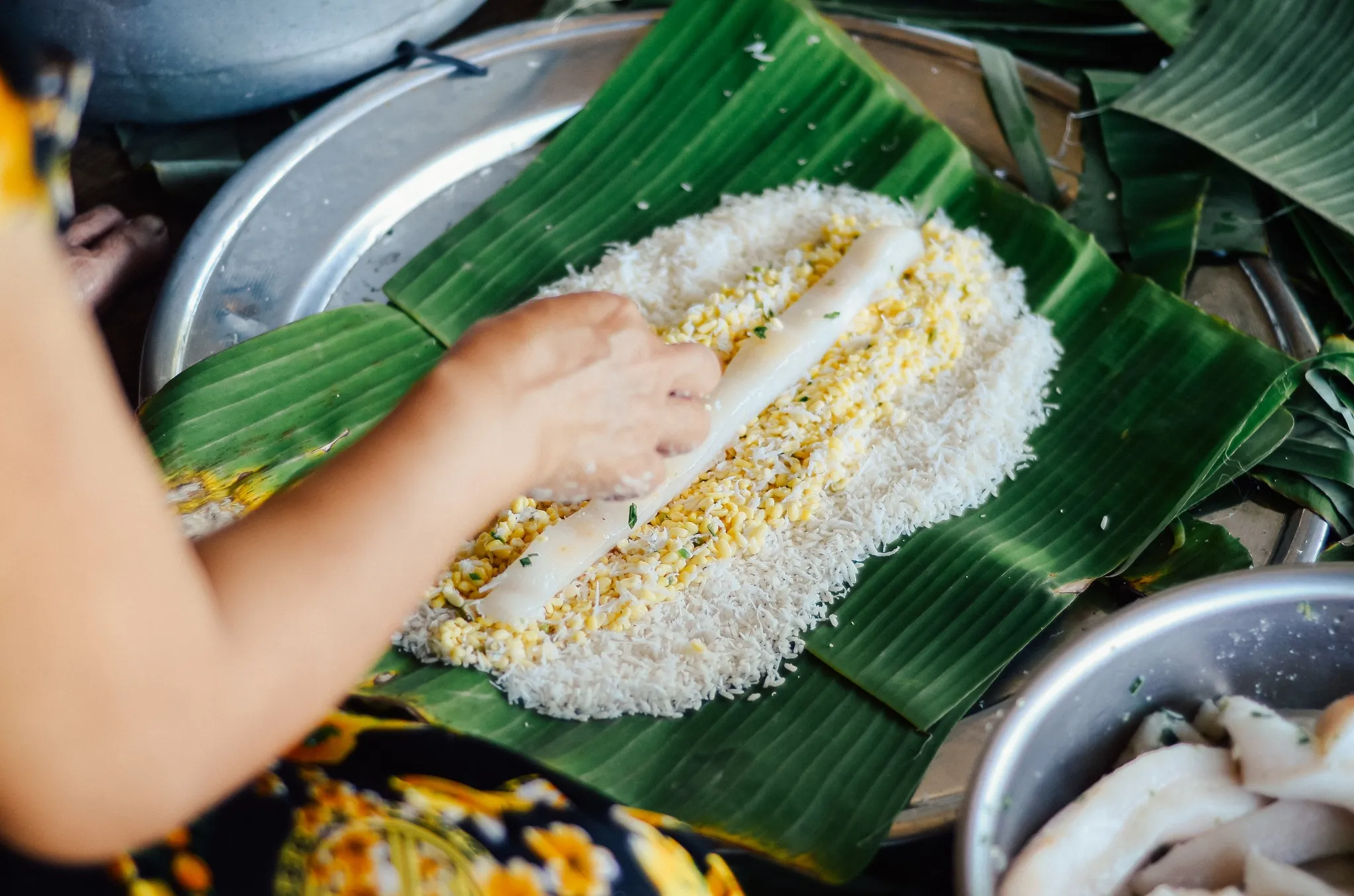
Bánh tét
While banh tet is also common in Central Vietnam, Southern versions often come with a wider variety of fillings. Alongside savory pork and mung bean fillings, travelers may encounter sweet banh tet made with banana, black beans, or coconut.
These sweet versions reflect the Southern preference for sugary flavors and are often enjoyed as snacks or desserts during Tet visits.
Thịt kho hột vịt
Thit kho hot vit is the most iconic Tet dish in Southern Vietnam. Pork belly and boiled eggs are slowly braised in coconut juice until tender, creating a rich yet comforting dish with a slightly sweet flavor.
This dish symbolizes fullness, prosperity, and family harmony. Traditionally cooked in large pots before Tet, thit kho can be enjoyed for several days, making it perfect for the extended celebrations of the Lunar New Year.

Canh khổ qua nhồi thịt
Canh kho qua, or stuffed bitter melon soup, is a meaningful Southern Tet dish. The slightly bitter taste symbolizes hardship and challenges, while finishing the dish represents leaving difficulties behind and welcoming a fresh start in the new year.
Light and refreshing, this soup balances heavier Tet dishes and is especially appreciated in the warm Southern climate.

Same dish, different regions: How Vietnamese Tet food changes across the country
Bánh Chưng vs. Bánh Tét
Banh chung and banh tet are both iconic Tet dishes made from glutinous rice, mung beans, and pork, yet they reflect distinct regional identities. In Northern Vietnam, banh chung is square in shape, symbolizing the Earth and emphasizing balance and tradition. In contrast, Central and Southern Vietnam favor banh tet, which is cylindrical and easier to slice and share. Southern versions often include sweet fillings such as banana or coconut, while Northern banh chung remains strictly savory.
Pickled vegetables: Dưa hành, Dưa món, Củ kiệu
Pickled vegetables are essential in every Tet meal, but their forms differ by region. In the North, dua hanh (pickled onions) offers a sharp, cleansing taste to balance fatty dishes. Central Vietnam prefers dua mon, a carefully prepared mix of dried and pickled vegetables with a sweet-sour flavor. In the South, cu kieu (pickled leeks) is milder and slightly sweet, matching the region’s richer cuisine.
Mứt: Vietnamese candied fruits
Mut is a quiet constant on every Tet table, yet its flavors and choices shift noticeably from region to region. More than simple sweets, mut represents hospitality, prosperity, and wishes for a sweet year ahead. In Northern Vietnam, mut tends to be subtle and restrained, like candied ginger, lotus seed and kumquat. In Southern Vietnam, mut becomes bolder, sweeter, and more colorful. Tropical ingredients dominate, such as candied pineapple, banana, papaya, and coconut in thick sugar glaze.


Food etiquette for Tet in Vietnam: 5 things travelers should know
Always accept food with both hands: It’s a small gesture of respect, especially when elders offer you food during Tet.
Accept food when offered: Even a small bite is a sign of respect. Refusing outright may be seen as declining good luck for the New Year.
Eat slowly and modestly: Tet meals are about sharing time, not rushing through dishes.
Don’t stick chopsticks upright in rice: This resembles incense for ancestors and is considered inauspicious.
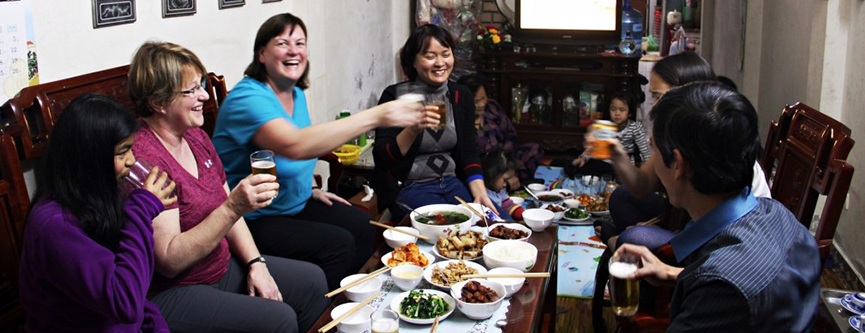
Meals are communal, not individual: Dishes are shared in the center. Take small portions and let others enjoy too.
Frequently Asked Questions (FAQ) – Vietnamese Tet Cuisine
Q: What food is traditionally eaten during Tet or Lunar New Year in Vietnam?
Traditional Vietnamese Tet food varies by region, but common dishes include sticky rice cakes such as banh chung and banh tet, braised pork with eggs, various pickled vegetables, soups, and candied fruits. These dishes are prepared in advance and often shared over several days of celebration.
Q: Is Vietnamese Tet food the same across all regions of Vietnam?
No. Vietnamese Tet food differs significantly between Northern, Central, and Southern Vietnam. While some dishes appear nationwide, their ingredients, flavors, preparation methods, and cultural meanings change depending on regional traditions, climate, and lifestyle.
Q: Can travelers find traditional Tet food in restaurants?
Yes, but availability varies. Many local restaurants close during Tet, while family-run eateries, hotels, and food tours may continue serving traditional dishes. Homestays and Tet cooking classes offer the most authentic experiences for travelers.
Final thoughts
From the square banh chung of the North to the cylindrical banh tet of the South, Tet cuisine tells the story of Vietnam’s diversity, values, and deep-rooted traditions. For travelers, exploring Vietnamese Tet food is one of the most meaningful ways to understand the country beyond its landscapes.
If you wish to experience Tet in an authentic and thoughtful way, whether through home-hosted meals, regional culinary journeys, or tailor-made cultural itineraries, Travel Sense Asia is here to help you design a journey that goes beyond sightseeing. Contact us to create your personalized Tet holiday experience in Vietnam.