











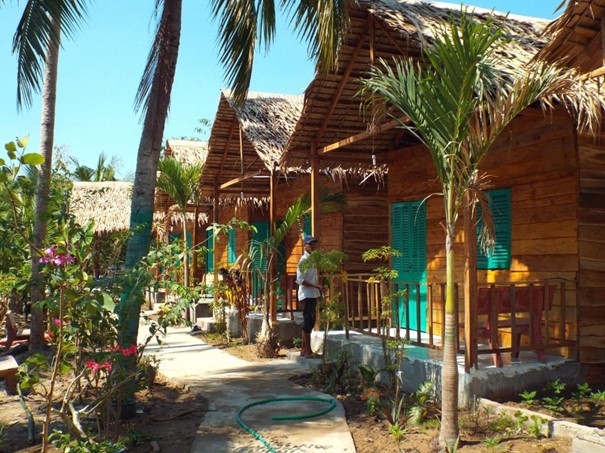
Has an eagerly anticipated trip ever been overshadowed by relentless rain, confining you to your hotel room for days on end?
Do you dread the thought of exciting outdoor plans being utterly washed away?
These are common concerns for travelers during the annual typhoon season in Vietnam. Yet, many still choose this time of year because of lower fares and fewer crowds. At Travel Sense Asia, we understand these concerns deeply. That’s why we prioritize providing our guests with Plan B options for any weather-related emergencies during their journey.
In this comprehensive travel guide, we’ll share practical advice on how to expertly handle the typhoons in Vietnam. Keep reading for the best tips to ensure your Vietnam adventure remains unforgettable, rain or shine!
An overview of the monsoon season and typhoons in Vietnam
Vietnam, a tropical nation, is significantly influenced by the monsoon climate. The monsoon season, generally spanning from June to November, brings exceptionally high rainfall.
This period often sees localized issues like flooding in low-lying cities and potential landslides in mountainous regions. Along the coastlines, heavy gales and torrential rain can severely disrupt traffic and halt all beach and water-based activities.
But here’s a crucial fact: Rain isn’t hitting the entire country at once!!!
A key feature of Vietnam’s climate is its significant regional disparity due to differences in latitude and topography. This means that even when one area is grappling with a severe storm, another region might be enjoying beautiful, sunny weather.
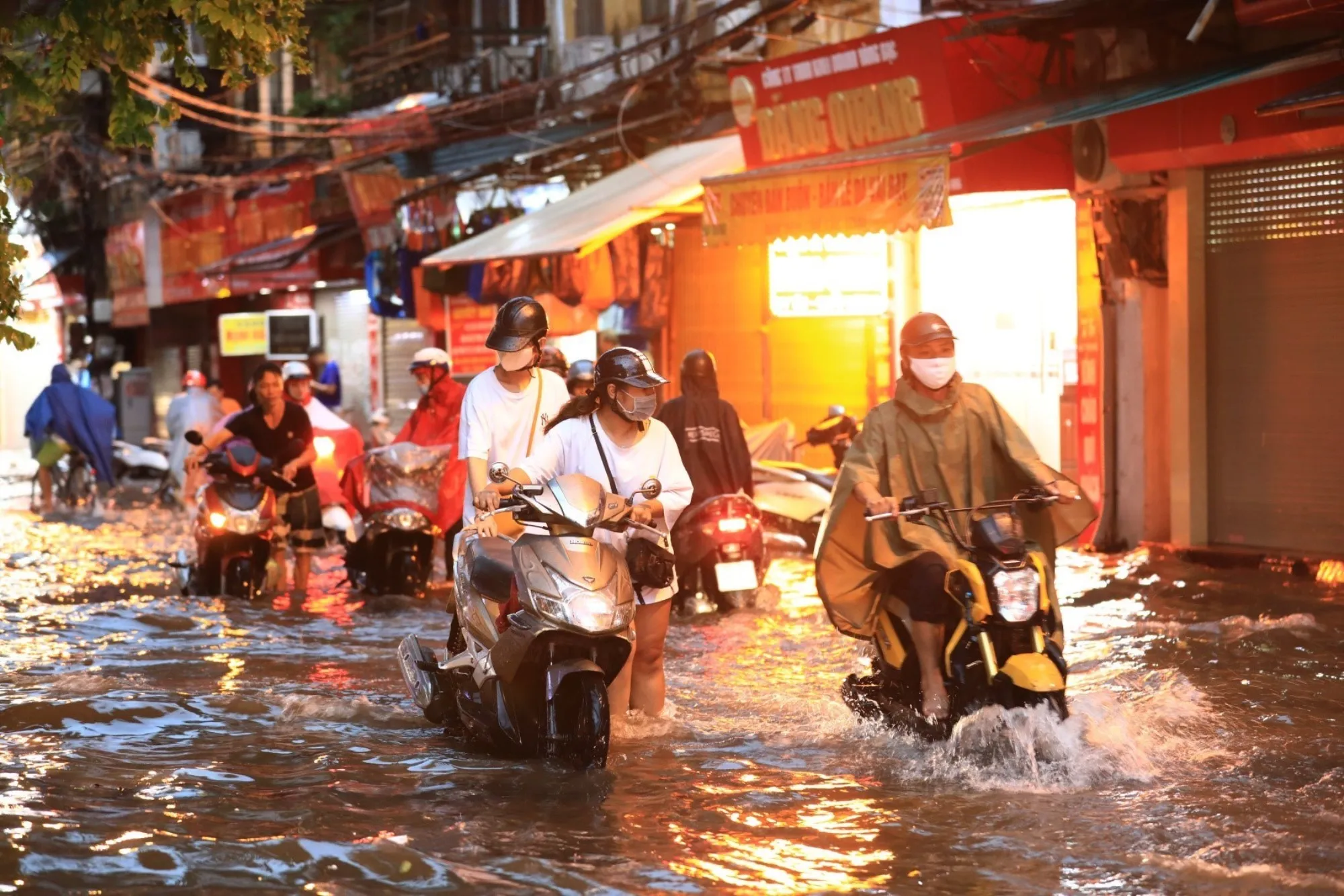
Source: Internet
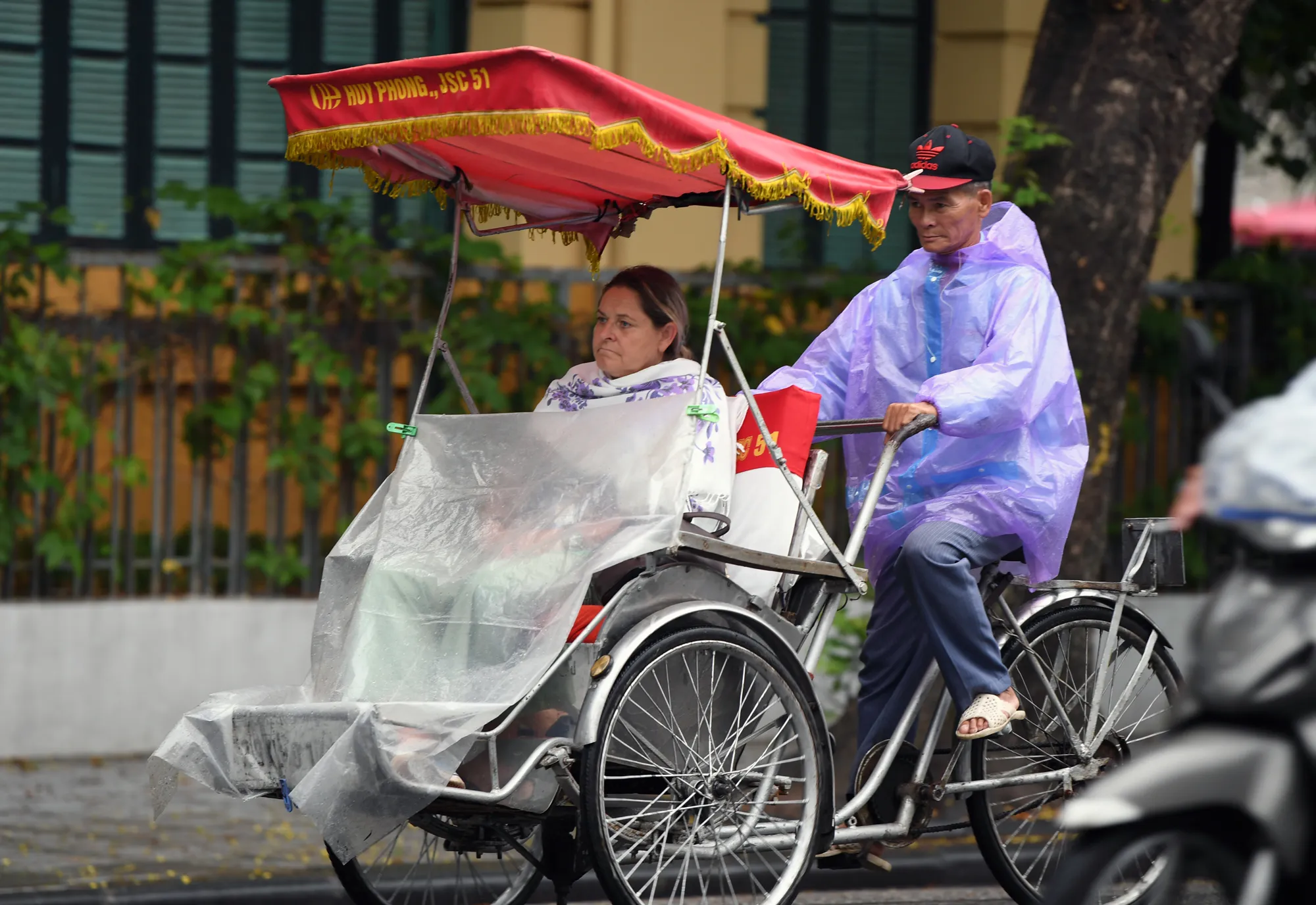
Source: Internet

Source: Internet
What is the typical typhoon pattern in Vietnam?
On average, Vietnam is affected by about 5 to 10 tropical typhoons annually. The peak months for typhoons are overwhelmingly August, September, and October.
The typical storm trajectory also shifts throughout the season:
In the first half of the season, typhoons usually track toward the northwest, north, or northeast, primarily impacting Northern Vietnam, including major destinations like Hanoi, Halong Bay and even Sapa (mostly by tropical depressions).
Later in the season, the focus shifts southward, making the central coastal areas, such as Danang, Hoi An, Hue, and Nha Trang, more vulnerable.
Southern Vietnam (Ho Chi Minh City, the Mekong Delta, or Phu Quoc) is closer to the equator, thus making direct typhoon landfall rare. Yet, these regions are still influenced by the monsoon. This brings prolonged periods of heavy rain and localized flooding, and they can sometimes be affected by the remnants or outer bands of tropical typhoons passing nearby.
Understanding these regional patterns allows you to smartly modify your travel itinerary to maximize your chances of clear skies. However, travel doesn’t always go as planned, which is where preparation comes in.
How to deal with the typhoons in Vietnam
Scenario 1: Typhoons news arrives before your trip to Vietnam
You’ve booked the flights, reserved the hotels, and the departure day is fast approaching, then the news of an upcoming typhoon in Vietnam threatens to derail everything. You can’t change the dates, let alone cancel and lose your deposit. What should you do?
Consider a regional switch
The considerable climatic diversity across Vietnam is your greatest advantage. If your initial destination is set to be lashed by hard rain, research alternative cities that are known to be sunnier at that time. If you lack the necessary information for a safe transit or don’t know where to go, a reliable local travel agent can be your best resource for swift and safe itinerary adjustments.
Or, why not experience the typhoons in Vietnam?
Alternatively, embracing a few stormy days can offer a truly unique travel experience. You’ll witness firsthand how local residents manage the harsh weather, and you may even find a certain charm in the rainy atmosphere. If the locals can navigate and smile through it, you can too!
Prepare essential waterproof items
Whether you switch locations or brave the rain, preparation is key. Make sure to pack these essentials:
- Waterproof bags or dry sacks to protect all electronic devices (phones, cameras) and important documents.
- A high-quality, compact raincoat and a sturdy umbrella.
- Quick-dry napkins or small towels for easy clean-up.
- A scarf or light jacket to help regulate body temperature and prevent colds due to sudden weather changes.
- Anti-slip footwear or open-toed slippers/sandals. Avoid heavy sneakers or leather shoes that take days to dry. If your shoes get wet, a traveler’s trick is to tightly stuff them with shredded newspaper overnight to absorb moisture quickly.
- Choose compact, simple clothing (tank tops, shorts, quick-dry fabrics) over heavy jeans or knitted wear.
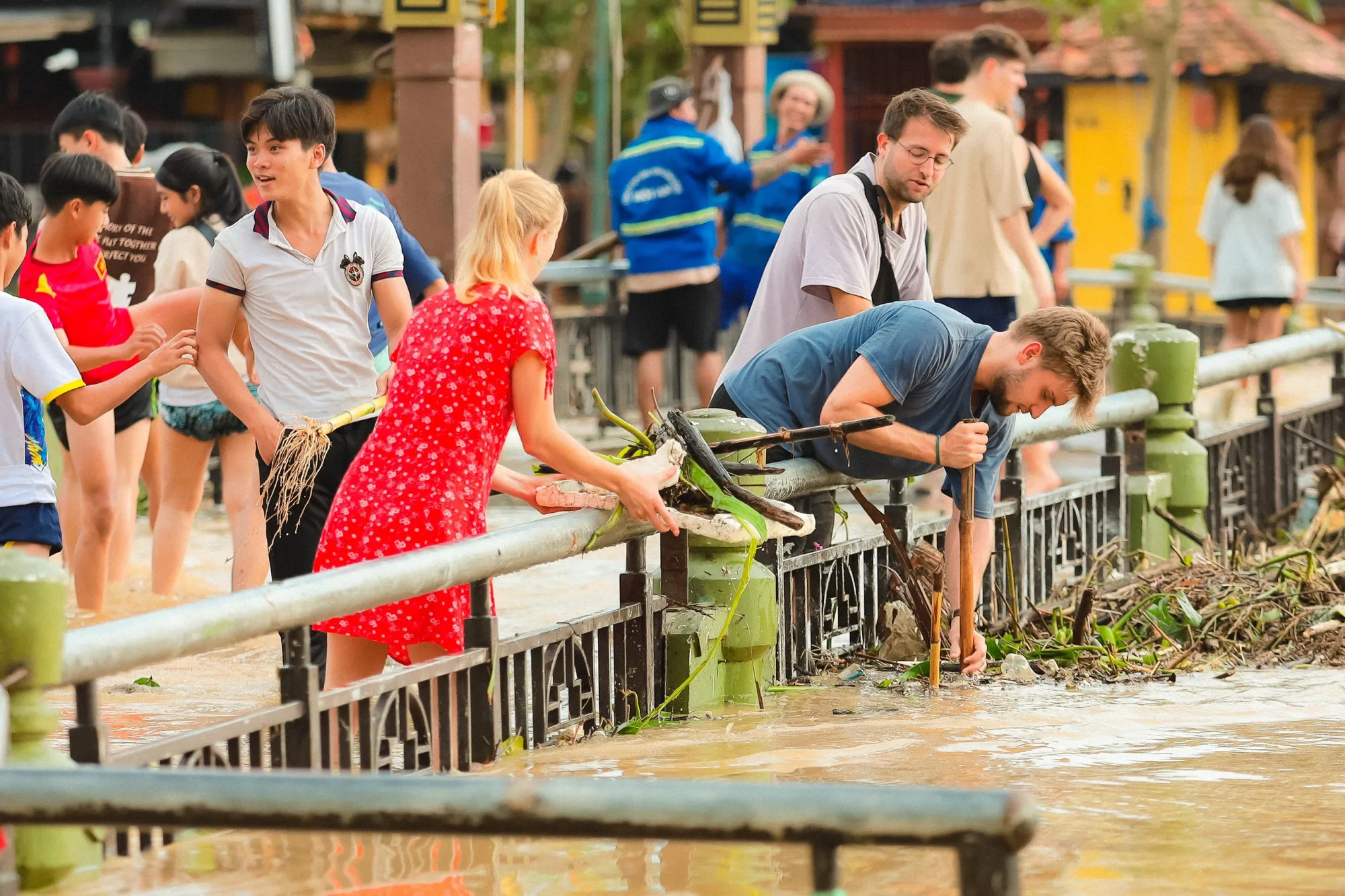
Source: Internet
Scenario 2: Typhoons in Vietnam strike during your excursion
You’re having a wonderful time when suddenly a typhoon lands, and it’s raining heavily all day.
First and foremost, prioritize shelter and safety
If you find yourself near the storm’s center, moving far and wide is dangerous as weather conditions can change unpredictably. Your best course of action is to stay within your hotel neighborhood.
If your area is only slightly affected, perhaps only rain in the early morning or late at night, you can still maximize your day exploring the key tourist attractions. Just remember to check the weather forecast immediately before heading out and always have your raincoat and umbrella ready.
Handle isolation and uncertainty if the weather is getting worse
If you are unfortunately isolated by the storm (e.g., stuck on an island or remote area), the first rule is to remain calm. Immediately find a safe, secure position and seek assistance from local authorities or residents. Notify your family or travel agency, and most importantly, listen and comply with instructions from local officials. Do not move arbitrarily.
If you are on a guided tour: Follow the instructions of your experienced tour guide. They are trained and knowledgeable in handling such emergencies.
If you are traveling independently: Comply with local official instructions, as they are focused on ensuring your safety during the event.
Exercise extreme caution when moving outdoor
If movement is absolutely necessary during or immediately after stormy weather, be highly selective about your transport.
In mountainous regions, roads become muddy and slippery. Car travel is only safe with drivers who are highly accustomed to local, wet-road conditions. Ensure the vehicle is in top condition: good brakes, adequate tire grip, bright lights, and working turn signals.
Avoid driving at night when the rain is heavy. Pay special attention when driving through low-lying areas or underpasses to prevent being caught in sudden floods.
Limit unnecessary movement as stormy weather carries risks like lightning, falling trees, and fast-rising water. Ideally, wait for confirmation that the typhoon has fully passed and the weather is safe before continuing your journey.
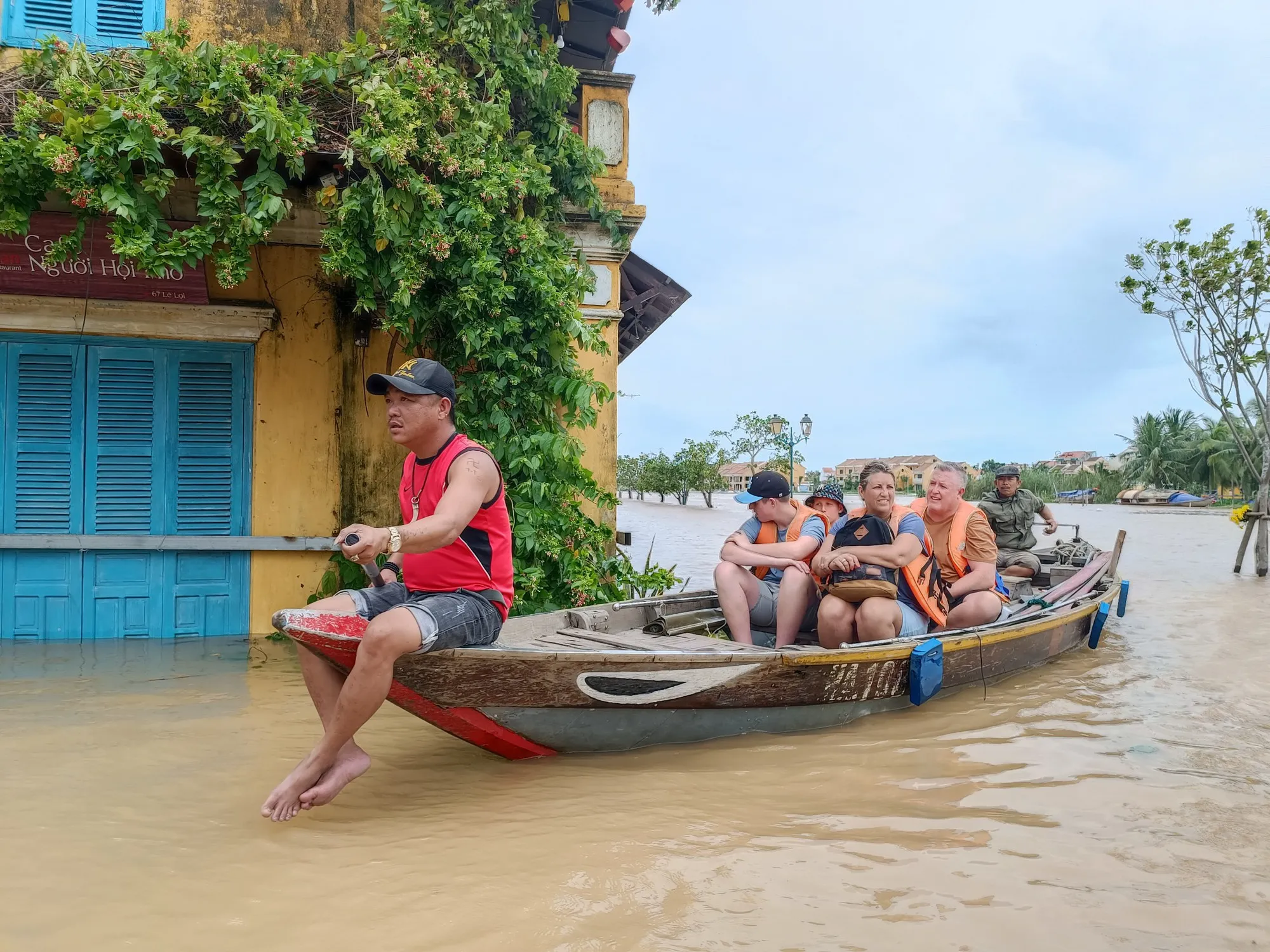
Source: Internet
Useful tools for up-to-date information of typhoons in Vietnam
While many general weather apps are useful, for specific, real-time storm information, you may need dedicated resources:
Vietnamese Meteorological Websites: Search for the National Center for Hydro-Meteorological Forecasting (NCHMF) of Vietnam. This official site provides the most accurate, updated information on storm tracks, rainfall, and warnings.
Global Weather Services: You can also check sites like AccuWeather or Weather Underground, which often incorporate official warnings into their forecasts.
Remember, though, that asking the local people is often the fastest and most reliable way to get local updates and safety advice.
Your worry-free journey with Travel Sense Asia, even when typhoons hit
While the typhoon undeniably poses risks to your expedition, we’ve found that the excessive worry and stress over preparation often do more to ruin your travel experience. That’s exactly why we at Travel Sense Asia are here to help you turn a good holiday into a great, stress-free experience. With more than 15 years of experience in tourism, and a 97% customer satisfaction rate, Travel Sense Asia has perfected the art of typhoon contingency planning (Plan B).
Proactive itinerary adjustment:
Our travel experts constantly monitor the official weather forecasts and typhoon trajectories. If a typhoon threatens your destination, we will immediately implement a Plan B, before the situation becomes critical. This could mean switching your itinerary from a vulnerable area to the drier region or rearranging activities to safe, clear-weather windows.
Once the typhoon passes, we quickly update the itinerary, flexibly adjusting and rescheduling activities to ensure the remainder of your journey is smooth and safe.
Safety first as always:
If you are already at a destination when a typhoon hits, your guide is trained to prioritize your safety. They will ensure you are housed in a secure location and have access to essential resources. Our 24/7 support team is always ready to assist you in every situation, providing solutions and peace of mind around the clock.
The power of local knowledge:
Our guides and local partners have years of experience navigating Vietnam’s unique weather challenges. They know which roads become impassable, which hotels are most secure with reliable contingency plans for bad weather (e.g., in-house dining options and backup power generators), and how to organize safe transit or engaging indoor activities on short notice. When you travel independently, this crucial knowledge is often missing.
Hassle-free logistics:
You will never have to worry about negotiating with cruises for refunds, or arranging last-minute transportation due to weather changes. We handle all the stressful logistics for you. Our commitment is to assist you in any situation and provide the best possible Plan B so your adventure continues smoothly.
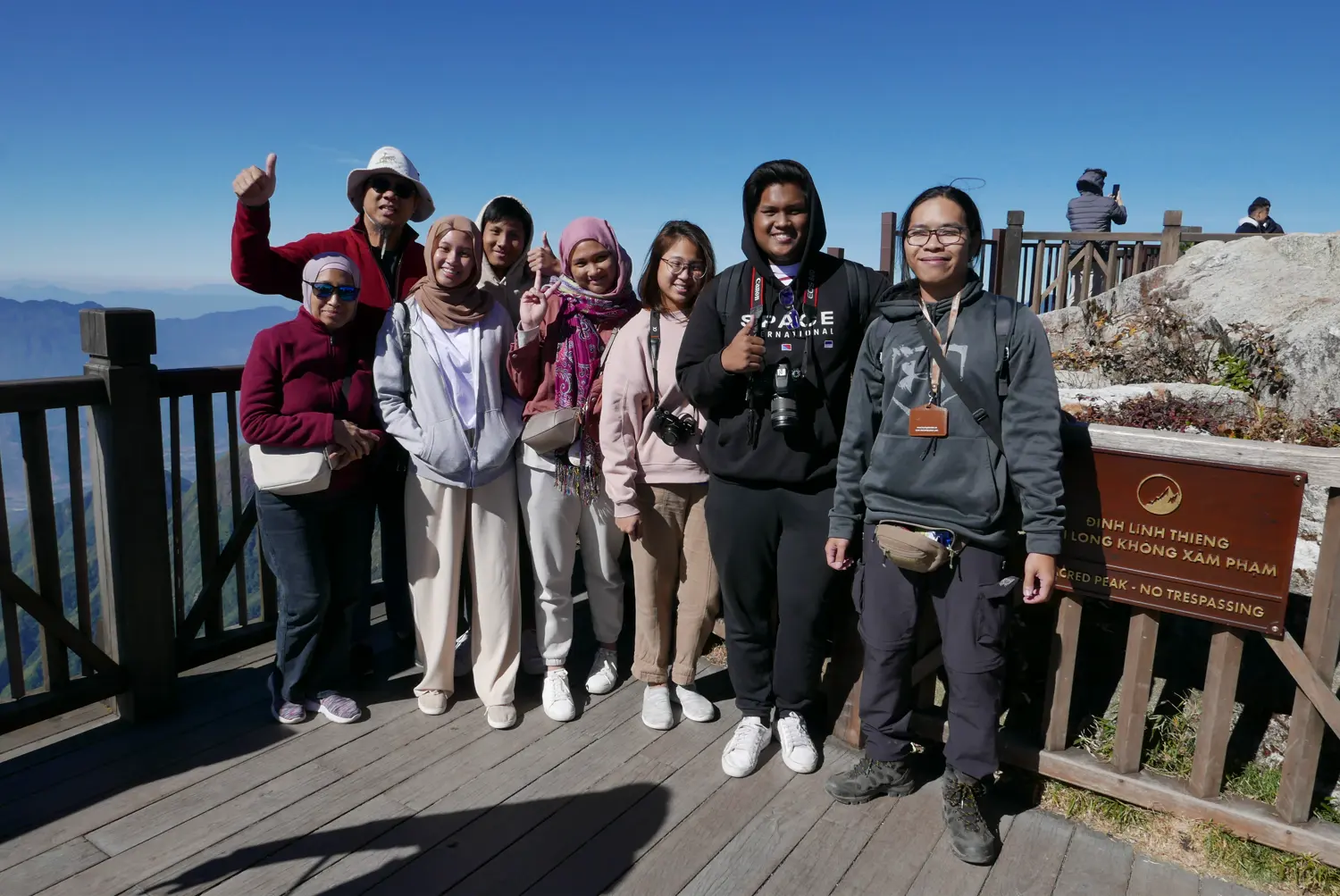
Source: Travel Sense Asia
Conclusion: Should you worry about the typhoons in Vietnam?
Tons of things to consider, isn’t it? After reviewing all the essential tips, here is our final word: You should not let the worry of a typhoon prevent you from traveling.
Typhoons are natural, seasonal phenomena that commonly form in Southeast Asian regions. They are a predictable part of the climate cycle, which allows for effective preparation. By adapting to the circumstances, you can turn a rainy period into a memorable, unique adventure, perhaps one that gives you a deeper connection with the local community.
Don’t worry about whatever can make you falter. If you go with Travel Sense Asia, enjoy the your journey in Vietnam while we handle everything for you