









For many travellers, choosing to travel to Sri Lanka is a chance to slow down, reconnect with nature, and enjoy a journey that feels both enriching and at an easy pace. The island is celebrated for its beaches, Ceylon tea country, and Buddhist cultural architecture, yet its diverse ecosystems and abundant wildlife also make it one of Asia’s most rewarding destinations for safari tours. Even better, a safari in Sri Lanka suits almost every travel style, from families and first-timers to travellers who simply want a comfortable, low-effort way to experience the wild.
This guide shares the most rewarding places for safari in Sri Lanka, what to expect from the weather, the best time to go and other practical travel tips to help you plan a smooth and enjoyable experience.
Places to visit in Sri Lanka for the best safari experiences
If your research starts with places to visit in Sri Lanka, it helps to know that each national park offers a different style of safari. Some parks are best for elephants, others are known for leopards, and some suit travellers who simply want quieter landscapes and fewer vehicles.
Udawalawe National Park
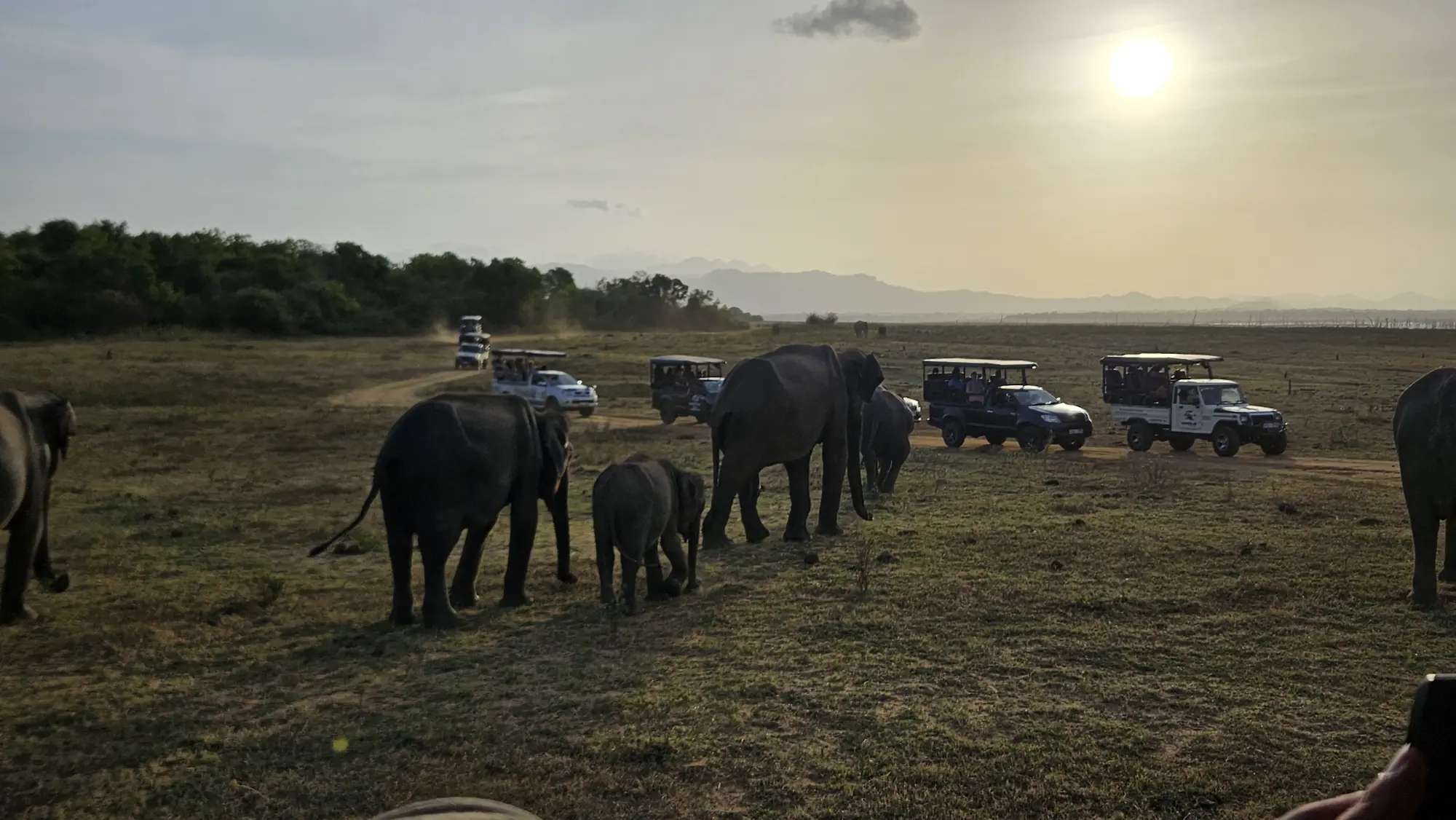
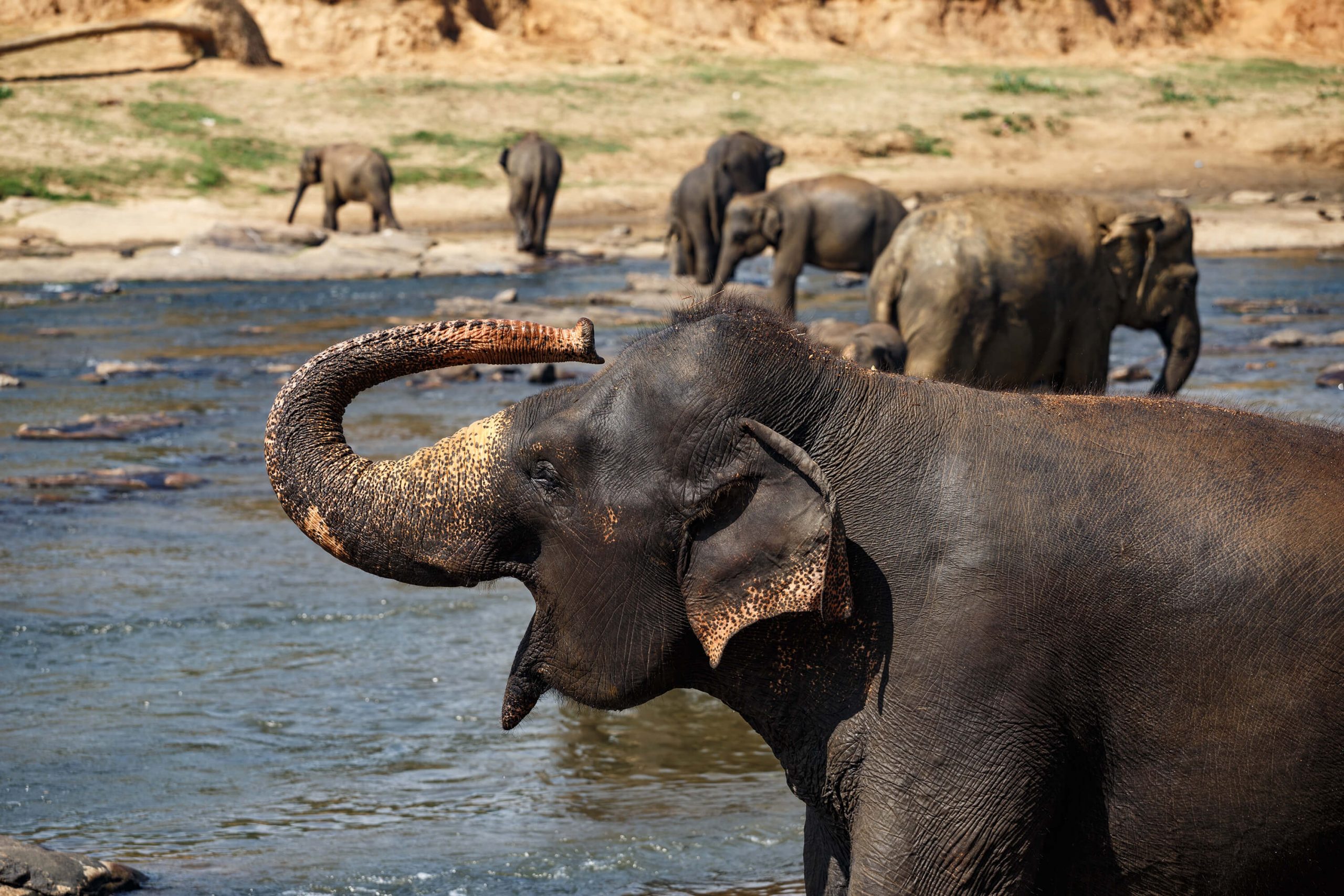
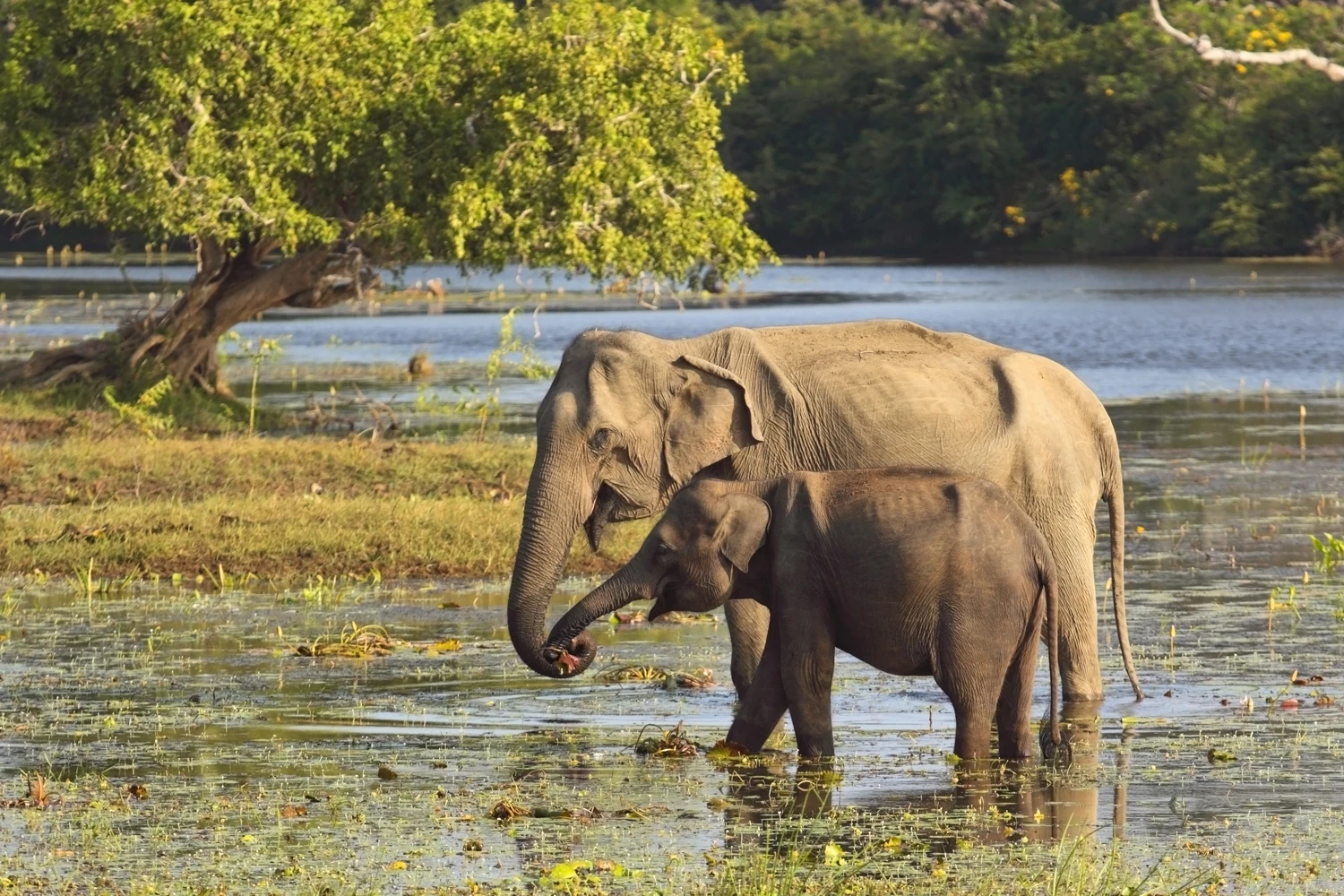
Udawalawe National Park is a wildlife sanctuary in Sri Lanka’s Sabaragamuwa and Uva Provinces, near Embilipitiya, covering over 30,800 hectares. It is one of the most reliable elephant parks in Sri Lanka, and its open, sunlit grasslands make wildlife viewing feel calm and effortless.
This is exactly why it suits travellers who prefer a gentle, comfortable safari: you spend most of the time in a jeep on established park tracks, with minimal walking, while elephants and other wildlife often appear in wide, unobstructed spaces, especially around the park’s waterways and the Udawalawe Reservoir.
Beyond elephants, Udawalawe is a strong all-rounder for a first safari, because the experience stays rewarding even without “rare” sightings. The park supports 200+ bird species and around 33 mammal species, and it’s well set up for eco-tourism-style activities such as jeep safaris, birdwatching, and (in some areas/with the right operator) gentle nature walks.
Best time to visit: December to May (the South and Southwest dry season) for the smoothest roads and clearest viewing.
Good to know: Even outside peak months, Udawalawe often performs well for elephants, but the comfort level (heat, rain, track conditions) is typically best in the drier window.

Udawalawe National Park
Yala National Park
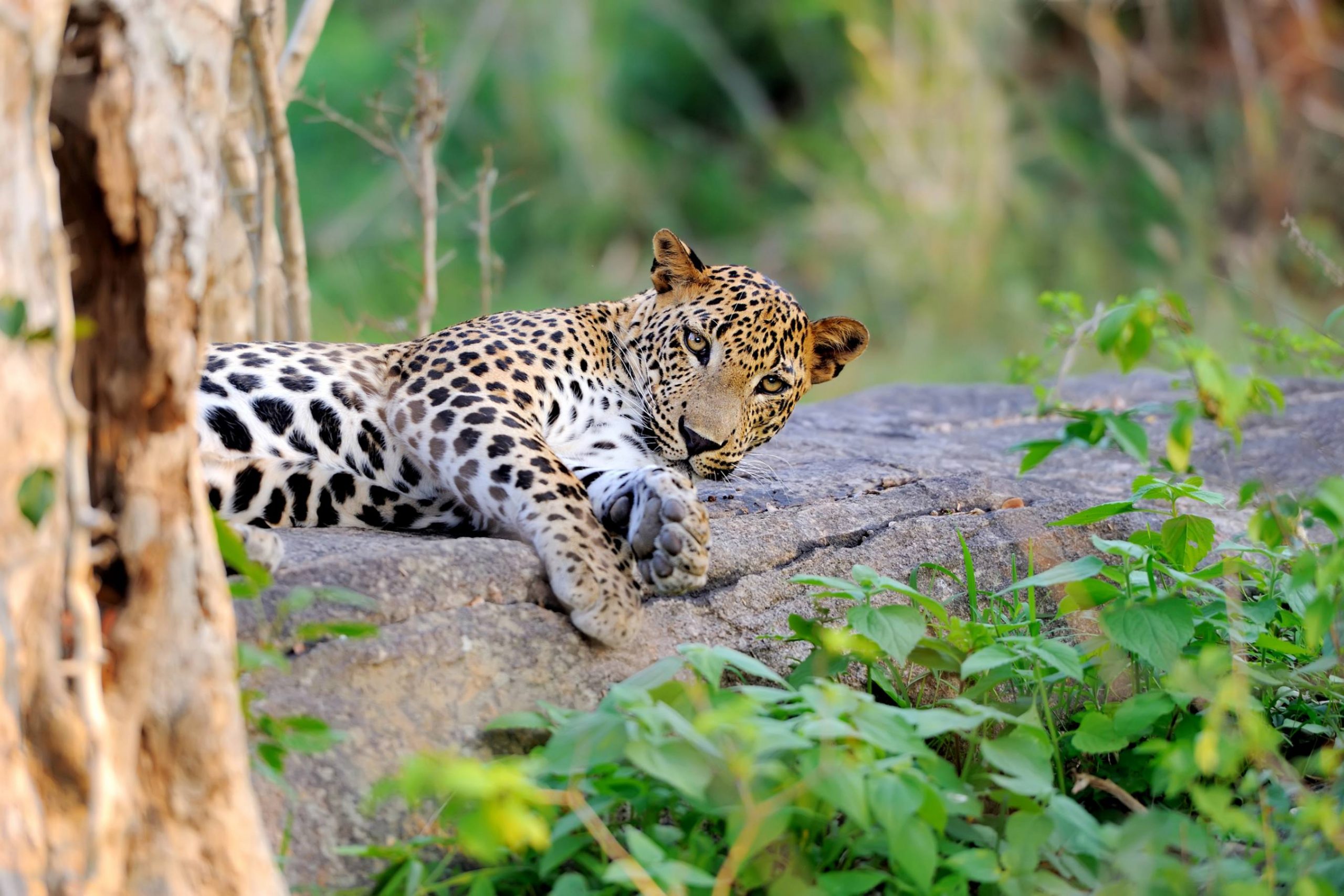
Yala National Park is Sri Lanka’s second-largest national park, covering roughly 979 square kilometres. The park’s habitats range from dry monsoon forest and open grasslands to wetlands, which is exactly why a safari here often feels varied and visually striking.
Yala is Sri Lanka’s most famous park for leopard sightings, yet leopards can’t be guaranteed. Even so, Yala remains a standout because the scenery is dramatic and the mix of wildlife is often excellent. You can expect Asian elephants, crocodiles, sloth bears, spotted deer, wild boar, and abundant birdlife.
The park is divided into five blocks, with two blocks open to the public. Block 1 is the most visited area (often the busiest), whereas Block 2 is typically less crowded and can feel more relaxed.
Yala also has a strong sense of place beyond wildlife. There is evidence of human presence dating back to around the 2nd century BC, and you can find notable cultural sites such as Sithulpauwwa and Magul Maha Viharaya, adding depth to the landscape you are driving through.
Best time to visit: February to June (dry season) for stronger wildlife viewing as animals gather near water. To avoid crowds, July to January is usually quieter and cheaper, but sightings can be less predictable.
Good to know: For the best overall experience, choose an early-morning safari and a skilled guide. Starting early helps with cooler temperatures, better light, and fewer crowds.

Yala National Park
Kumana National Park
Located in the North Central Province of Sri Lanka, near the ancient city of Polonnaruwa, Kumana National Park is known as Yala East. The park is a strong alternative for travellers who want a safari that feels quieter and less crowded than Yala. Wildlife sightings can be similar in type but often less frequent, and the experience can feel more immersive simply because there are usually fewer jeeps on the tracks.
Kumana is especially rewarding for birdlife. Travellers often spot spotted deer, water buffalo, and plenty of water birds, and many of the park’s best moments come from its wetlands and bird areas.
On the way out, the route passes through the Kumana Bird Reserve, where a birdwatching tower can be a great stop, particularly near dusk when larger birds settle in for the night.
Best time to visit: May to September (dry season).
Good to know: The park is typically closed around September to October for the bird breeding season, so it is best to plan dates around that window.

Kumana National Park
Wilpattu National Park
Wilpattu is often recommended for travellers who want a calmer safari with fewer vehicles and a more natural, unhurried pace. The park is defined by its natural lakes (villus), which attract wildlife throughout the day and create excellent moments for slow, observational viewing.
Compared with busier parks, Wilpattu feels more spacious and “wild”, making it a strong fit if you value serenity, gentle exploration, and the atmosphere of being deep in nature rather than rushing between sightings.
Wildlife you can realistically expect in Wilpattu: Leopards (possible, not guaranteed), spotted deer, water buffalo, wild boar, crocodiles, and varied birdlife around the villus.
Best time to visit: May to September is often the most comfortable window for drier tracks and easier driving in the Northwest.
Good to know: Wilpattu is not a “fast-action” park. Its strength is the quiet, spacious experience. A skilled guide who understands animal patterns around the villus can make a noticeable difference.

Wilpattu National Park
Minneriya National Park
In Sri Lanka’s Cultural Triangle, Minneriya National Park is the go-to park for seasonal elephant encounters, especially during the drier months when herds gather around open grasslands and reservoir edges.
Minneriya is close to Polonnaruwa, and it covers about 8,889 hectares with rich biodiversity, including 200+ bird species and a wide mix of mammals, reptiles, amphibians, and fish.
Wildlife you can realistically expect: Large groups of Asian elephants (in season), plus spotted deer, water buffalo, excellent birdlife, and occasional sightings of species such as Sri Lankan sambar deer, purple-faced langur, and even Sri Lankan leopard (rare, not guaranteed).
Best time to visit: May to September, with the most dramatic elephant activity often in July to September.
Good to know: The park can get busy in peak elephant months, so an experienced guide and smart timing (and choosing the less crowded routes) can make the experience feel calmer and more rewarding.

Minneriya National Park
Bundala National Park
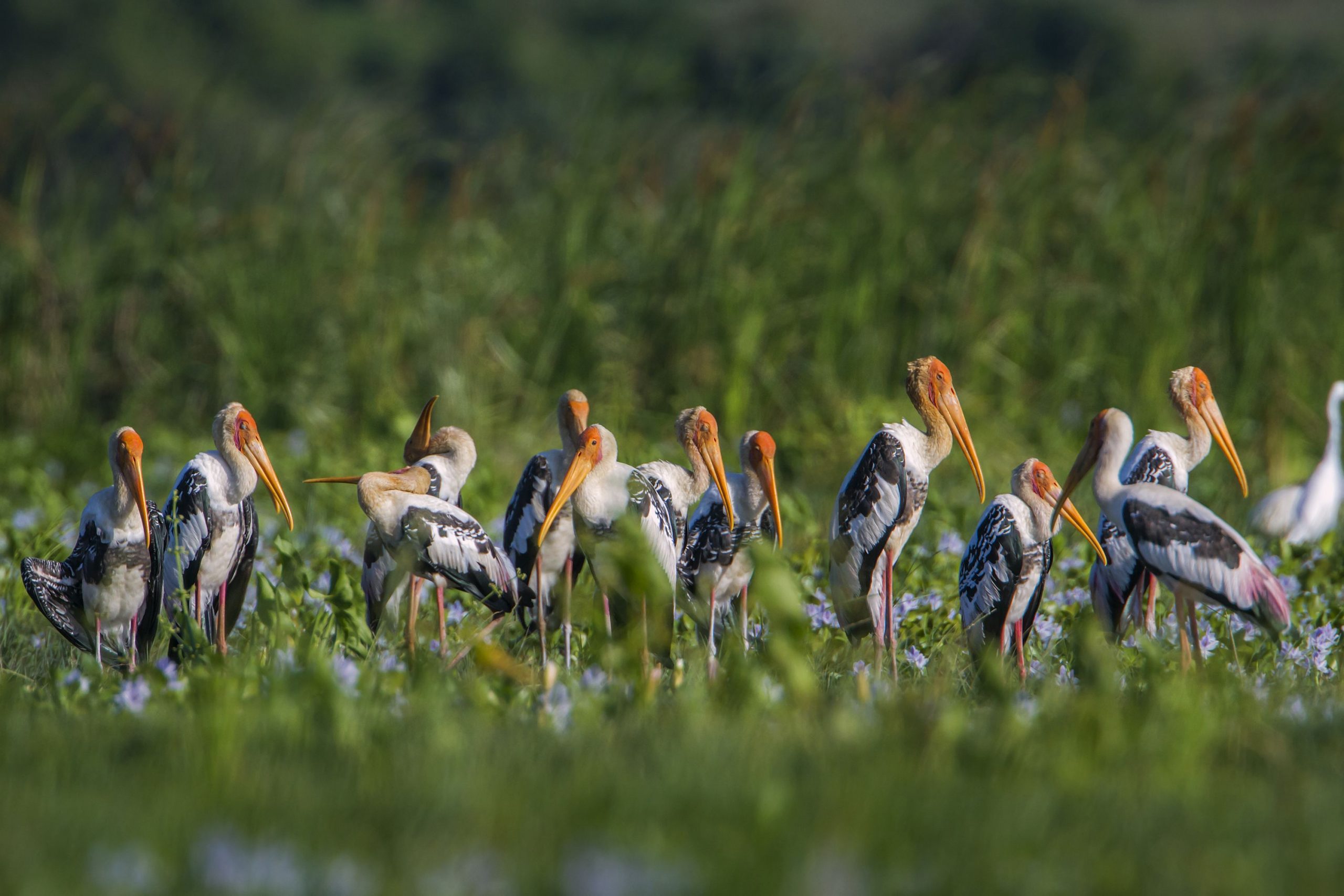
Bundala National Park is located in Sri Lanka’s Hambantota District, on the southeastern coast of the island. It’s a great fit if you want a soft safari that prioritises coastal landscapes and birdlife over big predator sightings.
Bundala is home to 200+ bird species, and it’s one of Sri Lanka’s most important wintering grounds for migratory birds, including greater flamingos that arrive in large numbers during the winter months.
It has also been designated a Ramsar Wetland of International Importance, reflecting its value as a protected ecological hotspot. Beyond birds, you may also spot crocodiles, spotted deer, wild boar, and occasionally elephants.
Best time to visit: Between November and March, which is the dry season in the region.
Good to know: Bundala is not a “big cat” park. Its strength is the peaceful wetland scenery and the richness of its birdlife, so it is best enjoyed with a relaxed, observant mindset.
Bundala National Park
Mirissa Beach (Whale Watching)
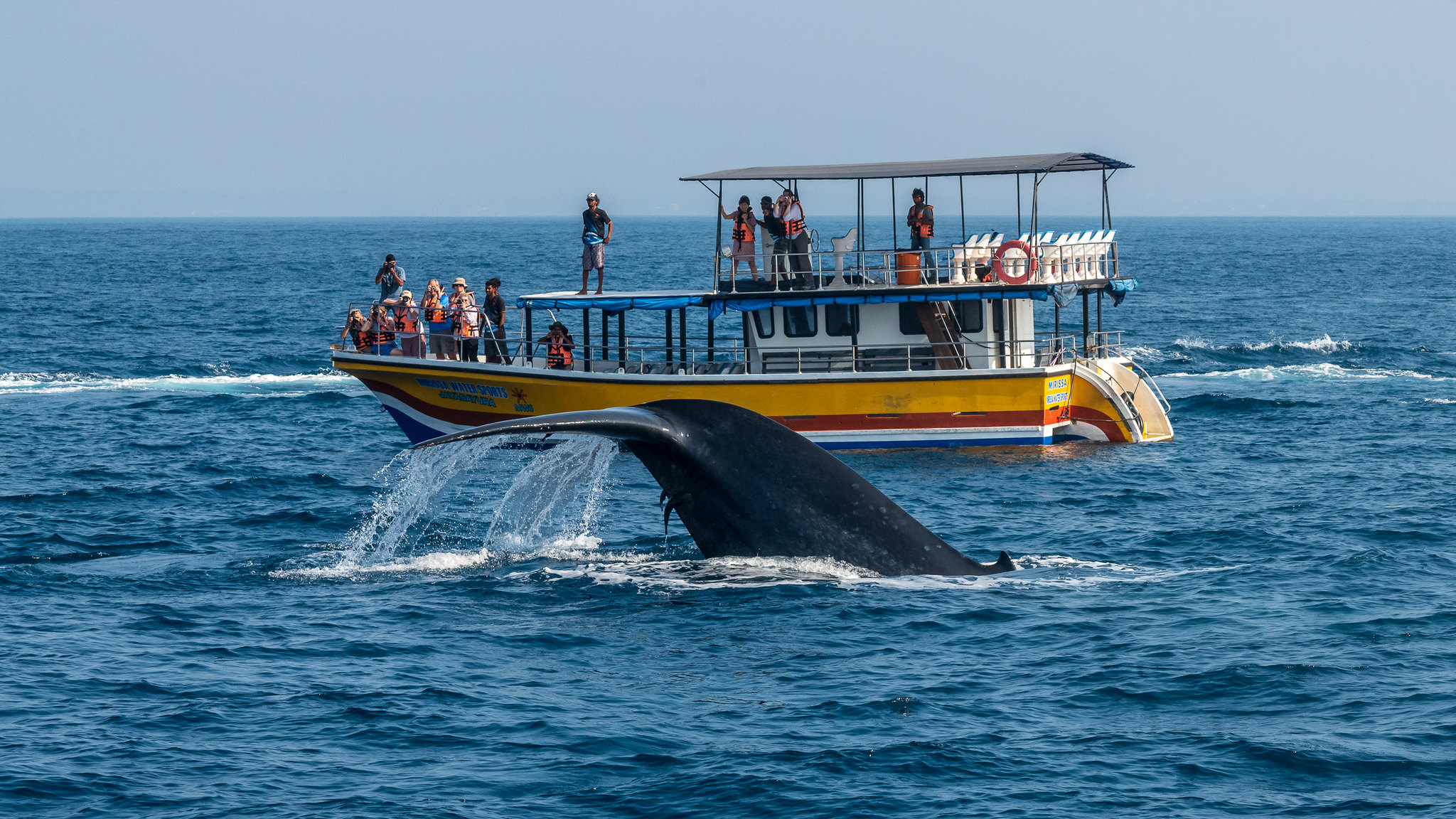
Off Mirissa and Dondra Head, whale-watching trips often deliver Sri Lanka’s best chances to see blue whales, with regular sightings of fin whales, sperm whales, and Bryde’s whales, plus large pods of spinner dolphins.
Best time to visit: While blue whales can be seen year-round, the best months are usually December to April, and it’s wise to avoid the rougher seas of May to July.
Good to know: For responsible wildlife watching, choose an operator that follows international whale-approach guidelines (for example, keeping about 100 m distance), and avoid any trip advertising “swimming with whales” or using chartered fishing boats, as these practices can disturb and harass the animals.
Mirissa Whale Watching
Weather in Sri Lanka: What to expect on Safari
The weather in Sri Lanka is not uniform, so safari comfort depends on where you go as much as when you go. The island’s shifting monsoon patterns create different “best windows” across the year, which is why planning a safari in Sri Lanka by region and park location is more accurate than choosing a single national season.
South and Southeast
Best: January to April
If your itinerary includes Yala or Udawalawe, the most comfortable safari window is typically December to April, when the south is generally drier, tracks are easier, and visibility is clearer. This is the season when many animals spend more time near waterholes and open edges, which can make sightings feel more consistent.
Cultural Triangle and East
Best: May to September
For Minneriya and Kaudulla, these parks can be at their best when the region is in its drier phase from May to September. This is when elephants often concentrate around reservoirs and grasslands. Late afternoon drives can be especially rewarding in this area, with softer light and increased movement near water.
Daily comfort pattern
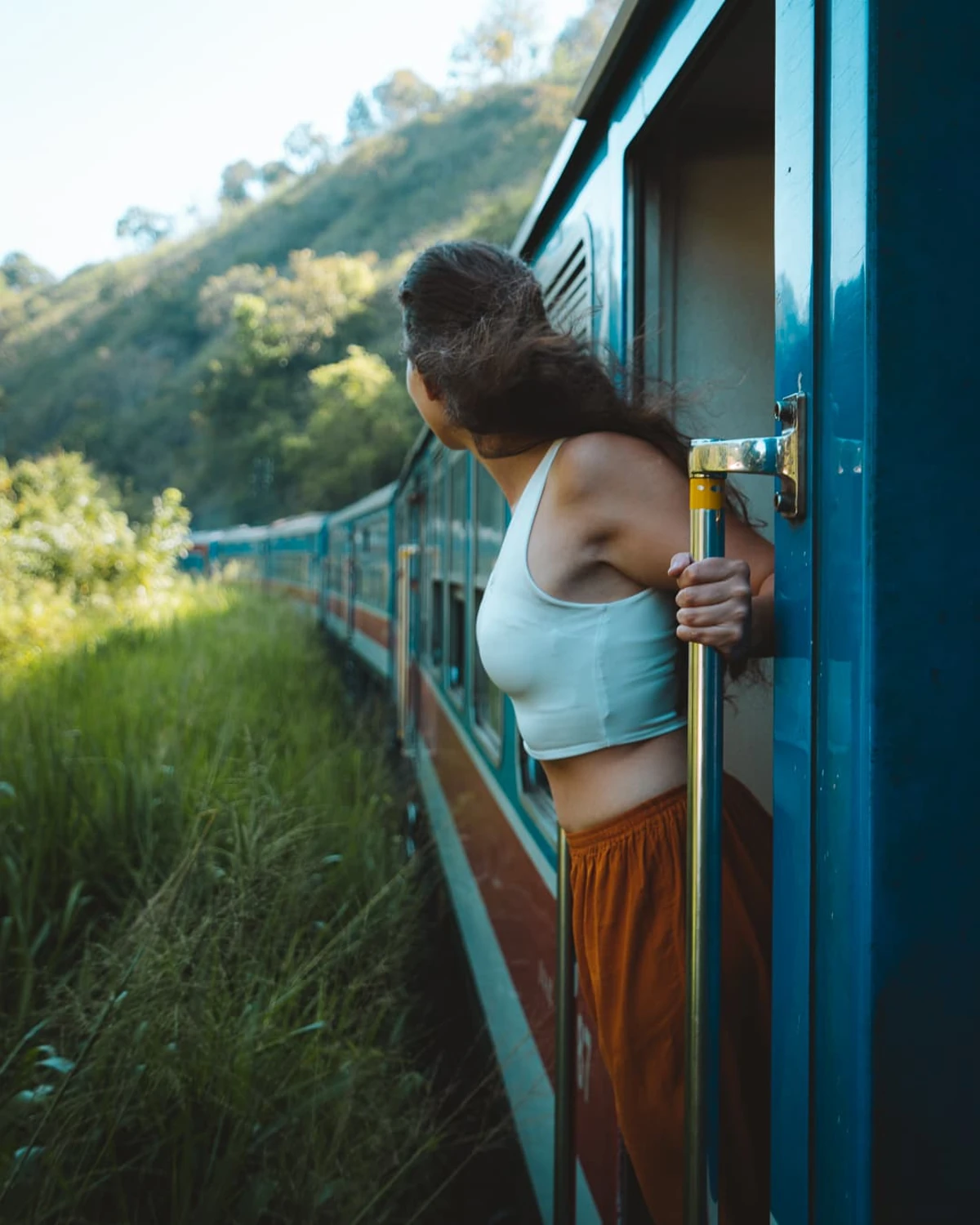
Across most safari zones, the comfort pattern stays consistent: early mornings feel cooler and are usually best for wildlife activity, while late morning and midday are brighter, hotter, and more tiring in an open jeep. Short showers can happen in any season, so dress in breathable layers, bring a light warm layer for dawn, and pack a simple comfort kit: water, sunscreen, hat, sunglasses, and insect repellent.
Responsible tips for safari in Sri Lanka
- For whale watching in Mirissa or Kalpitiya, choose a reputable operator that follows international whale-watching conventions and doesn’t crowd the animals.
- Avoid most elephant orphanages, as many have a poor ethical reputation. More responsible options often cited include the Elephant Transit Home (Uda Walawe) and the Elephant Care Relief, which offers elephant walks.
- Keep your distance: use binoculars or a zoom lens instead of approaching animals.
- Stay quiet: limit chatter and silence your phone to avoid disrupting natural behavior.
- Follow the guide’s lead: listen to local experts for safer, more ethical sightings.
- Respect the environment: stay on designated trails, don’t pick plants, and take all trash with you.
- Embrace learning: ask questions and treat each outing as a chance to understand wildlife conservation, not just “tick off” sightings.
Frequently Asked Questions (FAQ) about safari in Sri Lanka
What is the easiest way to experience a safari in Sri Lanka?
Most safaris are by jeep on marked park routes, so you can enjoy wildlife spotting while staying comfortable and avoiding strenuous activity.
Which national park should I choose for my first safari in Sri Lanka?
Udawalawe is perfect for first-time visitors due to its reliable elephant sightings and easy, open landscapes. For leopards, try Yala or Wilpattu; for birdlife, Bundala is a great option.
When is the best time to visit Sri Lanka for a safari?
It depends on the park!
- South/West (Yala, Udawalawe): December–April
- East/Cultural Triangle (Minneriya, Kaudulla): May–September
What should I wear or bring on a safari in Sri Lanka?
Dress in light, breathable clothing; bring a hat, sunscreen, insect repellent, water, sunglasses, and a light jacket for cool mornings. A camera or binoculars enrich the experience!
Is wildlife always guaranteed during a safari tour in Sri Lanka?
No, but part of the magic of safari is the unpredictability, enjoy the landscapes, the atmosphere, and every wildlife sighting, big or small, as a special moment.
Final thoughts
A safari in Sri Lanka offers something increasingly rare: a calm, comfortable way to experience real wildlife, beautiful landscapes, and quiet moments that stay with you long after the trip ends. Whether you choose Udawalawe for elephants, Wilpattu for a quieter atmosphere, or Yala for the possibility of leopards, the key is pacing and planning around your comfort.
If you are preparing to travel to Sri Lanka, let us at Travel Sense Asia help you build a sensible itinerary, choose ethical guiding, and ensure your experience is always smooth.
Simply share your preferences with us here, and we will take care of the rest.