



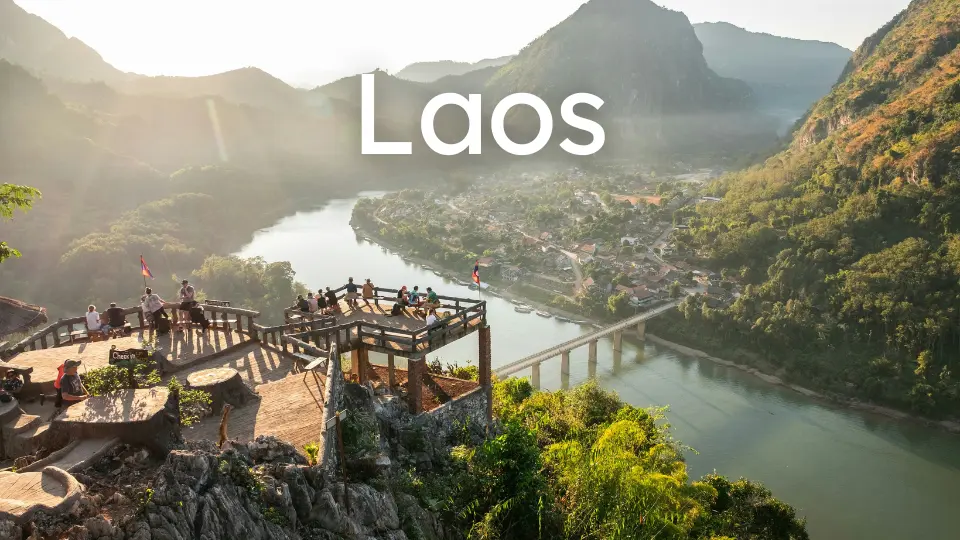










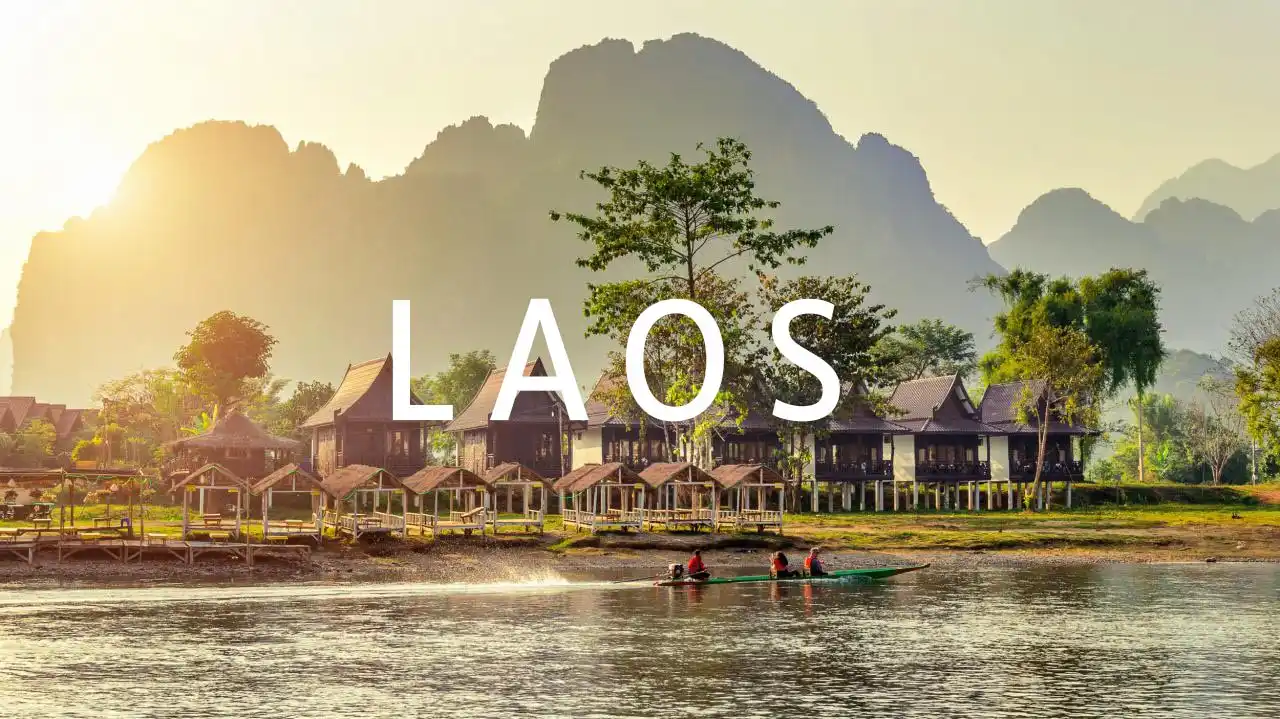


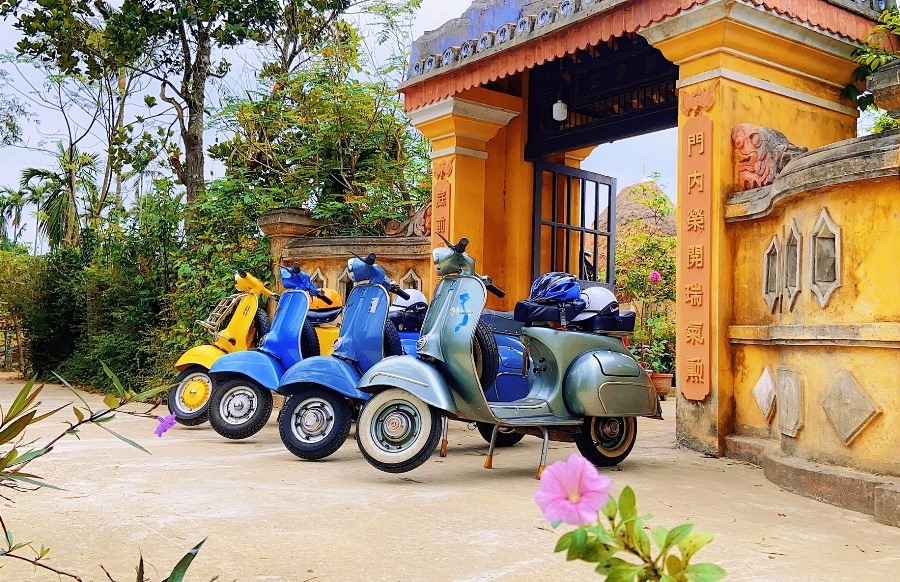

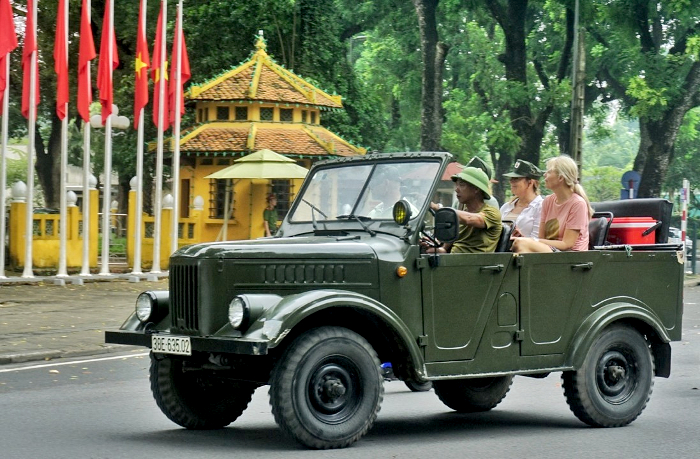
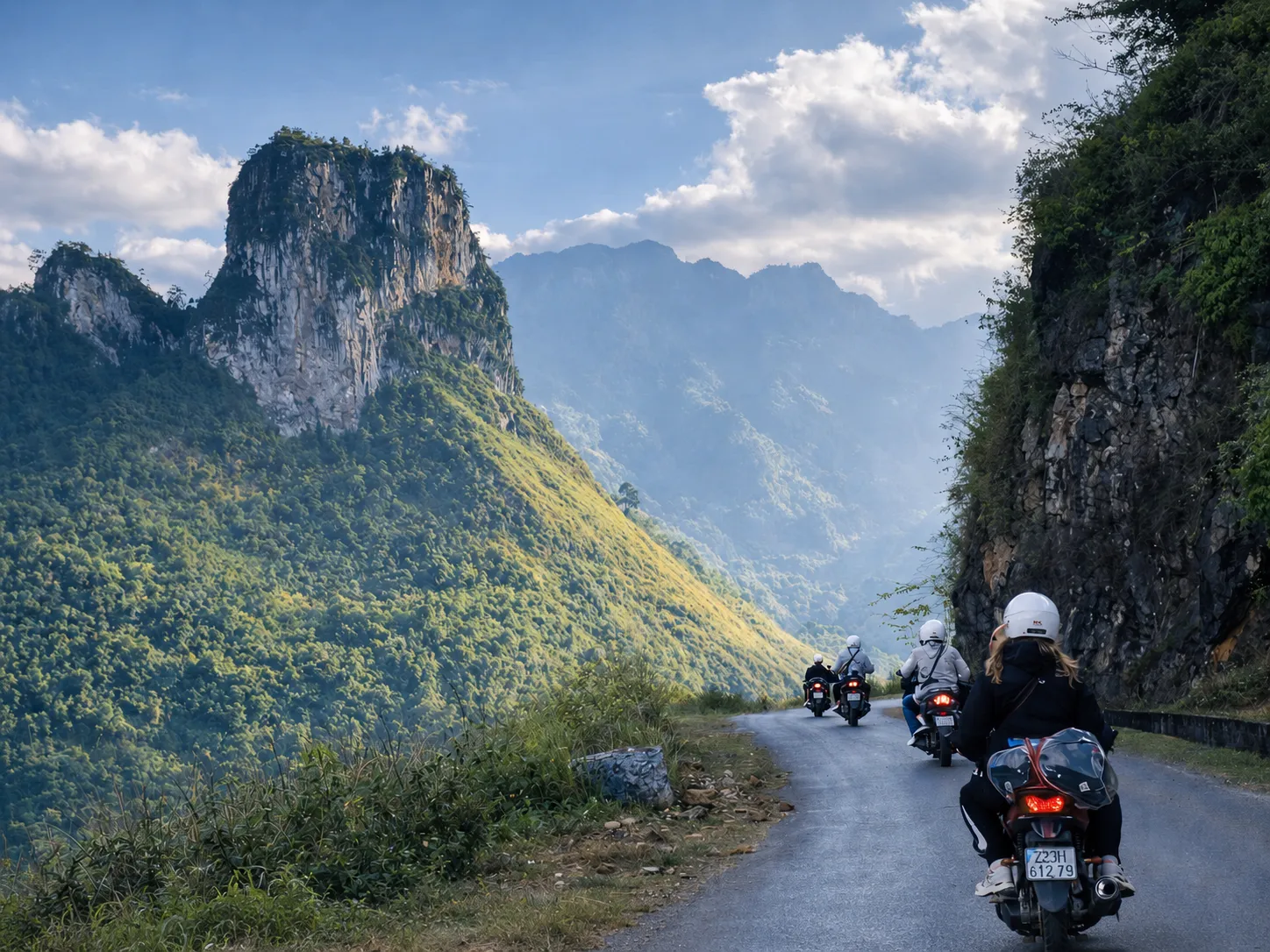
The Ha Giang Loop in winter is a rewarding choice for travellers who want dramatic mountain scenery, cooler weather and a quieter road-trip experience. December is generally drier than the summer months, with clearer conditions on many days, although cold temperatures, mountain fog and changing visibility can still affect the journey at higher elevations.
In this guide, Travel Sense Asia covers the weather, best time to visit, packing essentials and everything you need to prepare for the Ha Giang Loop in winter.
Why the Ha Giang Loop is ideal to visit in winter?
Winter temperatures make the loop feel different
The cold in Ha Giang is usually most noticeable early in the morning, after sunset and along the higher roads around Dong Van and Meo Vac. As the road winds through exposed mountain passes, the chill becomes even more pronounced.
Weather conditions can also shift quickly with elevation. You might begin the morning surrounded by cold mist on a high pass, then find yourself riding into gentle sunshine as the road drops into a valley a few hours later. These constant changes make the Ha Giang Loop in winter less predictable, but also far more atmospheric.
Clearer winter days open up the mountain views
Compared with the wetter summer months, the Ha Giang Loop in December is generally drier, creating more favourable conditions for long days on mountain roads. On clear days, the scenery becomes especially striking, with limestone peaks, deep valleys and winding roads standing out more sharply across the landscape.
Mountain weather can still change quickly, however. Mist often settles in during the early morning or around high passes, sometimes obscuring the view before gradually lifting. Roads may also remain damp from fog or light rain, so it is worth checking the forecast and keeping your itinerary flexible.
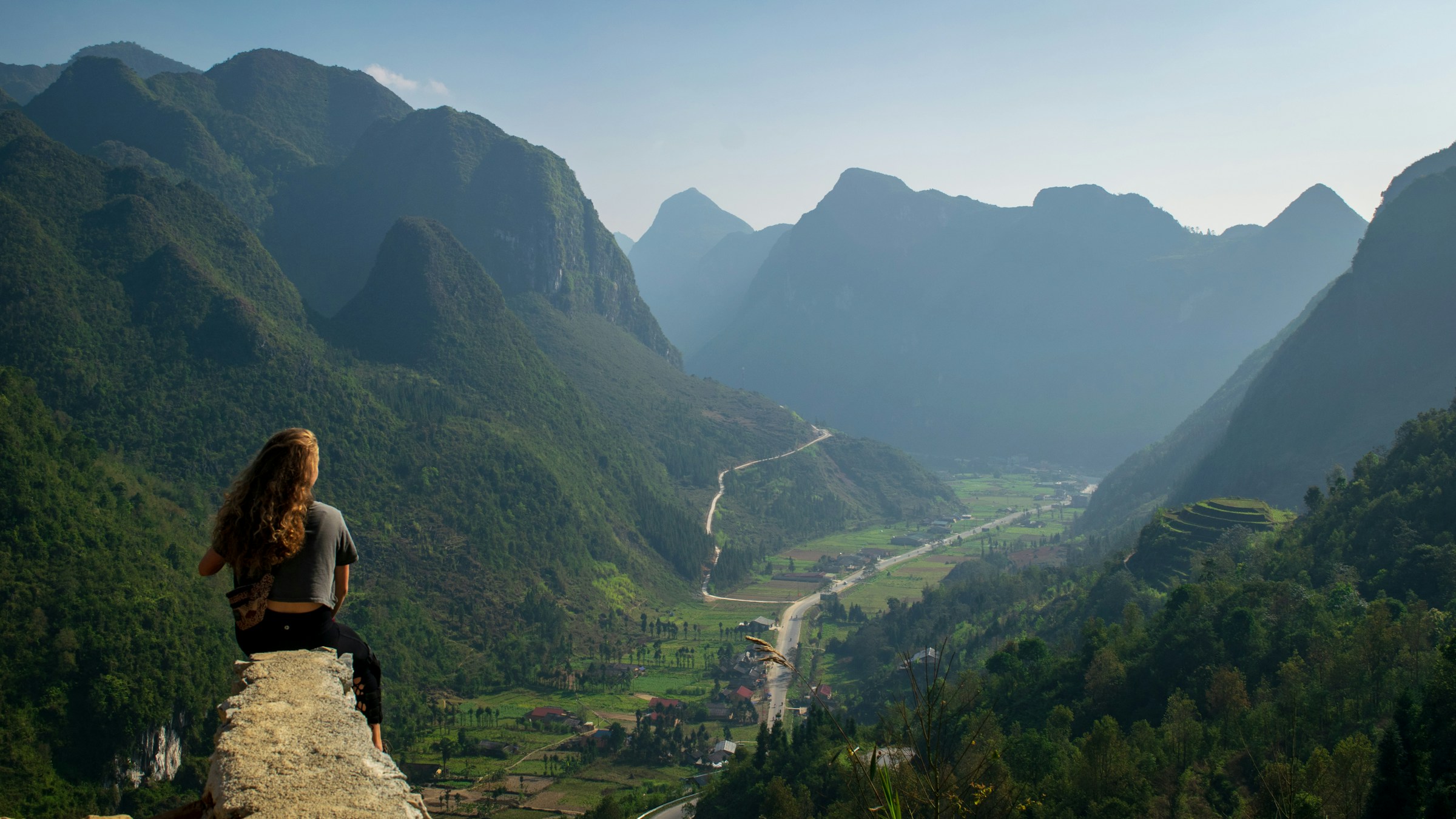

Enjoy the buckwheat flower in Ha Giang
Late autumn and early winter mark the buckwheat flower season in Ha Giang, when fields of delicate blossoms appear across the karst plateau and around highland villages.
November is usually the peak period, but travellers visiting in December may still find flowering fields around Dong Van, Meo Vac, Yen Minh and Quan Ba. Part of their appeal comes from the contrast between the soft pink flowers and the rugged limestone mountains surrounding them. Blooming times can vary, however, depending on planting schedules and weather conditions each year.
HIDDEN ETHNIC VILLAGES
Find out more about 4 hidden ethnic villages inside the Ha Giang Loop that you must explore.
Ha Giang winter weather and temperature range
Winter in Ha Giang (spanning roughly from December to February) brings a crisp, high-altitude climate characterized by significant temperature fluctuations between day and night.
-
Daytime: Temperatures typically range from 10°C to 15°C (50°F to 59°F). On clear, sunny days in the valleys, it can feel pleasantly cool and ideal for long motorbike rides.
-
Nighttime vs. Early morning: The temperature drops sharply as the sun sets, usually hovering between 5°C and 8°C (41°F to 46°F). At higher elevations like Dong Van, Meo Vac, or the peak of Ma Pi Leng Pass, temperatures can plummet close to 0°C (32°F), occasionally bringing morning frost or icy road patches.
Because of this daily temperature gap, often shifting by 10°C or more within a few hours, and the strong wind chill factor while riding, the cold in Ha Giang feels much more piercing than city weather at the same temperature.
Is the Ha Giang Loop in winter right for you?
Winter is worth considering if you want to:
- See dramatic limestone mountains and valleys in a distinctly wintry setting.
- Enjoy a slower road trip with more time to stop and take in the scenery.
- Experience Ha Giang when the landscape is less lush and the rugged contours of the karst plateau stand out more clearly.
- Have a chance to see late-season buckwheat flowers when conditions are favourable.
You may prefer another season if you want:
- Warmer weather for travelling by motorbike.
- Green rice terraces or golden fields during harvest season.
- A better chance of seeing buckwheat flowers at peak bloom.
EXPLORE HA GIANG ETHNIC MARKETS
Dive into the vibrant colors and authentic trading culture at the spectacular highland backward markets.
Top experiences on the Ha Giang Loop in winter
The appeal of the Ha Giang Loop lies not only in its famous stops, but also in how dramatically the scenery changes from one stretch of road to the next. In winter, mist, colder mountain air and rugged limestone terrain make those contrasts even more striking, turning the journey itself into one of the highlights of the trip.
Take in the mountain views at Quan Ba Heaven’s Gate
Quan Ba is one of the first places where the landscape begins to feel distinctly mountainous. As the road climbs higher, towns and settlements gradually give way to broad valleys, layered hillsides and sweeping bends that open up increasingly wide views.
Quan Ba Heaven’s Gate is one of the best places to take in this transition. On winter mornings, mist often drifts across the slopes, leaving the valley below partly hidden from view. As the sky clears, layers of mountains emerge in the distance, creating a memorable introduction before the journey continues towards the Dong Van Karst Plateau.


Ride through the karst landscapes of Dong Van
As the road approaches Dong Van, the scenery becomes increasingly rugged, with limestone peaks, narrow valleys and roads tracing the edges of steep mountainsides. This area forms part of the Dong Van Karst Plateau UNESCO Global Geopark, known for its extensive karst formations and geological history stretching back more than 550 million years.
Winter adds another dimension to the landscape. On clear days, the contours of the limestone cliffs stand out more sharply, while drifting mist settles into the valleys and adds depth to the surrounding mountains.
What makes this section so memorable is not a single viewpoint. It is the constant sense of movement through changing elevations, roads curling around rocky slopes and valleys appearing unexpectedly beyond the next bend.
Cross the dramatic Ma Pi Leng Pass
Ma Pi Leng is one of the most spectacular stretches of the Ha Giang Loop, where the road clings to the mountainside high above deep gorges and the winding Nho Que River. The scenery shifts with every bend, from sheer rock faces rising beside the road to expansive views across layer after layer of mountains.
Winter gives the pass an especially atmospheric character. Morning mist can fill the valley and briefly hide the river below before slowly lifting to reveal the landscape. On clear days, the views stretch far across the surrounding mountains, making this one of the sections where slowing down feels especially worthwhile.
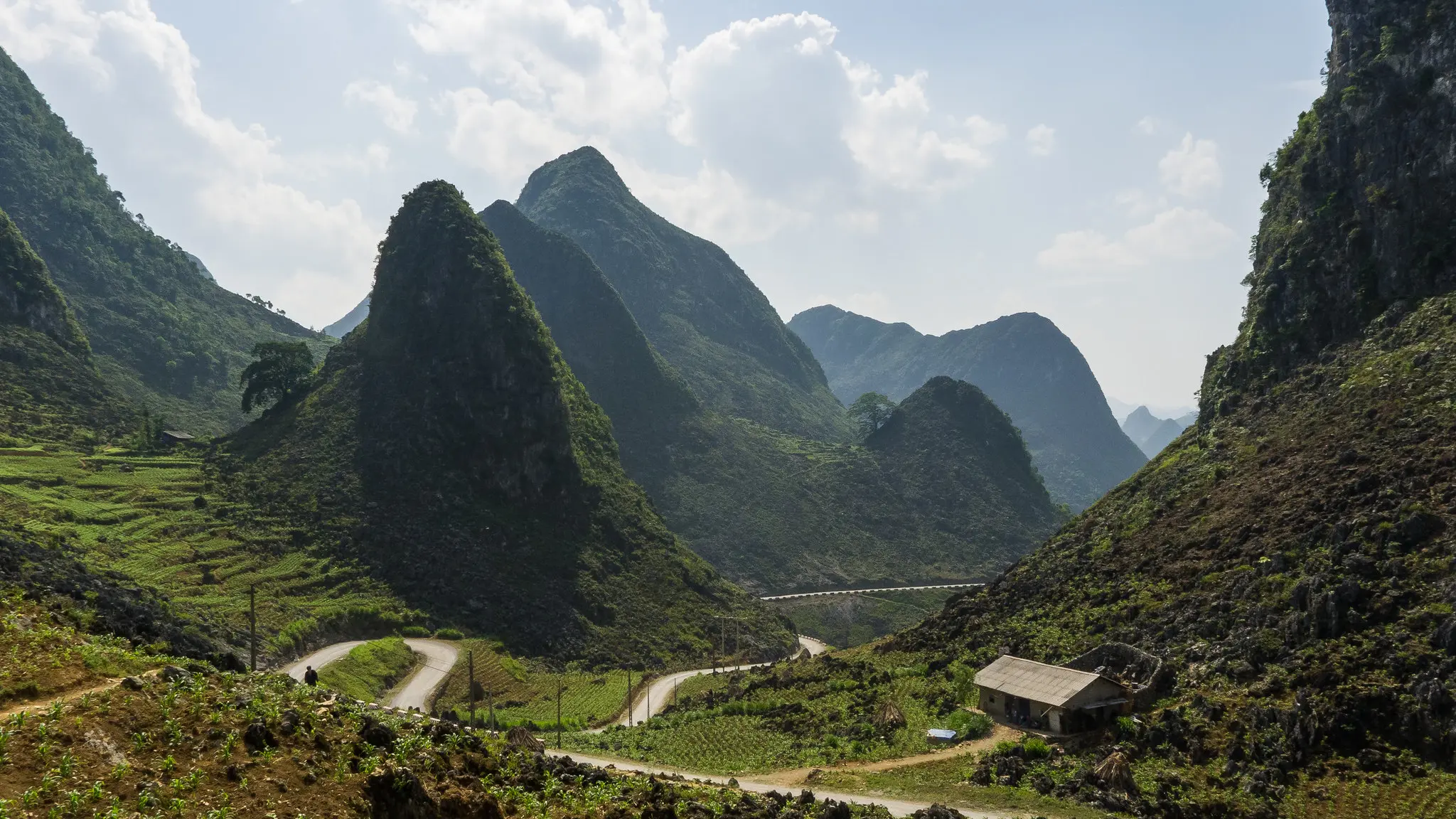

Slow down in Ha Giang’s highland villages
Beyond the open mountain passes, Ha Giang’s highland villages offer a quieter and more intimate side of the journey. Houses tucked between limestone peaks, fields climbing the slopes and small local markets bring a sense of everyday life to a landscape otherwise defined by dramatic mountain scenery.
In Dong Van, Meo Vac and smaller villages along the Loop, travellers can stay in a homestay, visit a market if the timing is right or simply spend time walking through the local surroundings. These slower moments add another layer to the Ha Giang Loop, turning it into more than a scenic road trip and offering a closer glimpse into the rhythms and cultures of Vietnam’s northern highlands.
SENSATIONAL HA GIANG LOOPS (10 DAYS)
For a deeper journey through Vietnam’s northern highlands, take inspiration from our 10-day tour.
How many days do you need for the Ha Giang Loop in winter?
3 Days – Experience the essential Ha Giang Loop
With three days, travellers can still cover Quan Ba, Dong Van, Ma Pi Leng and Meo Vac, some of the most iconic sections of the Ha Giang Loop. This option works well if you want to focus on the most scenic roads and key viewpoints without spending too long in the region.
The trade-off is that each day involves more time on the road. It is better to choose a few worthwhile stops rather than trying to see everything, especially when fog or poor weather can slow the journey.
4 Days – Slow down and experience more along the Loop
Four days makes the journey noticeably more relaxed and gives you more time to enjoy each section of the route. You can stay longer in Dong Van, take your time across Ma Pi Leng, stop in highland villages or add a boat trip on the Nho Que River without packing too much into a single day.
This pace also works better in winter, when mountain conditions can change unexpectedly. If fog becomes heavy or visibility drops, you have more flexibility to adjust the plan without making the rest of the journey feel rushed.

Ha Giang Loop packing list: What to bring in winter?
Warm clothing
Your clothes should be warm enough for exposed mountain roads while still remaining comfortable for long hours on a motorbike. Layering makes it easier to adjust as temperatures shift between early morning, daytime and evening.
- Thermal or base layer.
- Fleece or warm mid-layer.
- Windproof jacket, preferably water-resistant.
- Comfortable long trousers.
- Warm socks.
- Gloves.
- Scarf or neck gaiter.
- Closed shoes with good grip.
Weather protection
Mist, cold winds and light rain can still appear even on relatively dry days. A few compact weatherproof items are therefore worth keeping close at hand.
- Lightweight rain jacket or poncho.
- Backpack rain cover or dry bag.
- Sunglasses.
- Sunscreen.
- Lip balm.
- Moisturiser.
Essentials for the road
Some sections of the Ha Giang Loop pass through remote areas where shops and services may be limited. Carrying a few basic essentials will help you stay prepared throughout the journey.
- Power bank.
- Offline maps.
- Cash.
- Refillable water bottle.
- Basic medication and a small first-aid kit.
- Small daypack.
- Waterproof pouch for your phone and electronics.
It is also a good idea to keep your gloves, outer layer and rain gear somewhere easy to reach. These are often the first things you will need when temperatures drop or the weather changes along the way.

OFFICIAL VIETNAM TOURISM PARTNER
Travel Sense Asia is incredibly proud to be featured on the official Vietnam Tourism board as a premium travel partner.
How to travel to Ha Giang from Hanoi and other cities?
Ha Giang has no airport or railway station, so most travellers make the roughly 300-kilometre journey from Hanoi by road before starting the Loop. The two most common options are an overnight sleeper bus or a daytime limousine or minivan.
- Overnight sleeper bus: Buses usually leave Hanoi in the evening and arrive in Ha Giang early the next morning. This is a convenient way to save daytime hours, but if you do not sleep well on the bus, it is worth taking some time to rest before setting off on the Loop.
- Daytime limousine or minivan: This option works well if you prefer to avoid overnight travel and want a more comfortable journey. You can arrive in Ha Giang later in the day, stay overnight and begin the Loop the following morning.
Whichever option you choose, allow a little time after arrival to eat, check the weather and organise your luggage. If you are self-riding, inspect the motorbike before setting off; if you are travelling with an Easy Rider, this is also a good time to go over the plan for your first day on the road.

How to stay safe on the Ha Giang Loop in winter?
The Ha Giang Loop is still very doable in winter, but fog, cold winds and damp roads can slow the journey down. The key is to ride at a comfortable pace and stay flexible as conditions change along the route.
- Check the weather before setting off: Fog and light rain can develop quickly at higher elevations, especially in the early morning. Checking the forecast and asking your accommodation for local updates can help you plan each section more confidently.
- Slow down when visibility drops: If the fog becomes thick, reduce your speed and keep a safe distance from the vehicle ahead. It is better to arrive later than to rush simply to stay on schedule.
- Take extra care on damp roads and sharp bends: Wet surfaces offer less grip, particularly on downhill sections and winding mountain roads. Brake earlier and avoid sudden movements to keep the bike under control.
- Avoid riding after dark when possible: Low light makes it harder to read the road and anticipate bends, while temperatures also fall quickly in the evening. Plan to reach your accommodation while there is still enough daylight.
- Keep warm and waterproof layers within easy reach: Gloves, an outer jacket and a rain poncho should be easy to access so you can put them on as soon as the weather changes.
- Keep your itinerary flexible: If the fog becomes too heavy or road conditions are poor, be prepared to shorten the day or skip a stop. On the Ha Giang Loop, safety matters more than completing every point on the itinerary.
Conclusion
The Ha Giang Loop in winter is a journey of shifting light, cold mountain air and roads that disappear into mist before opening onto vast limestone valleys. It may ask a little more of you in terms of planning and preparation, but the reward is a slower, more atmospheric version of Ha Giang. This is the one best experienced by taking your time and letting the road unfold naturally.
If you are planning to include Ha Giang in a wider Northern Vietnam journey, Travel Sense Asia can help create an itinerary that matches your pace, interests and travel style. Contact us to start shaping a personalised adventure through Vietnam’s northern highlands!
FAQ about the Ha Giang Loop in Winter
Is the Ha Giang Loop worth doing in winter?
Yes. Winter is a great choice if you enjoy dramatic mountain scenery, crisp air and misty roads. You just need to prepare properly for the cold and keep your itinerary flexible.
Ha Giang Loop in December: Is it a good time to go?
Yes. December is generally drier than the summer months, which can make riding and sightseeing easier. However, fog and cold winds are still common on higher mountain passes.
Can you see buckwheat flowers in Ha Giang in December?
Yes, but December is already the later part of the season. If seeing the flowers at their fullest is a priority, November is usually a better choice.
How many days do you need for the Ha Giang Loop?
Around three to four days is ideal. Three days is enough for the main sections, while four days gives you more time to stop, explore and adjust to changing weather.
Should you choose an easy rider or self-ride in winter?
If you are not confident on mountain roads, an Easy Rider is the better option. Self-riding is best suited to experienced riders who also meet the necessary licence and insurance requirements.