
















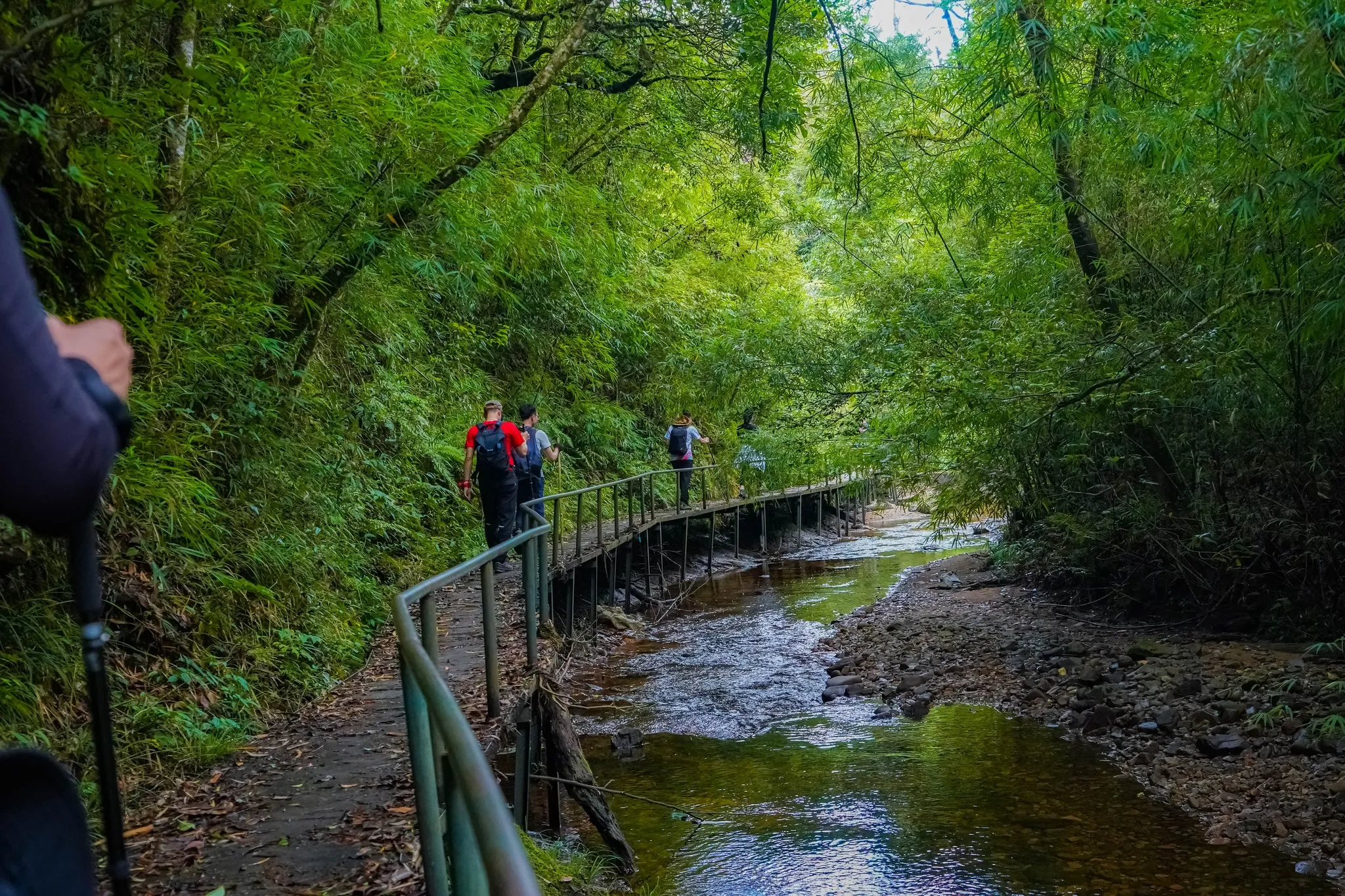
Rising above the mist-shrouded valleys of northern Vietnam, Fansipan Mountain calls to those who crave more than just a view. Trekking Fansipan is truly a test of endurance through dense forests, steep ridges, and ever-changing mountain weather.
In this essential guide by Travel Sense Asia, discover everything you need to know to conquer the legendary Roof of Indochina with confidence: from trekking routes and preparation to insider tips.
Mount Fansipan: Why is the “Roof of Indochina” every trekker’s dream?
Standing tall at the heart of the Hoang Lien Son range, Fansipan Mountain serves as the natural boundary separating Lao Cai and Lai Chau provinces. With an impressive height of 3,143m, Fansipan holds the title for the highest peak not only in Vietnam but across the entire Indochina (Cambodia and Laos).
While modern SunWorld Fansipan cable cars can now whisk tourists to the top in a “blink,” the true value for the trekking community lies in the arduous journey on foot. Overcoming cliffs, spending nights in wind-swept base camps, and feeling your heart race with every step toward the stainless steel marker is an invaluable spiritual reward.

The Fansipan Mountain is one of the most unique ecosystems in Vietnam. (Source: Internet)
TRAVEL TIPS
Besides trekking to Fansipan, discover the Top 10 must-visit attractions in Sapa you should know.
The best season for trekking in Sapa and Fansipan Mountain
The weather in the Hoang Lien Son region is famous for being erratic and unpredictable. At altitudes above 3,000m, you can experience all four seasons in a single afternoon. Therefore, choosing the right departure time not only ensures “million-view” photos but also directly guarantees the safety of your entire journey.
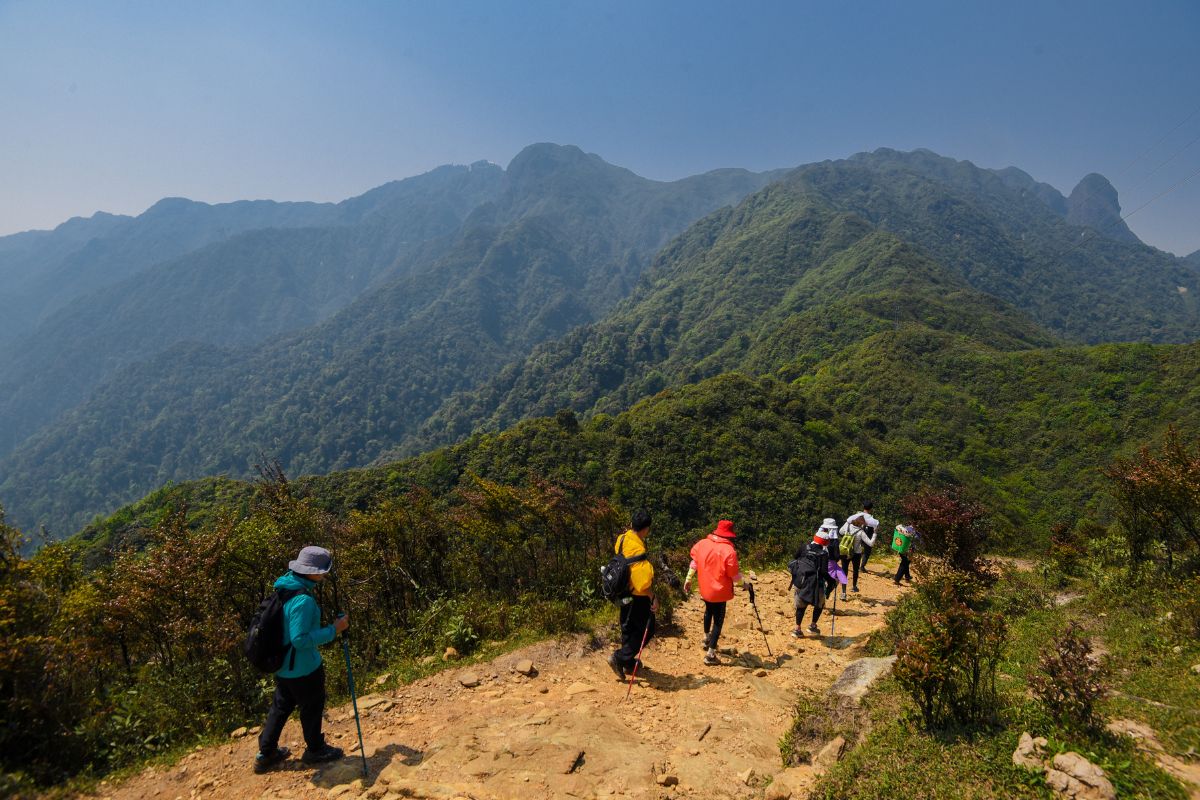
October – November is the perfect time for the Fansipan hike trip. (Source: Internet)
October – November: Chilly autumn and rolling cloud seas
This period is considered the “golden season” for professional trekkers. As the summer rains in the Northwest gradually fade, the weather becomes dry. Moving along the trails is also less risky thanks to dry rock surfaces, minimizing dangerous slips.
The temperature on the mountain at this time is ideal: chilly during the day but not bone-cold, helping the body maintain stamina during continuous movement. Notably, this is when the probability of encountering a “sea of clouds” is highest.
March – April: The season of Rhododendron flowers
If you possess a romantic soul, spring is the perfect time. This is when Hoang Lien Son National Park awakens after a long winter sleep with the brilliant blooming of over 40 species of ancient rhododendrons. Hundred-year-old rhododendron trees are clinging to cliffs, blooming in clusters of bright red, lemon yellow, or deep purple amidst the misty fog.

The brilliant blooming of ancient rhododendrons. (Source: Internet)
RECOMMENDED TOUR
Immerse yourself in the beauty of the highlands with our Scenic Vietnam Holiday in-depth tour.
Which Fansipan trekking route should you choose?
By 2026, Fansipan trekking routes will have become more professionally managed and maintained. However, each path still holds its specific challenges. Choosing a route that matches your physical fitness and personal experience is the most important step before packing your bag.

Tram Ton route is the top choice for those who want to start the first trekking tour Sapa. (Source: Internet)
Tram Ton Route: The beginner path to Fansipan
The Tram Ton route remains the most popular choice to reach Fansipan Peak. The journey begins at an elevation of 1,900 meters, right at the top of O Quy Ho Pass. In this high starting point, it significantly reduces the overall climbing distance compared to other routes. The trails are relatively wide, easy to follow, and free from steep cliffs that would require advanced technical skills.
Typically, the trek from Tram Ton to Fansipan is completed over 2 days and 1 night. On the first day, hikers ascend to the campsite for dinner and an overnight stay. At dawn the next morning, they continue the final push to the summit and then get back to Tram Ton.
However, for more experienced trekkers or those having limited travel time, there is also a one-day trekking option: starting early in the morning, reaching the Fansipan summit by early afternoon, and descending conveniently by cable car.
Sin Chai Route: Reaching Fansipan with desolate beauty and steep challenges
The route from Sin Chai village offers a quieter, somewhat more desolate atmosphere. You will face consecutive steep slopes, sometimes requiring both hands to cling to rocks to climb. In return, the scenery along Sin Chai is incredibly pristine with vast bamboo forests swaying in the wind. This journey usually lasts 2 to 3 days depending on the group’s health.
Cat Cat Village Route: The challenge for true “explorers” to Fansipan
If you are looking for a definitive expedition, the Cat Cat route is the answer. This is the longest, steepest, and most grueling of the three traditional paths. Starting from Cat Cat Valley, you must cross deep valleys and streams through primary forests before the real ascent begins. This route requires extraordinary endurance and “steel” nerves, usually lasting 2 or 3 days.

The Cat Cat route is the most difficult but the scenery is really great. (Source: Internet)
TRAVEL ITINERARY
Short on time? Check out our perfect Sapa Itinerary for 72h
What to prepare for the ascent of Fansipan?
Trekking Fansipan requires a serious investment in your health. Travelers should start a regular training regimen at least 2 months before departure to Fansipan mountain.
Running is the best foundational exercise to strengthen heart and lung endurance. You should maintain 5-7km daily at a moderate pace.
Another exercise is stair climbing. You can try wearing a backpack weighing about 5-7kg and climbing continuously for 30-45 minutes daily in high-rise buildings. This helps thighs and calves adjust to load pressure and trains steady breathing.
Preparation for your mentality is also very important. On the trek, there will be times when you feel exhausted, threatening to break your will. In those moments, keep calm, listen to your body and move at your own pace rather than chasing others.
How much does a Fansipan hike cost and how to get permits?

Camping site on Fansipan Mountain. (Source: Internet)
Register for hiking permits on Fansipan
For 2026, it is very important for all hikers that independent hiking on Fansipan is no longer permitted. For your safety, a licensed Fansipan guide and an official permit from the Hoang Lien Son National Park Management Board are now mandatory for all treks.
You must carry your original ID card or Passport for presentation at forest ranger stations. If you book a tour through travel agencies, they will handle all procedures.
Mandatory costs to pay
Depending on the route, duration, and group size, the cost of trekking Fansipan can vary significantly.
As a general reference, the most basic option, reaching Fansipan via the Tram Ton route with a shared group, ranges from 2,000,000 to 2,800,000 VND (approximately $80–$110 USD) per person. If you choose to descend by Fansipan cable car, an additional fee of around 850,000 VND (about $33 USD) applies.
The trekking package typically includes a range of essential services, such as porter support, shuttle transfer to the trailhead, national park entrance fees, environmental fees, overnight stays at base camps, meals during the trek, and a completion certificate.
RECOMMENDED TOUR
Challenge yourself with our Northwest Vietnam Mountains Holiday tour package.
What are the essential items for your Fansipan packing list?
Your trekking backpack should have a good load-bearing system, with a total weight not exceeding 5-7kg. The bag must contain:
Protective gear and mobility support
- Specialized hiking shoes: The shoes must have excellent grip on slippery rocks, good waterproof capabilities, and, crucially, high ankle support. This is vital to protect ankles from sprains on rugged terrain.
- Trekking poles: One or a pair of poles acts as a “third leg,” helping distribute body weight to your arms. This can reduce pressure on knees by up to 25-30% during descents.
- Gloves and high socks: Choose gloves with rubber grips for clinging to cliffs. Prepare at least 3-4 pairs of thick socks to change if they get damp; keeping feet dry is the best way to avoid blisters. Additionally, wearing high socks helps protect against leeches.

Travel Sense Asia clients successfully conquered the summit of Fansipan.
Clothing and essential supplies
When trekking, avoid wearing a single bulky down jacket. Instead, use a layering system to easily adjust to your body temperature during the hike:
- Base layer: Thin, moisture-wicking, and quick-drying (avoid cotton, as it retains moisture and can make you cold).
- Insulation layer: Lightweight fleece or wool to keep your upper body warm.
- Outer layer: A waterproof and windproof jacket (e.g. Gore-Tex) to protect against sudden rain and strong winds at high altitude.
Other essentials:
- Headlamp (high brightness for early morning or night trekking)
- Large-capacity power bank
- Mini medical kit: fever reducers, painkillers, digestive medicine, and bandages
- High-energy snacks: dark chocolate, nuts, energy bars, dry rations, or energy gels
- Thermal water bottle to keep water warm and help regulate body temperature
Ready to conquer the Roof of Indochina?
Trekking Fansipan Mountain in Vietnam is an enchanting and challenging journey for those who love nature and outdoor activities. When you stand at the highest peak of Vietnam and witness the landscape from above, you will understand that every drop of sweat and exhaustion was worth it. With this detailed guide, we hope you are well-prepared for a safe and fulfilling expedition, filled with unforgettable memories on Fansipan.
At Travel Sense Asia, we are committed to enhancing your journey in Vietnam. As a trusted tour operator, recognized by the Vietnam National Authority of Tourism, we take pride in our reliable partner network and our expertise in organizing professionally guided trekking tours in Sapa, as well as tailor-made adventure experiences across Vietnam. Simply share your travel plans with us, and we will take care of the rest.
FAQ about trekking Fansipan Mountain
1. Are there restrooms and clean water available at the Fansipan camping sites?
Camping sites on Fansipan have very basic toilets and spring water, but there are no hot showers or modern plumbing. You should bring wet wipes and hand sanitizer to handle your personal hygiene easily.
2. Where can I store my luggage for the trek to Fansipan?
You can safely leave your large suitcases at your hotel or travel agency office in Sapa for free. Only pack essentials in a small 5-7kg backpack to keep your energy high for the climb.
3. What happens if I am unable to complete the Fansipan trek halfway through?
Your guide will help you return to the start or move more slowly, depending on your health. If you are already near the top, the best way is to try reaching the summit and then taking the cable car down.
4. What kind of meals are provided during the trek to Fansipan?
You will enjoy hot, energizing local meals like stir-fried pork, chicken, and vegetables prepared by our porters. Just let us know 3 days in advance if you are a vegetarian or have any food allergies.