








Can I buy anything for my travel to Vietnam with just $2? In some cases, absolutely yes. Even a small amount can bring you closer to everyday local life: from simple street snacks to small, authentic treasures.
Yet, that is just the beginning. Exploring deeper, you will discover a wide range of unique items and meaningful souvenirs that are worth every single dollar. This guide will show you exactly what to buy in Vietnam, from the simplest pleasures to the most memorable gifts to bring home.
What can you actually do with just $2 in Vietnam?
In this vibrant Southeast Asian nation, $2 (approx. 52,000 VND) isn’t just “pocket change.” It is a meaningful budget that allows you to taste, travel, and touch the soul of the country.
Vietnamese street food is cheap and fantastic!
For the price of a single espresso in New York or Sydney, you can indulge in a world-renowned culinary heritage.
Traditional Pho – Vietnamese noodle soup: A steaming bowl of Pho in Vietnam costs only between 45,000 and 55,000 VND. This is the standard price that locals pay every day.
The Banh Mi and Coffee combo: A crispy Banh Mi filled with pâté, char siu (roasted pork), and fresh herbs costs around 25,000 – 30,000 VND. Pair it with a potent Vietnamese iced milk coffee at a street corner stall for 20,000 – 25,000 VND. This fantastic combo costs barely $2!
Local Snacks: For $2, you can buy a bag full of donuts, waffles, or fresh tropical fruit (mango, guava, or ambarella) from street vendors.
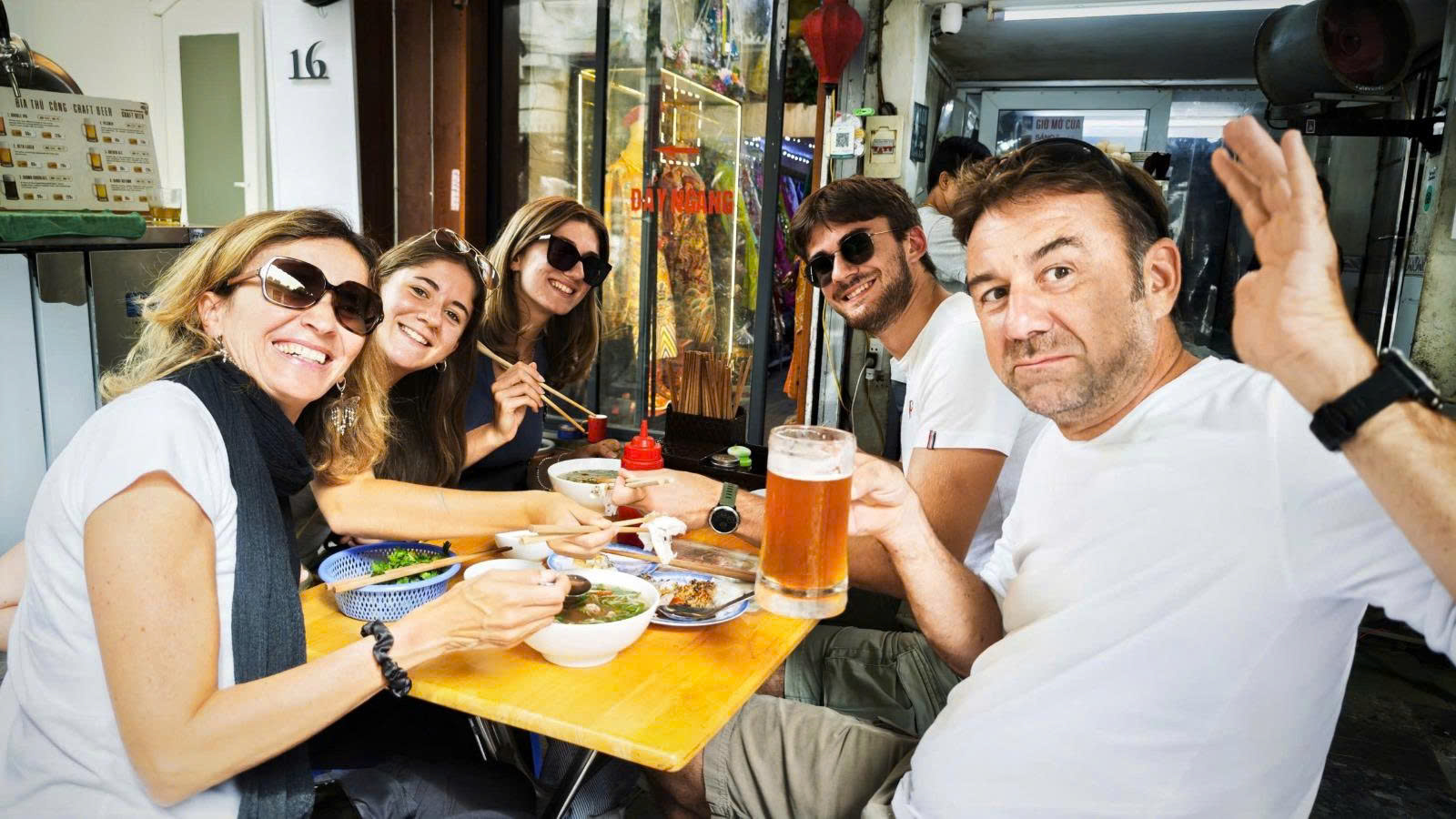
For just about $2, visitors can enjoy a delicious bowl of Pho in Vietnam (TSA’s clients)
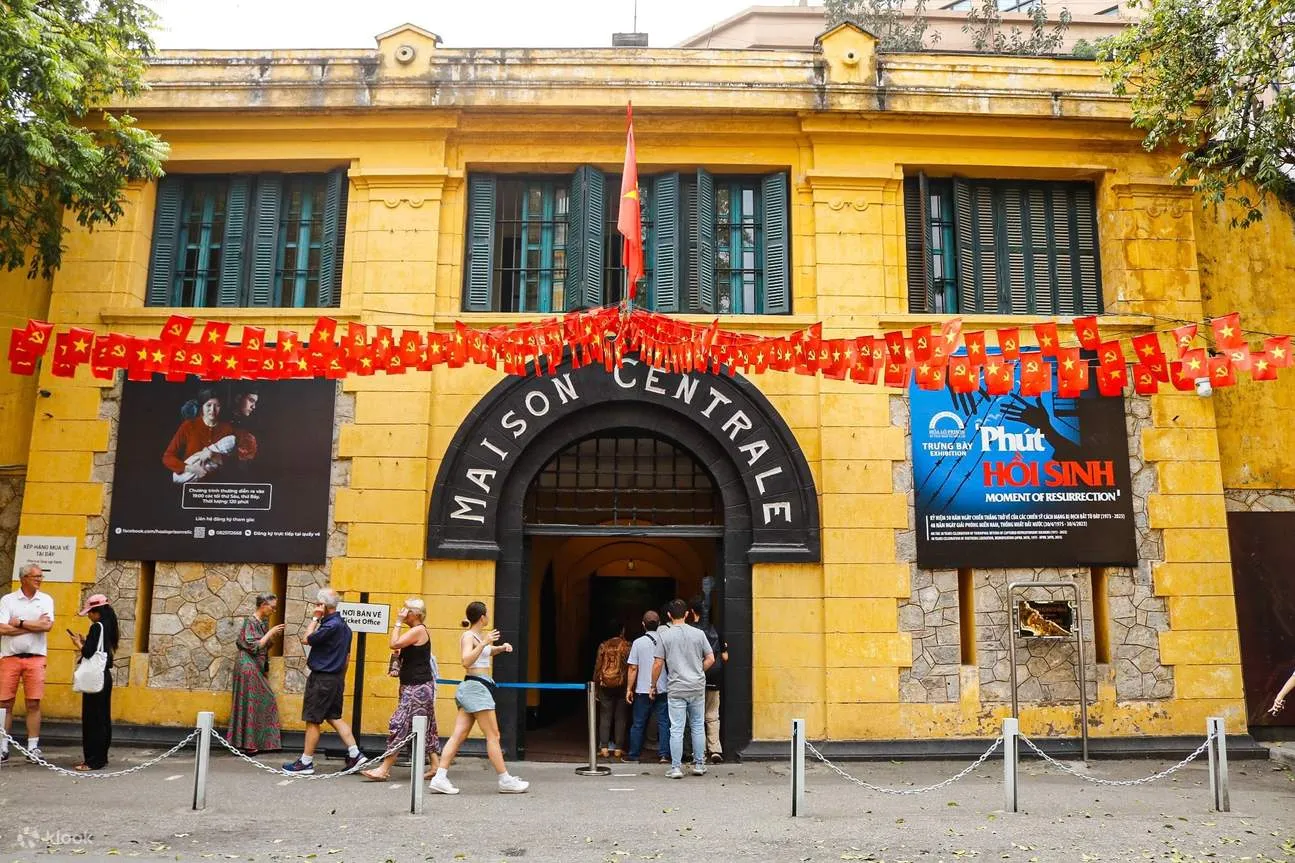
Hoa Lo Prison in Hanoi (Source: Internet)
There are cultural and historical sites in Vietnam with small entrance fees
Compared to the $15-$25 entrance fees at major Western museums, Vietnam’s historical sites offer an incredible “cultural bargain.” Here are some attractions that cost less than $2 to enter:
Hoa Lo Prison (Maison Centrale): This emotionally charged site in Hanoi costs only 50,000 VND (~$2), including access to a highly professional audio guide system.
War Remnants Museum: In Ho Chi Minh City, this world-class museum preserves vital historical documents for just 40,000 VND (~$1.50).
Getting around town is very affordable in Vietnam
During your trip, with just $2 you can enjoy the convenience of city transportation:
The Xe-ôm Experience: Instead of traditional taxis, you can book a motorbike taxi (“xe ôm”) via ride-hailing apps (Grab, Be, XanhSM, TADA, etc.). A 3-4 km ride costs about 35,000 – 40,000 VND.

Tourists can use motorbike taxi for about $2 per short ride in Vietnam. (Source: Internet)
CULINARY TIPS
Want to taste the best Pho and street food? Discover our guide to the 15 must-try Vietnamese dishes and where to eat them.
What to buy in Vietnam? Top 8 souvenirs worth every penny!
With $2, travelers can cover some basic expenses. However, if you are wondering what to buy in Vietnam as a lasting memory, take a look at the suggestions below. These souvenirs carry the history of ancient craft villages and the skillful touch of local artisans.
Tailor-made clothing in Hoi An
Price range: 800,000 VND (silk shirts/dresses) – 5,000,000+ VND (high-quality 3-piece suits).
Where to get: Hoi An Ancient Town.
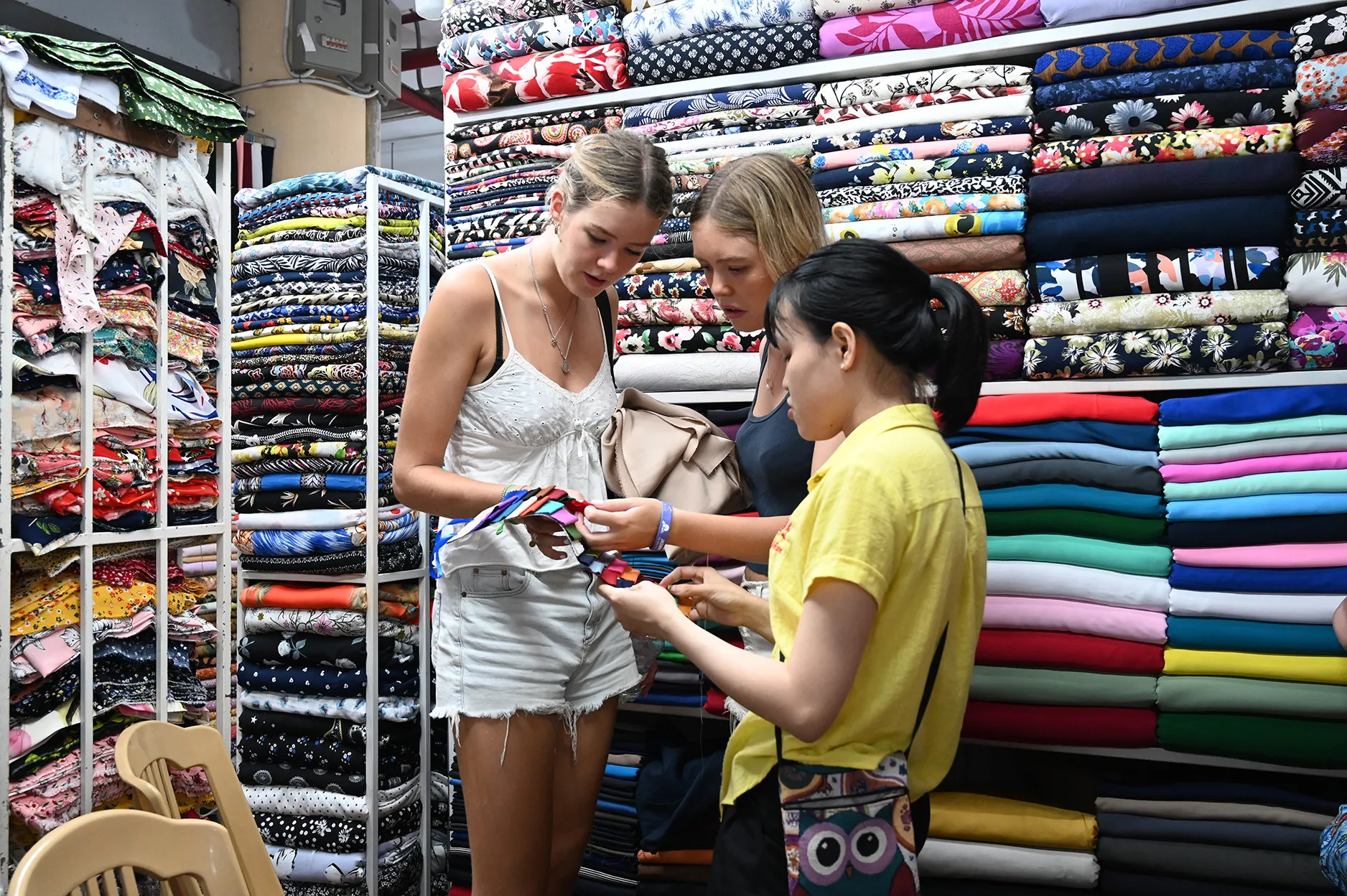
Vietnam, and particularly the ancient town of Hoi An, is considered the “tailoring capital of the world.” Here, travelers are often amazed by the “lightning speed” of local tailors, capable of making a custom suit in under 24 hours while maintaining absolute precision.
Local tailors possess a masterful ability to replicate high-fashion designs from famous magazines starting from a single photograph. At a fraction of the cost you would find in Milan, New York, or Sydney, this is your chance to own a “one-of-a-kind” garment sewn perfectly to your silhouette.
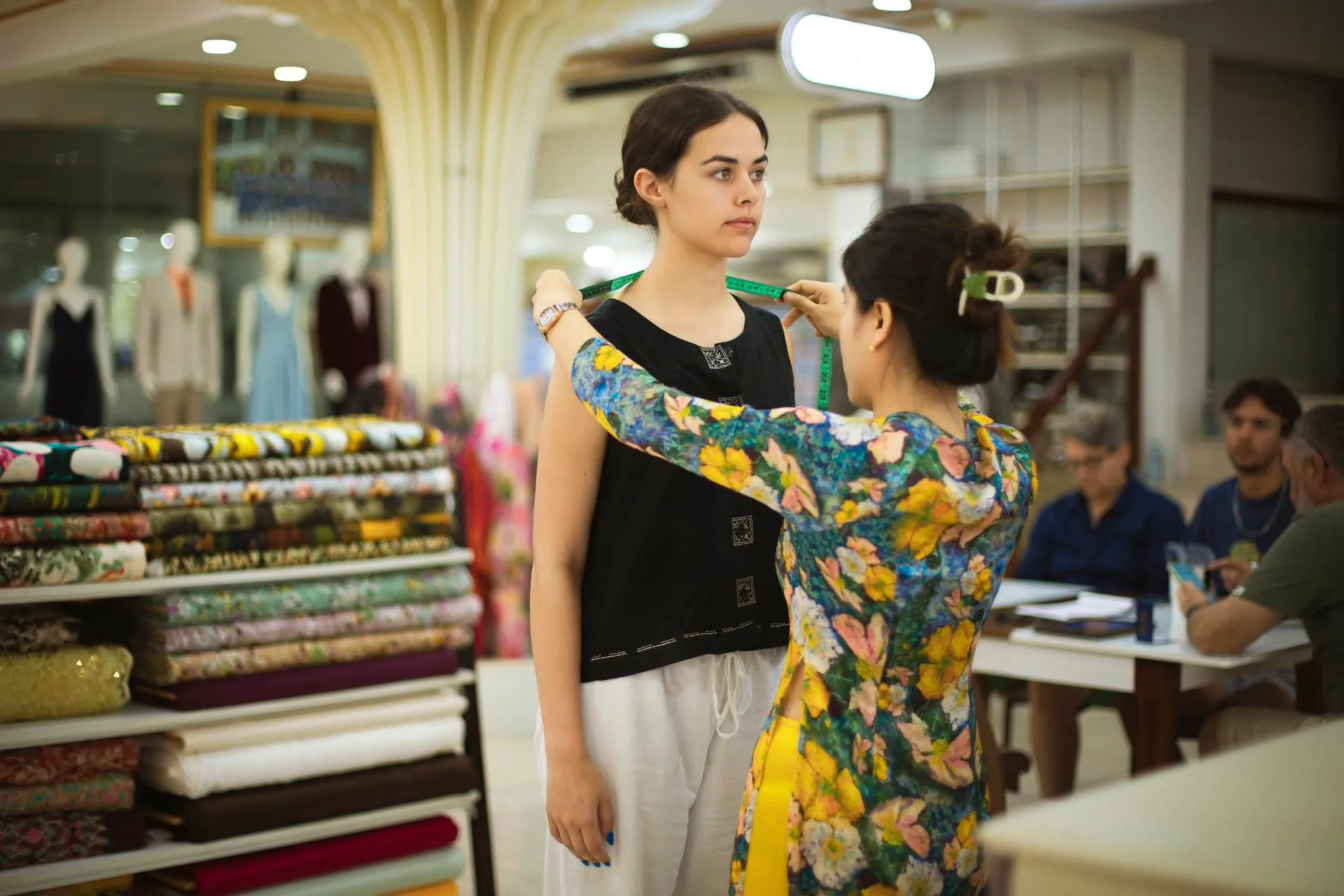
In Vietnam, tailor-made clothing is the best choice for those seeking quality products (Source: Internet)

Lacquerware is the perfect souvenir for those who love traditional craftsmanship (Source: Internet)
Vietnamese lacquerware
Price range: 2,000,000 VND (small bowls/boxes) – 20,000,000+ VND (fine paintings or vases).
Where to buy: Hanoia, Ha Thai Lacquer Village (Hanoi), Nhu Y Lacquerware (Ho Chi Minh City).
Lacquer is a jewel of Vietnamese craftsmanship, requiring extreme patience, layering, and polishing to achieve a mirror-like depth. The refinement lies in the intricate techniques of eggshell inlay, gold leaf gilding, or the shimmer of mother-of-pearl, creating motifs with extraordinarily beautiful depth.
From delicate jewelry boxes to large-scale paintings, Vietnamese lacquerware is not only durable but also a highly classy piece of decor. These are premium souvenir options perfectly suited to the refined aesthetics of global travelers.
CULINARY TIPS
Fascinated by traditional crafts? Discover the best ancient villages in Hanoi and nearby for authentic day trips.
Ceramics in Bat Trang Pottery Village, Hanoi
Price Range: 100,000 – 3,000,000 VND per item (artisan cups, plates, or mini vases).
Where to Buy: Bat Trang Pottery Village (Hanoi).
Vietnamese ceramics represent a perfect fusion of ancient history and modern design. While Bat Trang village remains a brilliant icon of classic crackle and celadon glazes, contemporary ceramics impress with a mix of minimalist Nordic shapes and traditional hand-painted motifs, such as lotus flowers and dragonflies.
Every piece is fired at high temperatures to eliminate impurities, making them completely food-safe, microwave-safe, and dishwasher-safe. This is the perfect intersection of rustic beauty and modern utility for your home.

If you visit Bat Trang village, you can buy wonderful artisan ceramics (Source: Internet)
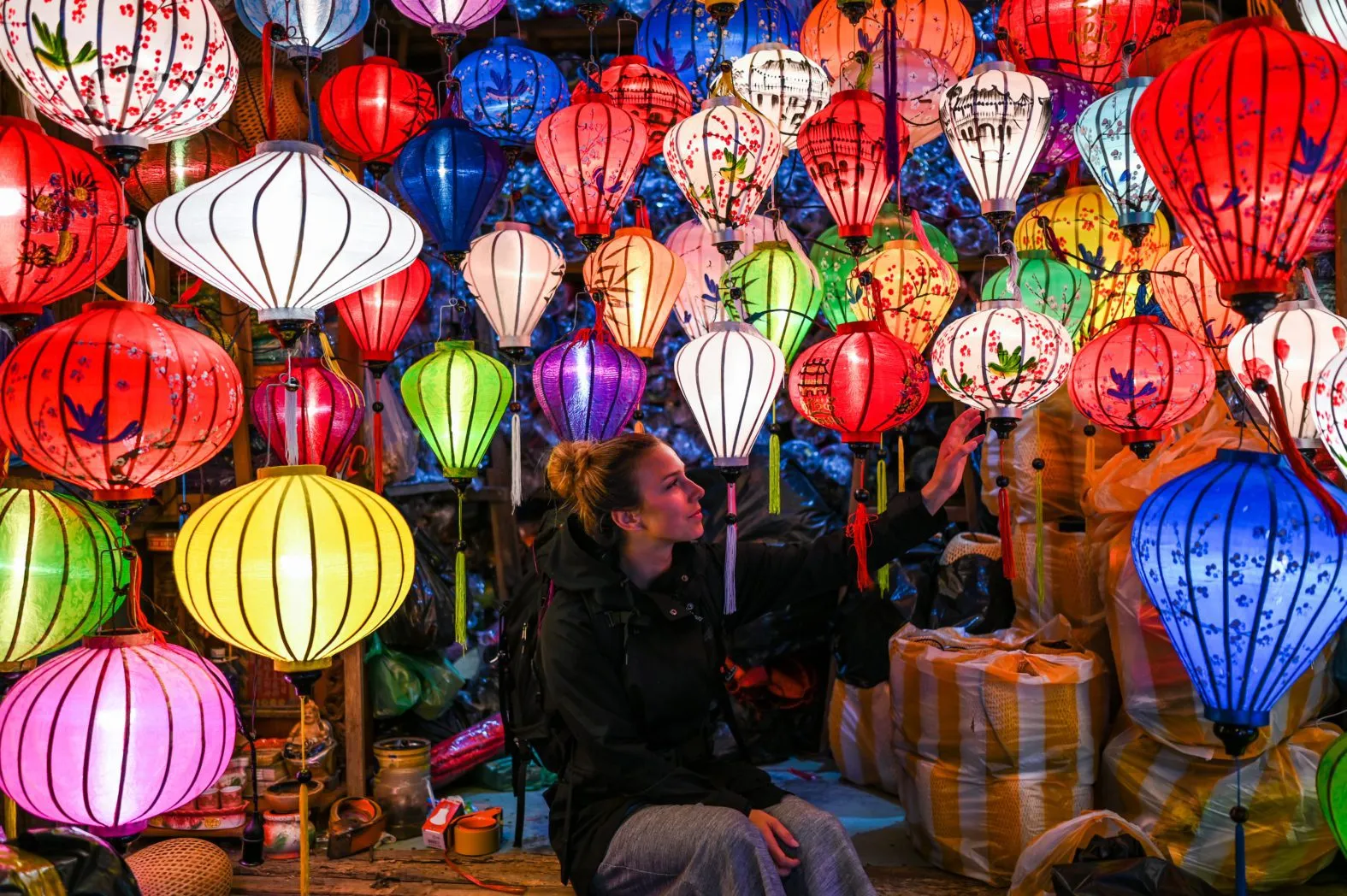
A lantern is the classic souvenir for anyone visiting Hoi An (Source: Internet)
Lanterns in Hoi An
Price range: 40,000 – 300,000 VND (Depending on size and complexity).
Where to buy: Hoi An Ancient Town.
Made with aged bamboo frames, treated to resist termites, and wrapped in vibrant silk, each lantern carries a spiritual meaning. The most brilliant feature for travelers is the collapsible structure, which folds flat like an umbrella to be easily packed in a suitcase.
For a deeper experience, you can also join a local workshop and create your lantern by hand. It is a unique and authentic way to connect with Hoi An’s craftsmanship and bring home something truly personal.
Vietnamese Robusta coffee
Price range: 180,000 – 400,000 VND per kg.
Where to buy: Coffee shops in major cities (Hanoi, Ho Chi Minh City, Da Nang, etc.).
As the second-largest coffee producer in the world, Vietnam is the “Kingdom of Robusta.” Unlike the mild acidity of Arabica common in Western countries, Vietnamese coffee leaves a powerful impression with its bold aroma and characteristic bitterness, balanced by hints of chocolate.
A bag of pure ground coffee, paired with a traditional aluminum “Phin” filter, is a sensory gift that awakens the soul. If you are interested in a more refined palate, try Fine Robusta to experience delicate and natural floral notes.

The Robusta variety is perfect for those who love a bold and intense aroma (Source: Internet)
RECOMMENDED TOUR
Enjoy a lantern workshop in Hoi An with our 16-day Essence of Indochina journey

Marou Chocolate is famous nationwide and perfect for gifting (Source: Internet)
Marou Chocolate
Price range: 55,000 VND (Small 24g bar) – 150,000 VND (Large 80g bar).
Where to buy: Souvenir shops at international airports, Annam Gourmet markets, Maison Marou stores.
Using a “Bean-to-Bar” philosophy, Marou selects cacao beans from different regions, such as Tien Giang and Lam Dong provinces, to create unique, unblended flavor profiles. Besides a flavor that rivals Belgian or French brands, the artistic, gold-stamped packaging makes Marou a sophisticated gift for any culinary connoisseur.
Phu Quoc Pepper
Price range: 250,000 – 450,000 VND per kg (Black, white, or red peppercorns).
Where to buy: Duong Dong Market, Ganh Dau Market – Phu Quoc Island.
Thanks to the unique soil and an entirely manual harvesting process, Phu Quoc pepper features plump peppercorns, thin skin, and an intense, pungent heat with a high essential oil content. Whether you choose the traditional black pepper, snow-white, or the rare red pepper, they are vacuum-sealed and ready to travel thousands of miles to elevate steaks or seafood dishes in any kitchen worldwide.
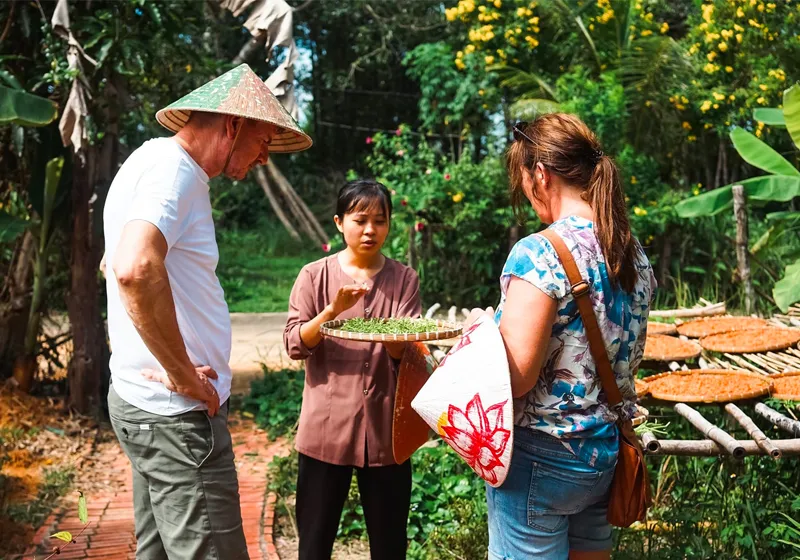
Phu Quoc pepper is ideal for friends who love to cook (Source: Internet)

Vietnam is a paradise for clothing shopping lovers with numerous local brands (Source: Internet)
Local fashion brands: Best for shopping haul in Vietnam
Price range: 400,000 – 1,500,000 VND (Ready-to-wear) – 5,000,000 VND (Limited Editions).
Where to buy: The New Play Ground, The Cafe Apartment, Nguyen Trai Street (District 1, HCMC); Vincom Ba Trieu & Ba Trieu Street (Hanoi), etc.
The diversity of the local fashion scene is truly impressive. You can explore an endless array of styles, from minimalist office wear and ethereal silk maxi dresses to avant-garde streetwear. Whether you are looking for a breezy linen set for the tropical heat or a chic dress for a night out, the options on what to shop in Vietnam are limitless.
The art of bargaining: How to shop responsibly in Vietnam?
Bargaining is a vibrant part of the market culture, but to be a savvy and respectful traveler, you must understand the “unwritten rules” of Vietnamese commerce.
How to bargain: A good rule of thumb is to start 20%-30% lower than the initial asking price. Always maintain a smile and polite demeanor; consider it a friendly social exchange rather than a heated clash.
The golden rule of the “first customer”: This is a crucial cultural note. Vietnamese vendors attach enormous importance to the first transaction of the day. Local folklore suggests that the “luck” of the first customer dictates the fate of the shop for the entire day. Therefore, you should absolutely avoid aggressive bargaining or walking away after a long negotiation early in the morning, and especially on the 1st and 15th day of the lunar month. Being a “smooth” and decisive first customer often earns you the heartfelt gratitude of the vendor and, occasionally, the best “lucky” price of the day!
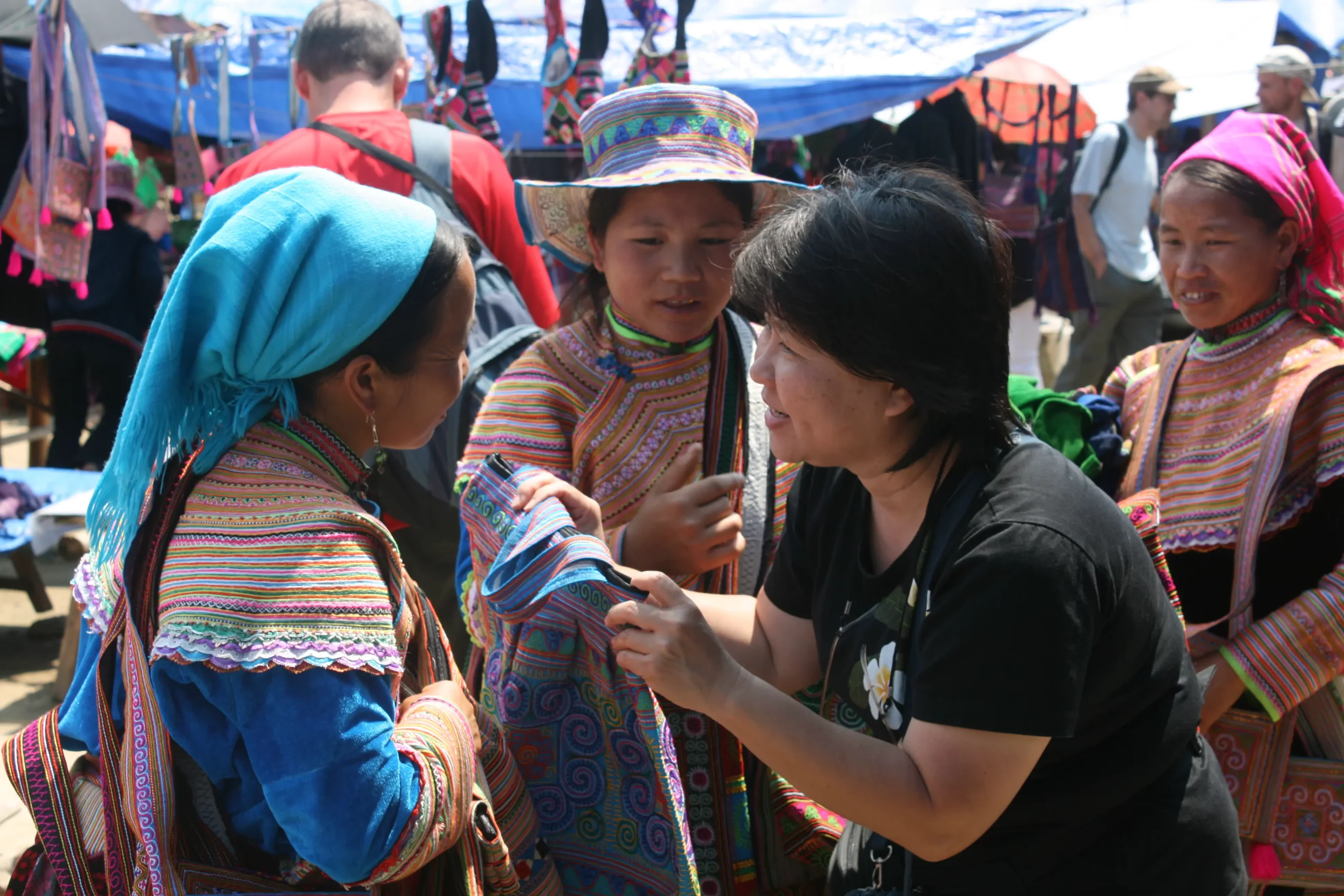
Shopping smart means finding a quality product and recognizing its true value (Source: Internet)
Things you ABSOLUTELY SHOULD NOT buy in Vietnam
To be a responsible traveler and avoid serious legal complications at international borders, you should firmly say “No” to the following items:
Snake and wildlife wine: Although commonly sold as traditional tonics in tourist markets, bringing wine containing animal carcasses (snakes, scorpions, lizards) into the US, Australia, or the EU is illegal. You risk not only confiscation but also heavy fines for violating biosecurity and conservation regulations.
Corals and exotic marine creatures: Harvesting coral or rare shells destroys marine ecosystems and violates CITES conventions. Customs agencies in Western countries are extremely strict regarding undocumented marine products.
Ivory and wildlife products: This is an absolute taboo. Possessing or transporting even a small piece of ivory jewelry can lead to criminal prosecution and massive fines under international law.
Counterfeit brands: Customs agencies worldwide (like the US CBP or Australian Border Force) are renowned for their strictness. If you are caught carrying counterfeit bags or watches into your home country, you could face massive fines ranging from hundreds to thousands of dollars.
Vietnam is a land that stays with you long after you’ve left, but having a tangible keepsake makes the memories even sweeter. Whether you are wandering through the lantern-lit streets of Hoi An or the bustling markets of Hanoi, you’ll find that knowing what to buy in Vietnam is just as important as knowing where to go.
Are you ready to discover the hidden gems of the S-shaped country? Contact Travel Sense Asia today to start planning your bespoke itinerary and find the perfect treasures to bring home!
Frequently Asked Questions (FAQ)
1. Can I bring dry food back to the US, Australia, or Europe?
Yes, but you must follow strict border protection and biosecurity regulations. Dry foods like coffee, tea, and dried nuts are generally accepted if they have clear English labeling and are not expired. However, absolutely avoid any products containing meat (like beef jerky or pork floss) due to severe biosecurity laws, especially in Australia, EU and the US.
2. What is the duty-free shopping limit?
The tax-free limit for personal luggage entering Vietnam is under 10,000,000 VND (~$400 USD). When returning home, check your country’s standard duty-free allowance (typically $800 for the US, AUD 900 for Australia, or €430 for the EU). If the total value of the Vietnam souvenirs to buy exceeds this, you are legally required to declare them and pay import taxes.
3. How can I transport fragile ceramics and lacquerware from Vietnam back home?
Reputable shops in Bat Trang village or major art galleries offer professional packing services using multiple layers of bubble wrap and specialized wooden crates. For bulky items, they also offer insured international door-to-door shipping services for your peace of mind.
4. Can I get a VAT refund at the airport in Vietnam?
Yes! Foreign tourists can reclaim approximately 8.5% to 10% of the Value Added Tax. Look for shops displaying the “VAT Refund for Tourists” logo and request a tax refund invoice for purchases over 2,000,000 VND. At Noi Bai or Tan Son Nhat airports, you can process the paperwork at the VAT refund counter before checking in your luggage.